
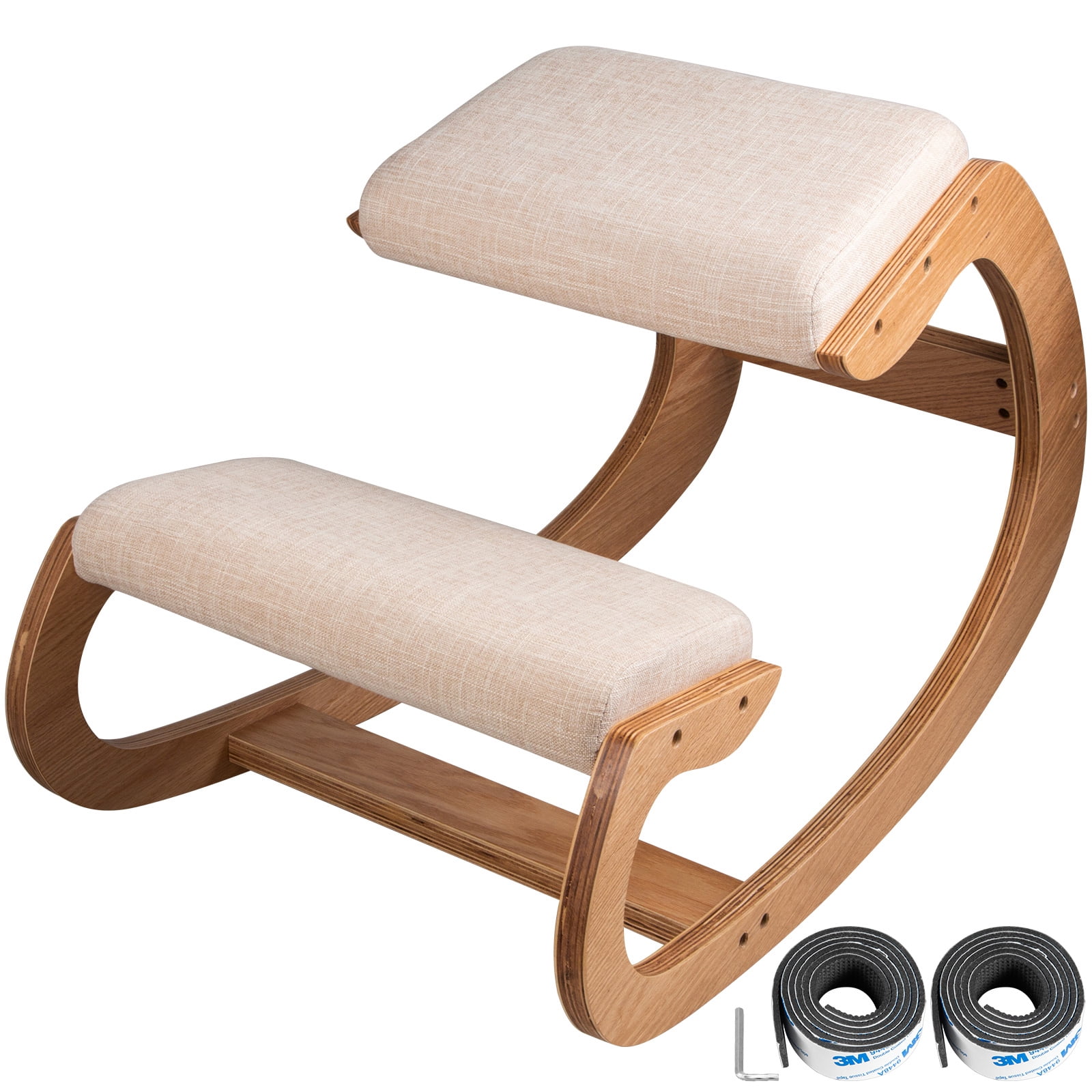
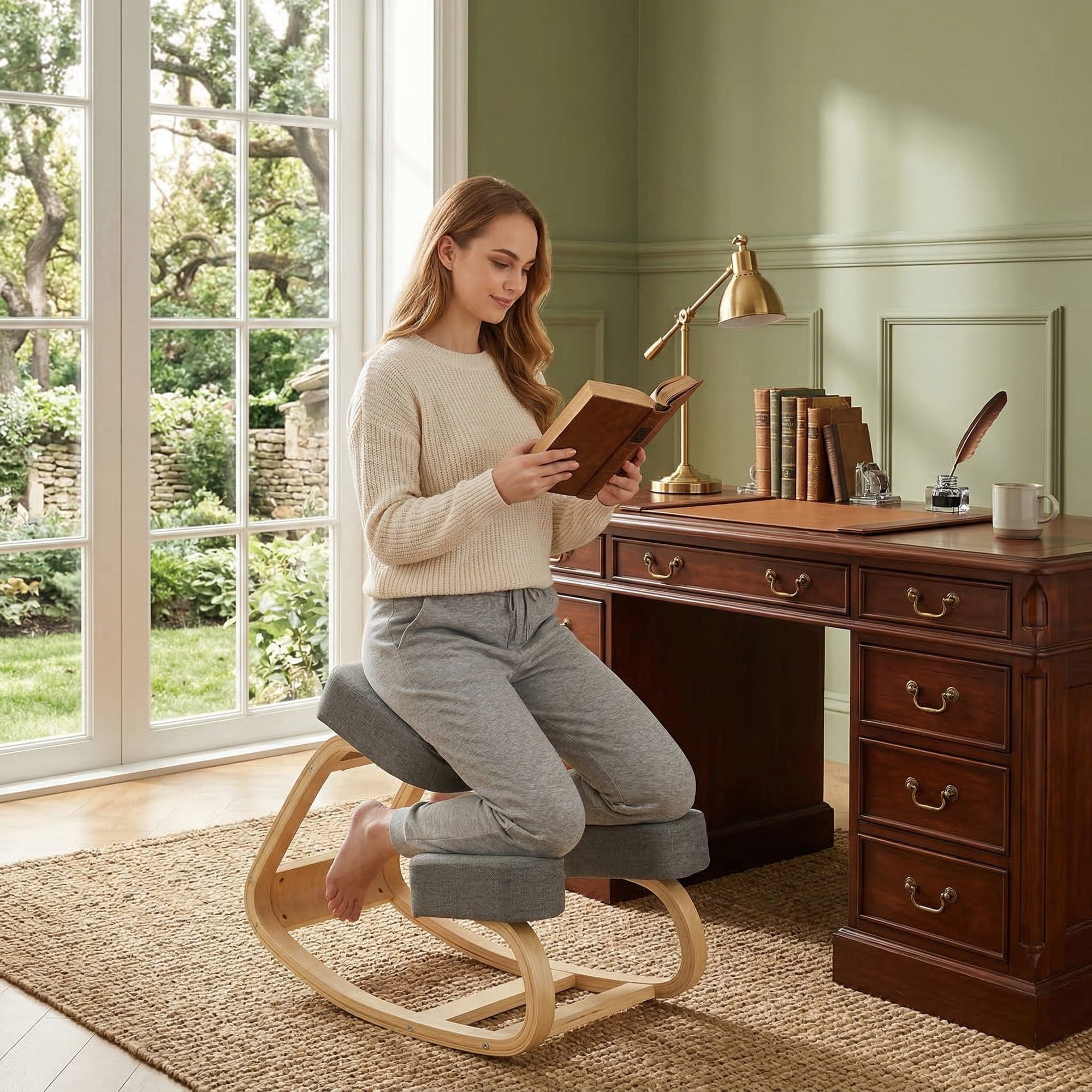
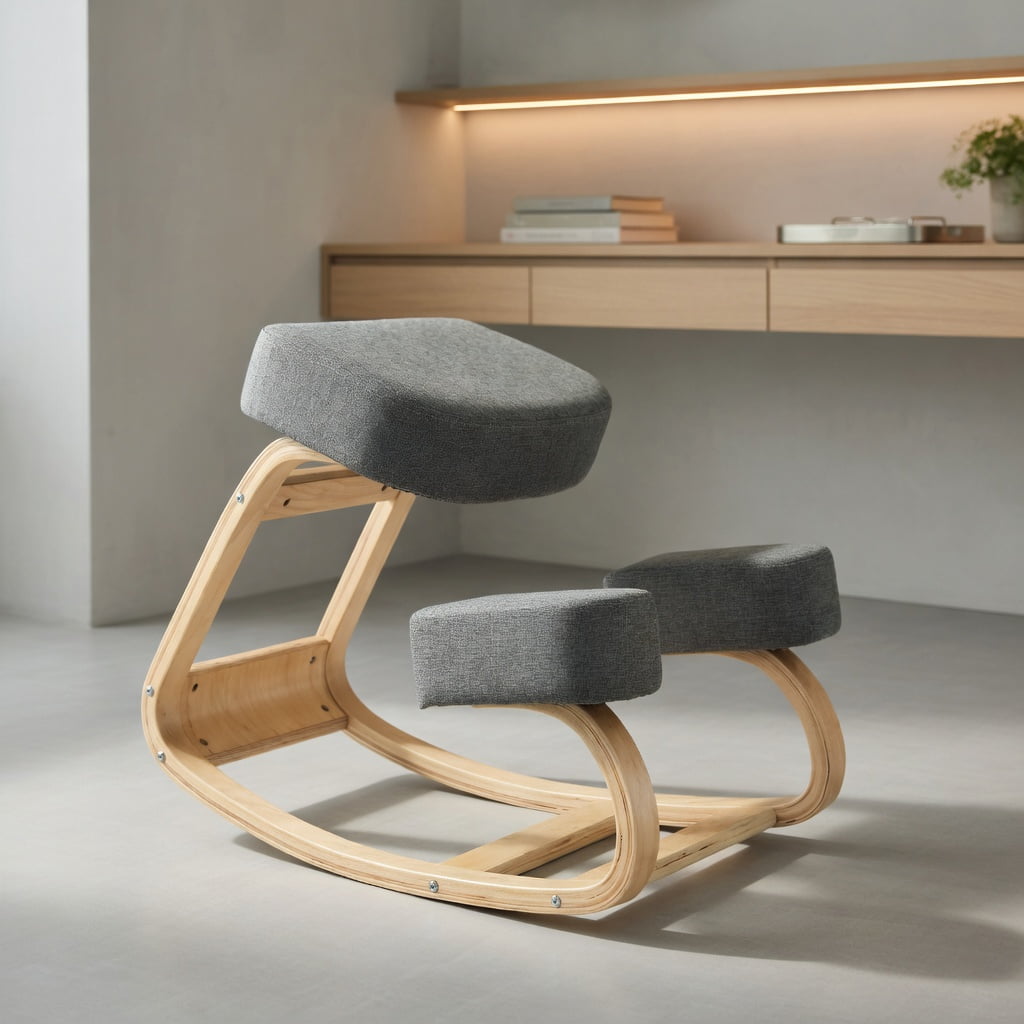
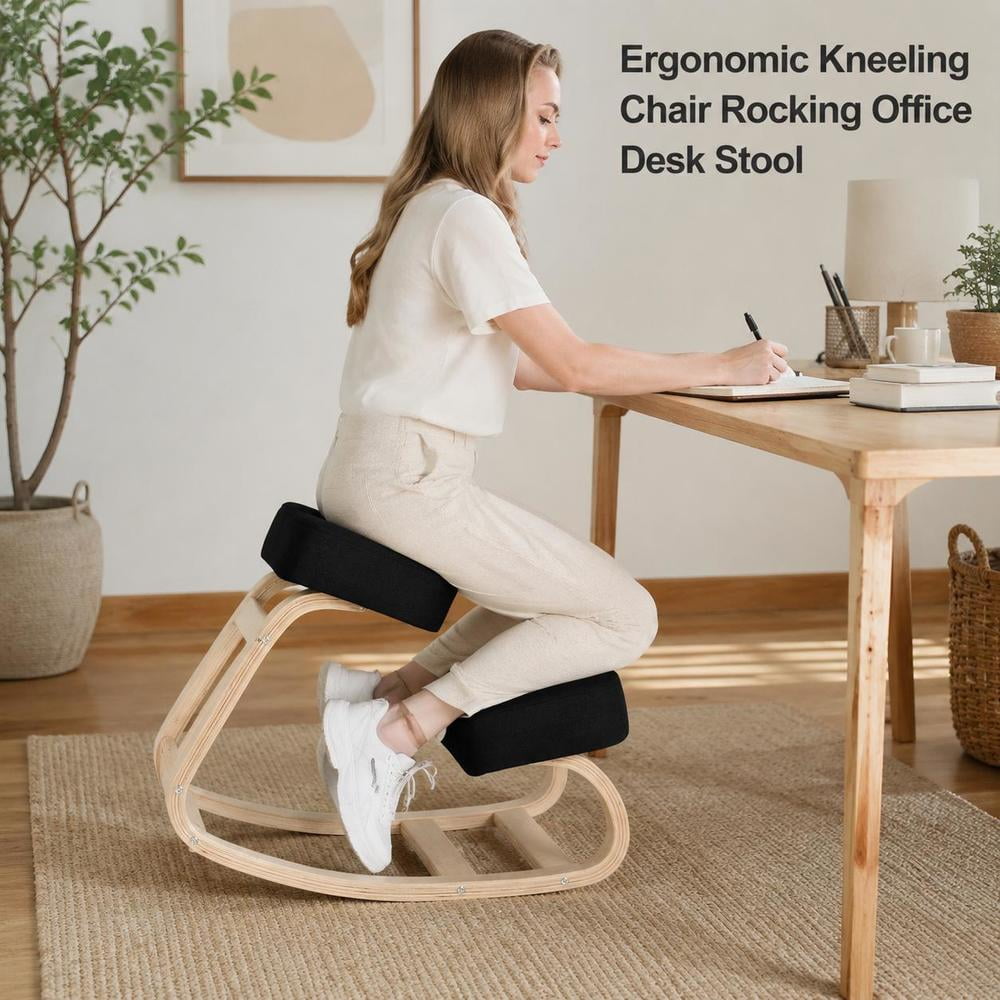
Why Choose an Ergonomic Office Chair Stool?
Imagine a chair that doesn't lock you into a static position but moves with you — encouraging subtle shifts, engaging your core, and promoting blood flow. That's the power of an ergonomic office chair stool. Unlike traditional task chairs, stool-style seating is engineered for active sitting, a concept supported by physiotherapists and ergonomists. According to a 2023 study in the Journal of Workplace Health, active sitting can increase caloric expenditure by up to 15% and reduce lower back discomfort by 34% compared to conventional chairs.
Ergonomic Insight: “Stool-height chairs naturally open the hip angle to 110–120 degrees, reducing pressure on the lumbar discs. For standing desk users, an ergonomic stool acts as a bridge between sitting and standing, allowing micro-movements throughout the day.” — Dr. Sarah Lin, Occupational Ergonomist.
Key Distinctions: Stool vs. Standard Office Chair
- Height Range: Stools offer extended height (24–34 inches) suitable for standing desks, drafting tables, or high counters.
- Seat Design: Many ergonomic stools feature a saddle-style or slightly forward-tilted seat that promotes natural spinal alignment.
- Foot Ring: A built-in footrest ring ensures proper leg positioning when the stool is raised high.
- Dynamic Movement: Stools often have a flexible back or allow more pelvic movement, reducing static muscle fatigue.
- Space Efficiency: Compact footprint makes them ideal for small home offices or collaborative workspaces.
Top Benefits of Using an Ergonomic Office Stool
Improved Posture
Encourages a neutral spine and active core engagement.
Better Circulation
Open hip angle reduces pressure on legs and promotes venous return.
Seamless Sit-Stand Transition
Ideal companion for height-adjustable desks; switch postures effortlessly.
Modern Aesthetic
Sleek, minimalist designs complement contemporary offices and studios.
Critical Features to Evaluate When Buying an Ergonomic Stool
| Feature | Why It Matters | Recommended Spec |
|---|---|---|
| Height Adjustability | Must align with desk height and your leg length. | Gas lift with 8–12 inch range; Class 3 or 4 cylinder. |
| Seat Comfort & Shape | Contoured or saddle seat reduces pressure points. | High-density foam, breathable fabric/mesh, waterfall edge. |
| Back Support | Low-back or mid-back support stabilizes lumbar region. | Adjustable height lumbar or flexible backrest. |
| Foot Ring | Essential for high settings to maintain ergonomic leg angle. | Height-adjustable or fixed ring with anti-slip coating. |
| Base & Casters | Stability and floor protection. | 5-star aluminum or reinforced nylon base, dual-wheel casters. |
Material & Style Choices for Ergonomic Stools
Mesh Back Stools
Ultra-breathable, lightweight, modern appearance. Ideal for warmer climates or high-activity workspaces. Mesh conforms to spinal curves while allowing airflow.
- Pros: Cooling, easy to clean, often budget-friendly.
- Best for: Tech offices, standing desk setups.
Fabric / Upholstered Stools
Soft touch, premium feel, wider color range. High-density foam provides plush comfort. Some models include memory foam for extended sitting sessions.
- Pros: Aesthetic warmth, extra padding.
- Best for: Creative studios, executive home offices.
How to Choose the Right Stool Height for Your Desk
1. Measure Your Desk Height
Standard desks: 28–30 inches. Standing desks: 40–48 inches when fully raised. For drafting tables: 36–42 inches. Your stool’s maximum seat height should be at least 2–4 inches above your desk’s underside clearance.
2. Match Seat Height to Elbow Angle
When seated, your elbows should be at 90–100 degrees relative to the desk surface. Your thighs should be parallel to the floor or slightly sloping downward if using a foot ring.
3. Test Active Sitting Movement
Ensure the stool allows you to tilt your pelvis easily. If the seat is too deep or rigid, it may restrict natural movement — a core benefit of ergonomic stools.
4. Prioritize Lumbar Adjustability
Even in stool-style chairs, adjustable lumbar support prevents slouching. Look for a backrest that moves independently or has tension control.
Real-World Applications: Who Benefits Most?
Ergonomic stools are also gaining popularity in open-plan offices where quick transitions between collaboration and focused work are essential. They occupy less visual space and encourage a more energetic work culture.
Maintenance Tips for Long-Lasting Ergonomic Stools
- Clean upholstery weekly: Use a damp microfiber cloth for mesh; for fabric, vacuum with soft brush attachment.
- Inspect gas lift: If the chair sinks, replace the cylinder rather than the whole unit — affordable replacement parts exist.
- Tighten foot ring bolts: Over time, vibrations can loosen connections; check every 2 months.
- Lubricate casters: A silicone spray keeps rolling smooth and prevents squeaking.