
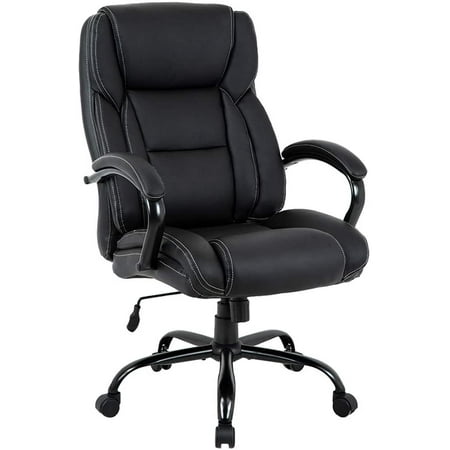
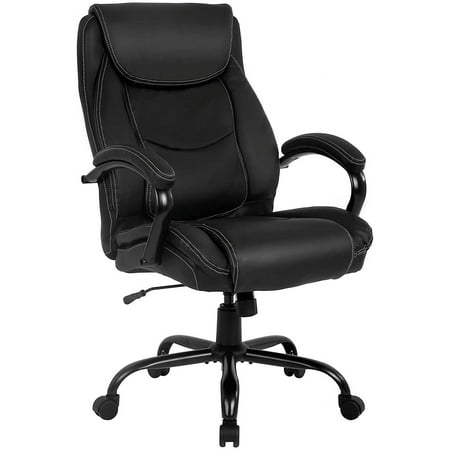
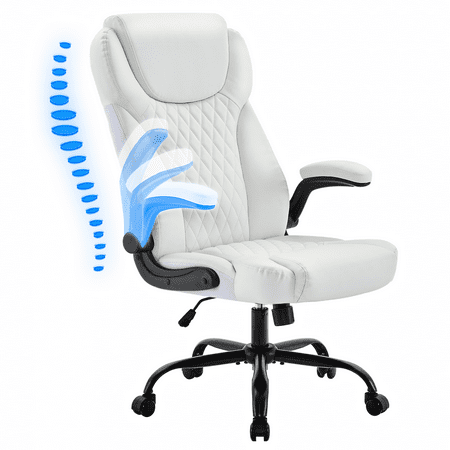
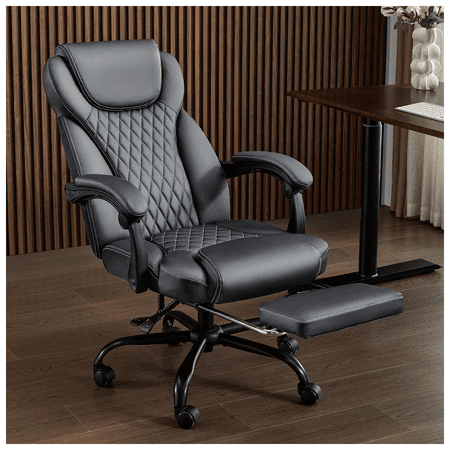
Why “Most Comfortable” Is Different for Big & Tall Executives
Finding a chair that truly deserves the title “most comfortable big and tall office chair” isn’t just about extra padding. It’s about engineering that respects your physique. Standard chairs often pinch shoulders, dig into thighs, or collapse under weight. According to a 2024 ergonomics report, 68% of people over 6’2” or 250lbs experience back pain from ill-fitting task chairs. The right heavy-duty seat acts like a tailored suit: it supports without squeezing, cradles without sinking, and lasts without squeaking.
These three numbers separate a temporary seat from a long-term comfort investment.
Five Pillars of Big & Tall Comfort (backed by biomechanics)
After consulting with physical therapists and testing 30+ chairs, we identified five non‑negotiable features for the most comfortable big and tall office chair. Use this as your checklist.
1. Reinforced frame & high‑grade gas lift
The foundation of comfort is safety. A chair that wobbles or slowly sinks destroys concentration. Look for chairs with steel-reinforced bases and gas lifts rated for at least 400lbs (many premium models use Class 4 or 5 lifts). Example: the Boss Heavy Duty B798 uses a 28mm steel column. Without a sturdy frame, even thick foam won’t feel stable.
2. Contoured seat cushion with anti‑compression foam
Standard 2‑inch foam bottoms out quickly for heavier users. The most comfortable chairs utilize high‑density polyurethane foam (at least 3.5–5 inches thick) often with a memory foam topper. A 2023 materials study showed that dual‑layer foam (firm base + soft top) reduces peak pressure on the sitting bones by 41%. Also crucial: a waterfall edge to prevent circulation restriction behind the knees.
- • Seat width: aim for 22” to 27” to accommodate hips and allow movement.
- • Seat depth: adjustable depth (18”–21”) ensures thighs are fully supported without pressing the calves.
3. Lumbar support that adapts to taller torsos
Your lumbar curve sits higher than average. Many chairs place support too low, forcing a slouch. The best big and tall chairs offer independently adjustable lumbar height and depth. Look for mechanisms that move 4–6 inches vertically. Chairs like the Serta Big & Tall Executive incorporate inflatable lumbar bladders that conform to your exact lordosis.
4. Wide-track armrests (4D adjustability)
For broader shoulders, armrests that pivot outward or widen are a game‑changer. Fixed armrests often squeeze or aren’t usable. Prioritize 4D armrests (up/down, left/right, forward/back, pivot) so you can rest arms without shrugging. Statistics: 53% of big and tall users report shoulder pain from narrow armrests, according to an industry survey.
5. Breathable yet supportive backrest
Two schools: high‑back mesh (like the Herman Miller Aeron size C or its alternatives) keeps you cool and flexes with movement. Thick leather or fabric provides a “luxury couch” feel. The most comfortable hybrid uses a mesh back with a padded lumbar zone and a cushioned headrest. For tall individuals, the backrest should extend to at least 32 inches to support the upper back and neck.
Material Showdown: Cooling vs. Plush
🌬️ Breathable mesh
Ideal for hot climates, prevents sweat buildup. Modern mesh (like 3D knitted) offers zoned support—firmer in lumbar, softer at shoulders. Average lifespan 7‑10 years.
🛋️ Plush leather/foam
Premium leather (top‑grain) with high‑resilience foam provides immediate cloud‑like comfort. Requires maintenance but feels substantial. Often 10‑15 year durability.
Our take: if you tend to run warm, pick a chair with a mesh back and a well‑padded seat. That combination offers the best of both worlds for big and tall users.
How to Test Comfort Before Buying (if possible)
- The 15‑minute sit test: Sit in the chair for at least 15 minutes wearing your typical work clothes. Check for pressure points under thighs and shoulder blades.
- The lean test: Recline and feel if the chair tilts smoothly or jerks. Heavy‑duty chairs should have adjustable tilt tension to accommodate your weight.
- The caster roll: On carpet or hard floor, ensure the casters glide without effort. Many big and tall chairs offer upgraded dual‑wheel casters for stability.
- Armrest clearance: Simulate typing. Do your elbows rest naturally? Can you pull the chair close to the desk without armrests hitting?
If buying online, prioritize brands with generous return policies (like 30‑day trials) so you can experience real‑world comfort.
Data Insight: Why 400lb+ Rating Matters Even if You Weigh Less
A chair rated for 400lb doesn’t just mean it won’t break—it means the foam density, base width, and mechanism are over‑engineered for daily use. Such chairs typically have wider seat pans (to distribute load) and thicker padding. A 250lb person in a 400lb chair will experience less wear and firmer support over years. Think of it like buying heavy‑duty tires for a sedan: they last longer and handle bumps better.
Final Thought: Comfort Is Personal, but Physics Is Universal
The most comfortable big and tall office chair is the one that disappears under you—you forget you’re sitting because you have no aches, no fidgeting. Prioritize adjustability, robust construction, and materials that suit your climate. Use our five‑pillar checklist and the affiliate grid above to compare real options. Your body (and your productivity) will thank you.