

Why Your Leadership Role Demands a Purpose-Built Manager Office Chair
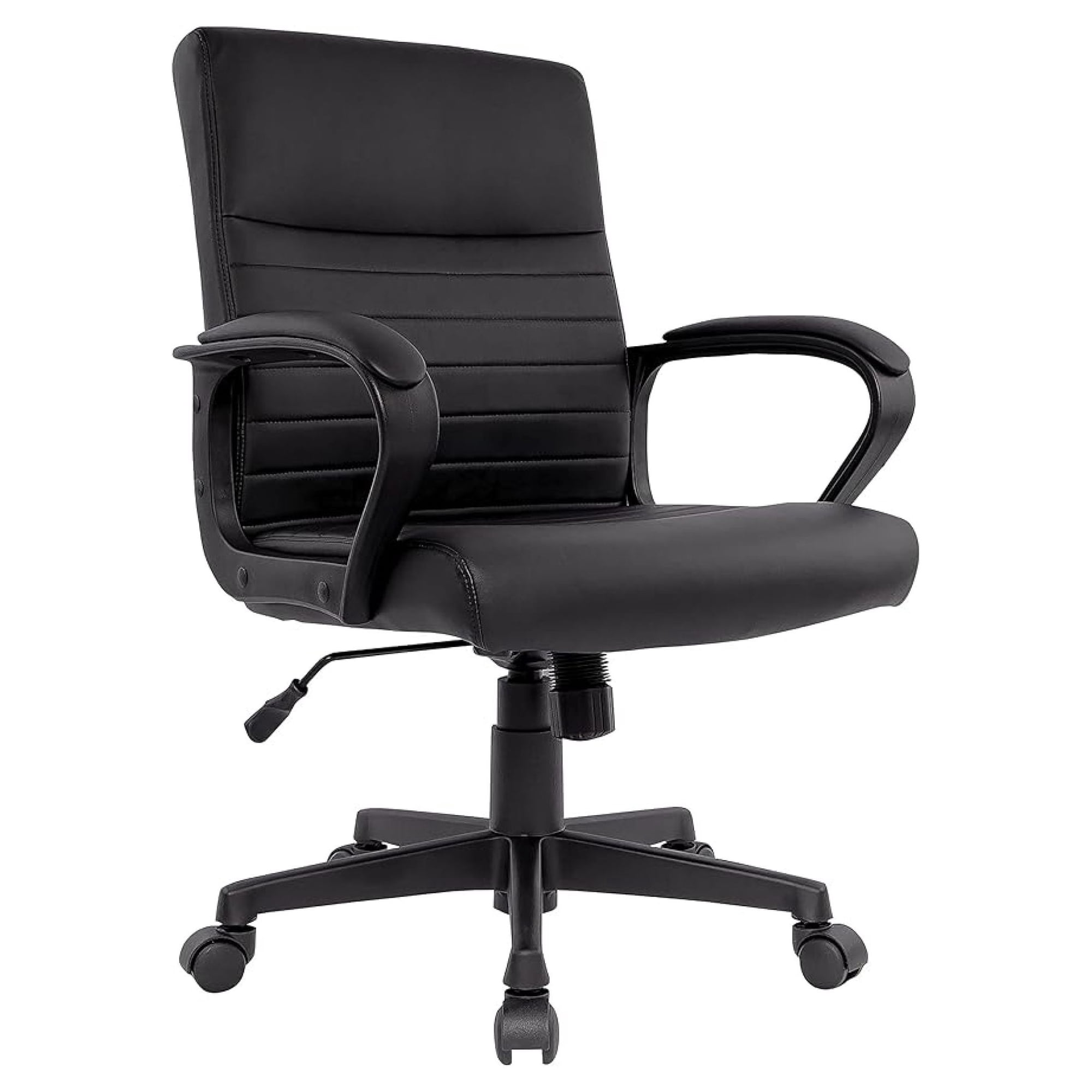
As a manager, your day is a balancing act: reviewing reports, mentoring team members, jumping into impromptu stand-ups, and focusing deeply on strategic tasks. A generic task chair wasn't designed for this variety. A manager office chair bridges the gap between executive presence and the active, collaborative nature of team leadership. It’s the command center for your daily operations.
Unlike basic operator chairs, a manager chair often includes more robust adjustability (like 4D armrests and seat-depth control) and materials that signal professionalism without the overbearing size of some executive thrones. According to recent workplace surveys, managers who use properly fitted chairs report a 34% improvement in concentration during the second half of the workday.
The Anatomy of an Effective Manager Chair: Beyond Basics
Let's dissect the specific features that make a chair truly suited for a manager's workflow. We will focus on three pillars: dynamic ergonomics, professional versatility, and durable intelligence.
1. Dynamic Ergonomics: The "Active Sitting" Advantage
Managers rarely sit still. You lean forward to discuss a project, recline slightly during a phone call, or perch on the edge during a quick chat. Your chair must move with you. Look for these specific ergonomic traits:
- Synchronized mechanism: This allows the backrest and seat to move in a natural ratio (usually 2:1 or 3:1) as you recline. It keeps your feet planted and your vision level, preventing the "shirt collar" gap that causes slouching.
- Adjustable lumbar support (both height & depth): Static lumbar pads are obsolete. A manager chair should let you dial in the exact pressure against your spine. Depth adjustment is crucial for those with longer torsos or specific back sensitivities.
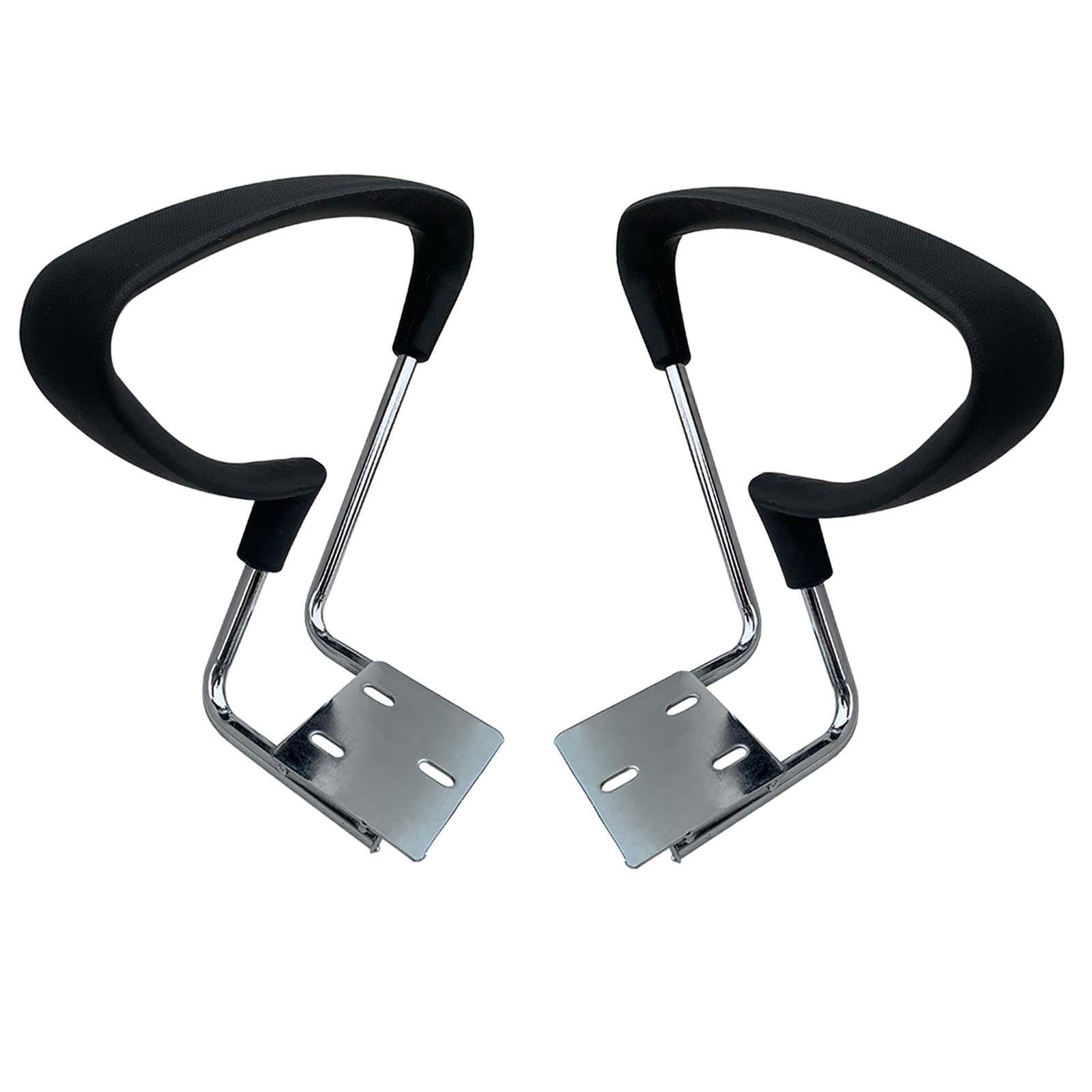
- 4D armrests: Armrests that move up/down, sideways, forward/back, and pivot are non-negotiable. They allow you to support your elbows while typing, slide closer to the desk, or tuck the chair away when you stand to address your team.
2. Material Strategy: Balancing Polish and Practicality
A manager's chair is often seen by direct reports, peers, and superiors. It needs to look put-together, but also withstand the wear and tear of daily use. Here’s how to think about materials:
For the high-traffic manager
- Performance mesh back: Keeps you cool during back-to-back 1:1s. Modern meshes are stain-resistant and look sharp.
- Leather or leatherette seat: Easy to wipe clean from coffee mishaps. A "leather-wrapped" seat with a mesh back is the ultimate hybrid for managers.
For the image-conscious leader
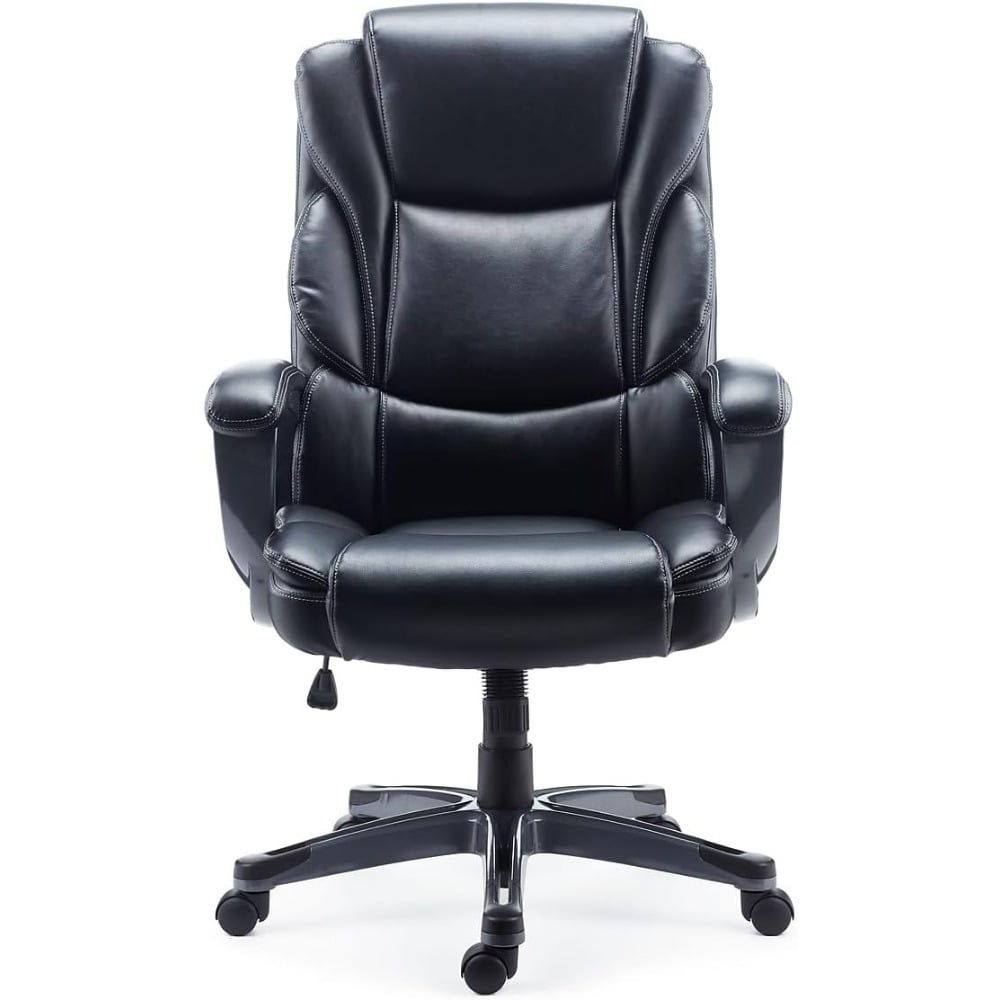
- Top-grain leather accents: Provides executive flair without the premium cost of full leather. Durable and ages well.
- Fabric with stain protection: High-quality woven fabrics (like those with nano-coating) offer a softer feel and more color options, ideal for creative or tech industries.
3. Intelligent Features That Save Time and Strain
Modern manager chairs are incorporating subtle innovations that make a big difference:
- Forward tilt mechanism: When you need to lean in to review a document or collaborate on a screen, a forward tilt (2–3 degrees) keeps you engaged without hunching.
- Auto-adjustable tension: Some chairs now have tension adjustment that adapts to your weight, so the recline feels intuitive.
- Quiet, rolling casters: Managers move between desks and meeting areas. Soft rubber casters (often called "roller-blade style") glide silently on both carpet and hard floors, preserving a professional soundscape.
Comparing Manager vs. Executive vs. Task Chairs
To truly appreciate the manager category, here’s a quick comparison table (no prices, just feature focus):
| Feature focus | Task chair | Manager chair | Executive chair |
|---|---|---|---|
| Back height | Low/mid-back | Mid/high-back (often with headrest option) | High-back, often with integrated headrest |
| Armrest adjustability | 2D or fixed | 3D or 4D standard | 4D with wider padding |
| Lumbar support | Basic pad | Adjustable height & depth | Advanced, often with air-bladder |
| Typical materials | Fabric or basic mesh | Hybrid (mesh back/leather seat) or premium fabric | Full leather or high-end mesh |
| Ideal for | Stationary desk work | Dynamic work + team interaction | Private office, formal authority |
Note: These are general trends; always check individual chair specifications.
Why "One Size Fits All" Fails for Managers
A common mistake is buying a chair based solely on looks or price. Managers come in all shapes and sizes, and so should their chair. A study from the Back Association found that mismatched seat depth is the #1 cause of thigh discomfort for supervisors who sit for 6+ hours. Always look for a seat slider (at least 5cm of travel). Additionally, if you are taller than 6'2", prioritize a chair with a higher backrest (over 25 inches) to support your upper back.
Manager Office Chair: Your Questions Answered
Invest in Your Leadership Presence and Daily Energy
Selecting a manager office chair is not a routine purchase—it’s an investment in your effectiveness. A chair that responds to your movements, supports your posture, and reflects your professional role will pay dividends in focus, comfort, and the respect you command. Use the guidance above to identify the features that matter most for your unique management style.
Remember to test chairs whenever possible, and don't underestimate the power of subtle adjustments like seat depth and armrest width. Your team sees you at your best when you're comfortable and engaged. Choose a chair that makes that possible every single day.