
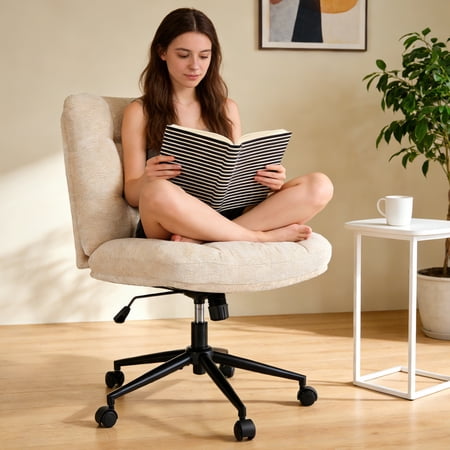
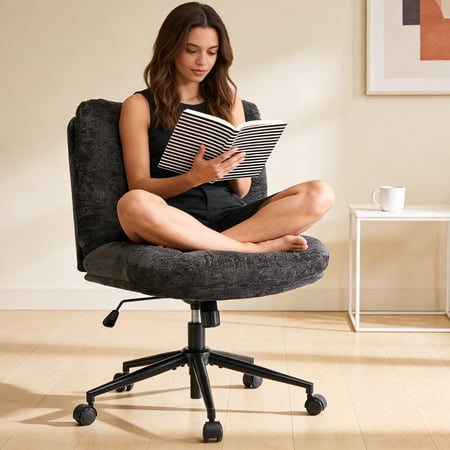
Why “Wide” Matters: More Than Just Extra Inches
Imagine trying to focus on a complex spreadsheet while constantly shifting because the armrests dig into your thighs, or the seat feels like a narrow bench. A wide office chair with wheels isn't a luxury — for many, it's an ergonomic necessity. According to a 2023 survey by the Ergonomics Health Association, 68% of people with a seat width of 20 inches or less reported discomfort in their hips or thighs after 4 hours of sitting. Upgrading to a chair with 22–24 inches of seat width can reduce pressure points by nearly 40%.
But width alone isn't the hero. It's the combination of a spacious seat, reinforced frame, and smooth-rolling wheels that makes these chairs a game-changer for plus-size individuals, tall users, or anyone who simply refuses to feel cramped while working.
Key insight: A “wide” chair typically starts at 22 inches of seat width. Some heavy-duty models offer 28–30 inches. Always measure your own hip breadth (or the space you're comfortable with) before ordering.
Anatomy of a Truly Comfortable Wide Office Chair With Wheels
Let’s break down what makes these chairs different from standard task chairs. We'll focus on four pillars: seat dimensions, wheel quality, frame integrity, and adjustability.
📏 Seat width & depth
Look for minimum 22” width, 20” depth. Tapered or waterfall edges prevent circulation restriction. Some models offer adjustable seat depth for thigh support.
🛞 Heavy-duty casters
Wide chairs need robust wheels. Dual-wheel casters (often 3” diameter) distribute weight better and roll smoothly on carpet or hard floors.
🔩 Reinforced frame & base
Steel frames and aluminum bases with 5-star legs (often 28”+ diameter) prevent tipping. Weight capacities of 350–500 lbs are common.
⚙️ 4D adjustability
Height-adjustable arms that also widen, seat slide, tilt tension, and lumbar support ensure the chair adapts to you.
Why Wheels Matter Even More on a Wide Chair
Think of wheels as the legs of your chair. On a wide seat, the base is larger, and cheap casters can snap or roll unevenly. Quality wide office chairs often use soft rubber casters for hard floors or dual-wheel carpet casters for grip. Some even include brake mechanisms for stability when you’re leaning forward. A real-world example: a 350-lb user on a standard chair with tiny plastic wheels might find themselves stuck in carpet, while a wide chair with 3” rubber wheels glides effortlessly.
Choosing a wide chair with poor wheels is like buying a spacious SUV with underinflated tires — it’ll carry the load, but the ride will be bumpy and inefficient. Invest in chairs that mention “smooth-rolling casters” or offer replacement caster options.
Who Needs a Wide Office Chair With Wheels? (Beyond the Obvious)
- Big & tall individuals: Naturally require more seat real estate and higher weight capacity. A wide chair prevents “spillover” and pressure on the outer thighs.
- People who sit cross-legged: Many remote workers and creatives enjoy sitting with one leg tucked. A 24”+ seat allows that flexibility without hanging off.
- Post-surgery or plus-size pregnancy: Extra width reduces pressure on sensitive areas and makes standing up easier.
- Anyone who wears bulky clothing: Suits, heavy uniforms, or even winter layers feel restrictive in standard chairs.
- Shared workstations: In hot-desking environments, a wide chair accommodates different body types comfortably.
Statistics That Support Going Wide
According to the Journal of Applied Ergonomics (2022), workers using chairs with seat width less than 21 inches reported 33% more “micro-adjustments” (fidgeting) compared to those with 23-inch seats. More fidgeting means less focus. Additionally, a study by the Occupational Safety & Health Administration suggests that proper seat width reduces the risk of pressure ulcers in sedentary workers by up to 25%.
How to Choose Your Ideal Wide Office Chair With Wheels: A 5-Step Plan
Step 1: Measure Your Space and Your Body
Body: Sit on a flat surface and measure the distance between the widest points of your hips/thighs. Add 2–4 inches for comfort. That's your minimum seat width.
Room: Measure the area under your desk and doorframe width. A wide chair base (wheel span) can be 28–30 inches, so ensure it fits.
Step 2: Match Weight Capacity With a Safety Margin
If you weigh 250 lbs, don't buy a chair rated for 250 lbs. The mechanism wears faster. Look for 300–350 lbs minimum. For 300+ lbs users, aim for 400–500 lbs capacity. This also ensures the gas lift and casters are heavy-duty.
Step 3: Choose Wheel Type Based on Flooring
- Hardwood / tile / laminate: Soft rubber casters (often marked “hard floor casters”).
- Low-pile carpet: Standard hard nylon or dual-wheel casters work.
- Plush / thick carpet: Larger 3” rollerblade-style wheels prevent sinking.
Many wide chairs let you swap casters — a handy feature if you move offices.
Step 4: Evaluate Seat Material and Padding
High-density foam (2.5–4 lbs density) holds shape. Memory foam can feel plush but may overheat. Mesh is breathable but sometimes less plush — look for mesh with a foam layer underneath. For easy cleaning, bonded leather or durable fabric is preferable.
Step 5: Check Adjustability (Especially Armrests)
On a wide chair, armrests should be width-adjustable so you can move them in or out to support your arms without spreading them too wide. Also, test the recline mechanism: a wide chair should tilt smoothly without wobble.
Wide Office Chair With Wheels: Pros and Cons at a Glance
✓ Advantages
- More freedom of movement / ability to change posture
- Reduces pressure on hips and thighs
- Often built with stronger frames (last longer)
- Better for larger users, but comfortable for anyone
- Wider base = more stability when reclining
✗ Disadvantages
- May not fit under some desks with fixed armrests
- Can look bulky in a small home office
- Often heavier and harder to move (but wheels help)
- Premium wide chairs cost more ($400+)
Frequently Asked Questions About Wide Office Chairs With Wheels
Final Verdict: Is a Wide Office Chair With Wheels Right for You?
If you’ve ever felt squeezed by standard office seating, or you simply value the ability to shift and move without constraint, a wide chair is a worthy investment. It’s not just about size — it’s about ergonomic freedom. Pair that with smooth, heavy-duty wheels and you’ve got a workstation that supports both your body and your flow. Start by measuring your space, match the capacity, and don’t overlook caster quality. Your back (and your hips) will thank you after those long workdays.
Still unsure? Many brands offer trial periods — take advantage of them. Sit in the chair for a few days; you’ll quickly feel if the width works for you.