
Why Your Next Office Chair Should Be Ergonomic
Imagine sitting in a chair that actively works with your body instead of against it. That’s the promise of a well-designed ergonomic office chair. For professionals spending over 40 hours a week at a desk, the choice of seating is not just about comfort—it’s a strategic investment in your long-term health and daily performance. Ergonomic chairs are engineered to support the spine’s natural S-curve, promote healthy blood flow, and reduce the strain that leads to chronic back, neck, and shoulder pain.
💡 The Science of Sitting: According to a study published in the Journal of Physical Therapy Science, using an ergonomic chair with proper lumbar support and seat depth adjustment can reduce lower back discomfort by up to 42% and increase overall work focus by 28%. Your chair is essentially your body's home base—make it a supportive one.
Key Features of a True Ergonomic Chair
Not all chairs labeled "ergonomic" are created equal. To make the best choice, look for these non-negotiable features. Think of these as the pillars of ergonomic excellence:
🔄 3D/4D Armrests
Height, width, pivot, and depth adjustments allow your shoulders to relax and elbows to rest at 90 degrees, preventing neck and shoulder tension.
📏 Seat Depth Adjustment
Ensures proper distance between the back of your knees and the seat edge, promoting healthy circulation and preventing leg numbness.
🌿 Dynamic Lumbar Support
Active or adjustable lumbar that moves with you, maintaining constant lower back support whether you lean forward or recline.
⚙️ Synchronous Tilt
A mechanism that allows the seat and backrest to move together, mimicking the body's natural motion and reducing pressure on the hips.
How to Choose According to Your Body Type & Needs
Selecting the right ergonomic office chair is like finding a tailored suit—it must fit your unique dimensions. Here’s a practical guide to help you narrow down your options based on your profile:
- For Petite Users (Under 5'4"): Prioritize chairs with a lower seat height range (starting at 16" or less) and a narrower seat width. Look for adjustable backrest height to ensure lumbar support hits the correct spot.
- For Tall Users (Over 6'): Seek chairs with a taller backrest, adjustable headrest, and seat depth of at least 19 inches. A high weight capacity (300+ lbs) also ensures stability and durability.
- For Those with Chronic Back Pain: Focus on chairs with active lumbar support and a "waterfall" seat edge to reduce pressure on the thighs. A multi-tilt mechanism is crucial for changing posture throughout the day.
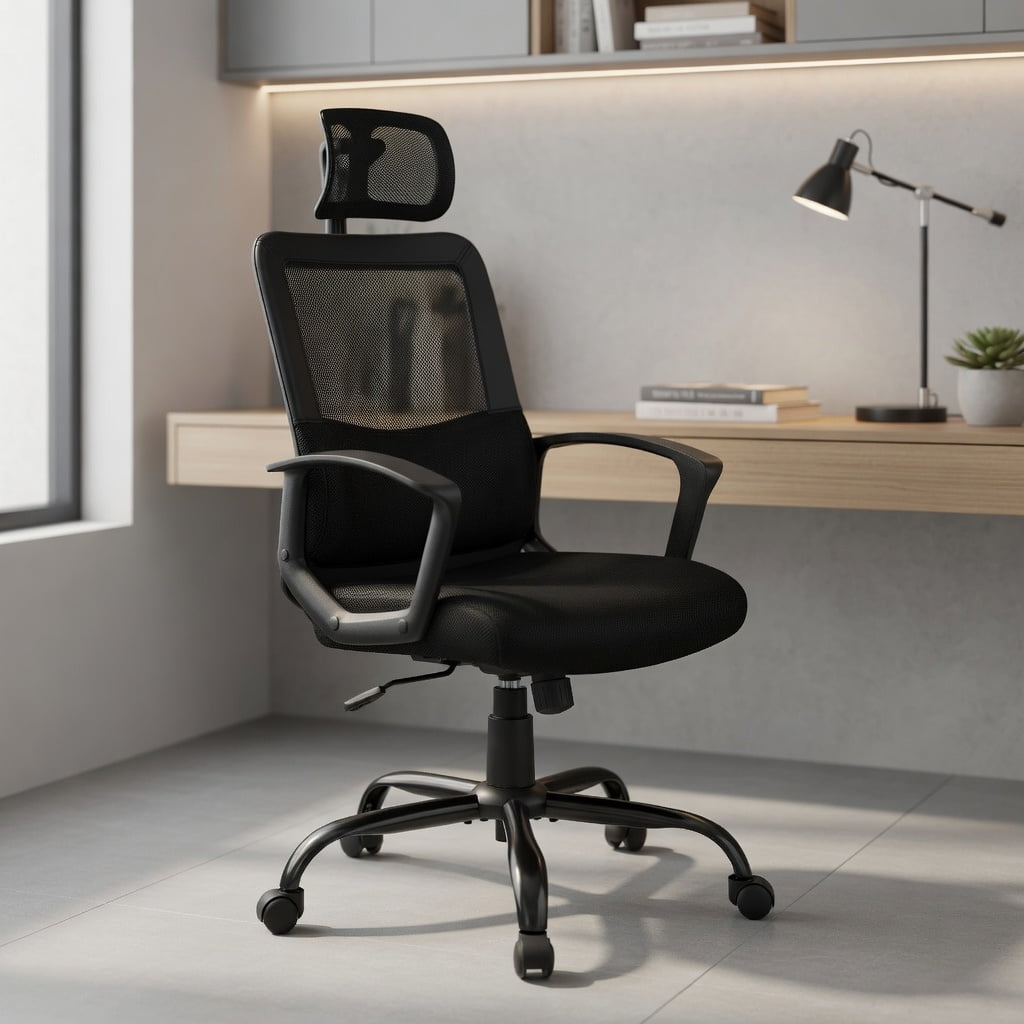
- For Hot Climates or High-Sweat Users: A breathable mesh back and seat are non-negotiable. Mesh chairs like the popular "Herman Miller Aeron" style alternatives offer unparalleled airflow, keeping you cool and dry.
Ergonomic vs. Standard Office Chair: The Health Difference
While a standard office chair might look professional, it often lacks the biomechanical support needed for prolonged sitting. The table below highlights why investing in ergonomics pays dividends for your well-being:
| Feature | Standard Chair | Ergonomic Chair |
|---|---|---|
| Lumbar Support | Fixed or minimal padding | Adjustable height/depth, often dynamic |
| Seat Pan | Fixed depth, flat edge | Adjustable depth with waterfall front |
| Armrests | Fixed height only | 4D adjustable (height, width, pivot, depth) |
| Recline Mechanism | Basic tilt lock | Synchronous or asynchronous tilt with tension control |
| Material | Bonded leather or basic fabric | Breathable mesh, high-density foam, or premium leather |
| Weight Capacity | Typically 250 lbs | Often 300-500 lbs with reinforced base |
Material Selection Guide for Ergonomic Chairs
Your chair's material affects not just its look but also its breathability, maintenance, and longevity. Here’s a quick comparison to help you decide:
🌬️ Premium Mesh
Best for: Hot climates, long work hours, and those who prioritize airflow. High-quality mesh is durable, maintains shape, and provides consistent support without sagging. It's also hypoallergenic and easy to wipe clean.
🪑 High-Density Fabric
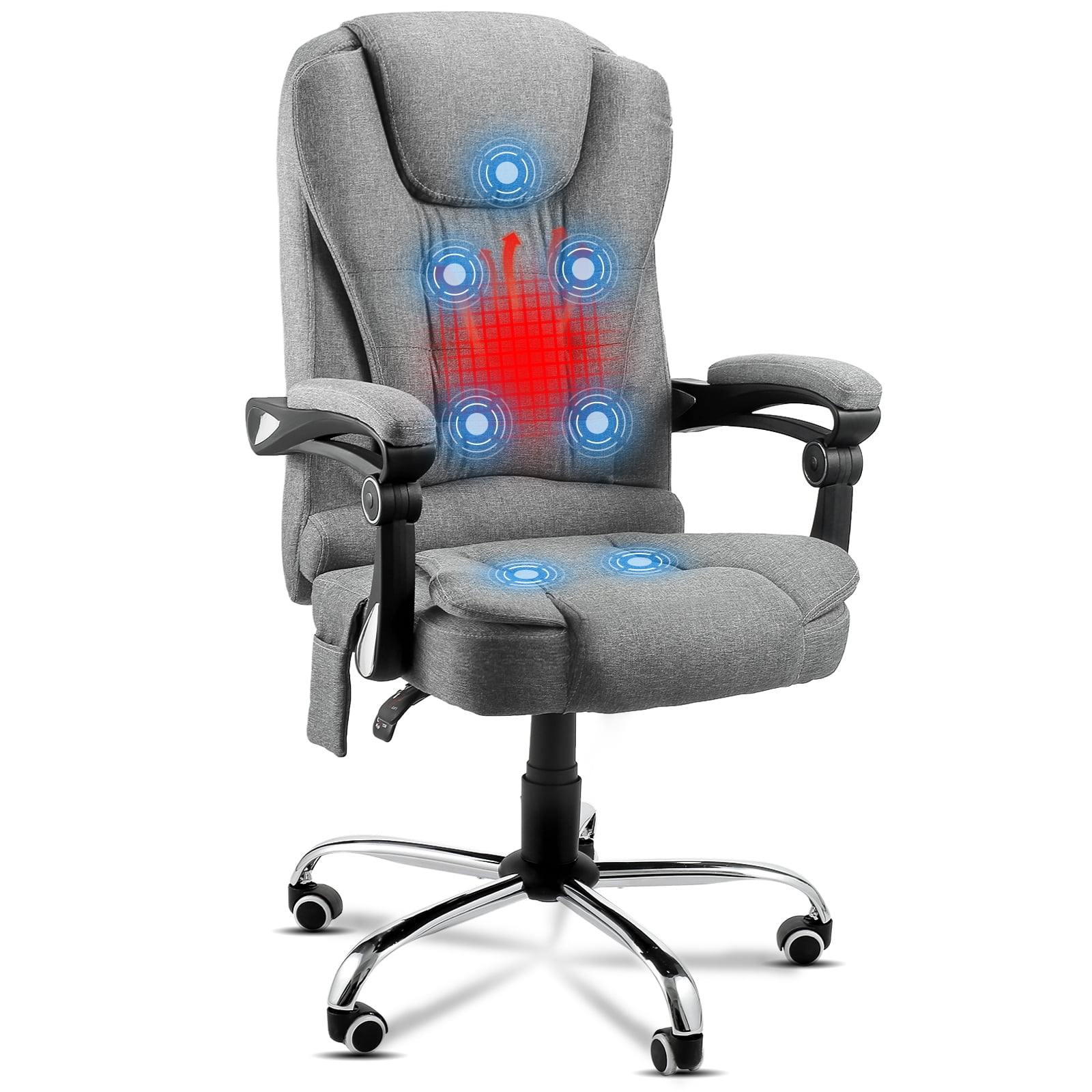
Best for: Budget-conscious users seeking plush comfort. Modern performance fabrics are stain-resistant and breathable. They offer a softer feel than mesh and come in a variety of colors to match office decor.
🧵 Premium Leather (Top-Grain)
Best for: Executive offices and traditional aesthetics. Leather offers unmatched durability (often 15+ years) and a luxurious feel. However, it requires conditioning and can be less breathable. It's ideal if you prefer a classic, sophisticated look.