
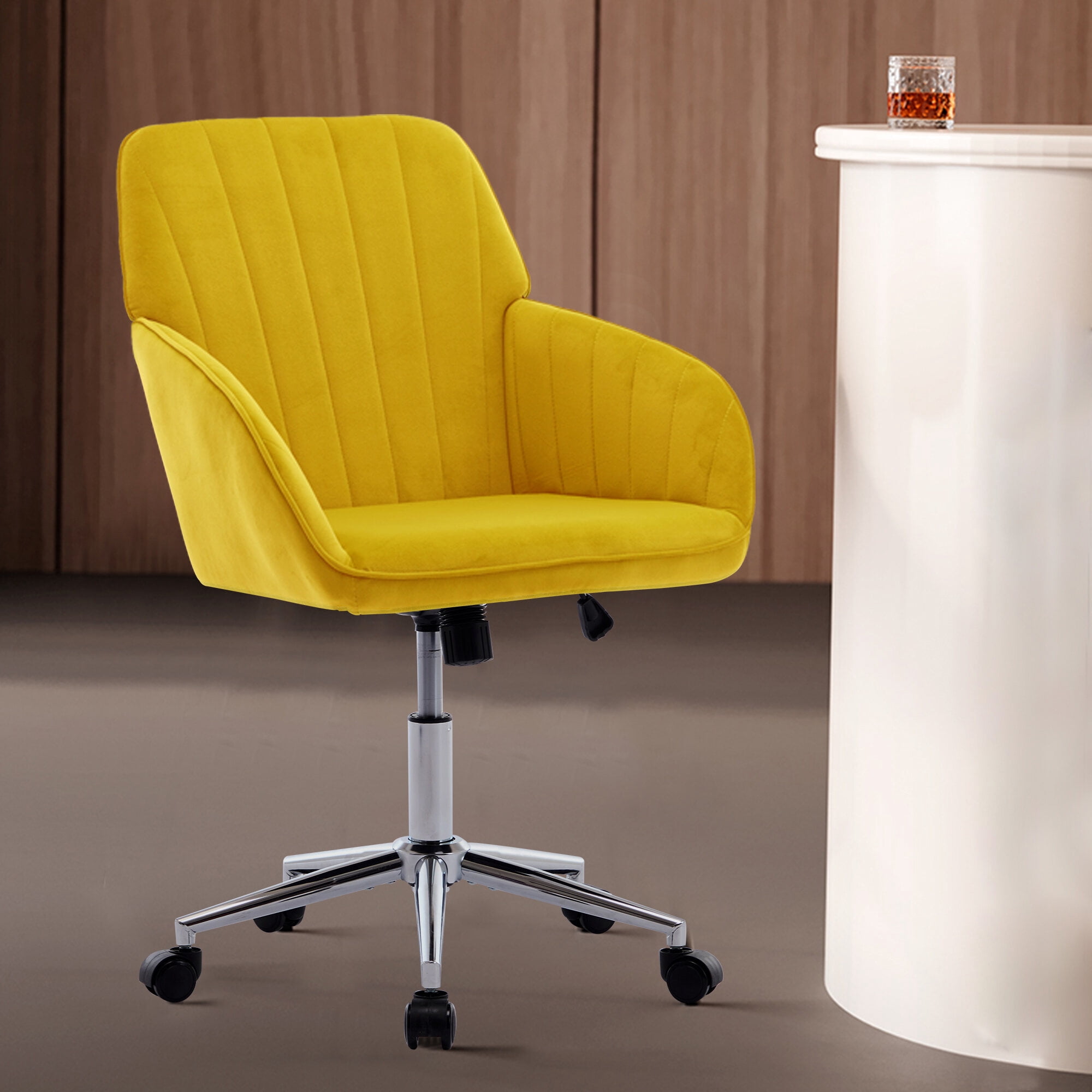
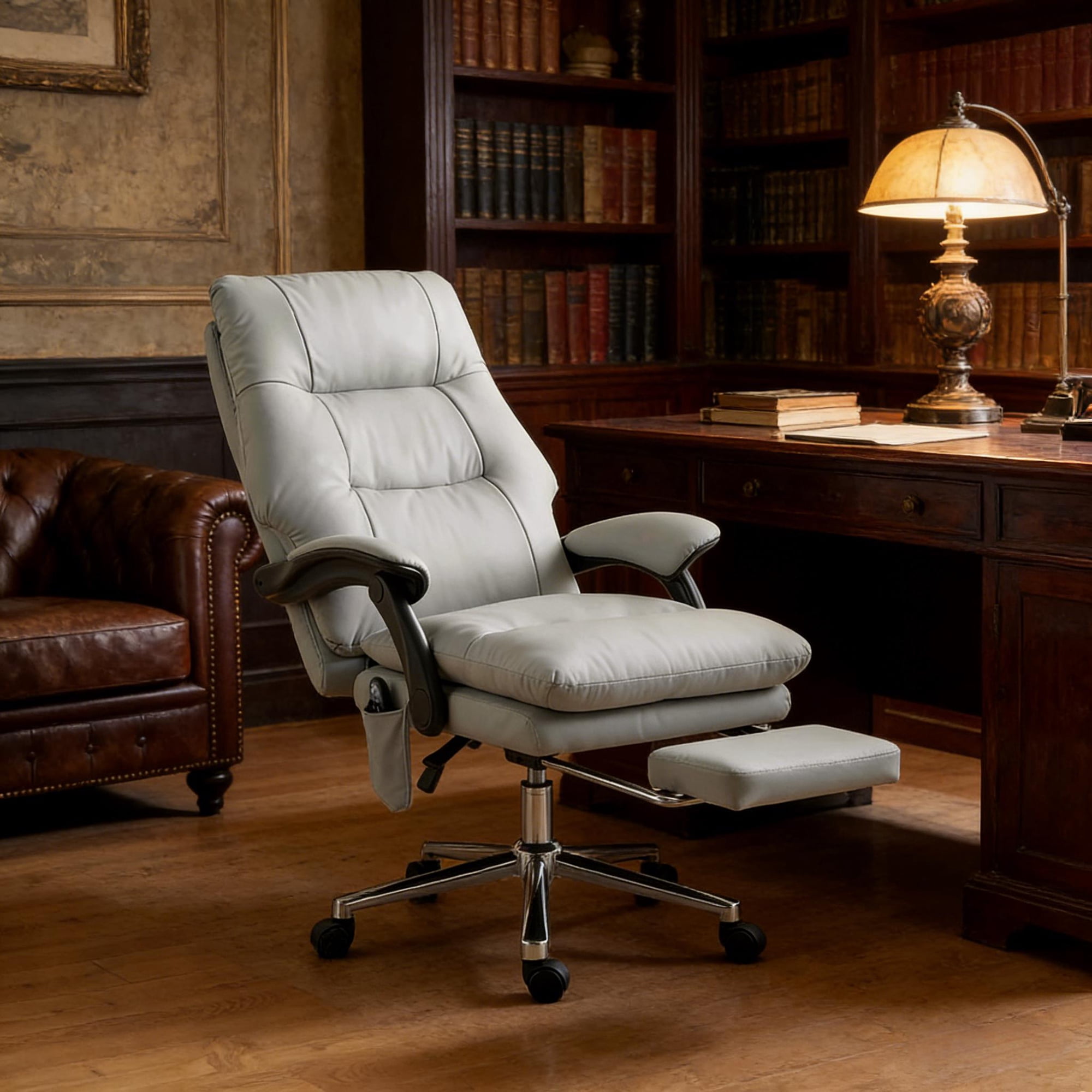
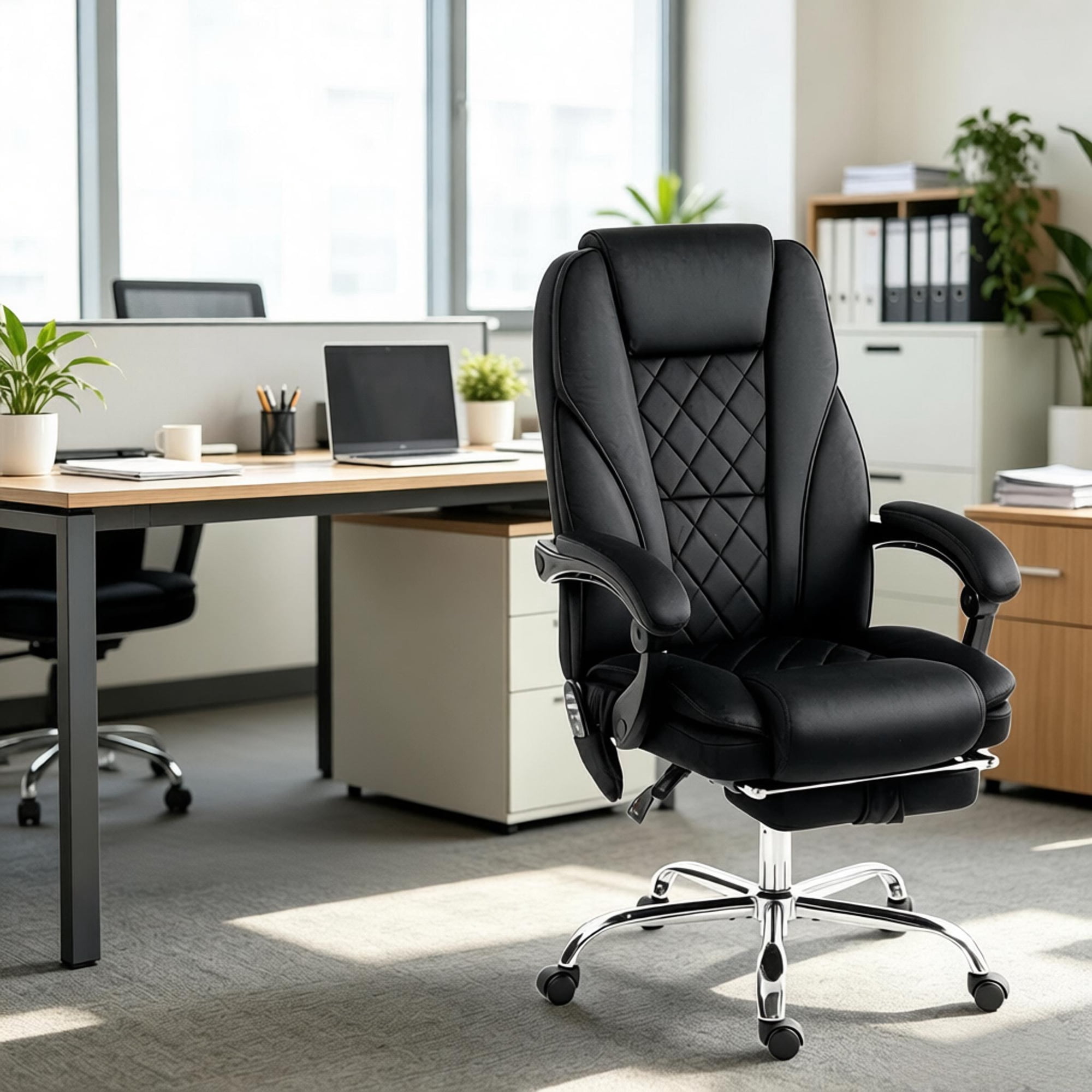
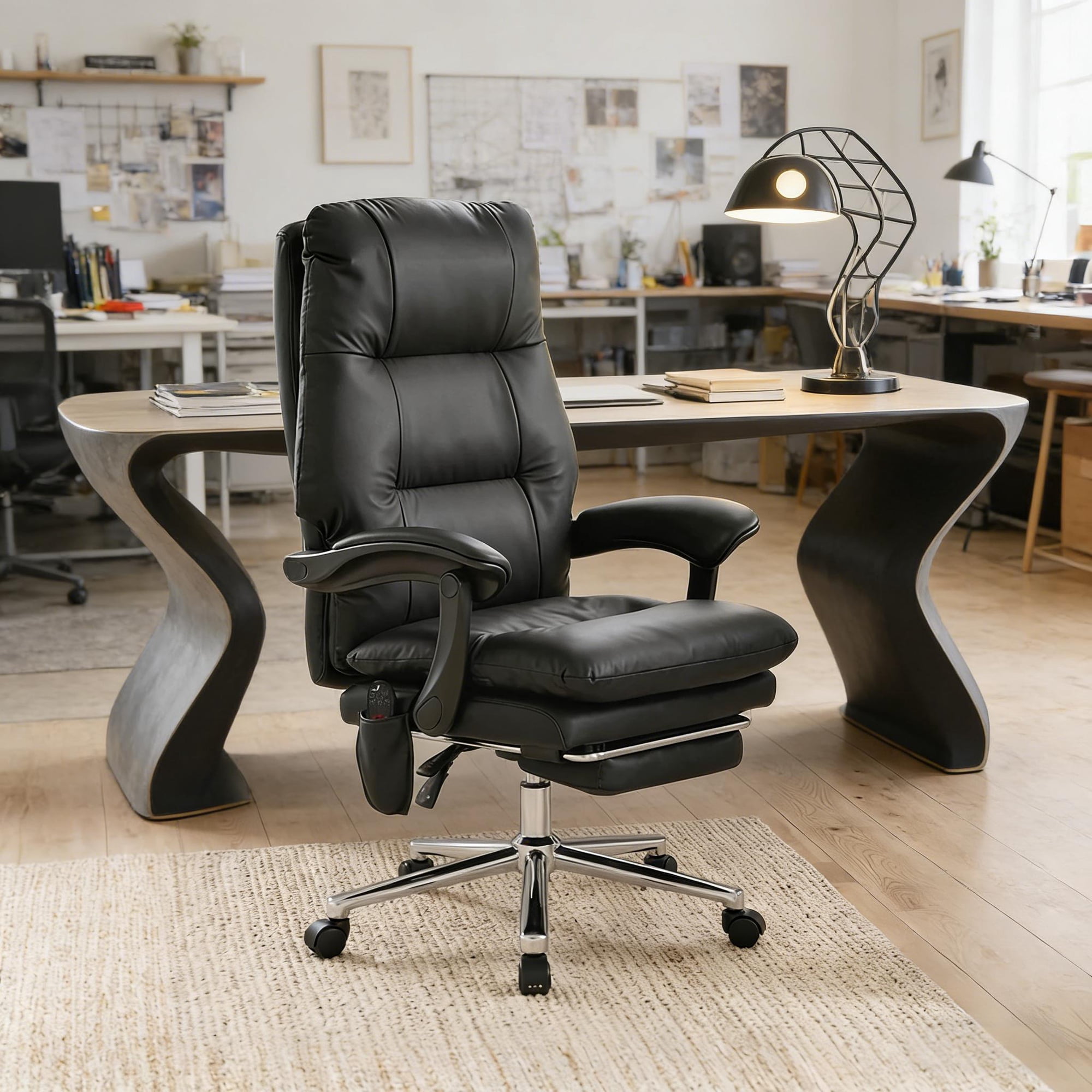
The traditional office chair, with its high back, armrests, and five-star base, has been the undisputed king of the workplace for decades. But for a growing number of professionals, this "throne" has started to feel more like a trap. Hours of static sitting can lead to a cascade of health issues: a weakened core, tight hips, lower back pain, and the dreaded afternoon energy slump.
Enter the world of alternative office chairs. This isn't about a slightly different mesh back or a new lever for lumbar support. This is a fundamental rethinking of what it means to be seated at work. From the forward-tilt of a kneeling chair to the constant, subtle balance required on a wobble stool, these innovative designs challenge the status quo. They are built on the principle of active sitting, where your body remains gently engaged, promoting better circulation, stronger postural muscles, and a more alert mind. If you're ready to break free from the traditional and invest in your long-term well-being, this guide will walk you through the best alternatives on the market.
1. The Philosophy of Active Sitting: Why Go Alternative?
Think of your body not as a static object placed in a chair, but as a dynamic system that craves movement. The human body is designed for motion, not for being locked in a 90-degree angle for eight hours straight. This is the core problem that alternative chairs aim to solve.
- The Static Sitting Trap: When you sit in a conventional chair, your core muscles can relax completely. Your spine sinks into the backrest, and your hip flexors shorten. Over time, this leads to muscle atrophy in the core and tightness in the front of the hips, a major contributor to lower back pain.
- Active Sitting Defined: An alternative chair introduces an element of instability—a tilt, a balance point, or a position change. Your body makes constant, subtle adjustments to maintain your center of gravity. It's like the difference between standing still on solid ground and standing on a gently swaying boat. These micro-movements keep blood flowing, muscles lightly engaged, and your spine naturally aligned.
- Beyond the "One-Size-Fits-All" Approach: Traditional chairs try to conform to you. Many alternative chairs, like kneeling or saddle options, ask you to conform to a more natural, open posture. This can be a revelation for people who have tried every lumbar support gadget without success.
2. The Main Types of Alternative Office Chairs
The world of alternative seating is diverse. Here’s a breakdown of the most popular categories to help you navigate your options.
A. Kneeling Chairs (The Posture Perfecter)
How they work: A kneeling chair consists of a forward-sloping seat pad and a second pad for your shins. This position shifts your weight forward, causing your pelvis to tilt and your spine to naturally curve into its correct "S" shape. It virtually eliminates the urge to slouch.
- Best For: Individuals with lower back pain caused by slouching. It’s also great for tasks requiring an upright, engaged posture, like writing or brainstorming.
- Considerations: There is a learning curve. Your shins may feel pressure at first, and your legs will bear some of your weight. Most users recommend using it for 1-2 hours at a time initially.
B. Saddle Chairs (The Hip Opener)
How they work: As the name suggests, these chairs mimic the position of sitting on a horse. Your legs are angled downwards at about 45 degrees, which opens your hip angle to over 90 degrees. This naturally maintains the lumbar curve and allows for excellent upper body mobility.
- Best For: Professionals who need to lean forward frequently, such as dentists, surgeons, artists, and engineers at drafting tables. The open hip angle is also excellent for people with tight hips.
- Considerations: They can feel unusual at first and often work best with a slightly higher desk or work surface. You need a good range of motion in your hips to be comfortable.
C. Exercise Ball Chairs (The Core Activator)
How they work: This is simply a large stability ball placed in a frame with wheels, or the ball itself used on a mat. The instability forces your core, back, and leg muscles to constantly engage to keep you upright.
- Best For: People looking to strengthen their core passively throughout the day. It’s fantastic for short bursts of focused activity where you need to be alert.
- Considerations: It offers zero back support. For extended typing sessions, many find it tiring. It's best used in rotation with a more supportive chair. Ensure you get the correct ball size for your height.
D. Wobble Stools / Active Sitting Stools (The Balancer)
How they work: These stools feature a base that is curved or has a central pivot point, creating a gentle, 360-degree wobble. They allow you to rock, tilt, and shift your weight effortlessly while maintaining contact with the floor.
- Best For: Dynamic environments, standing-height desks, or collaborative spaces. They encourage fidgeting and movement in a safe, controlled way.
- Considerations: Like the ball, they lack back support. They are excellent for promoting blood flow and reducing fatigue from standing, but may not be ideal for prolonged, static desk work.
3. Quick Comparison: Which Alternative Suits You?
| Chair Type | Primary Benefit | Core Engagement | Back Support | Best Work Style |
|---|---|---|---|---|
| Kneeling Chair | Spinal Alignment | Moderate | None (self-aligning) | Upright, focused tasks |
| Saddle Chair | Open Hip Angle | Moderate | Minimal (backrest optional) | Leaning forward tasks |
| Exercise Ball | Core Strength | High | None | Short, active intervals |
| Wobble Stool | Constant Movement | Low-Moderate | None | Standing-desk support, collaboration |
4. How to Choose and Transition to an Alternative Chair
Making the switch requires a strategy, not just a purchase. Here’s a step-by-step guide to ensure success.
- Identify Your Pain Point: Are you a chronic sloucher? A kneeling chair might be your answer. Do your hips feel tight and locked? A saddle chair could be the key. Do you simply feel lethargic after lunch? An active stool or ball might give you the boost you need.
- The "Goldilocks" Principle: Start slowly. Use your new alternative chair for just one hour on your first day. Pay attention to pressure points. If you feel discomfort in your knees or shins on a kneeling chair, adjust your position or add a small cushion. Your body is learning a new way to sit.
- Embrace the Rotation: The secret to success for most users is a hybrid approach. Have your primary ergonomic task chair and your alternative chair side-by-side. Switch between them throughout the day. Use the alternative chair when you feel yourself slumping or when you need a burst of energy for a creative task.
- Listen to Your Body: This is the most important rule. If a position causes sharp pain, stop. Aching muscles as they adapt is normal; joint pain is not. Give yourself time to adjust, and don't be afraid to switch back to a traditional chair when you need maximum stability.
5. Combining Alternatives with Your Existing Setup
An alternative chair doesn't have to be a solo act. It can work in concert with other tools to create the ultimate ergonomic workspace.
- Standing Desk Synergy: A wobble stool is the perfect companion for a standing desk. It allows you to take the weight off your feet while still maintaining an active, upright posture. You can stand, then perch on the stool, then sit in a traditional chair—creating a cycle of movement.
- Footrests for Active Chairs: When using a saddle or kneeling chair, a footrest isn't usually needed. However, if you use a wobble stool and your feet don't quite reach the floor comfortably, a footrest can provide stability.
- Ergonomic Accessories: Don't forget the basics. A high-quality monitor arm to get your screen to eye level is even more critical when your seated height and posture are constantly changing on an active chair.
Frequently Asked Questions About Alternative Office Chairs
Conclusion: Redefine Your Relationship with Your Chair
Choosing an alternative office chair is more than just a furniture upgrade; it's a commitment to a more active and health-conscious work style. Whether you're drawn to the spinal alignment of a kneeling chair, the hip-opening freedom of a saddle, or the core-burning engagement of a balance ball, you're taking a step toward breaking the harmful cycle of static sitting. Remember, the goal isn't to find a single "perfect" chair, but to build a dynamic workspace that keeps you moving, comfortable, and focused all day long. Explore the options above, listen to your body, and discover how an alternative approach to sitting can transform your workday.