

The Pillars of a Good Office Chair: Beyond Just Comfort
Sitting for extended hours is inevitable for most professionals, but not all seating is created equal. A good office chair acts as your silent partner, supporting posture, circulation, and focus throughout demanding workdays. While style matters, true quality lies in engineering that adapts to the human body. Let's explore the core attributes that separate an average seat from an exceptional one.
Did you know? The average office worker spends nearly 5,000 hours per year seated. According to ergonomic studies, a well-designed chair can reduce musculoskeletal discomfort by 58% and boost perceived energy levels by 23%.
1. Ergonomic Adjustability: Your Chair Should Fit You, Not the Other Way Around
A static chair forces your body into a fixed position, often leading to slouching and fatigue. A truly good office chair offers a range of adjustments to match your unique proportions. Think of it like a tailored suit—it should mold to your frame, not the reverse.
📏 Seat Height
Look for pneumatic adjustment that allows your thighs to be parallel to the floor, with feet flat. Standard range: 16" to 21".
🛋️ Seat Depth
You should have 2-3 fingers of space between the back of your knees and the seat edge. This prevents circulation issues.
🦾 Armrest Adjustability
4D armrests (height, width, pivot, depth) allow your shoulders to relax and wrists to align with keyboards, reducing neck strain.
⛰️ Lumbar Support
Height and depth adjustable lumbar support preserves the natural S-curve of the spine—a non-negotiable for back health.
2. Material Science: Breathability Meets Durability
The materials of a chair dictate comfort over seasons and years. A good office chair uses fabrics or leathers that withstand daily use while regulating temperature.
- Premium Mesh: Ideal for warm environments or those who tend to run hot. It offers excellent airflow and dynamic support that moves with you. Mesh chairs are increasingly popular in tech-forward offices.
- Top-Grain Leather: Provides a classic, executive feel. It ages gracefully with proper care, becoming softer over time. Best for formal settings and cooler climates.
- High-Performance Fabric: Often blended with elastane for flexibility, these fabrics are stain-resistant and breathable. They offer a balance of comfort and professional appearance.
- High-Density Foam: The seat cushion's core. Look for foam that retains shape after hours of use. Cheap foam flattens within months, while quality foam lasts years.
3. Support Mechanisms That Work With Your Posture
Movement is essential during long work sessions. A quality chair encourages micro-movements that keep blood flowing and muscles engaged.
Recline Tension and Locking
Your chair should allow you to lean back smoothly with adjustable tension, then lock at preferred angles. A tilt mechanism that syncs with your body weight prevents the "stiff" feeling many budget chairs cause.
Waterfall Seat Edge
This curved front edge reduces pressure behind the knees, promoting circulation and preventing numbness—especially critical for those who sit for 8+ hours daily.
Key Signs of a Good Chair Mechanism
- • Smooth gas lift cylinder (no sudden drops)
- • Recline that feels balanced, not jerky
- • Seat slider for depth adjustment
- • Tilt lock with multiple positions
Red Flags to Avoid
- • Stiff, non-adjustable lumbar bump
- • Armrests that wobble or can't adjust
- • Base made of plastic instead of reinforced steel
- • Seat that tilts forward uncontrollably
4. Build Quality & Weight Capacity
A good office chair is an investment in durability. Check the base construction—metal bases offer superior stability compared to nylon. Additionally, pay attention to weight ratings. Even if you don't require high capacity, chairs rated for 300+ lbs typically use heavier-duty components that last longer.
Castors (wheels) also matter: soft rubber castors protect hardwood floors, while hard castors work better on carpet. High-end chairs often include dual-wheel castors for smoother rolling.
5. Aesthetics & Professional Presence
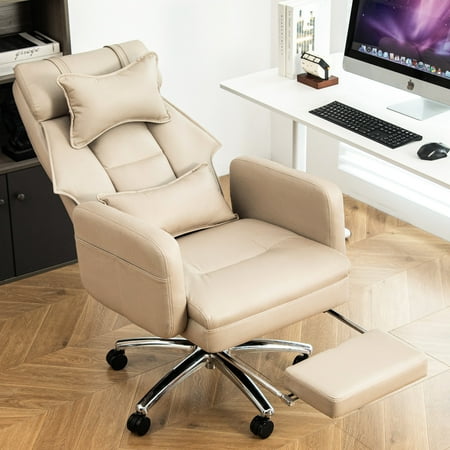
While ergonomics come first, the visual impact of your chair contributes to your workspace professionalism. A good office chair should complement your desk and environment—whether that's a minimalist modern mesh chair or a sophisticated leather executive model. The color, stitching, and silhouette all play into creating a cohesive, inspiring work area.
Long-Term Value Consideration: A premium office chair often includes a 10-15 year warranty on the frame and 5+ years on mechanisms. This warranty coverage is a reliable indicator of manufacturer confidence and long-term value.
How to Test a Good Office Chair Before Buying
If possible, test chairs in person or use detailed return policies. Follow this 5-minute assessment:
- Sit upright: Does your lower back feel supported without gap? Adjust lumbar.
- Lean back: Recline with ease; does the resistance match your body weight?
- Armrest test: Relax shoulders; armrests should support elbows at 90° without hunching.
- Seat depth check: Slide forward; you should maintain contact with backrest while knees clear seat edge.
- Movement: Swivel and roll across floor; castors should glide without resistance.
Final Takeaway: Invest in Your Foundation
A good office chair isn't just a place to sit—it's the foundation of your workday stamina. By prioritizing adjustability, durable materials, and ergonomic design, you're actively investing in your health and professional output. Remember, the perfect chair is one that disappears beneath you, allowing your mind to focus fully on what matters most.