
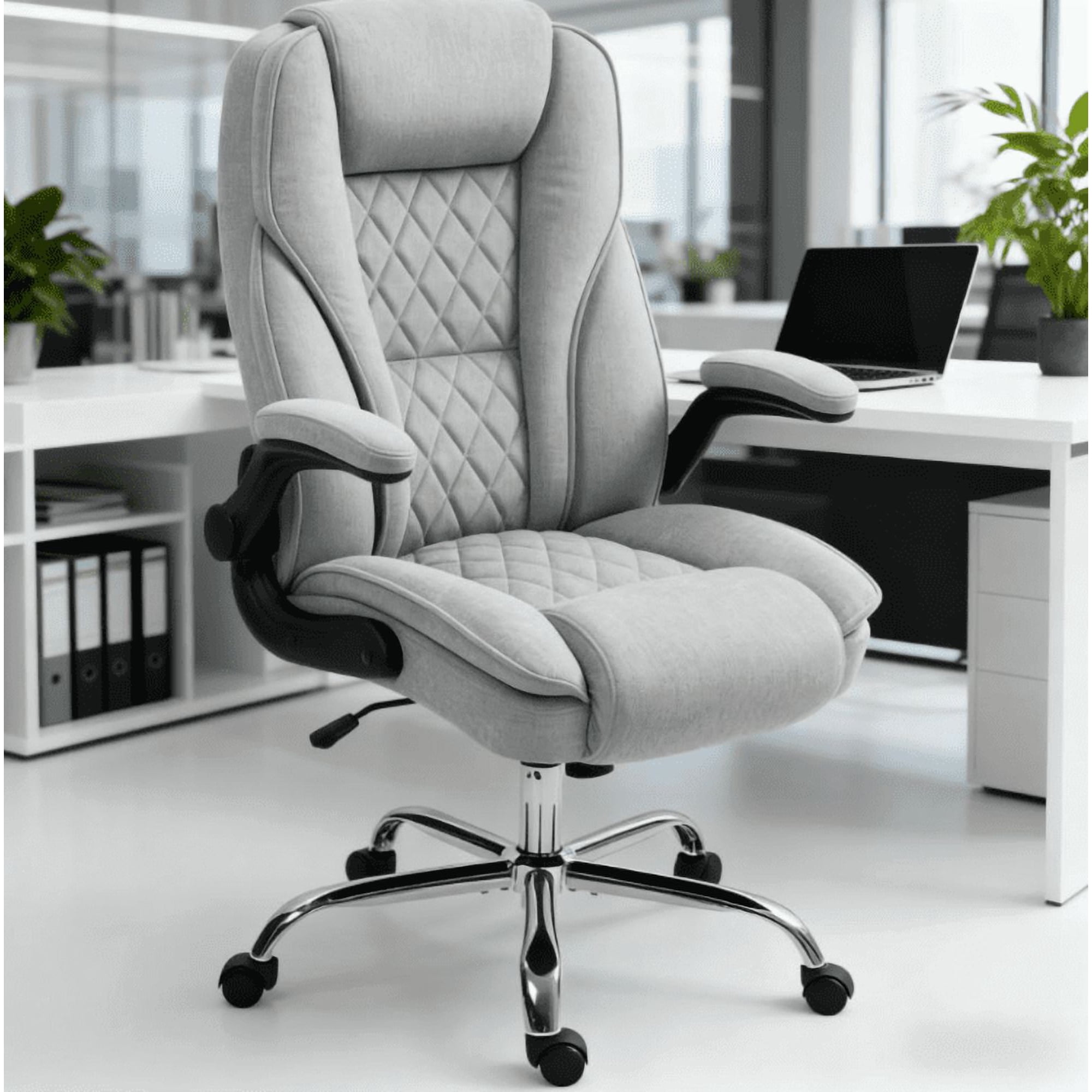

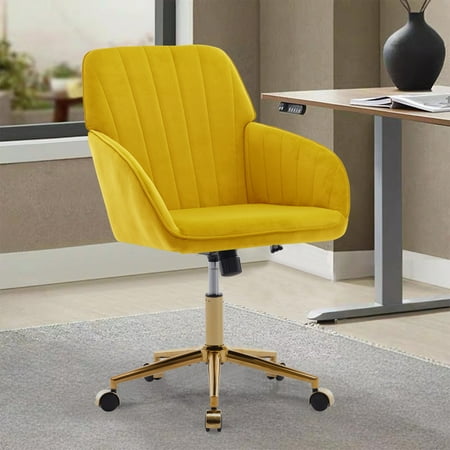
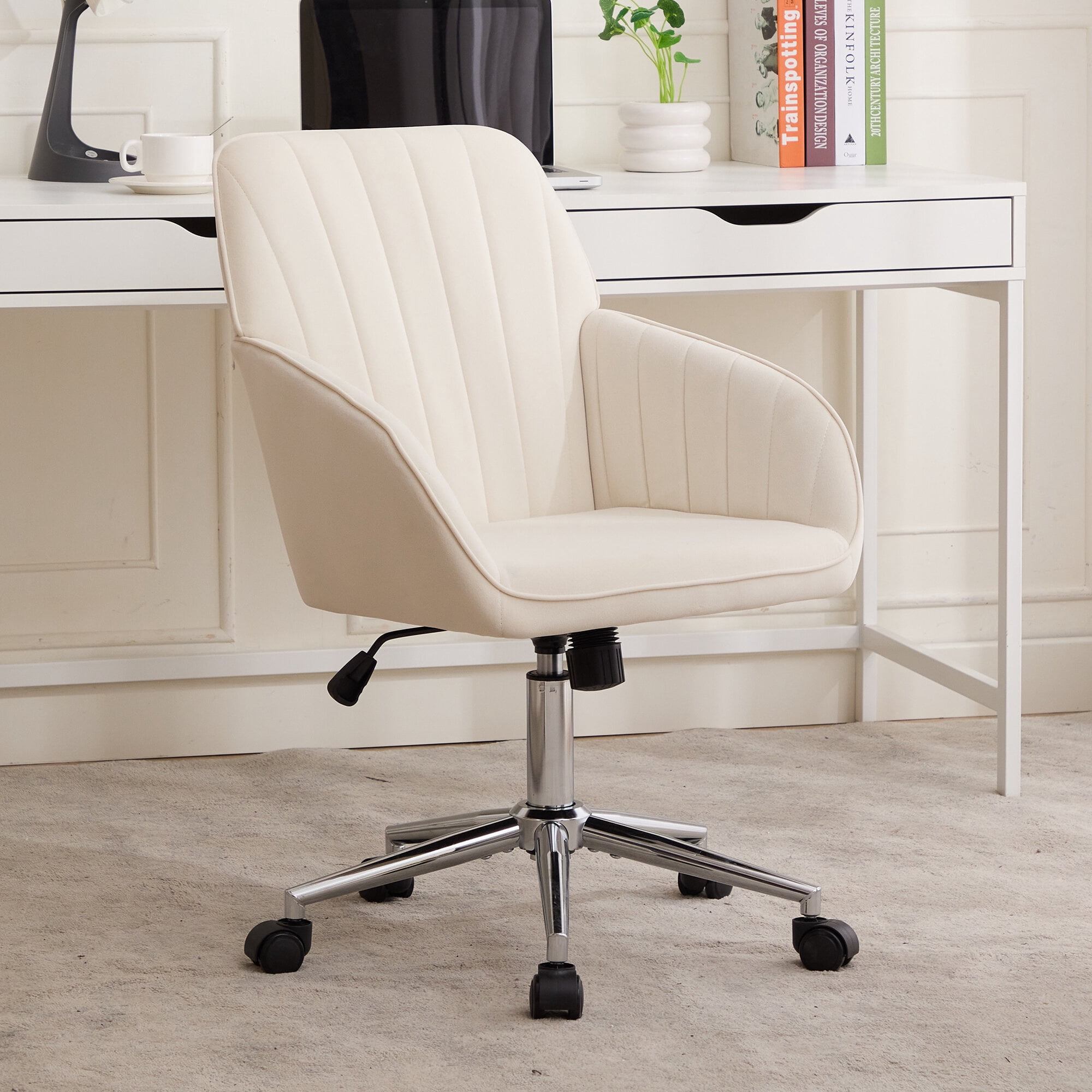
Why "Quality" and "Ergonomic" Are Inseparable for Your Office Chair
Imagine wearing shoes that are half a size too small all day. At first, it’s just a pinch. By mid-afternoon, it’s a distraction. By evening, it’s actual pain. That’s exactly what happens when you sit in a chair that isn’t truly ergonomic. A quality ergonomic office chair isn’t a luxury—it’s the foundation of your workday stamina. According to the Occupational Safety and Health Administration (OSHA), poor seating contributes to 34% of workplace injuries. But the right chair? It’s like a silent partner that supports every decision you make.
This guide moves beyond generic checklists. We’ll explore the engineering, materials, and subtle design choices that separate a good chair from a great one. Whether you’re a remote worker logging 10-hour days or a manager equipping a team, understanding these nuances will save you from discomfort—and wasted money.
The Anatomy of Quality: What Separates a $300 Chair from a $1,000 Chair?
You might see two black mesh chairs and wonder why one costs triple the other. The difference isn’t magic—it’s in the mechanics and materials. Here’s a breakdown of the components that define quality.
1. The Mechanism: Your Chair’s Central Nervous System
The mechanism (the part under the seat) controls how you move. Basic chairs use a tilt limiter only. High-quality chairs feature synchronous tilt technology, where the backrest and seat move together in a ratio (often 2:1 or 3:1). This keeps you supported whether you’re leaning in to type or reclining to think. Look for:
- Multi-position lock: Not just upright or fully reclined, but several stops in between.
- Tilt tension adjustment: A knob that lets you dial in the resistance based on your weight. Without this, you’re either fighting the chair or falling backward.
- Seat angle adjustment: A premium feature that tilts the front of the seat slightly down to keep your legs stable when reclining.
2. Lumbar Support: From Static to Dynamic
Basic chairs have a fixed bump. Quality chairs offer adjustable depth and height. Your spine’s lumbar curve isn’t one-size-fits-all. A 2023 study in the Journal of Ergonomics noted that chairs with independent lumbar depth adjustment reduced lower back pressure by 41% compared to fixed lumbar chairs. The best systems use air bladders or spring-loaded pads that move with you, rather than a hard plastic protrusion.
3. Material Integrity: The Difference in Durability
Mesh: Not all mesh is created equal. Quality chairs use a polymer elastomeric mesh (like Pellicle) that stretches evenly and doesn’t sag after a year. Cheap mesh loses tension and creates pressure points.
Foam: High-density, cold-cure foam retains its shape. Standard foam breaks down, leading to the dreaded “seat pan bottoming out.” Quality foam should feel firm but forgiving, not soft like a couch.
Frame & Base: Look for a frame of reinforced nylon or aluminum. A heavy-duty nylon base with a 350+ lb weight rating is a sign of genuine engineering. Casters should be dual-wheeled (often called “carpet casters”) for smooth rolling and floor protection.
Quick Material Quality Spectrum
| Component | Standard Quality | Premium Quality |
|---|---|---|
| Seat Foam | Polyurethane foam (compresses in 2-3 years) | High-resilience (HR) foam + memory foam topper |
| Back Mesh | Nylon weave (prone to bagging) | Breathable elastomeric (maintains tension) |
| Armrests | Fixed or height-only | 4D adjustable (height, width, depth, pivot) |
| Gas Lift | Class 2 or 3 (BIFMA tested basic) | Class 4 (highest durability, tested for 20,000+ cycles) |
The Longevity Checklist: How to Spot a Chair That Lasts 10 Years
- Check the warranty structure. A 10-year warranty on the frame and mechanism signals confidence. Parts like upholstery and casters may have shorter terms, but the core should be covered.
- Examine the armrest attachment. Armrests that bolt through the seat plate or attach to the back frame are more durable than those clipped into plastic housings.
- Spin the casters. Quality casters spin silently and freely. Cheap ones often have plastic wheels that feel gritty. Look for soft, polyurethane treads if you have hardwood floors.
- Sit and shift your weight. Does the base feel rock-solid? Any wobble in a new chair is a red flag for premature wear.
A helpful analogy: buying a quality ergonomic chair is like buying a good mattress. You don’t notice it when it’s working perfectly, but you feel it immediately when it’s not. Your body repairs itself during sleep, and your chair should support that same restorative effect while you work.
Tailoring the Chair to You: The "Goldilocks" Adjustments
You’ve bought a high-quality chair. Now, it must be tuned. Most people sit in a new chair and accept the default settings. Here’s a 3-step calibration routine for your quality ergonomic office chair:
Spending 10 minutes on these adjustments can prevent 80% of common sitting discomforts, according to physical therapists. Your chair is a tool—learn to use its features.
Frequently Asked Questions About Quality Ergonomic Office Chairs
Conclusion: Your Chair, Your Health, Your Productivity
A quality ergonomic office chair is one of the few purchases that directly impacts your physical well-being and professional output simultaneously. It’s easy to overlook the seat beneath you, but after 2,000 hours of sitting in a year, the cumulative effect is undeniable. We’ve moved beyond the era of “any chair will do.” Today, the science of seating offers solutions that prevent pain, enhance circulation, and keep you mentally sharp. Use the checklist above, test adjustments, and choose a chair that feels like it was made for you—because, with the right features, it will be. Your back will thank you years from now.