
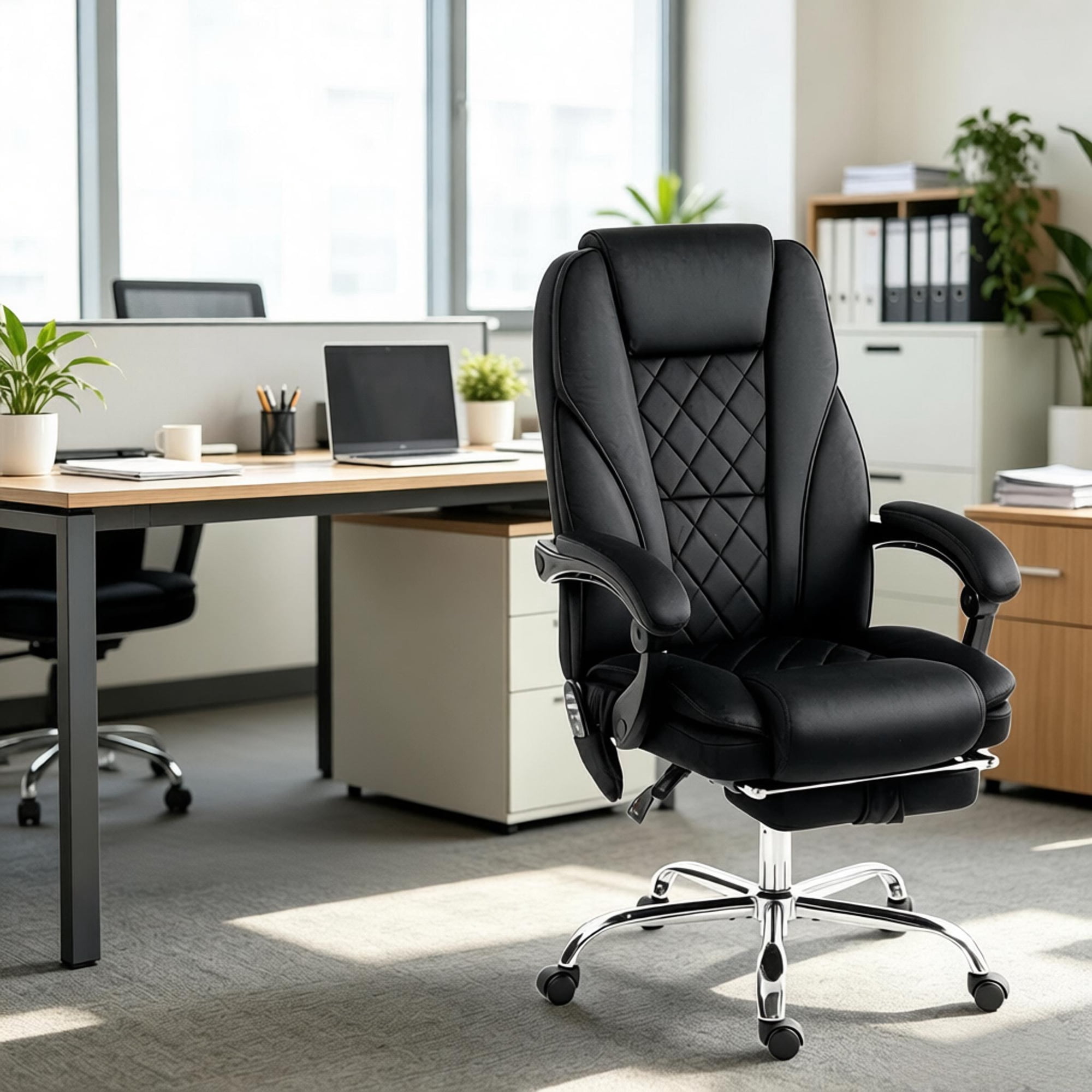
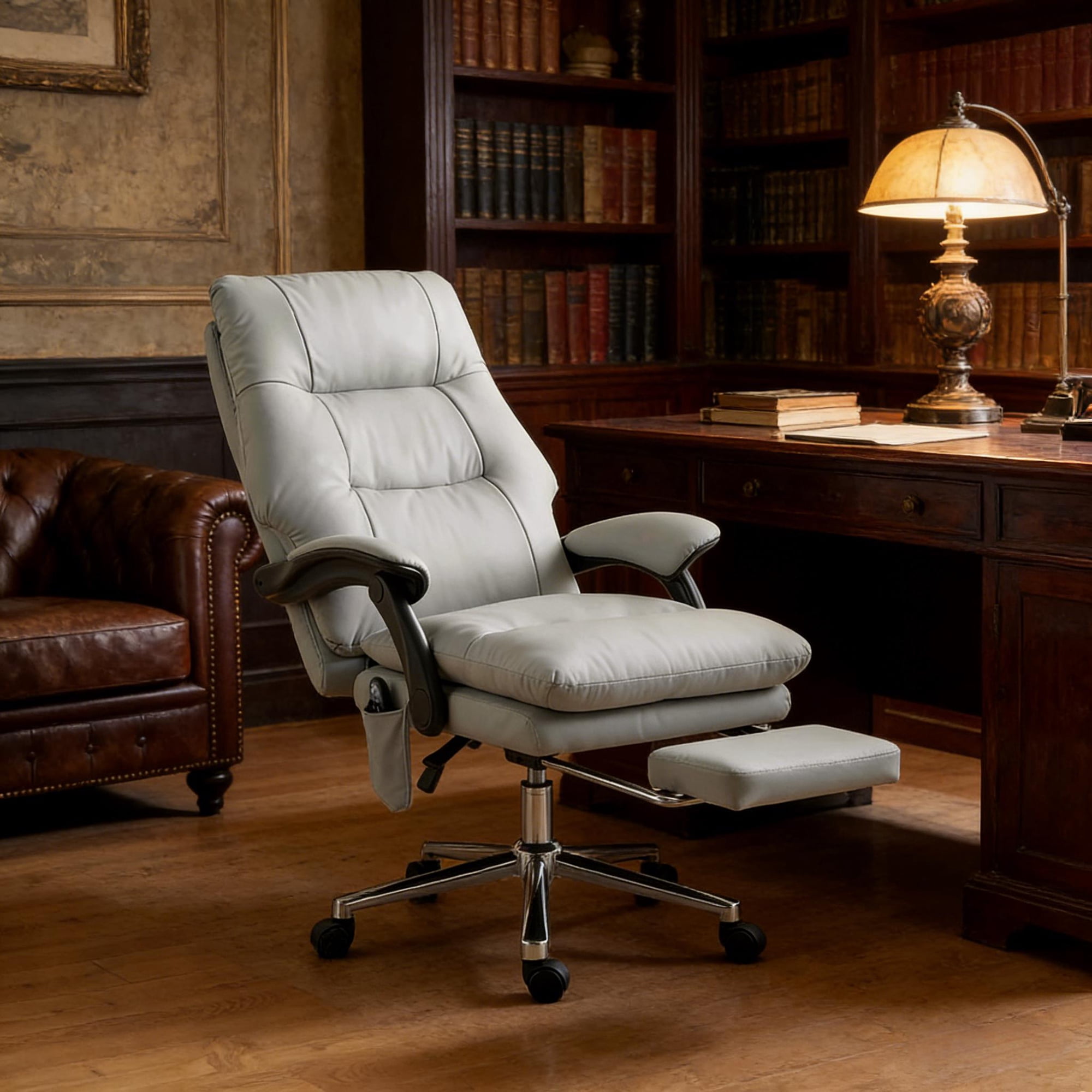
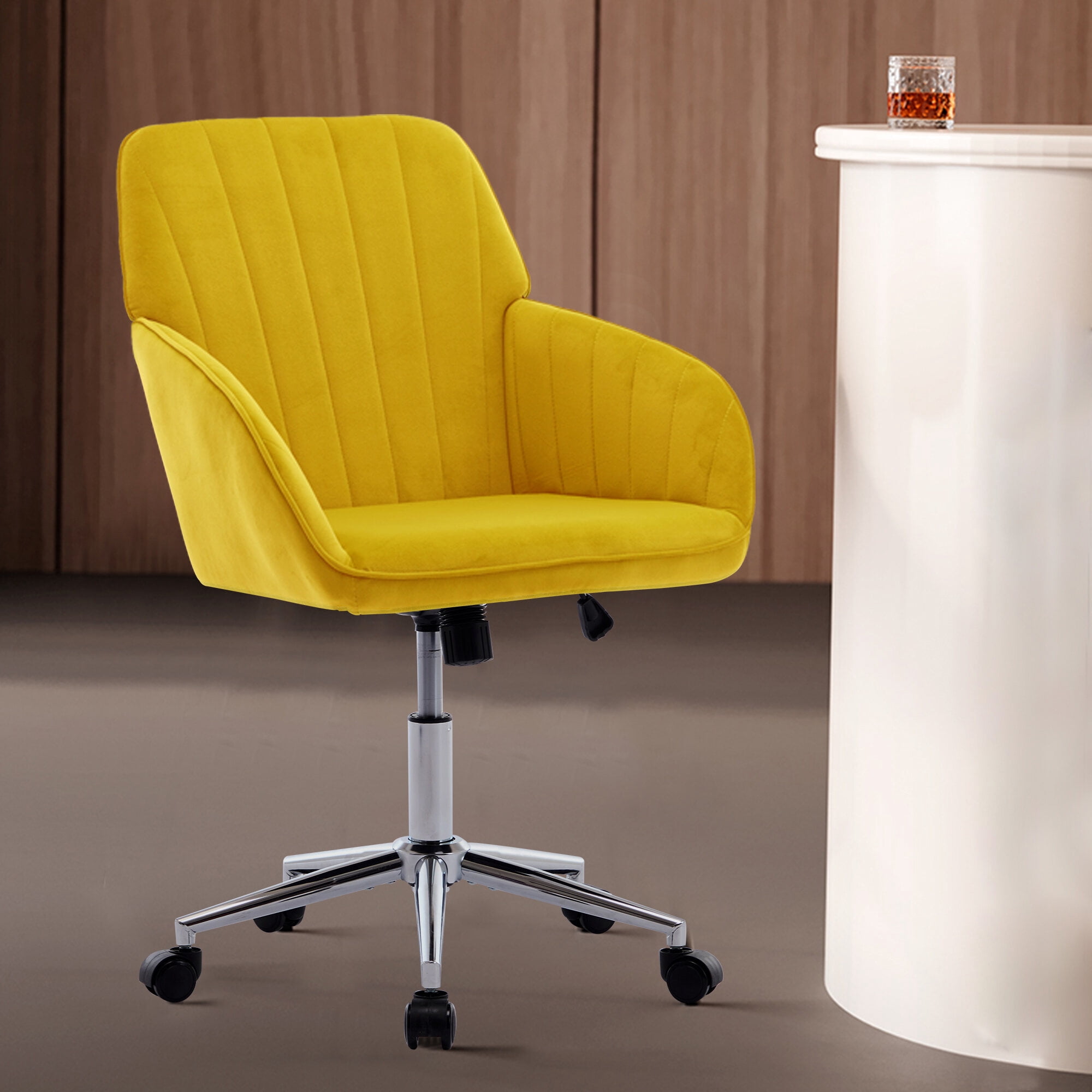
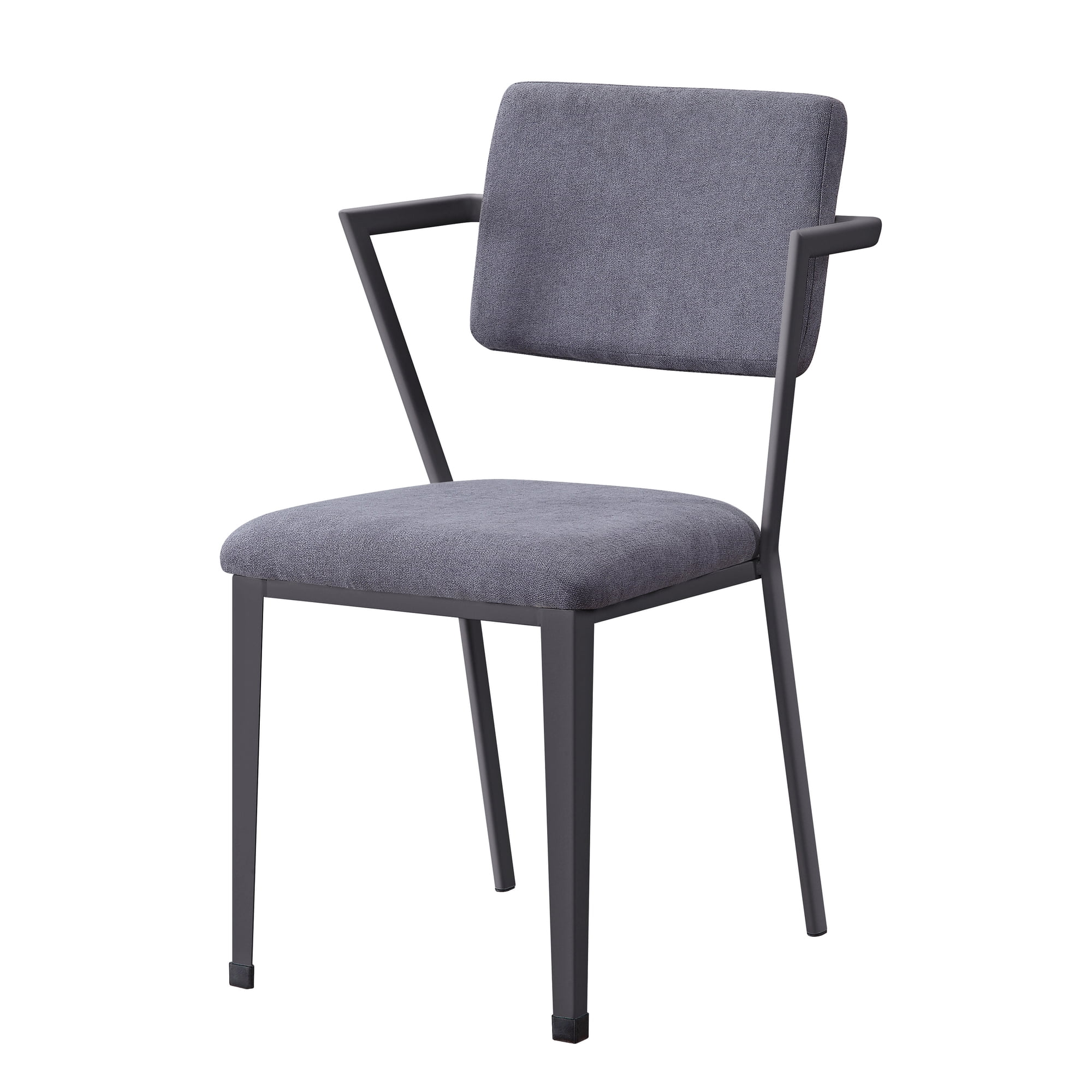
Why "Healthy" Matters in an Office Chair
We spend roughly one-third of our adult lives sitting. For office workers, that number can skyrocket. If your chair is just a place to park, it might be silently working against you—contributing to back pain, stiff shoulders, and poor circulation. A healthy office chair is the antidote. It’s designed not just to hold you, but to support you in a way that mimics the body’s natural need for movement and alignment. Think of it as the foundation of a productive and pain-free workday.
1. Decoding the "Healthy" Chair: Core Principles
Before diving into features, it helps to understand the philosophy. A healthy chair works on three biomechanical principles:
- Neutral Posture: Your spine retains its natural 'S' curve. Ears, shoulders, and hips are aligned. This minimizes stress on ligaments and discs.
- Dynamic Support: The chair moves with you. Static sitting starves spinal discs of nutrients. Healthy chairs use mechanisms like synchronized tilt or a flexible backrest to encourage micro-movements.
- Pressure Distribution: Your weight is spread evenly across a contoured seat, reducing pressure points on the thighs and hips, which maintains healthy blood flow.
2. The Anatomy of a Healthy Office Chair (What to Look For)
A chair’s health benefits lie in its adjustability. One size fits no one. Here’s a breakdown of the critical components, moving from the floor up.
2.1. Seat Pan: The Foundation
The seat pan depth and width are paramount. A pan that’s too long will press against the back of your knees (the popliteal fossa), cutting off circulation. A pan that’s too short won’t support your thighs, leading to fatigue.
- Healthy Feature: Look for a sliding seat pan (seat depth adjustment). You should be able to fit 2-3 fingers between the edge of the seat and the back of your knee.
- Material: High-density foam that doesn't bottom out, or a tension-tuned mesh that provides a 'hammock-like' support without sagging.
- Waterfall Edge: A gently sloping front edge reduces pressure on the thighs. This is non-negotiable for a healthy chair.
2.2. Backrest & Lumbar Support: The Core of Posture
This is where most chairs live or die. The lower back (lumbar region) naturally curves inward. A healthy chair fills this void.
- Adjustable Lumbar: Not just a fixed bump. You need height and depth adjustment. The support must hit the exact curve of YOUR spine. Some high-end chairs use an air bladder system for customized firmness.
- Backrest Height: A mid-back chair supports the upper back and shoulder blades. A high-back chair adds head and neck support. Choose based on your need for neck rest.
- Synchro-Tilt Mechanism: This allows the backrest to recline at a faster rate than the seat tilts up. It keeps you supported and your vision level with the monitor even as you lean back, encouraging movement without straining your neck.
2.3. Armrests: The Shoulder Savers
Armrests should take the weight of your arms, allowing your shoulders to relax. Fixed armrests are often worse than none.
- 4D Adjustability: The gold standard. This means you can move them up/down, forward/back, left/right (width), and pivot angle. Your elbows should be at a 90-degree angle, with forearms parallel to the floor, resting lightly on the armrests.
3. Material Matters: Mesh vs. Foam for Health
The debate between mesh and foam often comes down to temperature and feel, but both have health implications.
✓ High-Quality Mesh
- Breathability: Excellent air circulation prevents sweat and discomfort during long hours.
- Conforming Support: Modern mesh is elastic and tensions to the body's shape, providing even pressure distribution.
- Best for: Warm climates, people who run hot, and those who prefer a responsive, 'floating' feel.
✓ High-Density Foam
- Pressure Relief: Softer initial feel can be great for bony sits bones. Look for 'cold-cured' foam that retains its shape.
- Insulation: Can feel warmer. Ensure the foam is wrapped in a breathable fabric like wool or high-performance textile.
- Best for: Cooler environments, those who prefer a 'sinking in' comfort, and when combined with ergonomic contours.
4. The "Healthy Sitting" Checklist: A Step-by-Step Guide
Once you have your chair, setting it up correctly is just as important. Use this checklist to dial in your fit:
- Seat Height: Adjust so your feet are flat on the floor, knees at a 90-degree angle (or slightly less). Thighs should be parallel to the ground.
- Seat Depth: Slide forward until your calves touch the chair. You should have a 2-3 finger gap behind your knee. Adjust the seat pan forward until it supports your thighs without pressing on your knees.
- Lumbar Support: While sitting upright, adjust the lumbar pad's height so it fits snugly into the small of your back. Then adjust the depth so it provides gentle, firm pressure—not a poke.
- Backrest Angle & Tension: Set the recline tension so you can lean back comfortably without forcing it. Use the tilt lock if you prefer one position, but consider keeping it unlocked to encourage movement.
- Armrests: Raise them so your elbows rest comfortably at 90 degrees. Slide them inward so your forearms rest lightly, not forcing your elbows out.
- Headrest (if applicable): Adjust so the curve supports the base of your skull, not the middle of your head, especially when reclining slightly.
This process takes 5 minutes but can transform your comfort for years.
5. Active Sitting: Beyond the Static Chair
The healthiest chair is one you don't sit in all day. The concept of active sitting encourages your body to make constant, small adjustments. This engages core muscles, improves circulation, and keeps the spine lubricated.
- How a healthy chair enables this: A chair with a flexible backrest (like those with a 'split back' design) or a seat with a slight 'forward tilt' function allows your hips to open, promoting a more engaged posture.
- Complementary tools: Some people pair their chair with a wobble stool or a balance disc for short periods to further engage core muscles.
Expert Insight: “The best posture is your next posture,” says ergonomist Dr. Alan Hedge. A healthy chair facilitates, not restricts, these shifts in position. Look for a chair that moves fluidly with you.
6. Long-Term Value: Why Investing in Health Pays Off
A truly healthy office chair is an investment. While a $200 chair might seem like a bargain, it often lacks the durable mechanisms and quality materials that protect your body. A high-quality ergonomic chair from a reputable manufacturer will last 10-15 years. The cost, amortized over a decade, is pennies a day—a small price for a healthier spine and increased daily energy.
Consider this: the average cost of a single physiotherapy session for back pain can be $100. One or two sessions a year easily surpasses the cost difference between a mediocre chair and a great one. You're not just buying a chair; you're buying preventative health.
Frequently Asked Questions About Healthy Office Chairs
Conclusion: Your Path to a Healthier Workday
Choosing a healthy office chair is one of the most impactful decisions you can make for your professional and personal well-being. It’s not about chasing a trend, but about respecting the incredible machine that is your body. By prioritizing adjustability, support, and quality materials, you create a workspace that works for you, not against you. Start with the checklist, understand your needs, and invest in a chair that will support your best work for years to come.