
Why a standard office chair won’t work — and what you really need
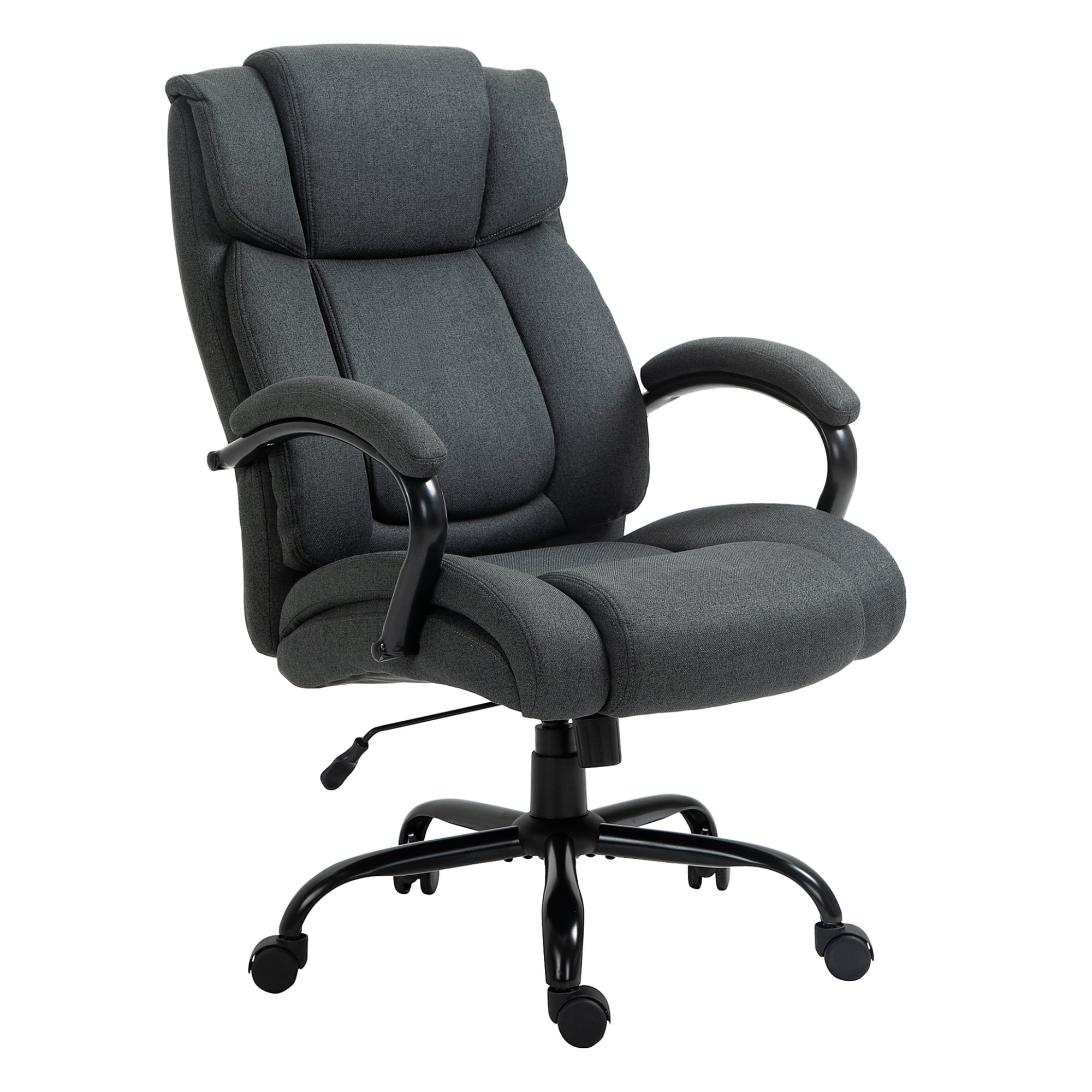
Imagine trying to fit into a suit that’s two sizes too small: it restricts movement, causes discomfort, and eventually tears. That’s what a regular 18-inch office chair feels like for a person who needs extra width and higher weight tolerance. A wide office chair for heavy person isn’t just about larger dimensions — it’s about reinforced frames, wider seat pans, heavy-duty gas lifts, and stability that gives you peace of mind.
According to the U.S. National Institute for Occupational Safety and Health (NIOSH), prolonged sitting in an ill-fitting chair increases the risk of musculoskeletal disorders, especially for individuals with a higher body mass. The right chair acts like a bridge: it distributes your weight evenly, supports natural posture, and holds up for years. In this guide, we’ll walk you through everything from weight ratings to seat width measurements, material durability, and specific product recommendations.
1. Anatomy of a true wide heavy-duty chair
Not every chair labeled “big and tall” is genuinely suitable. Let’s dissect the critical components that make a chair safe and comfortable for heavier, wider body types.
1.1 Seat width and depth: beyond the numbers
A wide office chair typically starts at 22 inches of seat width (measured between armrests or side edges). For comparison, standard chairs are 18–20 inches. But width alone isn’t enough. You also need adequate seat depth (usually 20–22 inches) so that the seat pan supports your thighs without cutting off circulation behind the knees. Look for chairs with adjustable seat depth (slide function) — a feature often overlooked in heavy-duty models.
- Minimum seat width: 22” for comfort; 24”+ for plus-size or bariatric users.
- Seat depth range: 20”–22” with waterfall edge to reduce pressure.
- Backrest height: At least 27” (high-back) to support shoulders and upper back.
1.2 Weight capacity: the safety margin rule
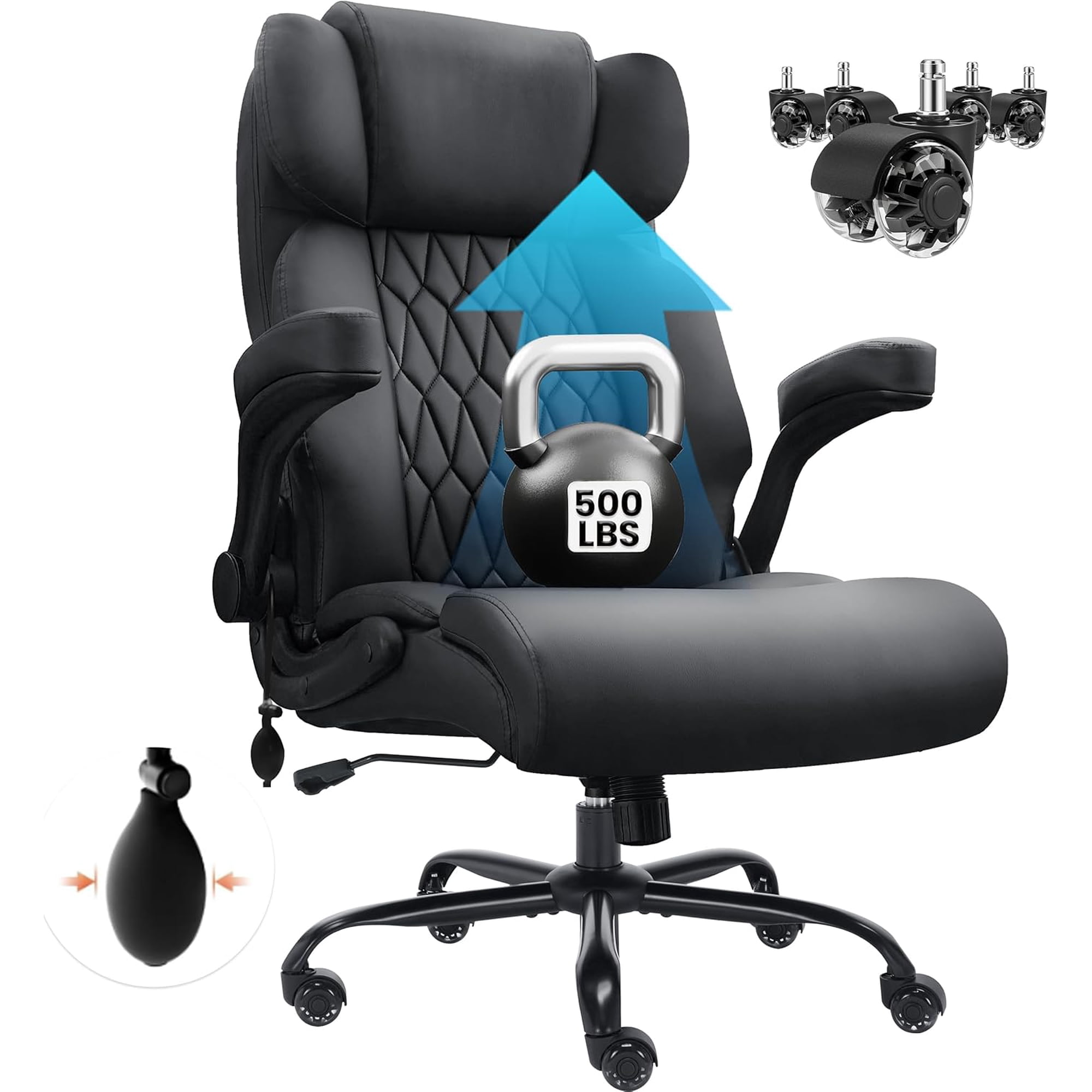
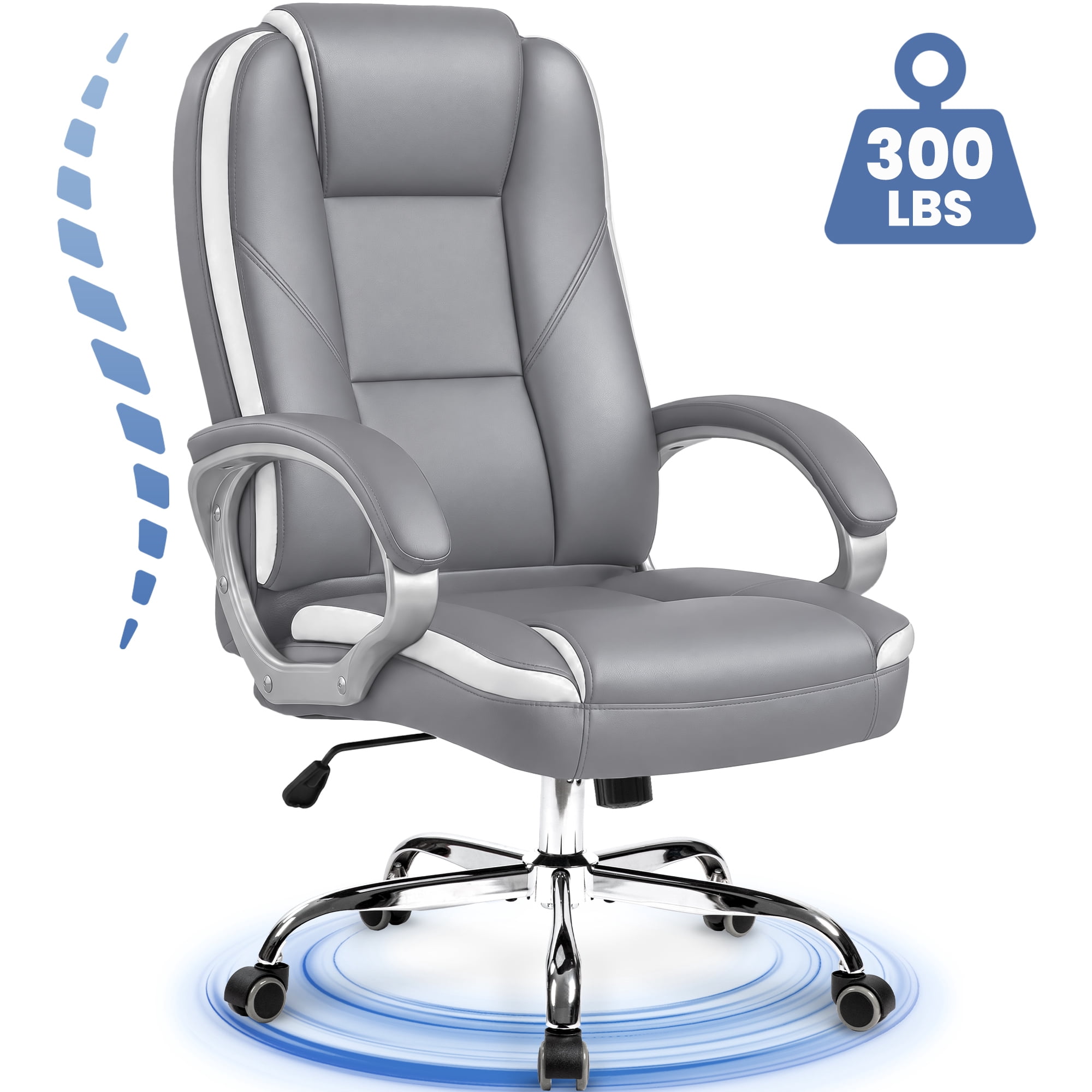
Weight capacity is the maximum load the chair can safely hold. But savvy buyers apply the “20% safety margin”: if you weigh 300 lbs, choose a chair rated for at least 360 lbs (300 + 20%). This ensures the gas lift, base, and mechanism aren’t operating at their limit every day. For heavy persons, manufacturers often list capacities like 400 lbs, 500 lbs, or even 800 lbs.
- Under 250 lbs: Look for 300–350 lb rating.
- 250–350 lbs: Minimum 400–500 lb capacity.
- 350–450 lbs: Seek 600–700 lb capacity (commercial/bariatric grade).
- 450+ lbs: Only chairs with 800 lb rating and reinforced steel frame.
1.3 Frame material: steel vs. reinforced composite
The skeleton of the chair determines longevity. Heavy-duty chairs use either 1.5–2 mm thick steel (welded) or high-strength aluminum alloy. Some premium models integrate steel reinforcement into the backrest. Avoid chairs with plastic frames, even if they claim high capacity — they tend to crack after a year.
For example, bariatric chairs from brands like Boss, Flash Furniture, or OFM often feature all-steel frames and mechanisms rated by BIFMA (Business and Institutional Furniture Manufacturers Association) standards. Always check if the chair meets ANSI/BIFMA X5.1 (general office chair) or X5.11 (large occupancy) testing.
1.4 Base, casters, and stability
A five-star base made of nylon (reinforced) or polished aluminum is standard. For heavy persons, the base diameter should be at least 28 inches for better balance. Casters must be heavy-duty dual-wheel type (often 3-inch) that roll smoothly under load. If you have hardwood floors, choose soft rubber casters; for carpet, hard casters work best.
Think of the chair base as the foundation of a house — if it’s too small or weak, the whole structure wobbles. With the right base, the chair stays planted even when you lean or recline.
2. Material showdown: which upholstery lasts longest for heavier users?
The cover material takes constant friction and pressure. Here’s how common options perform for heavy persons.
| Material | Durability | Breathability | Ease of cleaning | Best for |
|---|---|---|---|---|
| Commercial-grade mesh | High (7-10 years) | Excellent | Moderate (dust can collect) | Hot climates, all-day sitting |
| Top-grain leather | Very high (10-15 yrs) | Low | Easy (wipe clean) | Executive look, cool offices |
| Heavy-duty fabric (polyester/olefin) | High (5-8 yrs) | Good | Stain-resistant options exist | Budget-friendly, color variety |
| Bonded leather / PU | Low (2-4 years, peels) | Medium | Easy | Avoid for heavy use — flakes quickly |
Our recommendation: if you tend to sweat, go with breathable mesh (with extra lumbar padding). For a professional, easy-care surface, choose top-grain leather. Avoid bonded leather — it will delaminate under higher weight and friction.
3. Ergonomic features that matter for larger bodies
It’s a myth that heavy-duty chairs lack ergonomics. Modern designs include:
- Adjustable lumbar support: Both height and depth adjustable to fit the curve of your lower back.
- Seat slider: Moves the seat pan forward/backward to match thigh length.
- Tilt tension and lock: Lets you recline smoothly with more resistance (heavier springs).
- 3D or 4D armrests: Width, height, angle, and depth adjustments to support arms without straining shoulders.
- Headrest (optional): Helps neck comfort during breaks — make sure it’s height-adjustable and wide enough.
Data point: according to Ergonomics in Design (2023), workers using chairs with full adjustability reported 53% less lower back pain after 6 months compared to those in fixed chairs.
4. Weight distribution and cushion density
Standard chair foam (1.8–2.0 lb density) will flatten within months for heavy users. Seek high-resilience foam with density of 2.5–3.0 lb or memory foam with support core. Some chairs add a layer of gel for pressure relief. Also, check if the seat cushion is “waterfall” shaped to avoid thigh numbness.
4.1 Maintenance tips to extend chair life
- Regular cleaning: Wipe leather with conditioner, vacuum mesh.
- Check bolts: Every 6 months, tighten all screws/bolts (they can loosen under load).
- Avoid leaning too far back: Even with lock, don’t use the chair as a ladder.
- Caster care: Remove hair/debris from wheels to keep rolling smooth.
Frequently Asked Questions: wide chairs for heavier individuals
Conclusion: invest in safety, comfort, and longevity
A wide office chair for a heavy person is an investment in your daily well-being and long-term health. Don’t compromise on weight rating, seat width, or frame material. Use the 20% safety margin, prioritize steel frames, and test adjustability features if possible. The right chair will support you for a decade, reduce back pain, and make work hours far more productive. Use the product grid above to compare current best-sellers, and read each spec carefully. Your body will thank you.