
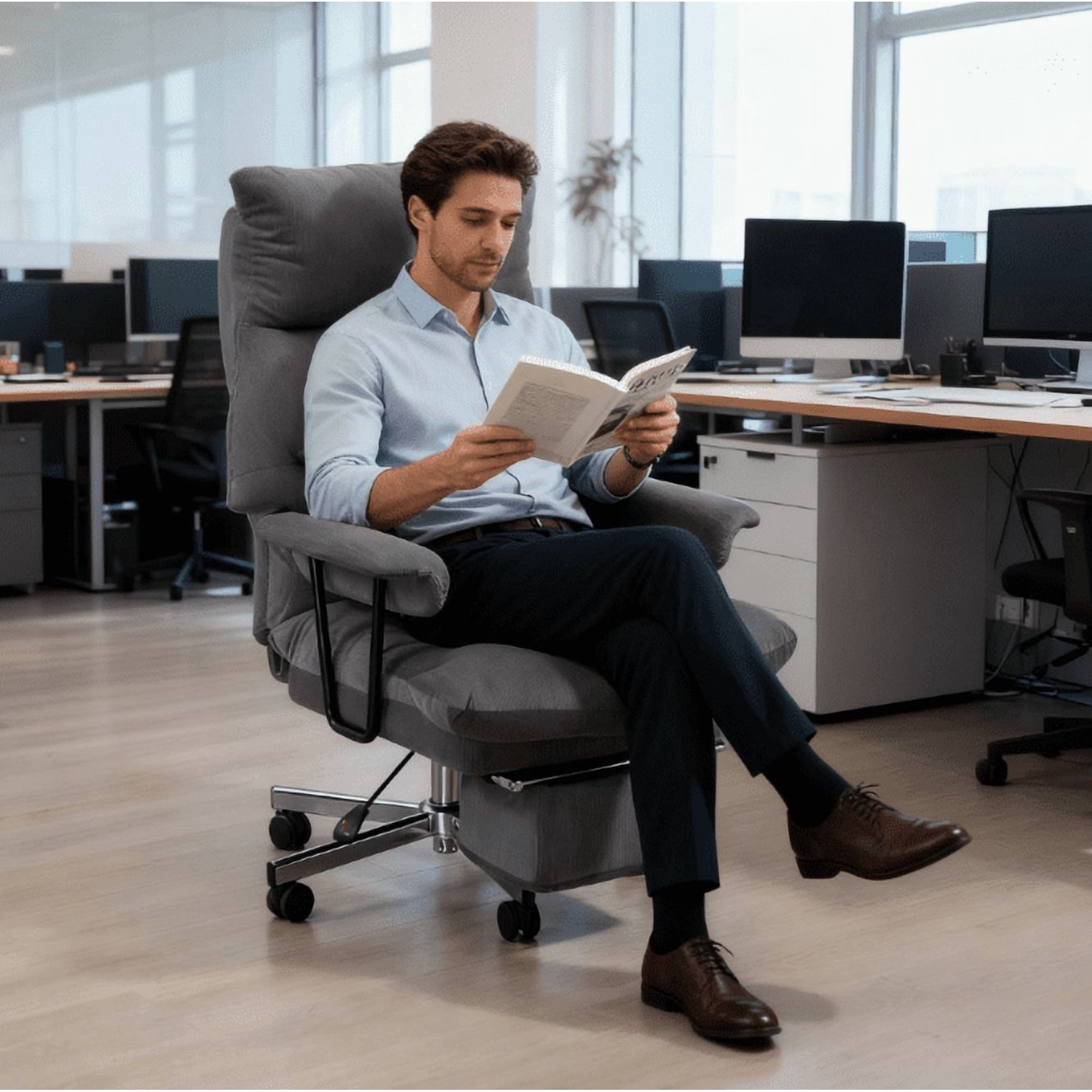
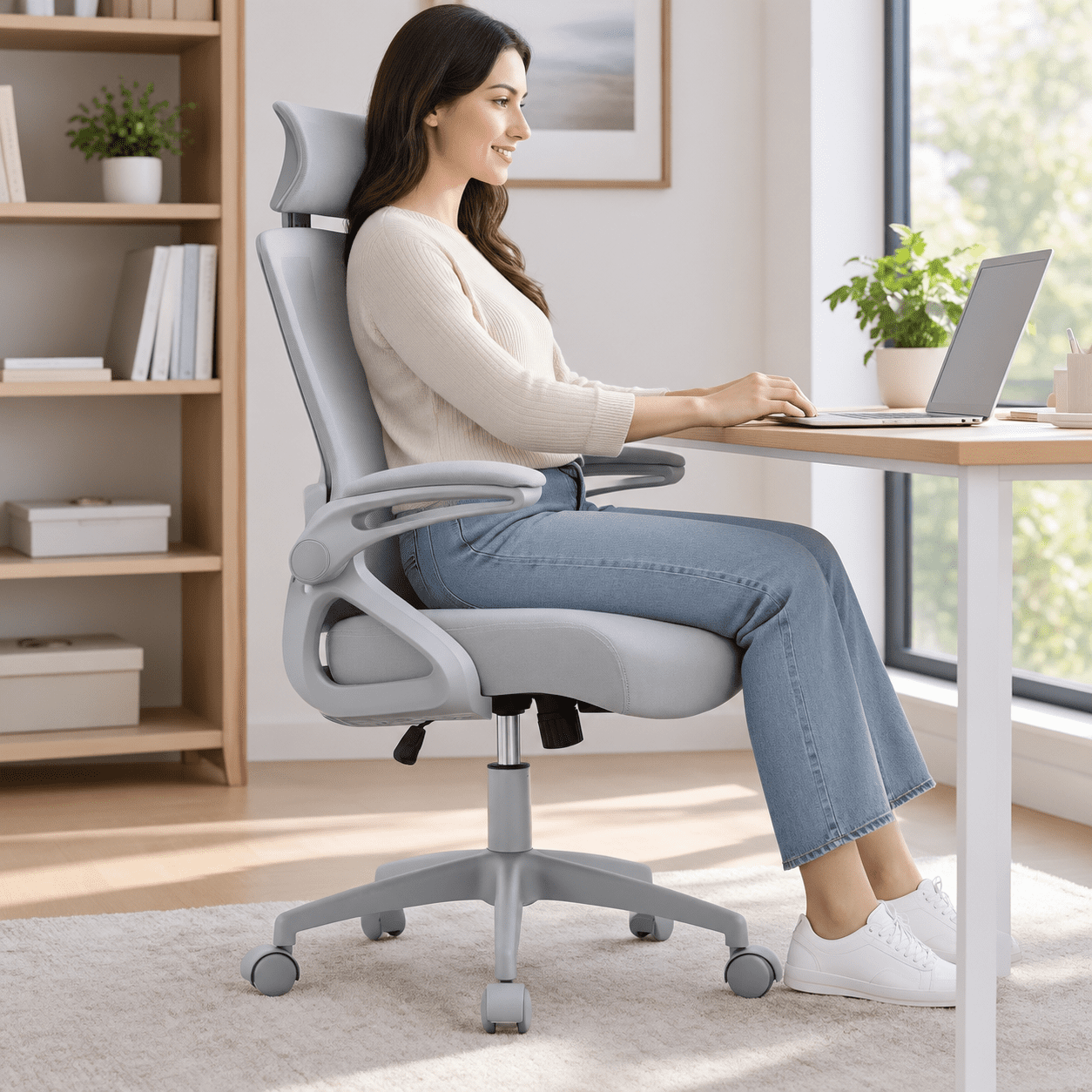
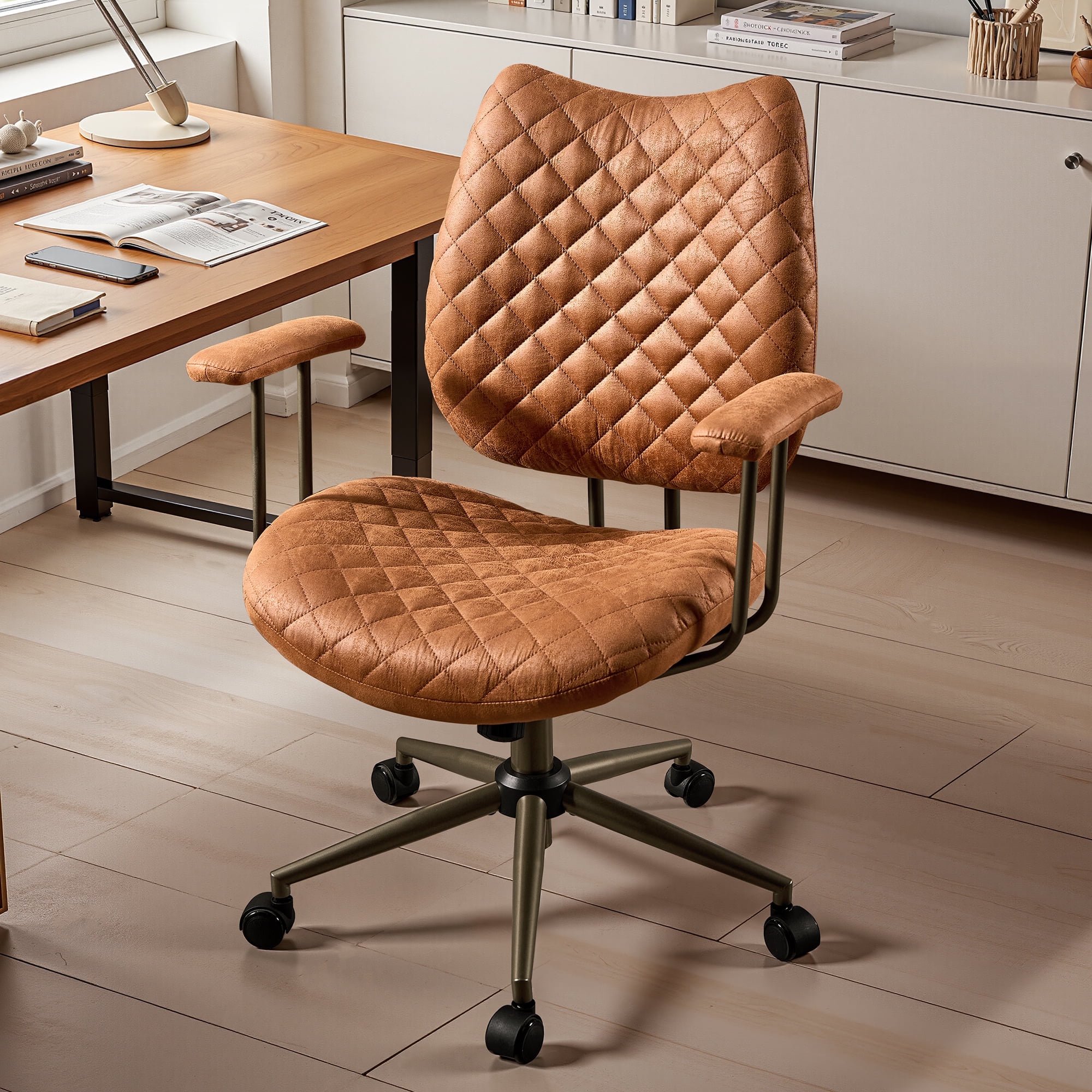
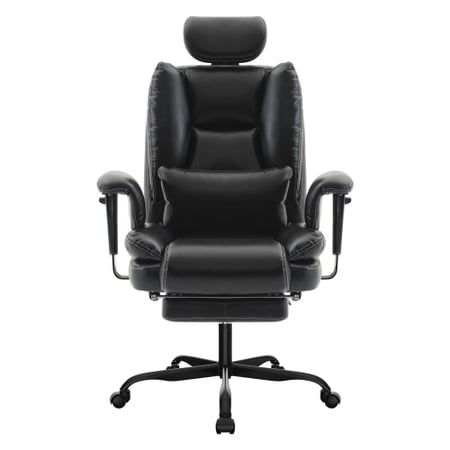
Why Lumbar Support in a Leather Chair is Non-Negotiable
Imagine wearing a perfectly tailored suit that looks fantastic but restricts your movement. That's a leather office chair without proper lumbar support—stylish, but potentially uncomfortable. The lower back, or lumbar region, bears the brunt of our sedentary work lives. A leather office chair with lumbar support acts as a tailored back brace, filling the gap between your spine and the chair. This prevents the hunching that leads to fatigue and long-term disc issues. According to the American Chiropractic Association, 80% of the population will experience back pain at some point, and poor seating is a primary contributor. Choosing a chair with built-in, adjustable support is your first line of defense.
Anatomy of a Supportive Leather Chair
Not all leather chairs are created equal. A true ergonomic leather chair integrates support into its design, not just as an afterthought. Here’s what happens beneath the surface:
1. The Lumbar Mechanism: Dynamic vs. Static Support
The type of lumbar system dictates how well the chair adapts to you.
- Adjustable Depth/Height Lumbar: The gold standard. These chairs feature a mechanism (often a dial or lever) that moves the lumbar pad forward/backward and up/down. This allows you to precisely fit the curve of your spine. Think of it as the focus ring on a camera—it fine-tunes the support to your unique shape.
- Integrated Contoured Lumbar: The backrest is molded to provide support. While better than nothing, it assumes a "one-size-fits-all" shape. This can work well if your spine aligns perfectly with the contour, but offers no flexibility.
- Air Lumbar (High-End): Found in premium chairs, this uses inflatable air bladders in the backrest. You pump air into the bladder to increase support firmness, much like adjusting the firmness of a high-end mattress. This offers the most customized pressure relief.
2. The Role of Leather and Foam Density
The leather and foam work together to either enhance or diminish the lumbar support.
- High-Density Foam: Crucial for maintaining the lumbar curve. Low-density foam compresses quickly, causing you to sink and lose support. High-density foam retains its shape, ensuring the lumbar support remains effective for years.
- Leather Type: Full-grain leather is the most durable and will conform to your body over time, creating a custom mold. Top-grain leather is slightly processed but still excellent. Avoid "bonded leather" as it peels and doesn't provide consistent support.
- Suspension System: Beneath the foam, a quality chair uses a sturdy suspension (like a sinuous spring or webbing) that provides a slight, comfortable give while maintaining firm support, preventing you from bottoming out.
3. Synchronized Mechanism: Recline and Support
When you recline, your spine's position changes. Advanced chairs feature a synchronized mechanism where the backrest and seat move in harmony. This ensures that the lumbar support stays in contact with your back, even when you lean back for a thinking session, rather than creating a gap.
Choosing Your Perfect Leather Lumbar Chair: A Step-by-Step Guide
Navigating the options can feel overwhelming. Use this systematic approach to find the chair that feels like it was made for you.
Step 1: Identify Your Lumbar Needs
Are you dealing with existing lower back pain, or are you being proactive? If you have chronic issues, prioritize chairs with separate height and depth adjustment or air lumbar systems. If you're buying for prevention, a chair with a well-designed, contoured backrest and integrated lumbar might suffice.
Step 2: Match Lumbar Type to Your Body
Measure your torso length (sitting down, measure from your seat to your shoulder). Taller individuals need a taller backrest and a lumbar support that can move up. Shorter individuals need the lumbar to sit lower. Ensure the lumbar mechanism's range of motion aligns with your body.
Step 3: Evaluate Leather and Build Quality
Don't just look at the leather; feel the backrest. Press on the lumbar area. Does it feel solid and resilient, or soft and mushy? Inquire about the foam density. A good rule of thumb: if the chair is light and the leather feels thin, the lumbar support will likely degrade quickly.
Step 4: Test the Adjustment Range
If possible, sit in the chair. Adjust the lumbar to its maximum forward position—it should provide noticeable, but not painful, pressure. Adjust it back—the support should almost disappear. This range allows you to find the sweet spot. Also, test the backrest recline with tension adjustment to see how the lumbar support behaves during movement.
Leather vs. Other Materials for Lumbar Support
While leather offers aesthetics and durability, how does it compare to other materials specifically for lumbar support?
✅ Leather: The Supportive Choice
- Structure: Leather's natural stiffness provides a firm, consistent surface for lumbar mechanisms to push against, offering robust support.
- Durability: High-quality leather maintains its shape, ensuring the lumbar contour remains effective for a decade or more.
- Maintenance: Easy to clean, preventing dust and allergens that can be an issue with fabric.
- Professionalism: Conveys authority and success in client-facing roles.
⚠️ Other Materials: Considerations
- Fabric: Softer and more breathable, but lumbar pads can sometimes compress faster than leather's firm structure, reducing long-term support.
- Mesh: Excellent breathability and often has good tension, but lacks the plush comfort and premium feel of leather. The lumbar support can feel like a firm frame rather than a cushioned pad.
- Faux Leather: Prone to cracking and peeling. The backing material often degrades, which can cause the lumbar support mechanism to feel loose or ineffective over time.
Health Metrics: What Good Lumbar Support Achieves
The right chair does more than feel good—it has measurable health impacts. Proper lumbar support helps maintain the spine's S-shape, reducing disc pressure. Studies in ergonomics indicate that optimized lumbar support can reduce spinal disc pressure by up to 35% compared to sitting without support. This translates to:
⬇️ Reduced Muscle Fatigue
Your back muscles don't have to work as hard to hold you upright, conserving energy for cognitive tasks.
🔄 Better Pelvic Alignment
Supports the natural forward tilt of the pelvis, which is key to maintaining the spine's curvature.
🛡️ Disc Pressure Relief
Decreases load on the lumbar discs, lowering the risk of herniations and bulges.
🧘 Enhanced Comfort
Allows for longer, more focused work sessions without the urge to constantly shift due to discomfort.
Maintaining the Lumbar Support in Your Leather Chair
To ensure your chair's support system lasts, follow these care tips:
- Condition the Leather: Use a quality leather conditioner every 6-12 months. This prevents the leather from drying out and cracking, which can affect the surface support.
- Tighten Mechanisms: Occasionally check the knobs and levers controlling the lumbar. If they feel loose, consult the manual for adjustments.
- Clean Dust: Dust can accumulate in the lumbar mechanism's crevices. Use a vacuum with a brush attachment to keep it clean.
- Avoid Overloading: Respect the chair's weight capacity. Overloading can strain the lumbar mechanism and the gas lift.
Frequently Asked Questions About Leather Chairs and Lumbar Support
Final Verdict: Invest in Your Spinal Health
Selecting a leather office chair with lumbar support is a decision that pays dividends in daily comfort and long-term well-being. The elegance of leather, when paired with an intelligent, adjustable lumbar system, creates a workspace throne that supports your most critical asset—your body. Don't settle for a one-size-fits-all solution. Prioritize chairs that put you in control of the support, ensuring that your chair works for you, not against you. Whether you're closing deals or managing projects, the right support system keeps you performing at your peak.