
Why "400 lb Weight Capacity" Matters More Than You Think
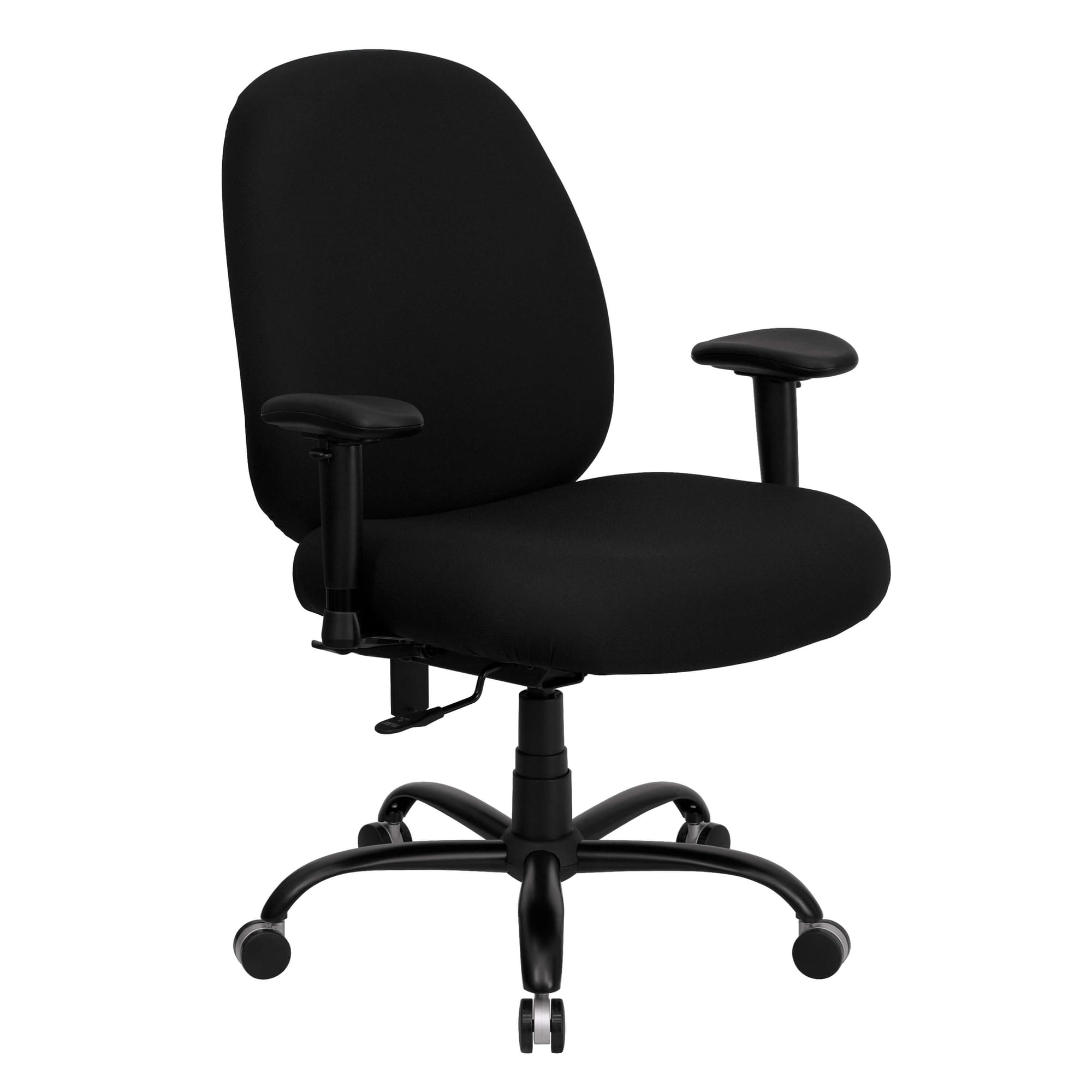
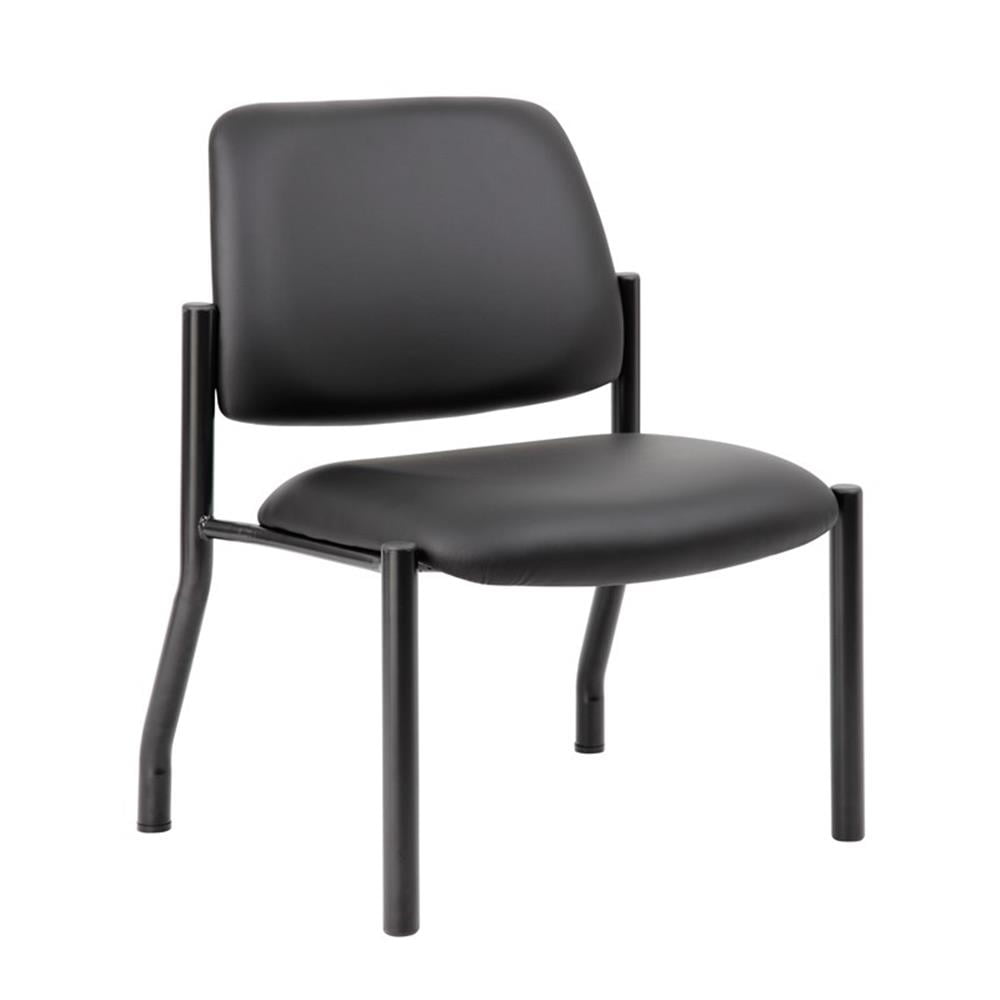
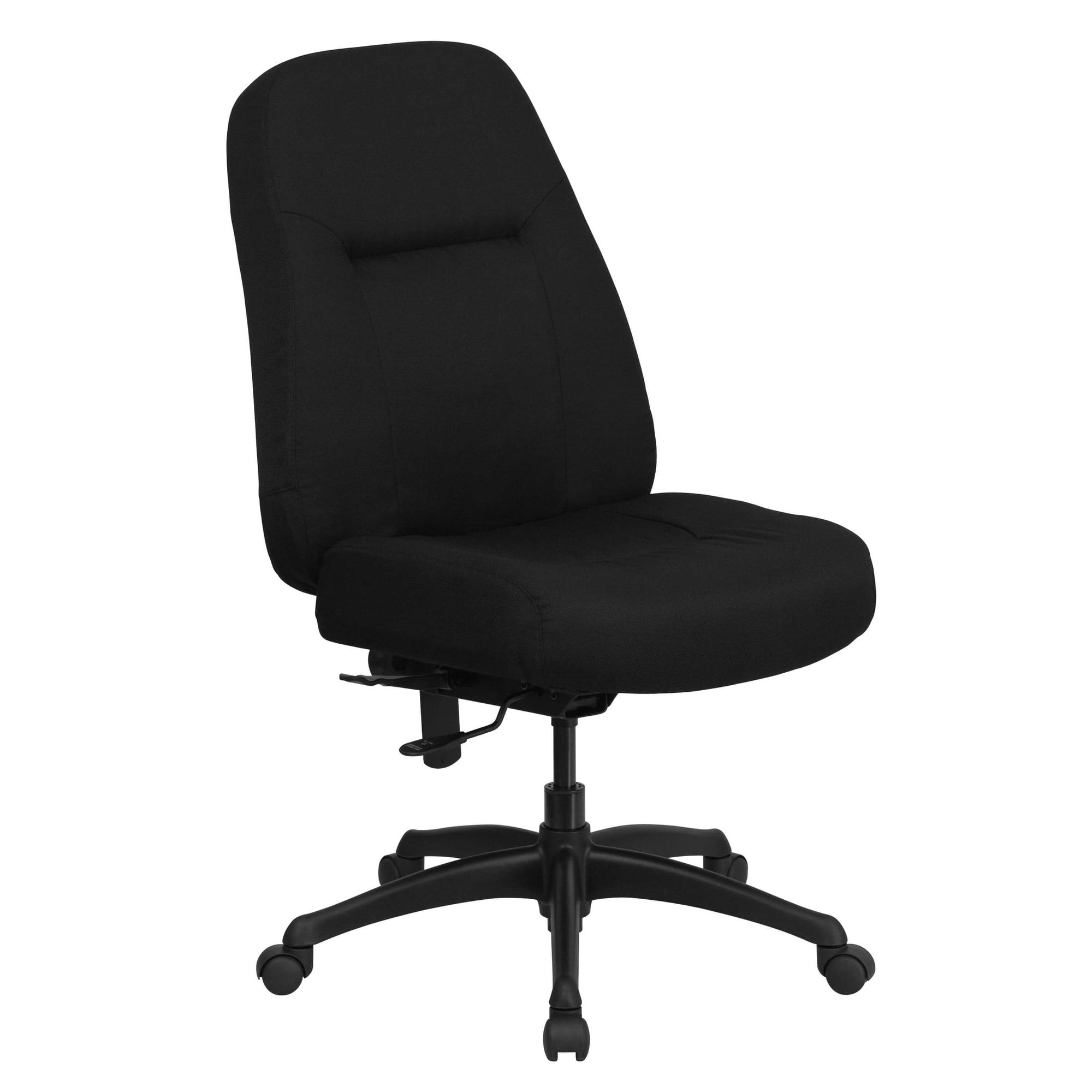
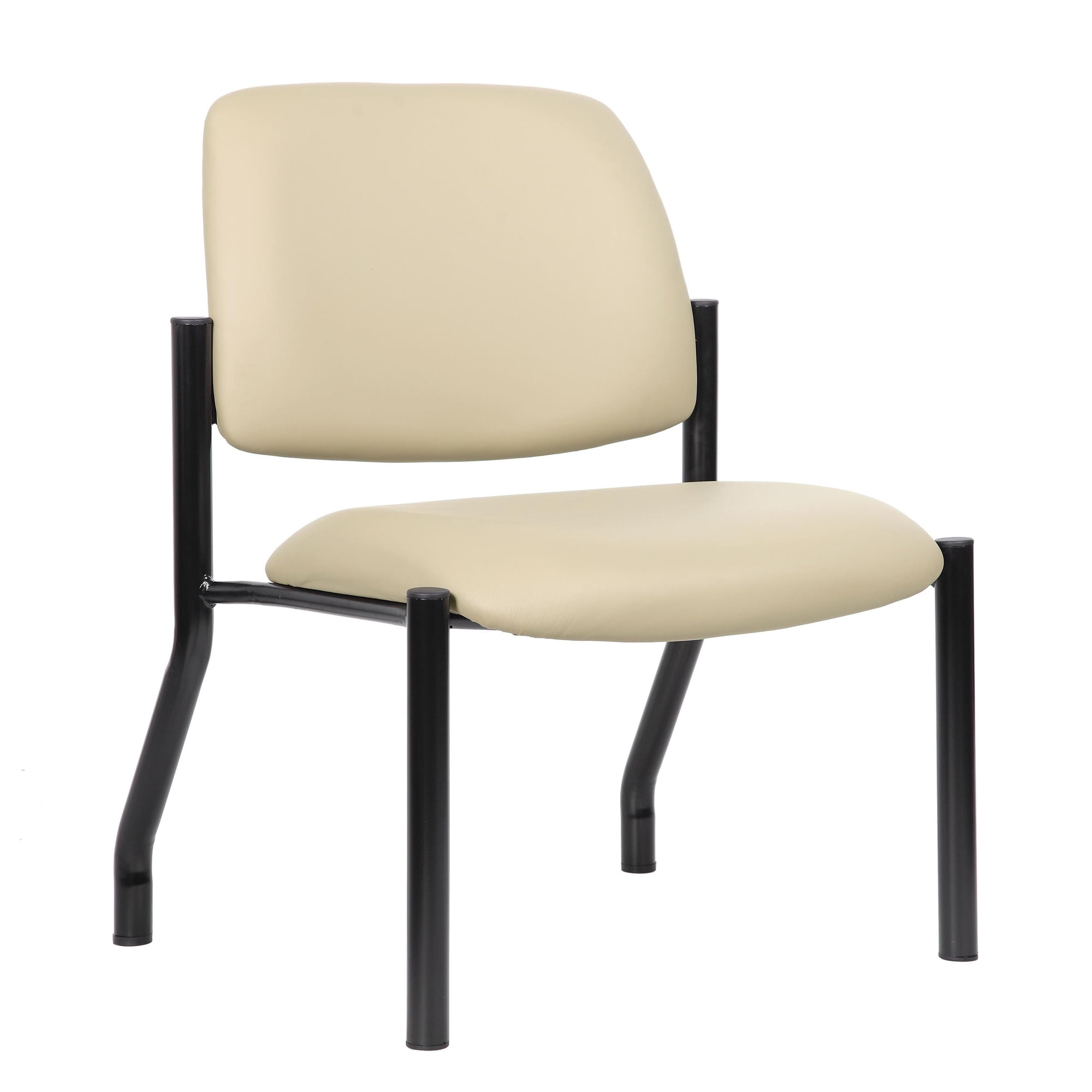
Choosing an office chair often feels like a game of estimates—will this frame hold up? Is the gas lift going to fail after six months? For anyone near or above the 300-pound mark, these questions are critical. An office chair 400 lb weight capacity isn't just a number; it's a certification of robust engineering. These chairs are built with wider seat pans (typically 24 to 30 inches), reinforced steel frames, and industrial-grade hydraulic cylinders that won't sink unexpectedly.
But here's the insight many shoppers miss: even if you weigh 250 pounds, choosing a chair with a 400 lb capacity means you're buying into a higher tier of durability. Think of it like buying a truck rated to tow 10,000 lbs when you only need to tow 5,000—the components are simply built to last longer under stress. According to ergonomic studies published by the Human Factors and Ergonomics Society, chairs used by heavier individuals fail 3x faster if they're operating at near-maximum capacity. A 400 lb rated chair operating at 60-70% of its limit will last significantly longer and maintain its stability and comfort.
Anatomy of a 400 lb Capacity Chair: What Makes It Different?
A standard office chair might use a nylon base and a Class 2 or 3 gas lift. For a true 400 lb capacity chair, every component is upgraded:
- Base: Almost always made of heavy-duty aluminum or reinforced steel. The legs are thicker and often have a larger diameter to distribute weight evenly.
- Gas Lift: Utilizes a Class 4 or 5 lift mechanism. These are tested to withstand immense vertical pressure and resist failure over thousands of height adjustments.
- Seat Pan: Constructed with a thicker plywood or metal pan, topped with high-density foam (often 2.5 to 3 inches thick) that resists bottoming out.
- Casters: Heavy-duty dual-wheel casters (often 3-inch) that roll smoothly under high load without cracking or jamming.
- Frame & Mechanism: The tilt mechanism and armrest attachments are bolted with heavier gauge steel to prevent wobble.
Real-world example: In commercial testing, a chair with a 400 lb capacity underwent 100,000+ cycles of a 330-pound weight simulating sitting and leaning. The frame showed no signs of fatigue, whereas a standard-rated chair (250 lbs) showed hairline cracks in the base after only 20,000 cycles. This is the "over-engineering" that buys you peace of mind.
Key Ergonomic Features in the 400 lb Category
It's a myth that heavy-duty chairs are just "big and clunky." Modern designs integrate ergonomics seamlessly:
- Adjustable lumbar support: Many models offer both height and depth adjustment to accommodate different spine lengths and curvatures.
- Seat depth slider: Crucial for tall users to get proper thigh support without pressure behind the knees.
- 4D armrests: Width, height, depth, and pivot adjustments allow for customized shoulder and elbow positioning.
- Synchro-tilt mechanism: Allows the seat and back to move in a natural ratio (often 2:1 or 3:1) to maintain proper posture while reclining.
Selecting the Right 400 lb Capacity Chair: A Step-by-Step Guide
Don't just grab the first "heavy-duty" label you see. Follow this structured approach:
- Measure Your Space and Yourself: Note the width of your hips and thighs—look for a seat width at least 2 inches wider than your widest point. Also measure your desk height and the space under your desk for armrest clearance.
- Verify the Rating, Not Just the Claim: Look for chairs that explicitly state "Tested to ANSI/BIFMA standards for 400 lbs." This ensures third-party verification, not just marketing fluff.
- Prioritize the Mechanism: For heavy users, a "center-tilt" or "knee-tilt" mechanism often provides more stability than a standard swivel tilt. It keeps your feet planted while reclining.
- Check Upholstery Durability: Commercial-grade fabric with a high "double rub" count (50,000+) or thick, top-grain leather will resist wear and tearing far better than budget bonded leather.
- Read Reviews from Similar Users: Look for feedback specifically from users around 350-400 lbs. Their experience will tell you if the chair lives up to its promise.
Pro Tip: If you're between 300-350 lbs, consider a chair with a 450-500 lb rating as a future-proof investment. The extra capacity often means even thicker padding and a slightly wider frame, enhancing comfort for the long haul.
Material Considerations: Fabric, Leather, or Mesh?
The material debate gets a new dimension when weight capacity is involved:
Heavy-Duty Fabric
- Pros: Excellent breathability, often more "give" for comfort, and can be reinforced with extra stitching. Many commercial-grade fabrics are stain-resistant and very durable.
- Cons: Can trap odors and may require professional cleaning. Lower-end fabrics can pill over time.
Thick Bonded or Top-Grain Leather
- Pros: Conveys a professional, executive look. Easy to wipe clean. High-quality leather molds to the body over time.
- Cons: Can be warm in summer. May show wear patterns sooner if the leather is not high-grade. Typically heavier and more expensive.
Mesh is also appearing in some 400 lb capacity chairs, but look for reinforced mesh with a high-density weave and a substantial frame to prevent sagging. A hybrid approach (mesh back + fabric/leather seat) is often a great compromise.
Health and Posture Benefits of Proper Heavy-Duty Seating
For larger individuals, sitting in an undersized or under-rated chair isn't just uncomfortable—it can be harmful. A chair that's working too hard to support you may cause:
- Instability and Micro-Adjustments: A wobbly base forces your muscles to constantly make tiny corrections, leading to fatigue and back pain.
- Pressure Points: A seat pan that's too narrow or foam that's too soft can create painful pressure on the outer thighs and buttocks, potentially restricting blood flow.
- Poor Posture: If the lumbar support isn't positioned correctly for a larger frame, it can encourage slouching or leaning, exacerbating lower back issues.
Investing in a properly rated chair allows you to sit with neutral spine alignment, supported thighs, and stable base. According to spine health specialists, a stable seating platform reduces lower back muscle strain by up to 35% compared to sitting in an ill-fitting, under-rated chair.
Comparing 400 lb Capacity Chairs to Standard and 300 lb Models
| Feature | Standard Chair (250-275 lbs) | 300 lb Capacity | 400 lb Capacity |
|---|---|---|---|
| Base Material | Nylon / Plastic | Reinforced Nylon / Aluminum | Heavy-Duty Aluminum / Steel |
| Gas Lift Class | Class 2 or 3 | Class 3 or 4 | Class 4 or 5 |
| Seat Width (typical) | 19-21 inches | 22-24 inches | 24-30 inches |
| Frame Construction | Standard Steel | Reinforced Steel | Thick-Gauge Steel |
| Warranty (typical) | 1-3 years | 3-5 years | 5-10+ years |
Top 3 Usage Scenarios for a 400 lb Capacity Office Chair
Frequently Asked Questions: Office Chairs with 400 lb Capacity
Conclusion: Invest in the Stability You Deserve
An office chair with a 400 lb weight capacity is more than a piece of furniture—it's a long-term investment in your comfort, health, and productivity. Whether you're a big and tall executive, someone who values rock-solid build quality, or simply planning for future-proof durability, these chairs offer a level of construction that standard models can't match.
By focusing on verified ratings, robust materials, and genuine ergonomic features, you can find a chair that not only supports your frame but also enhances your workday. Use the product grid above to explore current top-rated models, and always cross-reference with real user experiences. A well-chosen heavy-duty chair will serve you reliably for a decade or more.