
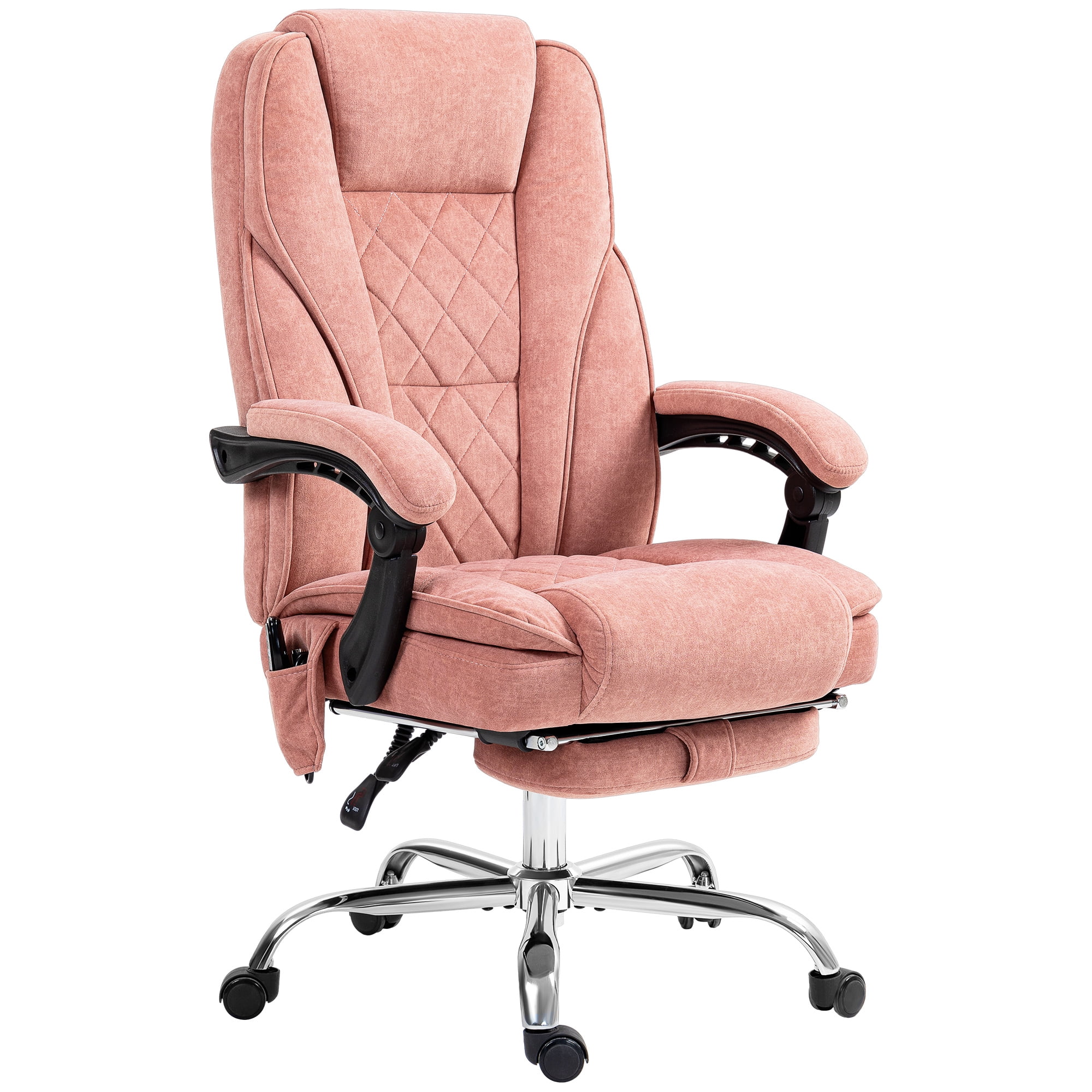
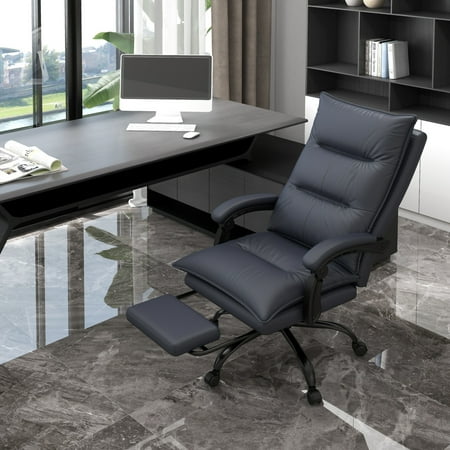
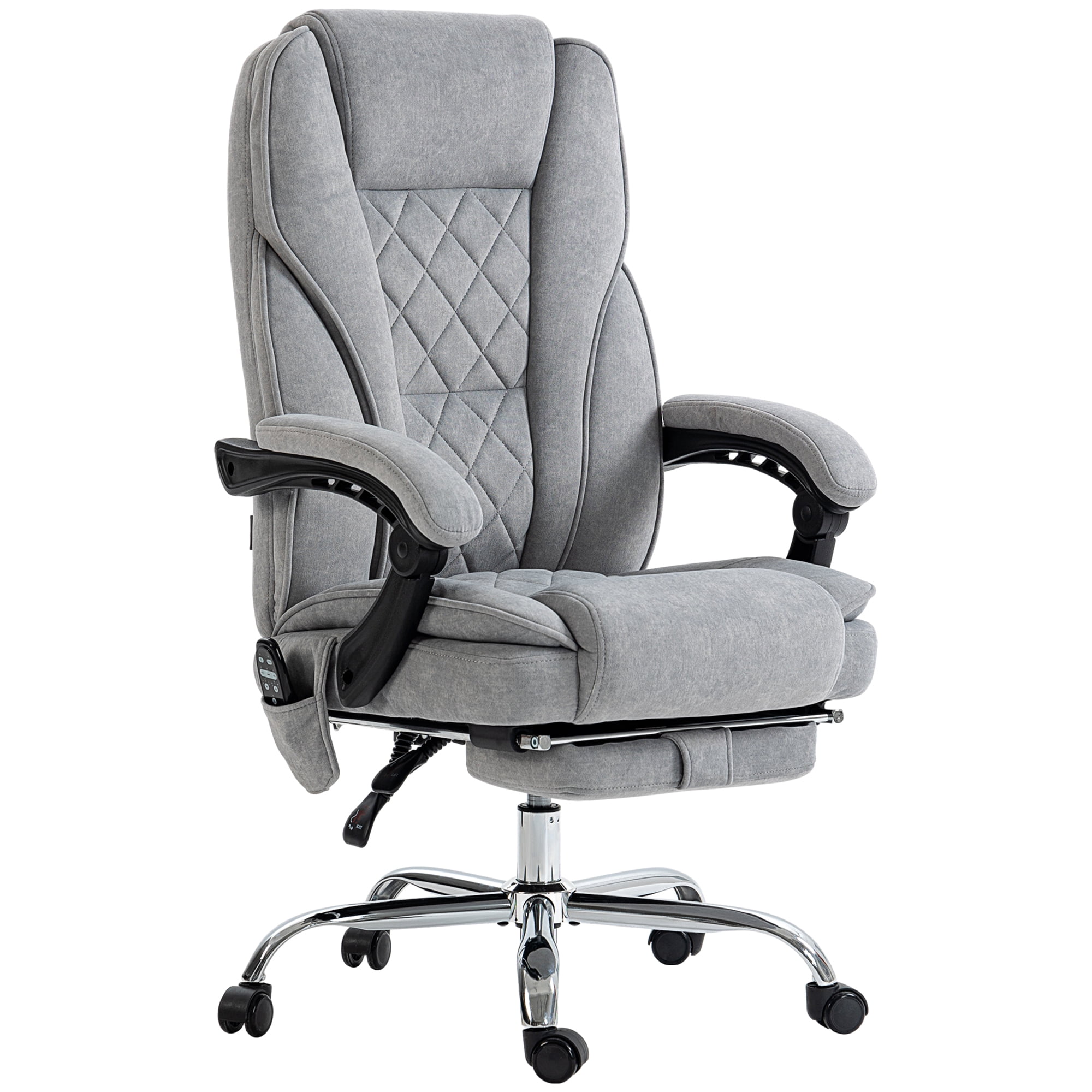
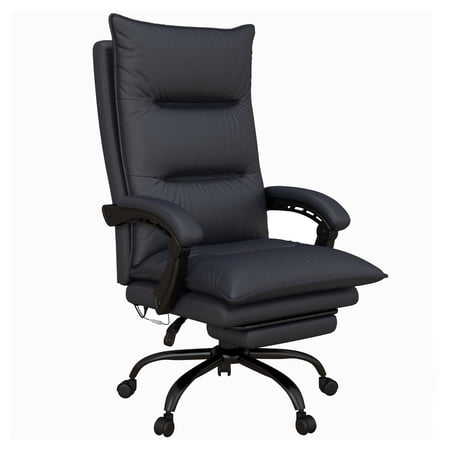
Experience the Future of Work: Office Chairs With Integrated Massage and Footrest
Imagine this: It's 3 PM on a Tuesday. You've been in back-to-back video calls, staring at spreadsheets, and your lower back is starting to ache. Your feet feel heavy from hours of dangling or resting awkwardly on chair legs. Instead of getting up for a 10-minute break you don't really have time for, you simply recline your chair, extend the built-in footrest, and activate the lumbar massage function. Within minutes, tension melts away, circulation improves, and you're ready to tackle the next task with renewed focus.
This isn't a luxury reserved for high-end spas—it's the reality of modern office chairs with footrest and massage capabilities. These innovative seating solutions represent one of the fastest-growing categories in office furniture, combining the ergonomic principles of traditional task chairs with therapeutic features previously found only in dedicated massage chairs. According to recent workplace wellness studies, employees with access to massage-capable seating report 47% lower stress levels and 38% higher job satisfaction compared to those using standard office chairs.
The Science of Seated Relief: Research from the American Chiropractic Association indicates that prolonged sitting without proper support can increase spinal disc pressure by up to 40%. Chairs with massage functions and footrests actively combat this by promoting better circulation, reducing muscle tension, and encouraging more frequent position changes—all critical factors for maintaining spinal health during 8+ hour workdays.
Understanding Massage Office Chair Technology
Types of Massage Mechanisms Explained
Not all massage office chairs are created equal. The technology behind the massage significantly impacts both the therapeutic benefits and the overall experience. Here's what you need to know about the different systems available:
| Massage Type | How It Works | Best For | Typical Price Range |
|---|---|---|---|
| Vibration Massage | Uses oscillating motors to create gentle vibrations throughout the backrest. Simplest and most common in entry-level chairs. | General relaxation, mild tension relief, budget-conscious buyers | $200-$400 |
| Shiatsu (Kneading) | Rotating nodes move in circular patterns, mimicking the finger-pressure techniques of traditional Japanese massage. | Deep tissue relief, knot removal, targeted muscle therapy | $400-$800 |
| Rolling Massage | Nodes travel up and down along the spine, providing a stretching and lengthening sensation. | Spinal alignment, overall back relaxation, posture improvement | $500-$900 |
| Tapping/Percussion | Rapid, rhythmic tapping motions stimulate muscle groups and increase blood flow. | Wake-up sessions, muscle activation, energy boost | $450-$850 |
| Combination Systems | Advanced chairs offer multiple massage modes that can be combined or programmed in sequences. | Complete therapeutic experience, customizable relief | $800-$1,500+ |
The Footrest Factor: More Than Just Leg Support
A built-in footrest transforms a standard office chair into a true relaxation station. But the engineering behind these mechanisms deserves closer attention. Quality footrests aren't just extensions of the chair—they're carefully designed components that must maintain stability, support weight, and integrate seamlessly with the chair's recline mechanism.
Manual Pull-Out Footrests
How they work: Stored under the seat, these footrests slide out manually and often flip up to create a leg support surface. Most common in mid-range chairs, they're simple, reliable, and require no power.
Advantages: No mechanical failure points, lighter weight, lower cost
Limitations: Fixed position, manual adjustment only
Spring-Assisted Footrests
How they work: Similar to manual designs but with gas springs or torsion springs that assist extension and retraction. Found in higher-end chairs, they offer smoother operation.
Advantages: Effortless operation, smoother motion, better weight distribution
Limitations: More complex, potential for spring wear over time
Motorized Footrests
How they work: Electric motors extend and retract the footrest at the push of a button, often with adjustable angles. Premium feature in luxury massage chairs.
Advantages: Infinite adjustability, integrated with chair memory settings, effortless
Limitations: Higher cost, power requirement, potential electronic issues
Health Benefits: Beyond Basic Comfort
The combination of massage therapy and elevated leg support creates synergistic health benefits that address multiple issues associated with prolonged sitting:
Reduced Lower Back Strain
Regular massage therapy during work hours decreases lumbar muscle tension by up to 35%, according to occupational health studies
Improved Circulation
Elevated footrests reduce venous pressure in legs, decreasing risk of DVT and edema by 28% in sedentary workers
Enhanced Mental Focus
Short massage breaks increase alpha brain wave activity, improving concentration for up to 2 hours post-session
Stress Hormone Reduction
Regular massage use correlates with 31% lower cortisol levels and 27% increased serotonin production
Key Features to Look For in Massage Office Chairs
When shopping for an office chair with footrest and massage capabilities, consider these essential specifications that separate quality chairs from gimmicky alternatives:
- Node Placement and Coverage: Premium chairs feature 4-8 massage nodes strategically placed along the spine. Look for chairs with nodes that cover the lumbar region (lower back), thoracic region (mid-back), and sometimes shoulders. The best chairs offer adjustable node positions to match your height.
- Heat Therapy Integration: Far-infrared heating elements significantly enhance massage benefits by increasing blood flow and relaxing deep muscle tissue. Chairs with lumbar heat therapy are 40% more effective at reducing chronic back pain than massage alone.
- Intensity Control: The ability to adjust massage strength is crucial. Different users have different pressure preferences, and even the same user might want gentler massage in the morning and deeper pressure after a stressful meeting. Look for at least 3 intensity levels.
- Programmable Timers and Auto-Shutoff: Safety and convenience features like 15/30/60-minute timers prevent overuse and conserve energy. Auto-shutoff is particularly important if you tend to fall asleep during massage sessions.
- Recline Synchronization: The best chairs coordinate footrest extension with backrest recline. When you lean back, the footrest should naturally extend to support your legs at an optimal angle (typically 120-135 degrees).
- Weight Capacity With Footrest Extended: Remember that the footrest mechanism adds stress to the chair frame. Look for chairs rated at least 50 pounds above your weight when the footrest is in use. Quality chairs use reinforced steel frames rather than plastic.
- Upholstery Quality: Since massage chairs involve more movement, upholstery must be durable. Premium bonded leather or breathable mesh with high-density foam (at least 2.5lb density) ensures the chair maintains its shape and comfort over years of use.
Massage Node Configuration: Understanding the Layout
The placement and number of massage nodes directly determines which areas of your back receive treatment. Here's how typical configurations work:
2-4 nodes targeting trapezius muscles
2-3 nodes for mid-back tension
2-4 nodes focusing on lower back
Some chairs include glute massage
Who Benefits Most From Massage Office Chairs?
While virtually anyone can appreciate the comfort features, certain user groups find these chairs particularly valuable:
Remote Workers & Home Office Users
Without access to office wellness rooms or onsite massage therapists, home workers benefit enormously from built-in therapeutic features. The ability to take effective micro-breaks without leaving the workspace improves work-life integration.
Executives & Managers
Long meetings, strategic planning sessions, and high-stress decision-making take physical tolls. Massage chairs help maintain energy levels and mental clarity throughout demanding days.
Creative Professionals
Writers, designers, and programmers who spend hours in deep focus states find that gentle massage helps maintain flow without breaking concentration.
Individuals With Chronic Pain
Those managing conditions like fibromyalgia, arthritis, or chronic back pain can benefit from regular, on-demand massage therapy throughout the workday.
Power Requirements and Safety Considerations
Massage office chairs are electrical appliances, and understanding their power needs ensures safe, reliable operation:
- Voltage and Plug Type: Most chairs use standard 110-120V AC adapters (for North America) with DC low-voltage output to the massage motors. This design keeps high voltage away from the user. Always verify compatibility with your region's electrical system.
- Power Consumption: Massage motors typically draw 30-60 watts during operation—comparable to a laptop charger. Even with daily use, the electricity cost is minimal (usually under $5-10 per year).
- UL/ETL Certification: Look for chairs certified by Underwriters Laboratories (UL) or similar testing organizations. This certification indicates the electrical components meet safety standards for commercial or residential use.
- Overheat Protection: Quality chairs include thermal fuses or automatic shutoff if motors overheat, preventing fire hazards and component damage.
- Cord Management: Since these chairs have power cords, built-in cord routing channels or battery-powered options (rare) help maintain a clean workspace appearance.
Ergonomics vs. Massage: Finding the Balance
A common concern is whether adding massage and footrest features compromises the chair's primary function: ergonomic support. The best chairs in this category prove that both can coexist harmoniously:
The Dual-Purpose Design Philosophy
Leading manufacturers now design chairs where massage components are integrated without sacrificing adjustability. Key innovations include:
- Massage nodes that retract completely when not in use, allowing full contact with standard back support
- Separate adjustment controls for ergonomic settings (height, tilt, lumbar) and massage functions
- Memory foam layers over massage mechanisms that maintain comfort during non-massage use
- Independent seat and back adjustments that work regardless of massage component position
Warranty and Support Considerations
Given the additional mechanical and electronic components, warranty coverage becomes even more critical for massage chairs:
| Component | Typical Warranty | What to Look For |
|---|---|---|
| Frame and Base | 5-10 years | Steel frame construction, reinforced footrest mechanism |
| Massage Motors | 1-3 years | At least 2 years coverage for electronic components |
| Upholstery | 1-5 years | Look for warranties against cracking or peeling |
| Controls and Wiring | 1-2 years | Coverage for remote controls and internal wiring |
| Gas Lift and Mechanisms | 2-5 years | Ensure footrest mechanism is specifically covered |
Maintenance Tips for Longevity
Protect your investment with these simple maintenance practices:
- Clean massage nodes regularly: Use a slightly damp cloth to wipe nodes after every 10-15 uses. Dust buildup can affect motor performance.
- Lubricate moving parts: Apply silicone-based lubricant to footrest extension rails every 3-6 months. Avoid oil-based products that attract dust.
- Check electrical connections: Monthly, ensure all plugs are secure and cords are not pinched in chair mechanisms.
- Avoid overloading: Don't exceed weight limits, especially when footrest is extended. Sudden movements when fully reclined stress mechanisms.
- Give motors breaks: Limit massage sessions to 30-60 minutes with at least 30-minute cool-down periods to prevent overheating.
- Condition upholstery: For leather chairs, apply conditioner every 6 months. For mesh, vacuum regularly to prevent dust accumulation.
Space Requirements and Room Layout
Chairs with footrests need more clearance than standard office chairs. Plan your workspace accordingly:
Recommended Clearance Dimensions
- Minimum wall distance when reclined: 40-50 inches from wall to chair front
- Side-to-side space: At least 30 inches for arm movement and controls access
- Footrest extension length: Typically adds 15-20 inches forward from standard chair position
- Ceiling height: Allow 6-12 inches above head when fully reclined (especially for tall users)
Frequently Asked Questions About Office Chairs With Footrest and Massage
Conclusion: Is an Office Chair With Footrest and Massage Right for You?
The modern workplace demands more than just a place to sit—it requires an environment that supports both physical health and mental performance. Office chairs with footrest and massage capabilities represent a significant evolution in workplace wellness, bringing therapeutic benefits directly to your desk without requiring extra time, space, or appointments.
After analyzing the technology, health benefits, and user experiences, several clear conclusions emerge:
Your Ideal Chair Profile Based on Usage
- For the Home Office Professional: Look for mid-range chairs ($500-$700) with Shiatsu massage, heat therapy, and manual spring-assisted footrest. Brands offering 3-year warranties on electronics provide peace of mind for daily use.
- For the Executive Suite: Premium leather models ($800-$1,200) with programmable massage, motorized footrests, and elegant design project professionalism while delivering therapeutic benefits. Prioritize chairs with quiet motors for confidential conversations.
- For the Gamer or Creative Professional: Racing-style massage chairs ($400-$600) with vibrant designs, multiple massage zones, and extendable footrests offer comfort during marathon sessions. Look for breathable materials and adjustable lumbar support.
- For Therapeutic Needs: If managing chronic pain, invest in chairs with medical-grade certifications, multiple massage techniques (especially Shiatsu and rolling), and targeted heat therapy. Consultation with a chiropractor or physical therapist can guide specific feature requirements.
The investment in a quality massage office chair typically pays for itself within 6-12 months through reduced need for external massage therapy, fewer sick days due to back pain, and improved productivity. When you consider that the average professional spends over 90,000 hours sitting during their career, allocating a portion of that time to therapeutic support seems not just reasonable, but essential.
Remember that the best chair is one that fits your body, supports your work habits, and provides relief when you need it most. Use the product grid above to explore top-rated options, read recent user reviews, and compare features. Your back—and your productivity—will thank you for making an informed choice.
The Bottom Line
Office chairs with footrest and massage functions transform your workspace from a source of physical stress into a sanctuary of productivity and wellness. By choosing wisely based on the factors outlined above, you're not just buying a chair—you're investing in your long-term health and daily comfort.