
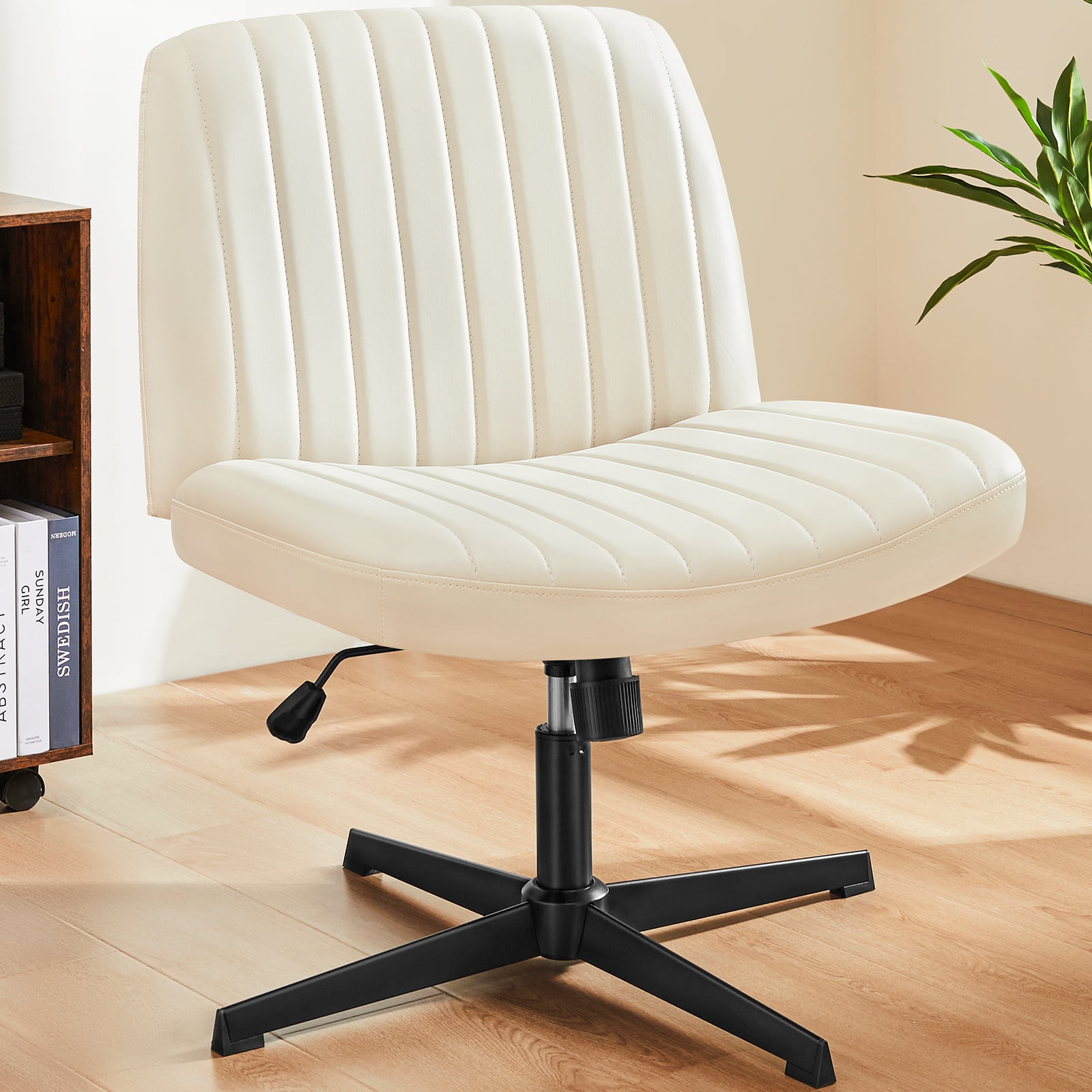
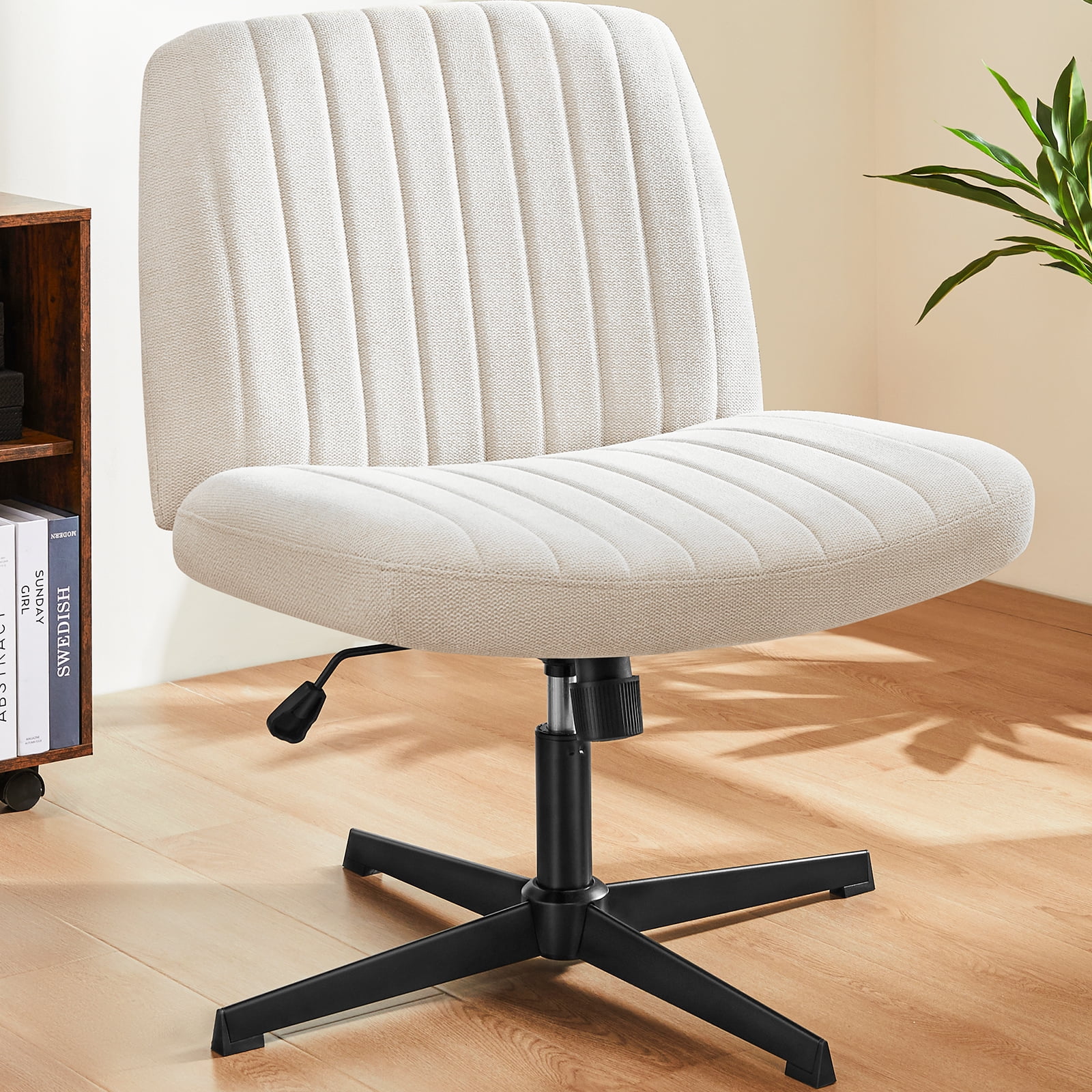
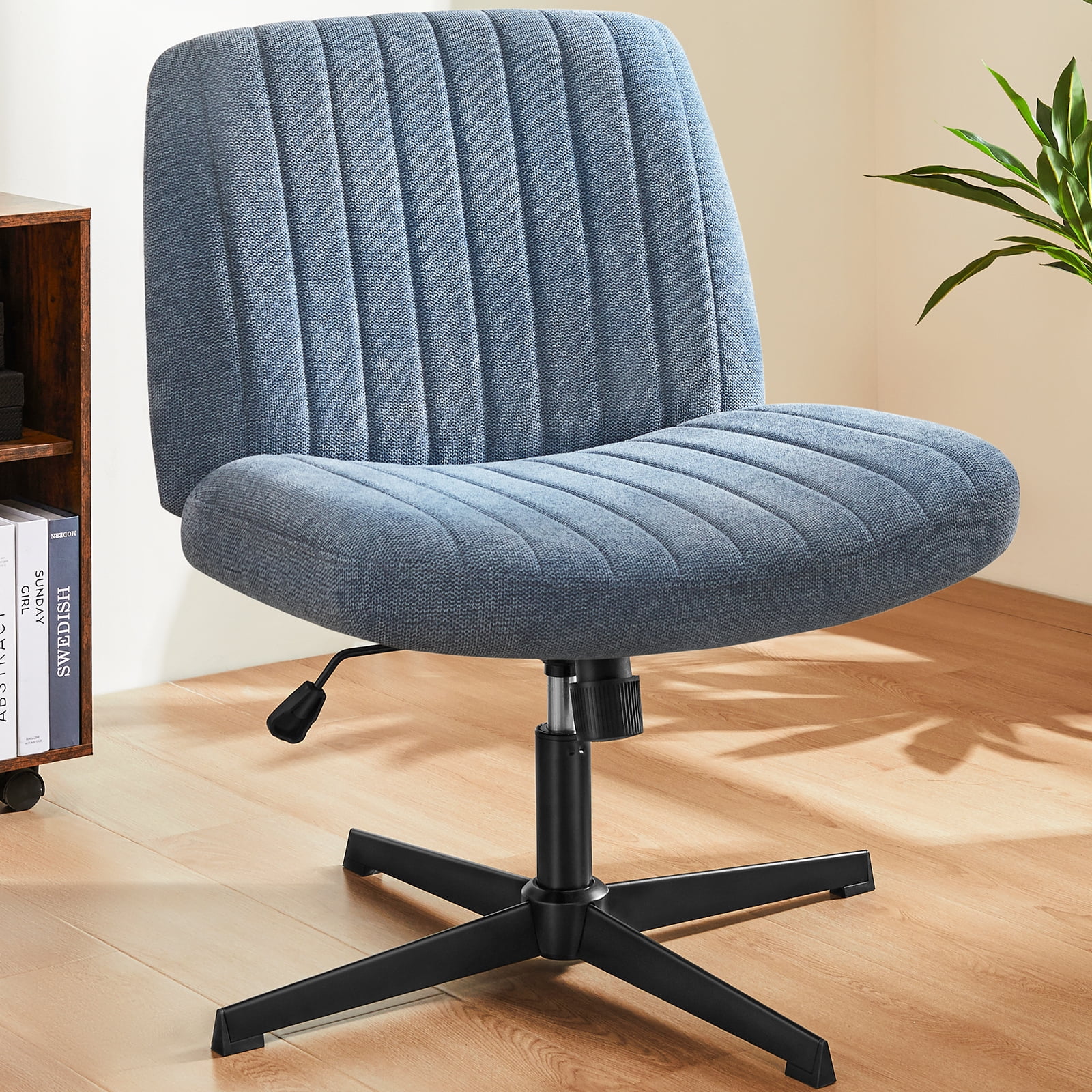
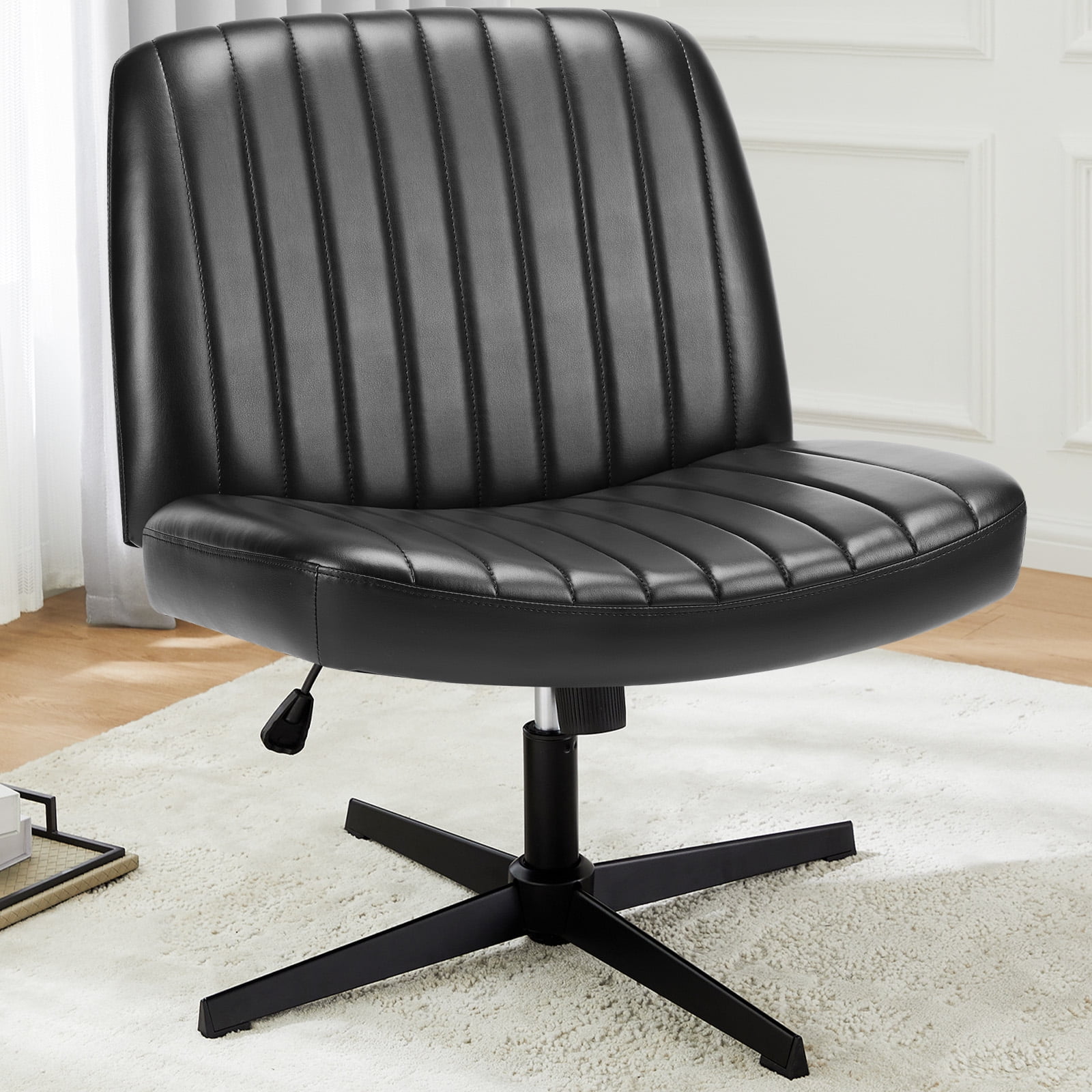
Why Choose a Wide Armless Office Chair? Understanding the Freedom Factor
Imagine working in an office chair that doesn't confine you to a single position—a seat that gives you room to stretch, shift, and find your perfect posture throughout the day. That's precisely what a wide armless office chair delivers. Unlike traditional executive chairs with fixed armrests that can feel like prison bars after hours of sitting, armless designs with extra width offer unprecedented freedom while maintaining the professional appearance your workspace deserves.
Ergonomic Insight: Research from the Human Factors and Ergonomics Society indicates that workers who can change positions freely throughout the day experience 34% less muscular fatigue compared to those restricted to a single seated position. Wide armless chairs facilitate this natural movement pattern by removing physical barriers that typically limit position changes.
The Unique Value Proposition of Wide Armless Design
The combination of "wide" and "armless" creates a seating experience that serves specific user needs better than traditional chair designs. Here's why this configuration matters:
- Unrestricted movement: Without armrests, you can freely shift between sitting positions—forward, sideways, or cross-legged—without bumping into obstructions
- Accommodates diverse body types: The extra width comfortably supports users who find standard 18-20 inch seats too narrow
- Perfect for tight spaces: Despite the wider seat, the absence of protruding armrests allows the chair to fit into narrow cubicles or desks with limited side clearance
- Versatile sitting options: Ideal for those who practice yoga-inspired sitting positions, meditation breaks, or simply prefer curling up while working
- Easier desk access: Slide closer to your desk without armrests hitting the desktop edge—perfect for low-profile desks or keyboard trays
Critical Considerations When Shopping for Wide Armless Office Chairs
Selecting the perfect wide armless chair requires understanding several key factors that distinguish quality models from basic options. Use this comprehensive guide to evaluate your choices:
| Feature | Importance for Wide Armless Chairs | Recommended Specifications |
|---|---|---|
| Seat Width | Primary feature—determines actual spaciousness and comfort | Minimum 22 inches for wide; 24-28 inches for extra-wide; 30+ inches for bariatric options |
| Seat Depth | Critical since armrests won't help position you; proper depth prevents pressure behind knees | Adjustable depth 16-21 inches or fixed depth with waterfall edge design |
| Lumbar Support | Even more crucial without armrests to offload upper body weight | Built-in lumbar curve with adjustable height and depth tension |
| Base Stability | Wider seat requires wider base to prevent tipping during movement | Five-point base with minimum 28-inch span; reinforced construction for heavy-duty models |
| Backrest Height | Determines shoulder support level since arms won't provide upper body assistance | Mid-back (18-22 inches) for mobility; high-back (22-26 inches) for full torso support |
| Weight Capacity | Wider seats distribute weight differently; need higher ratings for same user weight | Minimum 300lbs standard; 400-500lbs for heavy-duty wide models |
Who Benefits Most from Wide Armless Office Chairs?
While these chairs can work for anyone, certain user profiles find them particularly advantageous. Understanding if you fit these categories helps justify the investment:
Big & Tall Users
Extra width accommodates broader hips and thighs comfortably without squeezing
Cross-Legged Sitters
Freedom to fold legs without armrest obstruction—common among creative professionals
Physical Therapy Patients
Easy side transfers and position changes during recovery periods
Pregnant Workers
Accommodates changing body dimensions without armrest pressure
Artists & Designers
Freedom to lean, twist, and reach for tools without chair restrictions
Narrow Workspace Users
Wider seat but no protruding arms—fits where standard chairs won't
Material and Construction Considerations for Wide Armless Chairs
The materials used in wide armless office chairs directly impact comfort, durability, and maintenance requirements. Since these chairs often serve users who spend extended hours seated, material quality becomes paramount. Here's what you need to know about each option:
Fabric Upholstery: The Versatile Choice
High-quality fabric remains the most popular choice for wide armless chairs due to its balance of comfort and practicality. Modern performance fabrics incorporate stain-resistant treatments and breathable weaves that prevent heat buildup during long sitting sessions. For wide seats, fabric offers the advantage of slight stretching that accommodates movement without creating pressure points. Look for fabrics with high rub-count ratings (minimum 50,000 double rubs) for commercial durability.
Mesh: Maximum Breathability
Mesh-backed wide armless chairs provide exceptional airflow, making them ideal for warmer climates or users who tend to overheat. The flexible nature of mesh conforms to body movements, which pairs perfectly with the freedom-oriented design of armless chairs. However, ensure the mesh has sufficient tension to support wider body types without sagging over time. Premium mesh chairs use pellicle or elastomer mesh that maintains tension for years.
Leather and Faux Leather: Premium Aesthetics
Leather wide armless chairs project a professional image while offering easy cleanup—simply wipe spills away. For wide seats, leather requires careful consideration of hide quality; bonded leather may crack prematurely under the stress of wider seating areas. Top-grain leather offers the best durability for wide applications, though it comes at a higher price point. Faux leather provides budget-friendly alternatives but may show wear faster on frequently-used wide seats.
Foam Density: The Hidden Hero
Perhaps the most critical component of any wide armless chair is the foam density in the seat cushion. Standard foam (1.5-1.8 pounds per cubic foot) compresses quickly under wider users, leading to the dreaded "bottoming out" sensation. Premium wide chairs use high-density foam (2.0-2.5 pounds per cubic foot) or cold-cured foam that maintains resilience for years. Some manufacturers incorporate memory foam layers for pressure relief while maintaining supportive cores.
Health and Posture Implications of Armless Seating
Choosing an armless chair—even a wide one—carries specific health considerations that users should understand before purchasing. The absence of armrests fundamentally changes how your body interacts with the chair and desk throughout the workday.
The Posture Dynamics of Armless Sitting
Without armrests, your arms hang naturally from your shoulders, transferring their weight through your torso and into the seat. This creates different biomechanical demands compared to chairs with armrests that offload upper body weight. For users with strong core muscles and good posture, this can actually strengthen postural muscles over time. However, individuals with existing shoulder or neck tension may find the lack of arm support exacerbates their discomfort.
The wide seat compensates by allowing you to shift positions frequently, which distributes pressure across different muscle groups. Think of it like standing versus sitting on a stability ball—the ability to micro-adjust prevents static fatigue. A wide armless chair operates on the same principle, just within a seated context.
Optimal Desk Height for Armless Chairs
Since your arms won't rest on chair armrests, proper desk height becomes even more critical. Your work surface should allow your elbows to rest at 90 degrees while your shoulders remain relaxed—not hunched upward. For most users, this means a desk height between 28-30 inches. If using a standard 29-inch desk, ensure your chair height adjusts so your forearms parallel the floor when typing. Some users prefer slightly lower desks (27-28 inches) when working without arm support.
Complementary Accessories for Armless Chairs
If you love the freedom of a wide armless chair but occasionally need arm support, consider these accessory options:
- Keyboard trays: Mount under your desk to bring the work surface to your natural arm position
- Monitor arms: Position screens at optimal height regardless of chair adjustments
- Footrests: Reduce pressure on thighs and lower back when sitting without arm support
- Lumbar cushions: Enhance back support when the built-in lumbar needs adjustment
- Seat cushions: Add extra padding or pressure relief for extended sitting sessions
Space Planning: Fitting Wide Armless Chairs Into Your Workspace
One common misconception about wide armless chairs is that they require more floor space than standard chairs. In reality, the footprint comparison reveals interesting advantages:
| Measurement Point | Standard Chair (with arms) | Wide Armless Chair | Space Difference |
|---|---|---|---|
| Seat Width | 19-20 inches | 24-26 inches | +5-6 inches (more hip space) |
| Armrest Width (widest point) | 26-28 inches | 24-26 inches (no arms) | -2 inches (narrower at arm level) |
| Base Diameter | 26-28 inches | 28-30 inches (for stability) | +2 inches (slightly larger base) |
| Minimum Desk Clearance Needed | 28 inches (arm to arm) | 24-26 inches (seat width only) | -2-4 inches (fits tighter spaces) |
The key takeaway: while wide armless chairs offer more hip room, they actually require less clearance at arm level since nothing protrudes sideways. This makes them surprisingly space-efficient for narrow cubicles or desks positioned between filing cabinets. The wider base provides stability without extending into your neighbor's workspace.
Matching Wide Armless Chairs to Specific Work Environments
Home Office Applications
In home offices, wide armless chairs excel because they accommodate the varied sitting positions people adopt when working alone—curling a leg under, sitting sideways to reach a side table, or leaning back to think. The casual nature of home workspaces pairs naturally with the freedom these chairs provide. Consider fabric or mesh options for breathability, and look for models with smooth-rolling casters that won't damage hardwood floors.
Corporate and Cubicle Environments
In open-plan offices, wide armless chairs offer the surprising advantage of fitting into tighter cubicles despite their wider seats. Since they lack protruding armrests, they slide into workstations where standard chairs would bang against partitions. The professional appearance of well-designed armless chairs maintains corporate aesthetics while providing employees with superior comfort. Many facility managers appreciate that armless chairs eliminate the armrest wear-and-tear common in high-turnover environments.
Healthcare and Therapeutic Settings
Physical therapy offices, chiropractic clinics, and healthcare facilities increasingly specify wide armless chairs for patient waiting areas and treatment rooms. The easy side transfer—patients can slide onto and off the chair without navigating around armrests—improves accessibility. Wide seats accommodate patients of all sizes comfortably, while durable, easy-clean upholstery meets sanitation requirements.
Creative and Design Studios
Artists, architects, and designers who need to twist toward drawing tables, reach for supplies, or frequently change positions find wide armless chairs indispensable. The freedom to rotate without armrest obstruction and the spacious seat for perching sideways while sketching makes these chairs studio favorites. Look for models with pneumatic height adjustment and smooth-rolling casters for maximum studio versatility.
Durability and Longevity: What to Expect
A quality wide armless office chair represents a significant investment, so understanding expected lifespan and maintenance requirements helps protect that investment. Here's what durability looks like across different price points:
| Price Range | Expected Lifespan | Key Durability Features | Maintenance Needs |
|---|---|---|---|
| Budget ($150-$300) | 2-4 years | Plywood seat base, standard foam, bonded leather or basic fabric | Avoid direct sunlight; spot clean only |
| Mid-Range ($300-$600) | 5-8 years | Reinforced frame, high-density foam, commercial-grade fabric or quality mesh | Annual bolt tightening; foam rotation if possible |
| Premium ($600-$1,200) | 8-12 years | Steel frame, cold-cured foam, premium mesh or top-grain leather, gas lift with 5-year warranty | Leather conditioning annually; mechanical lubrication as needed |
| Heavy-Duty ($800-$1,500) | 10-15 years | Reinforced steel, extra-wide base, high-weight capacity components, commercial casters | Quarterly inspections of gas lift and base integrity |
Signs It's Time to Replace Your Wide Armless Chair
- Seat foam compression: When you feel the hard seat base through the cushion
- Gas lift failure: Chair slowly sinks after being set at desired height
- Base instability: Visible wobble or flex in the five-point base
- Caster deterioration: Wheels that crack, stick, or shed debris
- Upholstery failure: Cracking leather, torn fabric, or mesh that has lost tension
- Persistent squeaking: Despite lubrication, mechanical joints develop play