
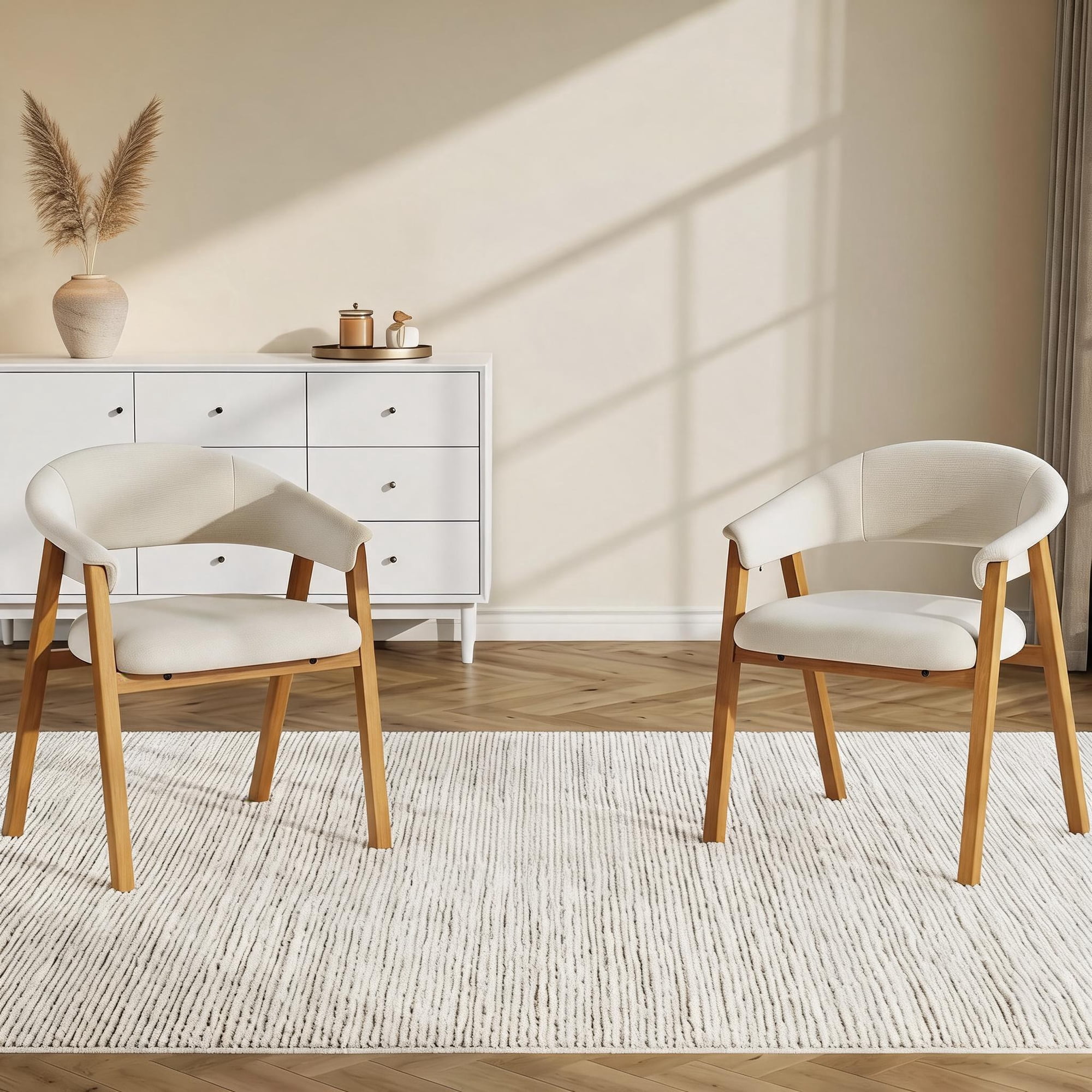
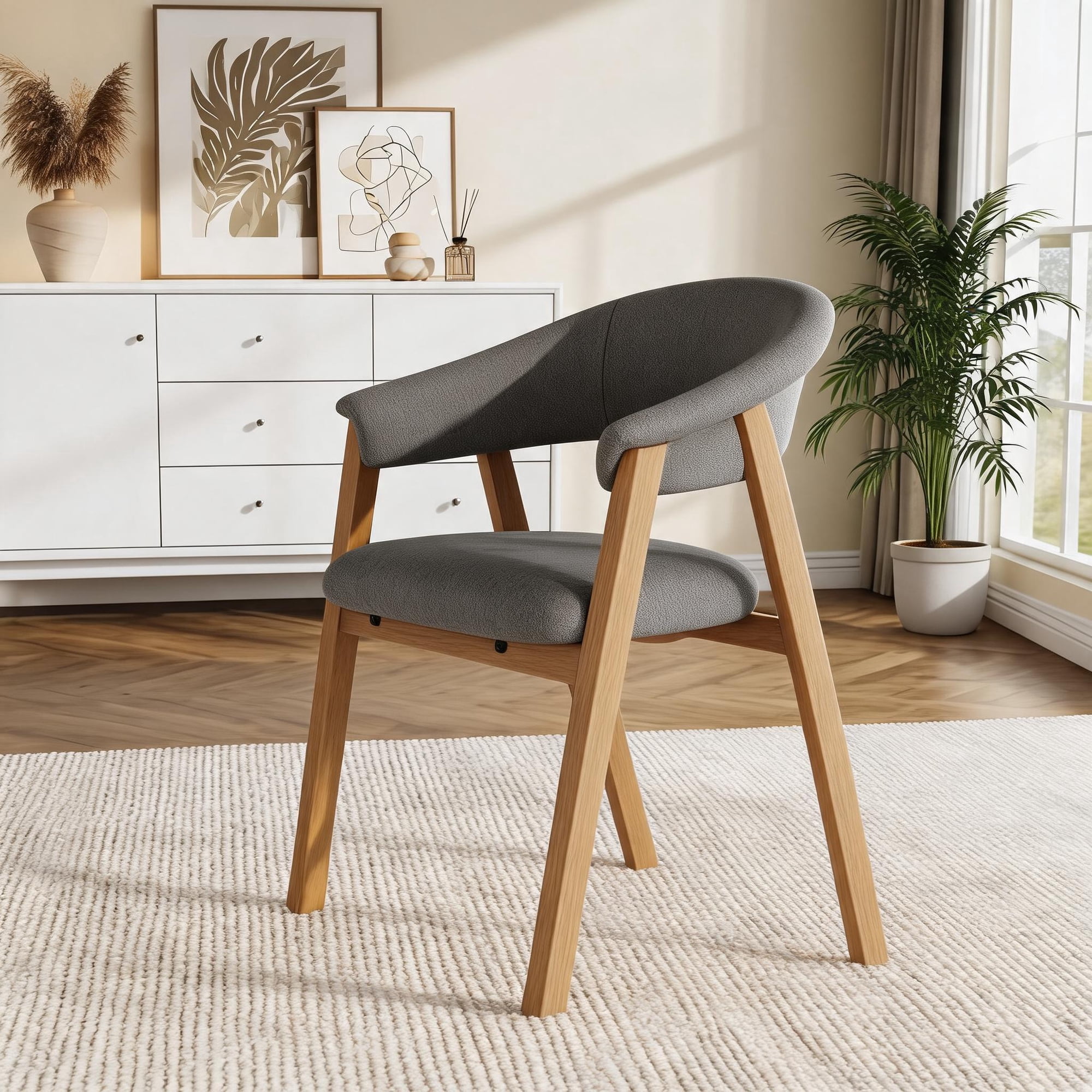
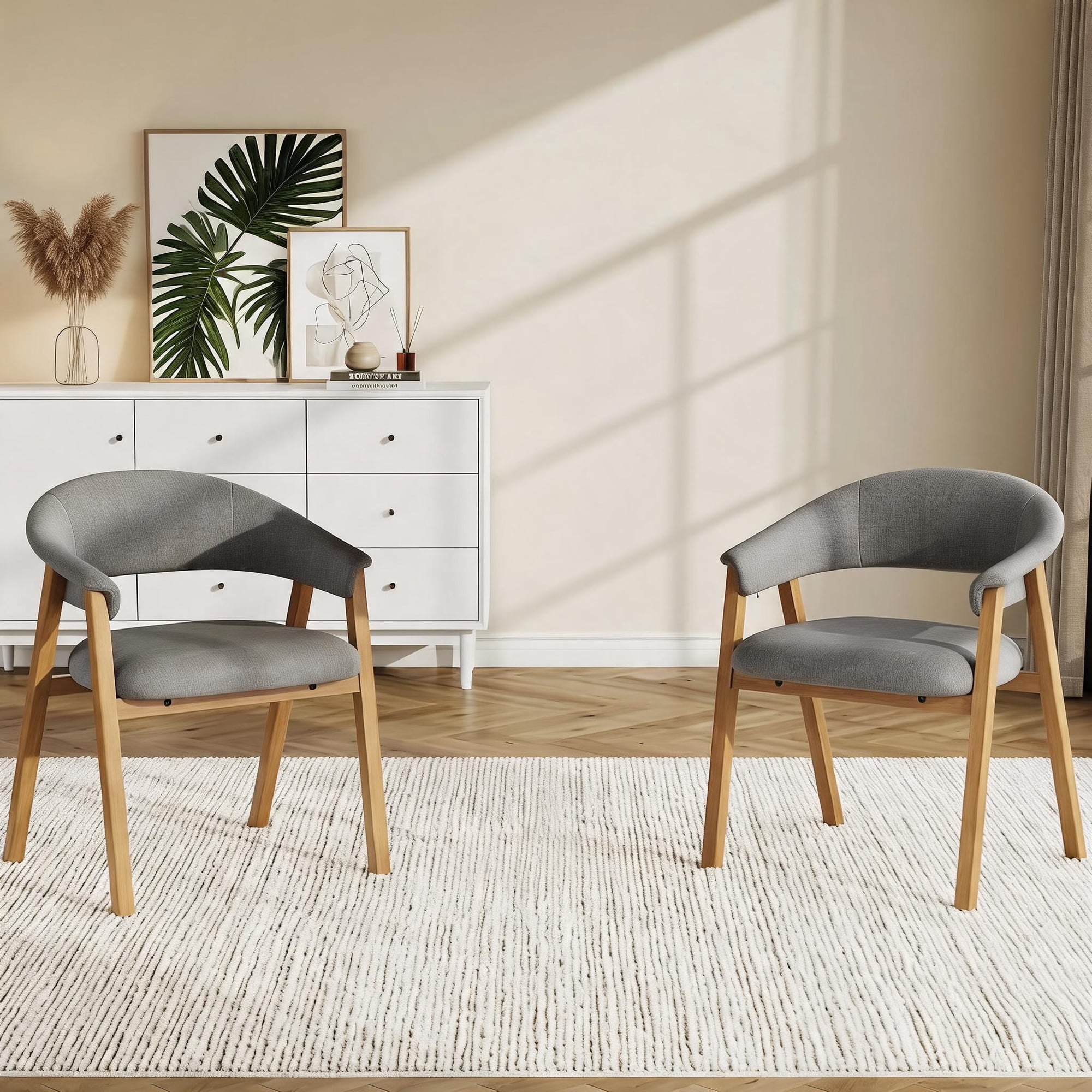
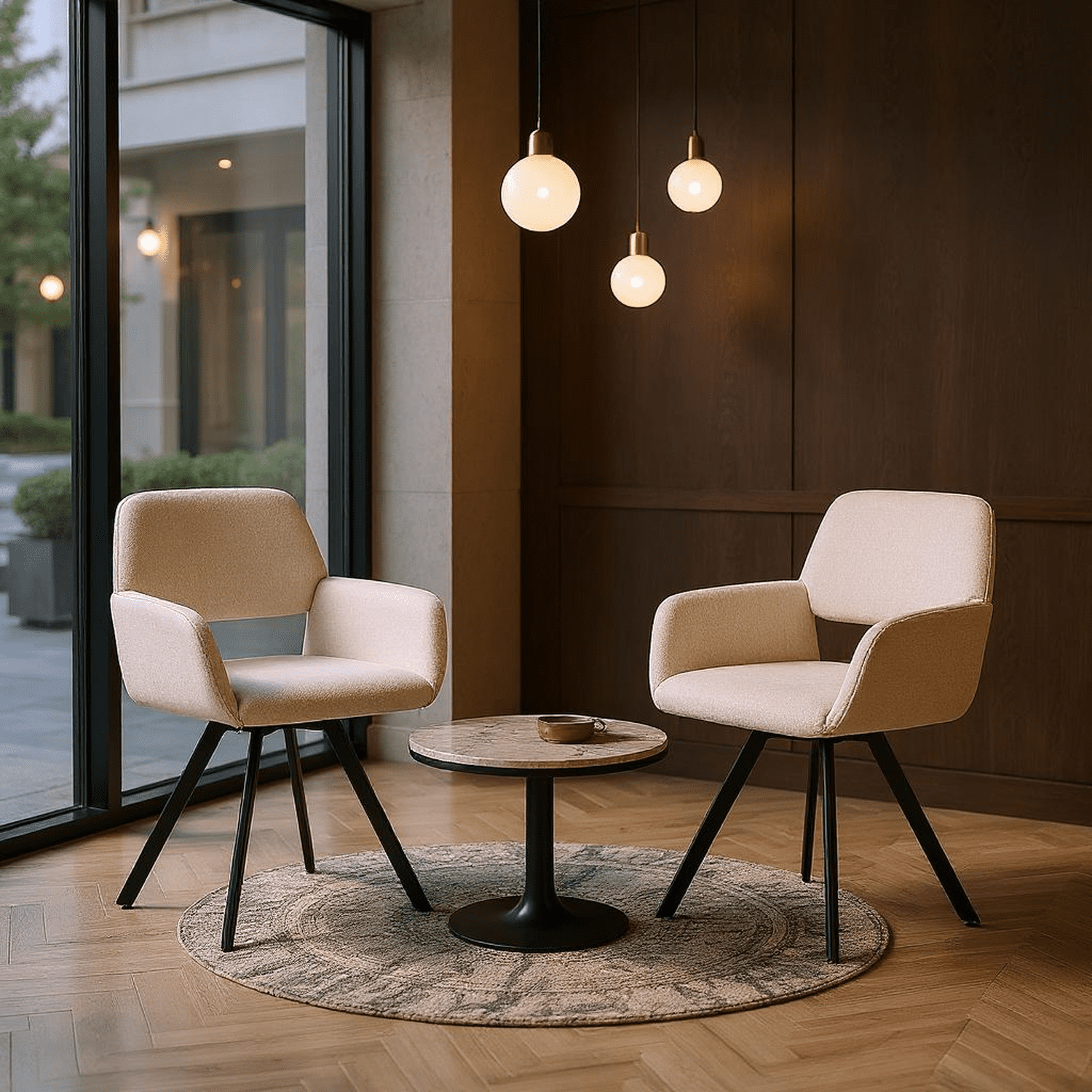
Why Choose an Upholstered Office Chair with Arms?
Imagine sitting down to work and feeling like you’re enveloped in a supportive, quiet cocoon. That’s the magic of a well-made upholstered office chair with arms. Unlike the cold feel of leather or the bare netting of mesh, fabric upholstery offers a tactile warmth that transforms your workspace. These chairs aren’t just about looks—they represent a shift towards creating a home-office environment that feels less like a cubicle and more like a comfortable, personal command center. According to a 2023 survey by the Interior Design Society, 68% of remote workers now prioritize "residential comfort" in their office furniture, with upholstered seating leading the trend.
The Anatomy of a Premium Upholstered Chair
To make an informed choice, you need to look beyond the surface fabric. A high-quality upholstered chair is a system of carefully engineered components. Here’s what separates a chair that lasts five years from one that supports you for a decade.
1. The Foundation: High-Density Foam vs. Standard Padding
The seat is where you spend 90% of your time. Standard polyurethane foam can break down, leading to the dreaded "bottoming out" feeling. Premium chairs use high-density foam (typically 2.5 lbs/ft³ or higher). Think of it like a mattress: high-density foam retains its shape and provides consistent support, distributing your weight evenly and preventing pressure points on your hips and thighs. Some manufacturers also add a top layer of memory foam or gel-infused foam for extra pressure relief and temperature regulation.
2. The Support System: Suspension and Base
What’s under the foam matters just as much. Many high-end upholstered chairs use a sprung suspension system—either serpentine springs or an elastic webbing—that acts like a shock absorber. This prevents you from feeling the hard plywood base beneath the foam. When you test a chair, you should feel a "give" that is cushioned but not mushy. A solid plywood base with a thin layer of foam is a telltale sign of a budget chair that won't offer long-term support.
3. The Fabric: Performance and Feel
Fabric choice dictates comfort, durability, and maintenance. Here’s a quick guide to common upholstery types you'll encounter:
- Performance Polyester / Olefin: The workhorse of office fabrics. It's stain-resistant, fade-resistant, and incredibly durable. Often solution-dyed, meaning the color is part of the fiber, so it won't wash out. Ideal for daily, heavy use.
- Velvet / Chenille: Adds a touch of luxury and softness. It’s surprisingly durable if made from synthetic fibers like polyester. However, it can show wear patterns (crushing) over time and may trap heat.
- Linen / Cotton Blends: Offers a natural, breathable, and casual aesthetic. These are comfortable but less durable and more prone to staining and wrinkling than synthetics. Best for a low-traffic home office.
- Tweed / Wool Blends: Extremely durable, textured, and resistant to dirt and moisture. They provide a classic, scholarly look but can feel coarse to some and may be warmer.
Why "With Arms" Matters: Ergonomics and Functionality
Arms on an office chair are not just a place to rest your elbows; they are a critical ergonomic feature that supports your upper body and reduces strain on your neck and shoulders. However, not all arms are created equal.
Adjustable vs. Fixed Arms
For maximum ergonomic benefit, look for upholstered chairs with adjustable arms. Ideally, you want 4D adjustability: height, width, depth, and pivot angle. This allows you to position your arms so your shoulders are relaxed and your elbows form a 90-degree angle. If you're on a budget, at least ensure the arm height is adjustable so you can slide the chair under your desk when not in use and maintain proper posture while typing. Fixed arms, while common in stylish "executive" chairs, can sometimes be too wide or too high, leading to shoulder shrugging.
Arm Padding and Surface Area
The "upholstered" aspect of the arms is key. Hard plastic arms can cause pressure points on your forearms after a few hours. Look for arms with at least 0.5 inches of foam padding, covered in the same quality fabric as the seat. Wider, contoured armrests provide better support for your forearms, especially if you tend to lean on one side while on the phone. Some premium chairs even offer gel-infused arm pads for additional comfort.
Step-by-Step: How to Choose Your Ideal Upholstered Chair
Follow this practical guide to filter through the options and find the chair that perfectly fits your body and workspace.
Step 1: Measure Your Space & Body
- Seat Height: Measure from the floor to the popliteal crease (the back of your knee). Your feet should rest flat. Look for a chair with a seat height range that accommodates your measurement.
- Seat Depth: There should be 2-3 fingers of space between the back of your knee and the seat edge. If you’re taller, you need a deeper seat; shorter, a shallower one. Adjustable seat depth (seat slider) is a premium feature worth seeking.
- Arm Width: Measure the inside width of your chair space or your desk opening. Upholstered arms can be wide. Ensure the chair's arm width fits comfortably within your work area.
Step 2: Prioritize Key Ergonomic Features
Create a checklist of must-have features based on your work habits. Use a simple scoring system (1-5) when comparing chairs.
- Lumbar Support: Is it adjustable in height and depth? (Non-negotiable for long hours)
- Arm Adjustability: Does it have at least height adjustment? 4D is the gold standard.
- Recline Mechanism: Does it have tilt tension and a lock? A synchro-tilt mechanism (seat and back move together) is excellent.
- Seat Foam Density: Look for "high-density" or "cold-cured foam" in the specs.
Step 3: Evaluate Fabric Durability (The Double Rub Test)
In the commercial fabric world, durability is measured by the "Wyzenbeek Double Rub" test. Here's a simple breakdown:
- 3,000 - 9,000 rubs: Light decorative use only (not for a daily office chair).
- 9,000 - 15,000 rubs: General use, suitable for a part-time home office.
- 15,000 - 30,000 rubs: Heavy-duty use, perfect for a full-time 8-hour workday.
- 30,000+ rubs: Contract-grade, for 24/7 use in multi-shift environments. This is overkill for most home offices but indicates maximum longevity.
Pro Tip: If a manufacturer doesn't provide this spec, look for keywords like "commercial grade," "heavy-duty," or "performance fabric."
Upholstery Material Deep Dive: Pros, Cons & Best Uses
To help you visualize the differences, here’s an expanded comparison of the most common upholstery materials found in office chairs with arms.
| Material | Feel & Aesthetic | Durability | Maintenance | Breathability | Best For |
|---|---|---|---|---|---|
| Polyester / Olefin | Soft, versatile, matte finish | Excellent (high rub count) | Easy (stain resistant) | Moderate | Daily drivers, families, high-traffic offices |
| Velvet | Plush, luxurious, rich color | Good (when synthetic) | Moderate (can crush) | Low | Style-focused offices, executive rooms, low-perspiration users |
| Linen Blend | Natural, textured, casual | Fair | Difficult (stains easily) | Excellent | Aesthetic-focused spaces, part-time use, cool climates |
| Tweed / Wool | Textured, classic, warm | Very Good | Moderate (can pill) | Good | Traditional offices, cooler environments, durable choice |
| Faux Leather (PU) | Sleek, modern, leather-like | Fair (can peel) | Easy (wipes clean) | Poor (can get sticky) | Short-term use, spill-prone areas (if you prioritize easy cleaning over longevity) |
Frequently Asked Questions About Upholstered Chairs with Arms
Final Thoughts: Investing in Long-Term Comfort
Choosing an upholstered office chair with arms is an investment in your daily well-being. It's about creating a workspace that feels inviting and supports your body through every task, from intense focus sessions to creative brainstorming. Don't just look at the price tag; consider the cost-per-year based on the chair's durability. A $600 chair with high-density foam and a robust fabric that lasts 10 years is a better value than a $300 chair that needs replacing every two years. Prioritize adjustability, feel the fabric, and check the foam density. Your back—and your comfort—will thank you for the next decade.