
Redefining Office Seating: The Wellness Revolution
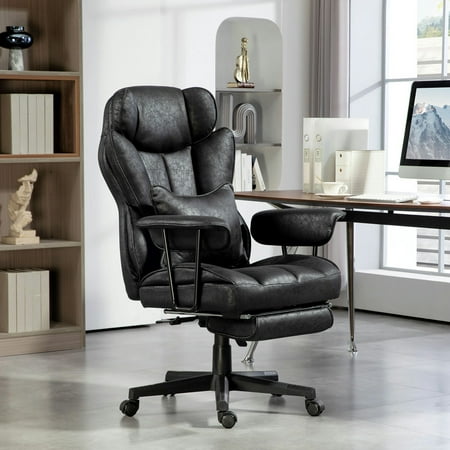
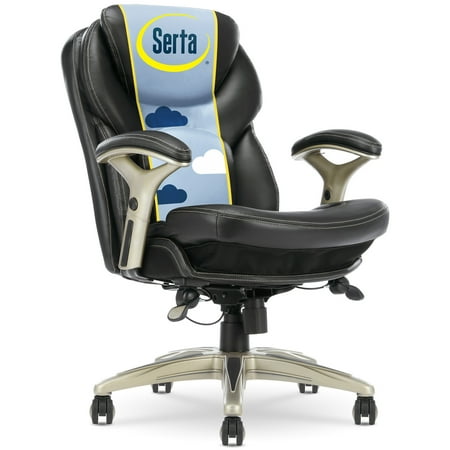
The modern workplace is undergoing a fundamental shift in how we approach employee health and productivity. At the center of this transformation is the true wellness office chair—a category of seating that transcends traditional ergonomics to actively support physical wellbeing throughout the workday. Unlike conventional office chairs designed merely for passive support, wellness chairs incorporate biomechanical principles that work in harmony with your body's natural movements.
The Wellness Statistic That Matters: According to the American Chiropractic Association, 80% of the population will experience back pain at some point in their lives, with prolonged sitting being a primary contributor. True wellness seating can reduce spinal disc pressure by up to 35% compared to standard office chairs, according to biomechanical research published in the Journal of Spine Health.
Think of a true wellness office chair as the difference between wearing rigid, uncomfortable shoes versus wearing high-performance athletic footwear designed to support your foot's natural movement. Just as quality running shoes absorb shock and promote proper gait, wellness chairs are engineered to complement your body's biomechanics, encouraging micro-movements that keep your musculoskeletal system engaged and healthy.
The Science Behind True Wellness Seating
1. Active Sitting Technology: Beyond Static Support
Traditional ergonomic chairs excel at providing static support—they hold you in a fixed position. However, the human body is designed for movement. True wellness office chairs incorporate active sitting technology that responds to and encourages natural motion. This includes:
- Dynamic lumbar systems that flex and adjust as you shift position, maintaining continuous support
- Pelvic stabilization cradles that promote neutral spine alignment by supporting the foundation of your spinal column
- Weight-activated recline mechanisms that move with your body rather than fighting against it
- Multi-dimensional movement allowing forward tilt, lateral flexibility, and synchronous recline
- Responsive seat foam that redistributes pressure points every time you move
Static Seating Impact
Prolonged static sitting causes muscles to disengage, leading to fatigue upon standing.
Wellness Seating Benefit
Active sitting chairs encourage subtle position changes that maintain muscle engagement.
Disc Pressure Reduction
Dynamic support distributes weight more evenly across spinal structures.
2. The Pelvic Foundation: Where Wellness Begins
Chiropractors and physical therapists emphasize that spinal health starts at the pelvis. The pelvis is the foundation upon which your entire spine rests. A true wellness office chair addresses this through specialized pelvic support design:
- Sacral support blades that cradle the pelvic structure and prevent posterior pelvic tilt (slouching)
- Contoured seat basins that encourage proper hip positioning—hips slightly higher than knees at approximately 100-110 degrees
- Adjustable seat depth ensuring proper thigh support without pressure behind the knees
- Waterfall seat edges that promote circulation by eliminating pressure on the popliteal fossa (behind the knees)
When the pelvis is properly supported, the lumbar spine naturally assumes its correct curvature. This foundational approach distinguishes wellness chairs from standard ergonomic seating that may only address the lumbar region without considering its pelvic foundation.
3. Movement as Medicine: The Micro-Movement Philosophy
The human body craves movement. Even when you're deeply focused on work, your body needs to make subtle adjustments. True wellness office chairs are designed around the principle that movement, even in tiny increments, is essential for:
- Nutrient exchange in spinal discs: Spinal discs lack direct blood supply and rely on movement-induced pressure changes to receive nutrients and eliminate waste
- Muscle endurance: Static postures fatigue muscles faster than positions that allow subtle shifts
- Venous return: Movement helps pump blood from the lower extremities back to the heart
- Mental focus: Micro-movements prevent the drowsiness associated with complete physical stillness
4. Breathable, Responsive Materials for Thermal Comfort
A often-overlooked aspect of wellness seating is temperature regulation. When you're too warm or too cool, your body experiences stress. Premium true wellness office chairs utilize advanced materials:
- 3D spacer mesh that creates an air gap between your body and the chair, allowing continuous airflow
- Phase-change materials that absorb excess body heat and release it when needed
- Open-cell foams that breathe rather than trapping heat and moisture
- Moisture-wicking fabric covers that remain comfortable during extended sitting sessions
5. The Wellness Difference: Comparison with Standard Ergonomic Chairs
| Feature Aspect | Standard Ergonomic Chair | True Wellness Office Chair |
|---|---|---|
| Lumbar Support | Static or simple height adjustment | Dynamic, responsive to movement with depth and height adjustment |
| Pelvic Support | Minimal or absent | Integrated pelvic cradle or sacral support blade |
| Movement Philosophy | Lock you into position | Encourage and accommodate movement |
| Tilt Mechanism | Simple recline with tension control | Synchronized or asynchronous movement following body pivot points |
| Material Focus | Durability and cost | Breathability, pressure distribution, and thermal regulation |
| Long-Term Health Approach | Prevent immediate discomfort | Actively promote spinal health and circulation |
6. Who Benefits Most from Wellness Seating?
While virtually anyone can benefit from improved seating, certain groups find true wellness office chairs particularly valuable:
- Knowledge workers spending 8+ hours daily at desks
- Individuals with existing back conditions seeking supportive seating that won't exacerbate issues
- Preventive health enthusiasts who understand that today's seating choices affect tomorrow's mobility
- Remote workers who may lack access to corporate ergonomic assessments and need self-supporting solutions
- Tall or petite individuals who struggle with "one-size-fits-most" standard chairs
- People recovering from injuries who need chairs that adapt to changing physical conditions
7. Key Features to Look for in True Wellness Office Chairs
When evaluating wellness chairs, these specific features distinguish genuine wellness designs from marketing claims:
- Independent lumbar depth adjustment — not just height, but the ability to increase or decrease how much the lumbar support protrudes
- Seat depth adjustment with at least 2-3 inches of travel to accommodate different thigh lengths
- Forward tilt capability that allows the seat pan to angle downward, opening the hip angle for task-focused work
- Synchronized recline where the seat and backrest move in a coordinated, ergonomically-optimized ratio
- Backrest height adjustment ensuring lumbar support aligns with your specific spinal curvature
- 4D armrests that adjust in height, width, depth, and pivot angle
- Weight-activated recline that automatically adjusts tension based on your body weight
Frequently Asked Questions About True Wellness Office Chairs
Conclusion: Investing in Your Long-Term Wellness
The choice of office seating is fundamentally a choice about your long-term health. True wellness office chairs represent an investment in your physical wellbeing that pays dividends in comfort, productivity, and reduced risk of chronic musculoskeletal issues. Unlike conventional chairs that may leave you fatigued and stiff at day's end, wellness-designed seating supports your body's natural need for movement and proper alignment.
When selecting your wellness chair, remember that the most expensive option isn't always the best for your specific needs. Focus on finding a chair with the adjustability range that matches your body dimensions, the dynamic features that encourage movement, and the build quality that ensures years of reliable service. Your spine—and your future self—will thank you for the investment.
Final Wellness Thought: The average executive will spend approximately 80,000 hours sitting during their career. Choosing a true wellness office chair transforms those hours from a potential health liability into an opportunity for sustained physical wellbeing. It's not just a chair; it's your daily wellness partner.