
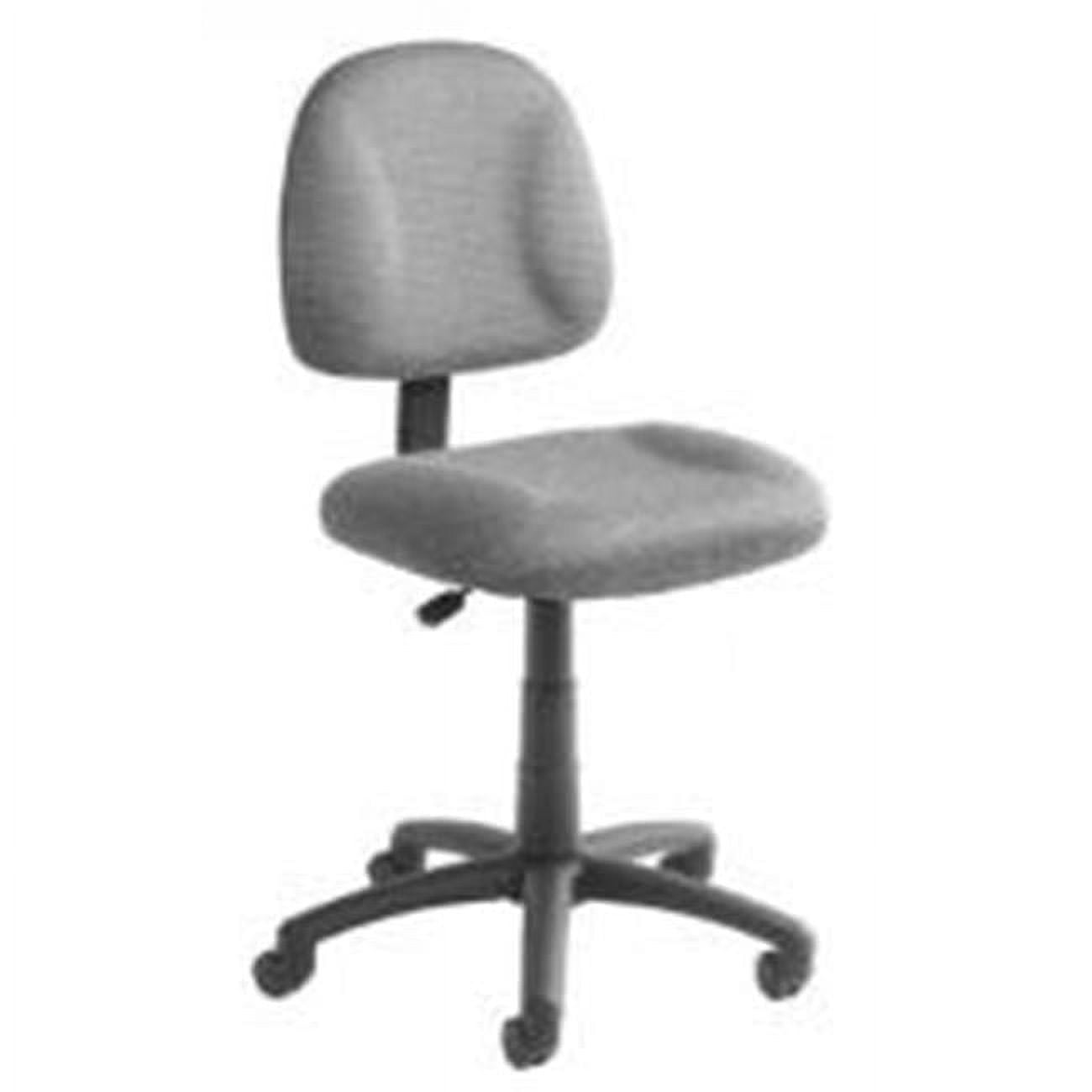

Why Your Next Chair Must Be a Posture-First Design
Think of your spine as a tower of blocks. When the tower is straight, it can bear enormous weight. When it slouches, even a light push makes it crumble. A standard office chair lets you collapse; a posture office chair acts as the scaffolding that keeps every block aligned. This isn't just about comfort — it's about long-term health and daily productivity.
Research note: The American Chiropractic Association states that 80% of people will experience back pain at some point. Prolonged poor sitting posture is a primary contributor. Investing in a chair designed for spinal health can reduce sick days by 32% and improve concentration by 38% (Cornell University Ergonomics Web).
1. The Anatomy of a True Posture Office Chair
Not every chair labeled "ergonomic" is a posture chair. Real posture-correcting chairs share a specific anatomy:
- Dynamic Lumbar Support: Unlike static pillows, this support moves with you. It should be adjustable both in height and depth (how far it pushes into your back). The goal is to fill the gap between your lumbar curve and the chair.
- Synchro-Tilt Mechanism: This allows the seat and backrest to move at a ratio (usually 2:1 or 3:1). As you recline, your thighs stay supported, and your head stays over your shoulders, maintaining alignment.
- Seat Depth Adjustment (Slide): A must-have! You need 2-4 fingers of space between the back of your knee and the seat pan. Too deep, and you compress nerves; too shallow, and your thighs aren't supported, leading to pelvic tilt.
- Adjustable Armrests (4D): Armrests that move up/down, forward/back, and pivot allow your shoulders to relax. Raised shoulders from fixed armrests create neck tension and ruin posture.
- Waterfall Front Edge: The seat pan curves down gently at the front, preventing pressure on the thighs and improving blood circulation to the legs.
2. The "Invisible Gym" Effect: How Posture Chairs Strengthen Your Core
There's a common myth: a good chair should hold you rigid. In reality, the best posture chairs encourage micro-movements. Think of them as an "invisible gym" for your core. High-end posture chairs (like those with a "forward tilt" function) engage your abdominal muscles slightly. This constant, low-level activation keeps muscles toned and prevents the deconditioning that leads to back injuries when you lift something heavy. It's like trading a hammock (standard chair) for a stability ball with a backrest — support where you need it, freedom where you don't.
3. Posture vs. Comfort: Debunking the "Soft Chair" Myth
We often equate softness with comfort. But for your spine, a marshmallow-soft chair is a disaster. You sink in, your hips rotate backward, and your lower back rounds (called "sacral sitting"). A true posture office chair feels firm initially. The "comfort" comes from support, not padding. You should feel pressure on the right parts of your back (the supportive frame), not squishy sinking. Over time, your brain equates this supported feeling with true comfort because fatigue disappears.
✔ Cervical Alignment
Headrests designed to support the neck's natural curve reduce forward head posture, which can weigh up to 60lbs of strain on neck muscles.
✔ Thoracic Support
Mid-back contours prevent the rounded shoulder appearance common in desk workers.
✔ Pelvic Stability
A deep, contoured seat keeps your pelvis neutral — the foundation of a straight spine.
✔ Energy Flow
Proper alignment reduces compression on nerves and blood vessels, keeping you alert longer.
4. Step-by-Step Guide: Dialing in Your Perfect Posture Settings
Buying a posture chair is only half the battle. Here’s how to adjust it for YOUR body:
- Foot Flat Rule: Adjust chair height so your feet rest flat on the floor, with knees at a 90-100 degree angle. Thighs parallel to the floor.
- Seat Depth: Slide forward until your back is against the backrest. Measure the distance from the back of your knee to the seat edge. Adjust the seat pan until you have a 2-finger gap.
- Lumbar Height: The lumbar support pad should hit the narrowest part of your lower back (usually around belt line). Adjust up/down until it feels like it's "pressing" slightly into the curve.
- Lumbar Depth (if available): Increase the pressure until you feel supported but not pushed forward. You shouldn't feel like you're being arched unnaturally.
- Armrests: Raise them until your elbows form a 90-degree angle when typing. Move them inward so your shoulders aren't hunched.
- Recline Tension: Adjust so you can lean back without forcing it, but it still offers resistance to keep you engaged.
5. Material Science: What Fabric Works Best for Posture?
The material of a posture chair affects how well it supports you:
- High-Tensile Mesh: The gold standard for backrests. It breathes and provides "variable tension" — more support where you need it (lumbar), less where you don't (upper back).
- Memory Foam with Latex: For seats, memory foam contours, but latex adds push-back so you don't sink into poor alignment. Look for "cold-cure foam" which is denser and lasts longer.
- Leather (Premium only): High-end leather chairs use soft but firm padding. Avoid cheap bonded leather, which cracks and loses shape, ruining posture support.
6. Special Populations: Posture Chairs for Different Body Types
Posture isn't one-size-fits-all. Here’s what to look for based on your body:
| Body Type | Critical Feature | Why It Matters |
|---|---|---|
| Petite (under 5'4") | Shorter seat depth, lower backrest height | Prevents the seat from hitting behind the knees and ensures lumbar hits the right spot, not too high. |
| Tall (over 6'2") | Extra-tall backrest, adjustable headrest | Supports the entire spine including the cervical region; standard chairs end mid-back, offering no thoracic support. |
| Plus-Size / Bariatric | Wider seat, higher weight capacity (400+ lbs), reinforced mechanism | Prevents the chair from tipping or the mechanism failing under load, maintaining postural integrity. |
7. Posture Chairs vs. Active Sitting (Kneeling, Saddle, Ball Chairs)
You might have seen kneeling chairs or saddle seats. How do they compare to a posture office chair?
- Kneeling Chairs: Great for opening the hip angle and forcing an anterior pelvic tilt, but they can put pressure on knees and are hard to use for 8 hours.
- Saddle Chairs: Excellent for dentists or surgeons who need to lean forward, but they can be uncomfortable for wide-legged sitting.
- Posture Office Chair (High-End): Offers the best of both worlds: you can sit upright, recline, or engage in forward-tilt mode to mimic active sitting without sacrificing full-body support.
A quality posture chair is a long-term investment. It adapts to you, whereas specialized chairs force you to adapt to them.
8. Maintenance: Keeping Your Posture Chair Effective
Over time, gas cylinders lose pressure and foam compresses. Signs your posture chair is failing:
- You sink down during the day (cylinder failure).
- The seat pan feels like you're hitting a hard bottom (foam breakdown).
- The mesh sags and doesn't push back.
High-end chairs often have replaceable parts. Look for brands that sell replacement cylinders, casters, and foam seats. A good posture chair should last 10+ years with proper care.
Frequently Asked Questions About Posture Office Chairs
Final Verdict: Invest in Your Spine, Invest in Your Future
Your posture is the foundation of your physical well-being. A posture office chair is not an expense; it's a investment in your energy, focus, and long-term health. The models recommended above (via the Walmart feed) represent the best blend of science and comfort available today. Don't let another year of slouching pass you by — choose a chair that works as hard as you do.