
The modern office often feels like a sea of uniform, grey mesh and stark plastic. In this landscape, the classic office chair stands as a beacon of individuality and enduring style. It whispers of tradition, quality, and a time when furniture was built to last a lifetime. Choosing a classic design isn't just about nostalgia; it's about making a conscious decision to surround yourself with objects that are both functional and beautiful, creating a workspace that inspires confidence and focus.
The Anatomy of a Classic: Key Design Elements
What exactly makes an office chair "classic"? It's a combination of design cues, materials, and construction methods that have stood the test of time. Understanding these elements will help you appreciate the craftsmanship and choose a chair that truly embodies the spirit of timeless design.
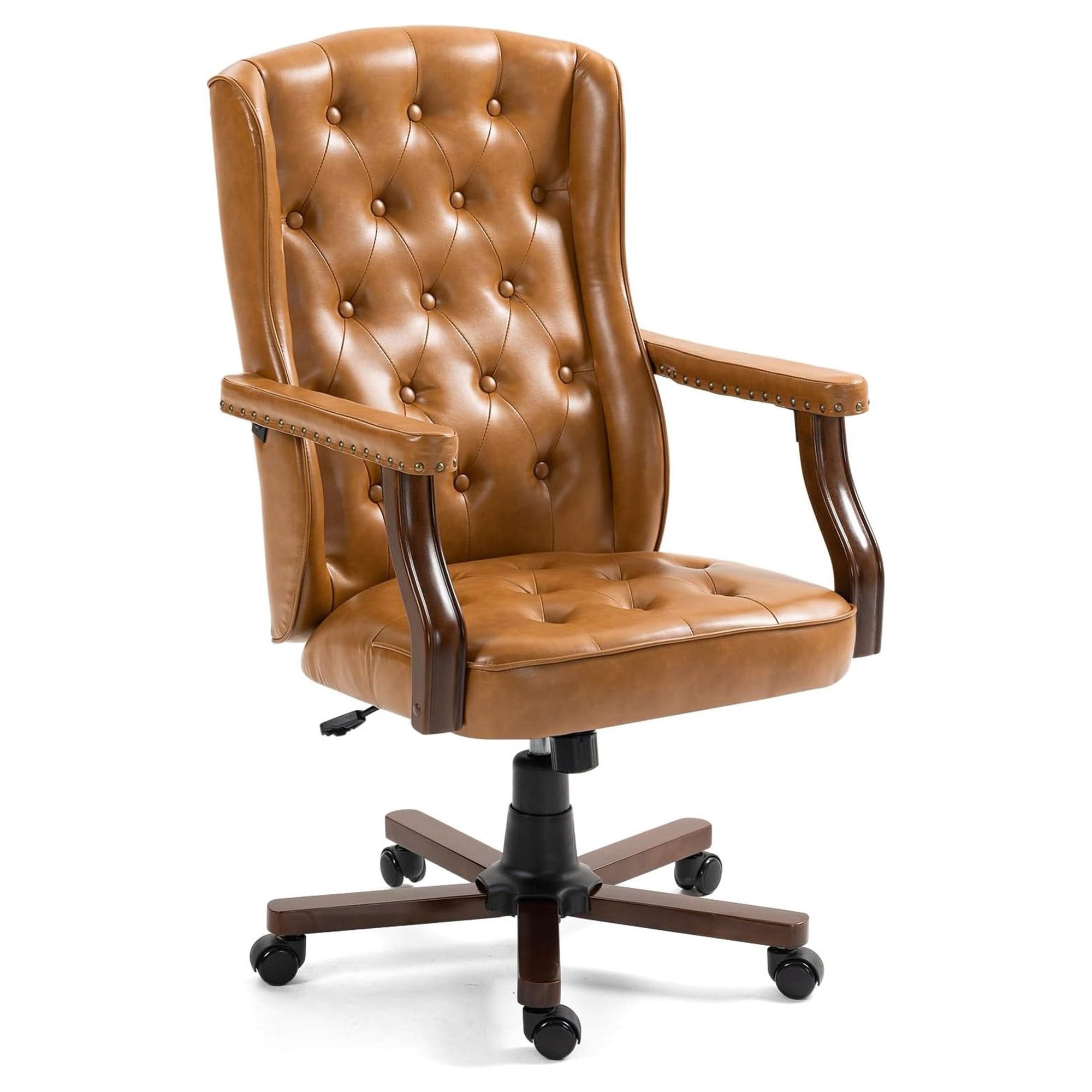
1. The Silhouette: From High-Back Executives to Wingbacks
The overall shape is the first thing you notice. Classic chairs often feature:
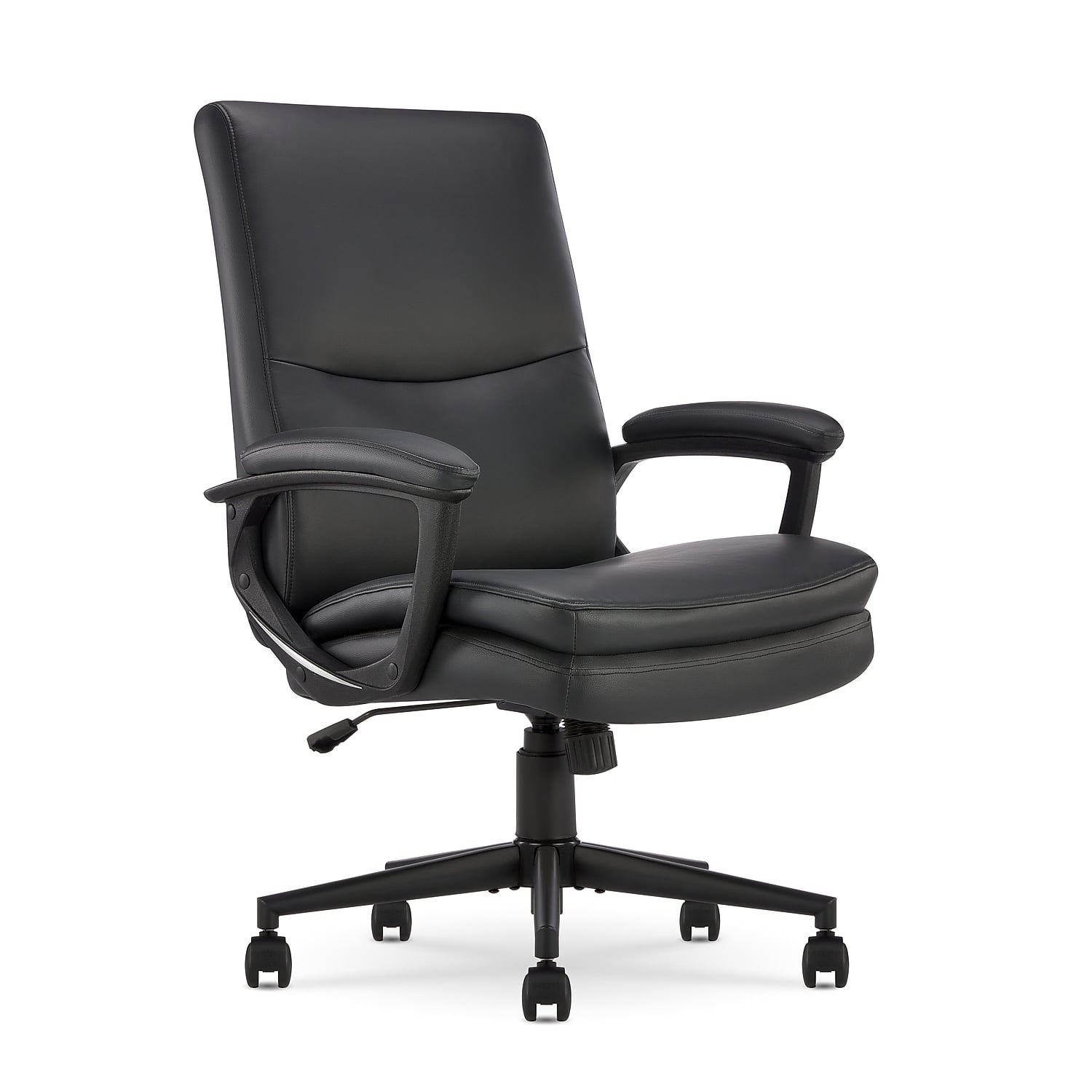
- The High-Back Executive: A tall, commanding back that offers full upper-body support, often associated with leadership and authority. Think of the iconic chairs in traditional law firms or corner offices.
- The Wingback Design: Borrowed from 17th-century armchairs, the "wings" on the back were originally designed to trap heat from a fireplace and shield the sitter from drafts. In an office, they create a sense of enclosure and focus.
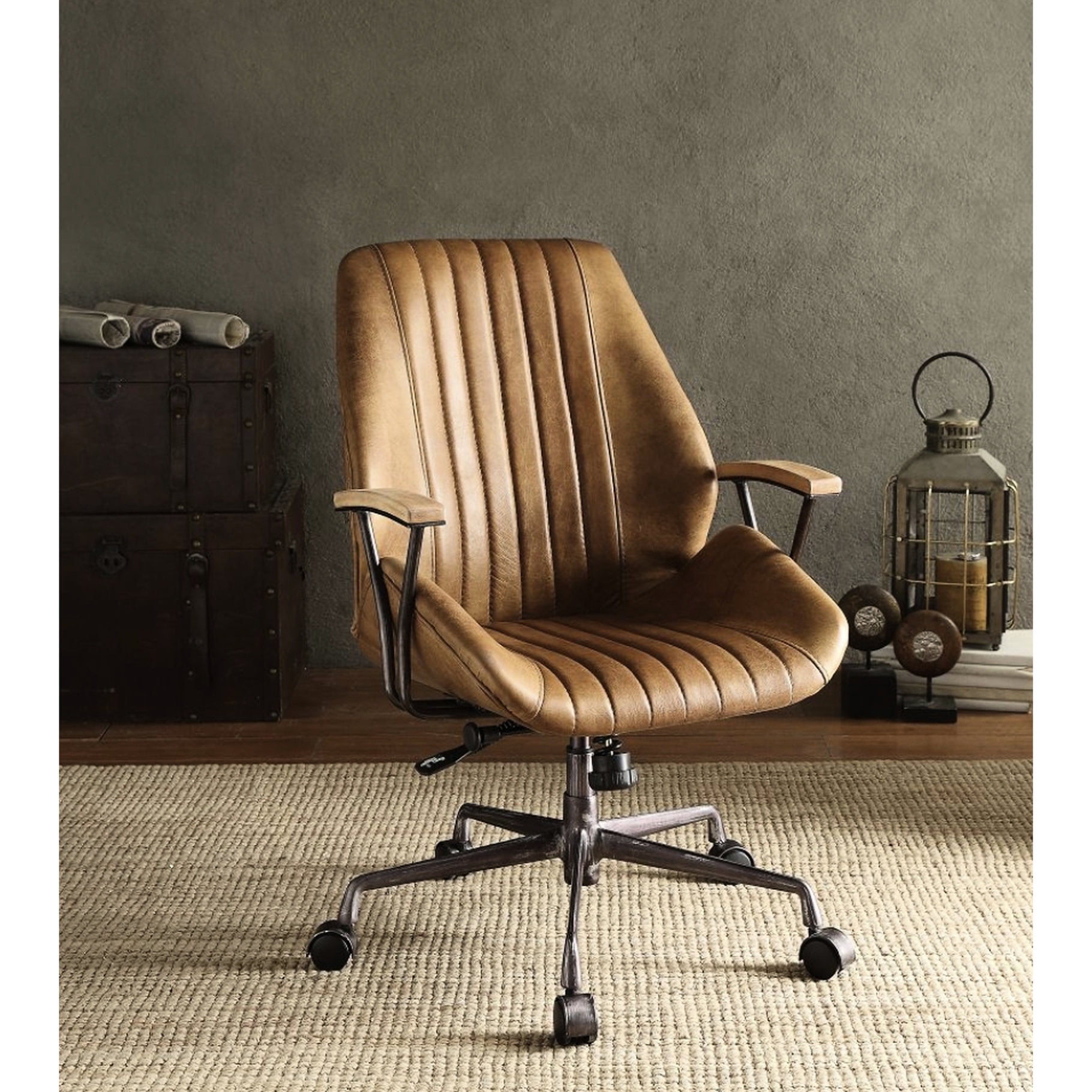
- Mid-Century Modern Influence: Cleaner lines, gently angled backs, and often a separated cushion and backrest. These chairs (like those inspired by Danish designers) offer a lighter, more airy take on the classic form.
- Tufted Detailing: Deep button-tufting, particularly in the Chesterfield style, adds a layer of texture, luxury, and visual depth. It's a hallmark of traditional craftsmanship.
2. Material Story: The Heart of Authenticity
A classic chair’s soul is in its materials. A $200 imitation cannot replicate the experience of a well-crafted piece.
- Leather Upholstery: This is the quintessential material. Full-grain or top-grain leather isn't just a covering; it's a material that ages gracefully, developing a unique patina that tells the story of your career. It breathes, conforms to your body, and, with care, can outlast its owner. Faux leather or bonded leather simply peels and cracks, losing its appeal in a few years.
- Hardwood Frames & Accents: Look for solid oak, mahogany, walnut, or cherry. These hardwoods provide immense structural integrity. The wood might be showcased in the armrests, the base of the chair, or as a striking trim along the back. A polished wood finish adds instant warmth and gravitas.
- Polished Metal or Wooden Bases: The five-star base can be a work of art in itself. Classic chairs often feature polished aluminum or a base crafted from the same hardwood as the rest of the chair, complete with smooth-rolling castors designed for carpeted floors.
Bridging Eras: How Modern Ergonomics Meets Classic Style
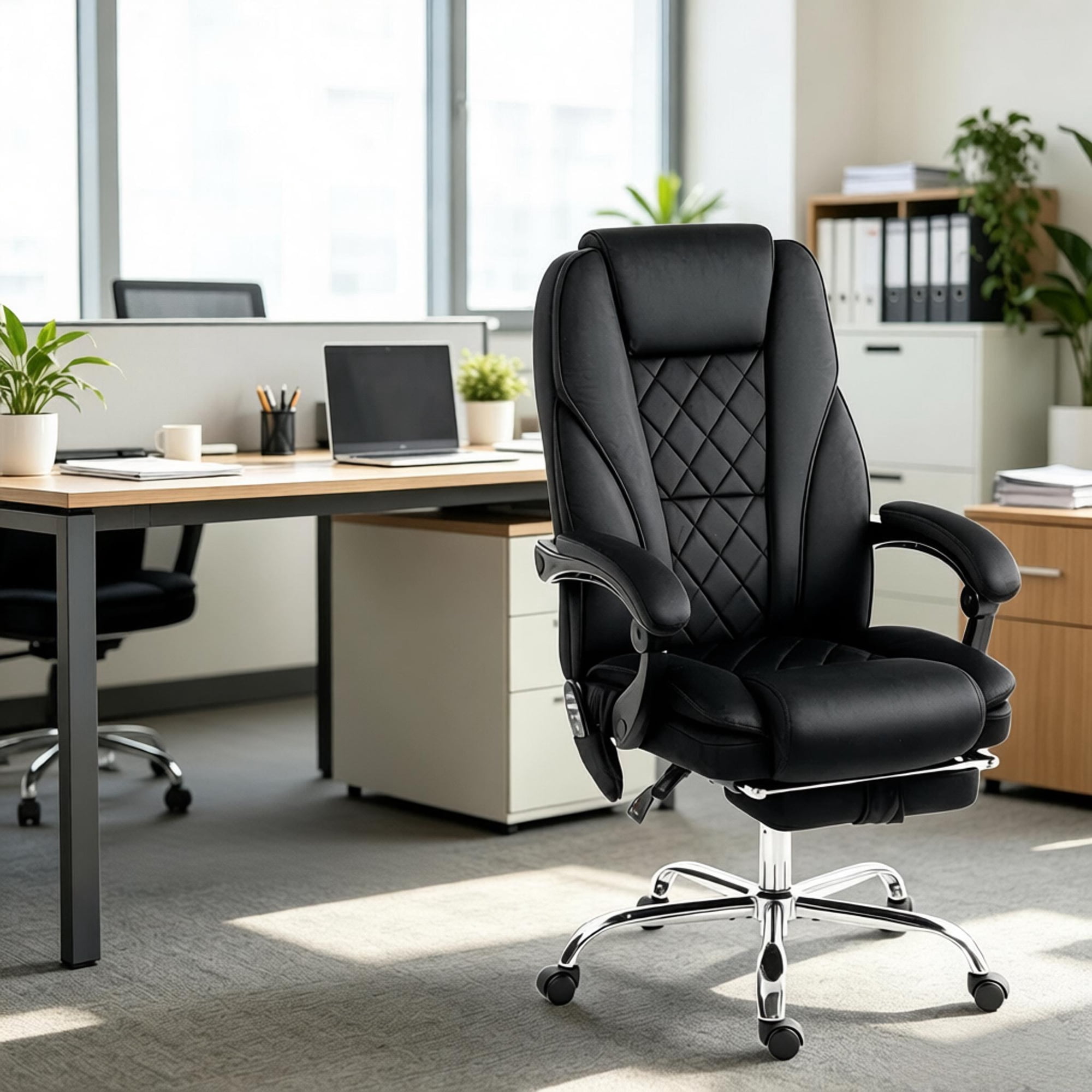
The biggest misconception is that a classic chair can't be comfortable for long hours. Today’s best classic office chairs are cleverly engineered to hide 21st-century ergonomics within a vintage-inspired shell. It’s like having a modern suspension system in a beautifully restored classic car.
Hidden Lumbar Support
Adjustable lumbar mechanisms are built into the backrest, providing crucial lower back support without visible levers or bulges that disrupt the chair's clean lines.
Synchronized Recline
Advanced tilt mechanisms allow the seat and back to move in a natural, synchronized ratio (often 2:1 or 3:1). This keeps you supported and your feet on the floor as you lean back for a thoughtful moment.
Discreet Adjustability
Seat height adjustment is standard. Some premium models offer hidden seat depth adjustment, allowing you to set the perfect distance to the backrest, ensuring proper thigh support without any visible controls.
High-Density Foam
Modern, high-resilience foam is used for the seat and back cushions. It provides immediate comfort and support, resisting the flattening and sagging that plagued older chairs, ensuring the chair remains comfortable for years.
Choosing Your Classic: A Practical Guide
Selecting the right classic chair is a personal journey. Here’s a step-by-step approach to finding your perfect match.
- Step 1: Define Your Workspace Aesthetic. Is your office traditional with dark wood paneling? A rich, high-back burgundy leather chair would be perfect. Is it a modern loft with concrete floors? A mid-century modern classic in tan leather or a lighter wood tone would provide a stunning contrast.
- Step 2: Prioritize Your "Must-Have" Comfort. Do you need significant lower back support? Prioritize chairs with enhanced hidden lumbar. Do you tend to sit in one position or move around frequently? This will dictate whether you need a more firm, supportive seat or a more forgiving, flexible backrest.
- Step 3: Inspect the Construction. If possible, examine the chair in person. Check the stitching—it should be even and tight. Press on the leather—it should feel substantial. Tilt the chair—the mechanism should feel solid and smooth. For wooden bases, check the joinery and finish quality.
- Step 4: Consider the Scale. Classic chairs, especially high-back executives, can be large. Measure your space. A massive wingback chair might overwhelm a small home office, while a sleek mid-century design could be ideal. Ensure the chair's proportions match both your body and your room.
- Step 5: Read Reviews (for the Mechanism). While aesthetics are subjective, the performance of the gas lift, tilt mechanism, and castors is not. Look for reviews that mention the long-term durability of these functional parts. A beautiful chair that sinks down or won't tilt is just a sculpture.
Design Longevity Fact: A study by the interior design firm, Gensler, found that 73% of employees feel that a workspace with character and personal elements, like classic or vintage furniture, positively impacts their sense of well-being and pride in their workplace. A classic chair is an investment in that feeling.
The Enduring Value: Why "They Don't Make 'Em Like They Used To" Is a Good Thing
In an era of fast furniture and planned obsolescence, a well-made classic office chair is an antidote. It's a purchase you make once. While the initial cost is higher than a mass-market chair, the cost-per-year over its 20-30 year lifespan is remarkably low. It's a sustainable choice, reducing waste. Moreover, it's a piece that can move with you from job to job, home office to home office, becoming a familiar and reliable part of your professional life. It’s not just a chair; it's a legacy piece for your career.