

Why Your Office Needs a Meditation Chair
Imagine this: you’re halfway through a hectic afternoon, your shoulders are tense, and your mind is racing. Instead of reaching for another coffee, you take a deep breath, shift your posture in a chair designed for mindfulness, and within two minutes you feel centered again. That’s the power of a meditation chair office – it’s not just furniture; it’s a tool for mental clarity.
Traditional office chairs often lock you into one position. They might be comfortable for typing, but they rarely encourage the kind of upright, open posture that supports deep breathing and calm awareness. A meditation-friendly chair changes that. It becomes a physical anchor for your mindfulness practice, right at your desk.
Did you know? According to a 2023 study by the American Institute of Stress, 83% of US workers suffer from work-related stress. A dedicated space for micro-meditation – even a special chair – can lower cortisol levels and improve focus by up to 34% in just 10 minutes.
The Anatomy of a Meditation-Friendly Office Chair
Not every ergonomic chair works for mindfulness. We’ve broken down the core elements that transform a simple seat into a meditation sanctuary.
1. Posture Alignment: The “Alert but Relaxed” Sweet Spot
In meditation, the spine is like a stack of coins – naturally curved but straight. A good meditation chair supports this without forcing you into a rigid position. Look for:
- Pelvic support: A slight forward tilt (like in kneeling chairs) helps maintain the natural lumbar curve.
- Flat, firm seat: Avoid deep bucket seats that curl your lower back. A firmer surface keeps you alert.
- Neck freedom: Headrests can be distracting. Many meditation chairs have low backs or no headrest to encourage independent neck alignment.
2. Leg Freedom: Sitting Cross-Legged or Kneeling
Traditional office chairs restrict your legs. Meditation chairs often offer two philosophies:
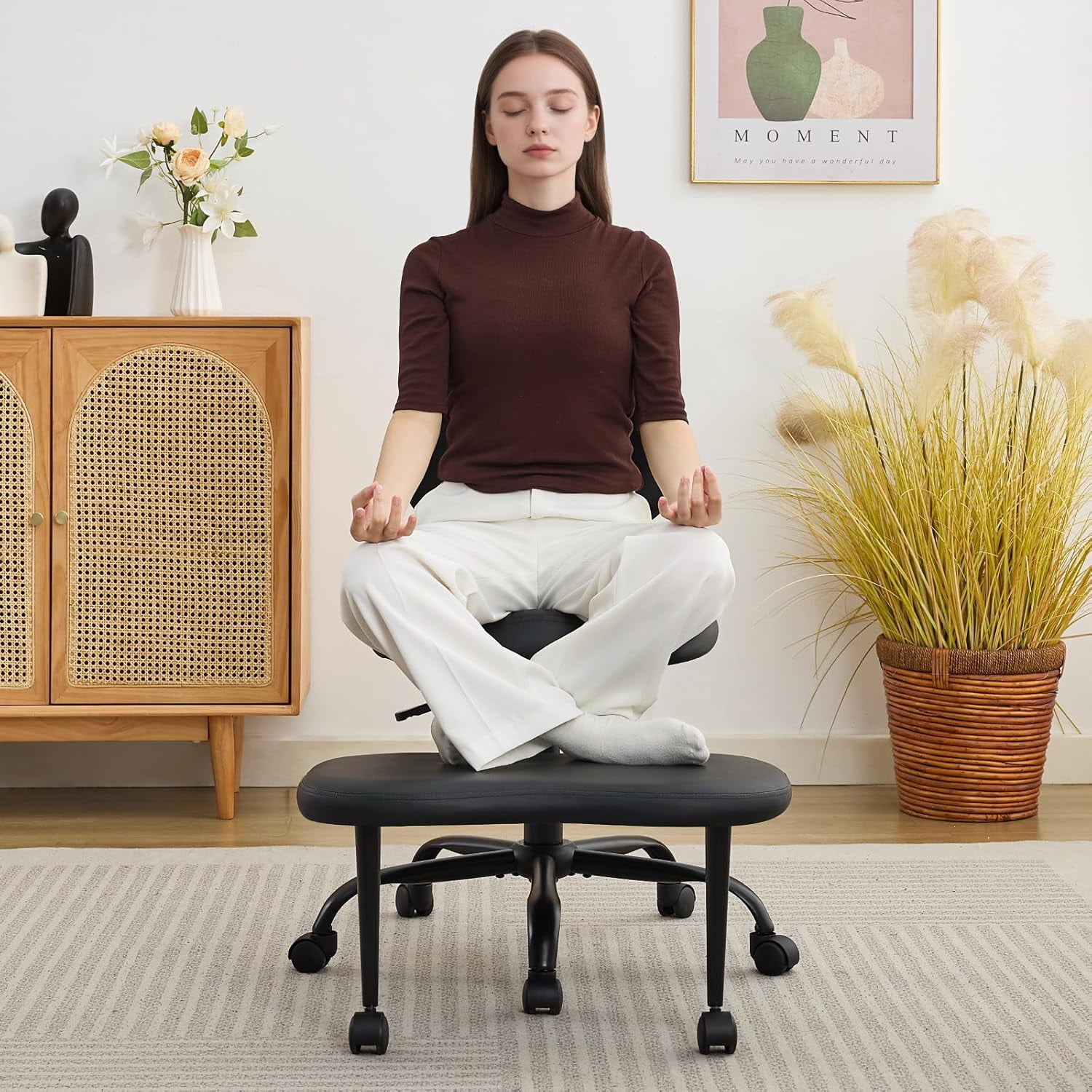
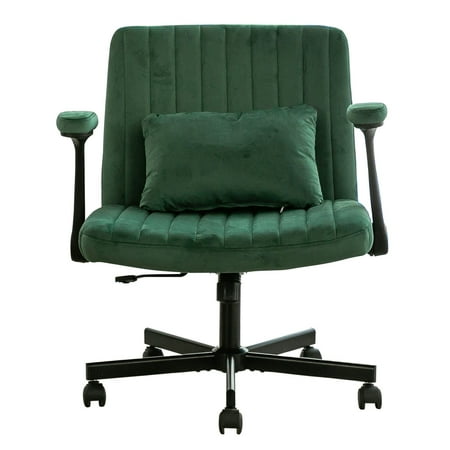
- Wide, flat seats: Allow you to sit cross-legged (like a criss-cross chair). This is grounding and mimics traditional meditation postures.
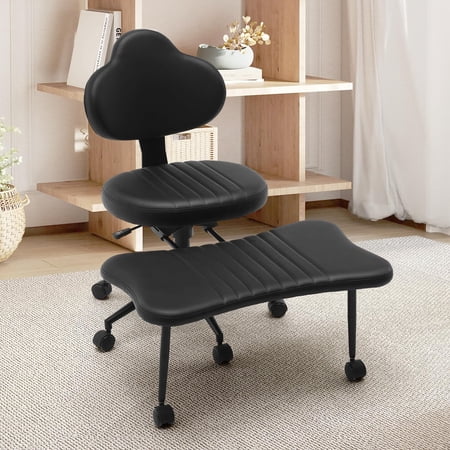
- Kneeling design: Divides your weight between shins and seat, opening the hip angle. It’s excellent for breathing and reduces pressure on the tailbone.
Our advice: If you're flexible and like the idea of sitting like a yogi, a wide, padded seat is best. If you want a more active, aligned posture without folding your legs, a kneeling chair is a game-changer.
3. The Sound of Silence: Why Quiet Mechanisms Matter
Nothing disrupts a mindful moment like a squeaky recline or a clunky gas lift. The best meditation office chairs use:
- Damped gas lifts: They move slowly and silently.
- Soft polyurethane casters: Unlike hard plastic wheels, these roll without screeching.
- Grease-free moving parts: High-end mechanisms are engineered to be whisper-quiet.
4. Stability: The Grounding Effect
When you close your eyes and breathe, the last thing you want is a wobbly chair. A meditation chair must feel like it's rooted to the floor. This means:
- Five-star base with wide footprint: Ensures no tipping, even when you shift weight.
- Non-slip casters or glides: Some prefer to lock the wheels during meditation. Look for chairs with locking casters or replace wheels with stationary glides.
5. Material & Sensation: Comfort Without Distraction
The material should be pleasant to the touch but not overly stimulating. Breathable fabrics like linen or high-quality mesh prevent sweating during longer sits. Leather can be cooling but might be slippery. The ideal is a mid-weight fabric that provides grip and comfort.
Data point: A survey by Mindful.org found that 67% of remote workers who introduced a dedicated “mindful seating area” (even just a special chair) reported improved ability to concentrate and lower anxiety levels during the workday.
Weaving Mindfulness Into Your Workday: A Practical Guide
Buying the chair is the first step. Here’s a simple 3-step routine to use it effectively:
- The 2-Minute Reset (Mid-morning): After 90 minutes of deep work, roll your meditation chair away from your desk. Sit upright, place your hands on your thighs, and close your eyes. Focus only on the sensation of breathing. Use a timer. When it rings, return to work.
- The Mindful Lunch (30 minutes): Eat your lunch away from your primary screen. Use your meditation chair to sit quietly while eating. Chew slowly and appreciate the food. This reduces stress and improves digestion.
- The Transition Ritual (End of day): Before shutting down your computer, spend 3 minutes in your chair, reflecting on what you accomplished. This creates a mental “end of day” boundary, reducing the urge to check emails at night.
Comparison: Meditation Chair vs. Standard Ergonomic Chair
| Feature | Meditation Office Chair | Standard Ergonomic Chair |
|---|---|---|
| Primary goal | Mindfulness, posture for breathing, calm | Task support, typing posture, movement |
| Seat design | Often flat, wide, or kneeling-style | Contoured with waterfall edge |
| Sound level | Ultra-quiet (priority) | Can be moderate (not a top priority) |
| Legroom | Allows cross-legged or kneeling positions | Usually designed for feet-on-floor only |
As you can see, while there’s overlap, the meditation chair prioritizes stillness and breath, whereas a standard ergonomic chair prioritizes dynamic movement and task performance. Many professionals now keep both: one for focused work, one for mindful breaks.
Frequently Asked Questions About Meditation Office Chairs
Conclusion: Create Your Daily Oasis
Bringing a meditation chair office into your workspace is more than an ergonomic upgrade; it’s a commitment to your mental well-being. In a world of constant notifications and deadlines, having a physical space that whispers “pause” is revolutionary. The right chair supports not just your spine, but your intention to stay present.
Start small. Choose a chair that resonates with your body type and meditation style. Pair it with a simple routine—just two minutes of breathing—and watch how it transforms your focus. Your desk can become not just a place of productivity, but a place of peace.
Final thought: The best meditation chair is the one you actually use. Explore the options below, read reviews, and take the first step toward a calmer, more centered work life.