
Why the Right Home Office Chair is Your Most Important Work Tool
Imagine trying to run a marathon in shoes that are two sizes too small. That's what working eight hours a day in a poorly designed chair feels like for your body. Your home office chair is the foundation of your workspace. It directly influences your posture, energy levels, and even your focus. A study from the British Journal of Sports Medicine suggests that prolonged sitting in unsupportive seating can increase musculoskeletal discomfort by over 50%. Investing in one of the top home office chairs isn't a luxury; it's a non-negotiable investment in your long-term health and daily productivity.
The shift to remote and hybrid work has blurred the lines between our living spaces and professional lives. A kitchen table or a stylish but unsupportive dining chair simply won't cut it for 40+ hours a week. The best home office chairs are engineered to support dynamic sitting—allowing you to move naturally throughout the day—while providing the targeted support your spine needs. Think of a great chair as a silent partner in your workday, keeping you comfortable and focused so you can perform at your best.
Decoding the "Top Home Office Chair": Key Features That Matter
Walking into the world of office chairs can feel overwhelming. Terms like "synchro-tilt," "waterfall edge," and "4D armrests" get thrown around. But don't worry, you don't need to be an ergonomist to make a smart choice. Let's break down the essential features that separate a good chair from a truly great one.
1. The Backrest: Your Spine's Best Friend
The backrest is the most critical part of any ergonomic chair. Look for these elements:
- Adjustable Lumbar Support: This isn't just a cushion; it's a mechanism that supports the inward curve of your lower back. The best chairs offer lumbar support that can be moved up and down and in and out to fit your unique spine. Without it, you're prone to slouching, which leads to back pain and fatigue.
- Backrest Height: Mid-back chairs support the lower and middle back and are great for task-oriented work. High-back chairs extend to support your shoulders and are ideal if you like to lean back and think, or if you're taller. Some of the top home office chairs also include an adjustable headrest to support your neck during those moments of deep thought.
- Material Matters: Mesh vs. Upholstery: A mesh backrest is a hallmark of many top ergonomic chairs. It's incredibly breathable, preventing that sticky, sweaty feeling after a long day. Upholstered backrests (in fabric or leather) offer a plusher, more luxurious feel but can trap heat.
2. The Seat: Your Foundation for Comfort
Your seat should distribute your weight evenly and promote good circulation.
- Seat Depth Adjustment: This often-overlooked feature is a game-changer. It allows you to slide the seat pan forward or backward so you can sit with your back against the backrest while leaving 2-3 finger widths of space between the back of your knees and the seat edge. This prevents pressure on your thighs.
- Waterfall Edge: The front of the seat should curve gently downward, like a waterfall. This design takes pressure off the backs of your thighs and improves blood flow to your legs.
- Cushion Density: Forget "soft" vs. "hard." You want high-density foam that provides enough give for comfort but enough support to keep you from sinking down and hitting the hard base after a few months. Look for terms like "high-resiliency foam."
3. Adjustability: One Size Does NOT Fit All
A chair's ability to adapt to you is what makes it "ergonomic."
- Seat Height: Non-negotiable. Your feet should rest flat on the floor, with your thighs parallel to the ground. Most chairs offer a pneumatic lift for easy adjustment.
- Armrest Adjustability: The best armrests are 4D adjustable, meaning they move up/down, left/right, forward/backward, and can often pivot. This allows you to support your arms in any position, reducing shoulder and neck strain while typing.
- Tilt Tension and Lock: You should be able to adjust how much force is needed to recline. A good chair also lets you lock the recline in multiple positions, from upright and focused to relaxed and leaned back.
Choosing Your Perfect Match: A Home Office Chair Comparison
To make your decision easier, let's look at how different types of home office chairs stack up against each other. This comparison focuses on real-world pros and cons, not just spec sheets.
🕸️ Ergonomic Mesh Chairs
Best For: All-day sitters, warm climates, people who prioritize breathability and back support.
Pros: Exceptional airflow, the mesh conforms to your back, typically very adjustable, modern look.
Cons: Can feel firm at first, the mesh may sag over many years, less "cushy" feel.
Analogy: Like a high-performance athletic shoe – supportive, breathable, and built for endurance.
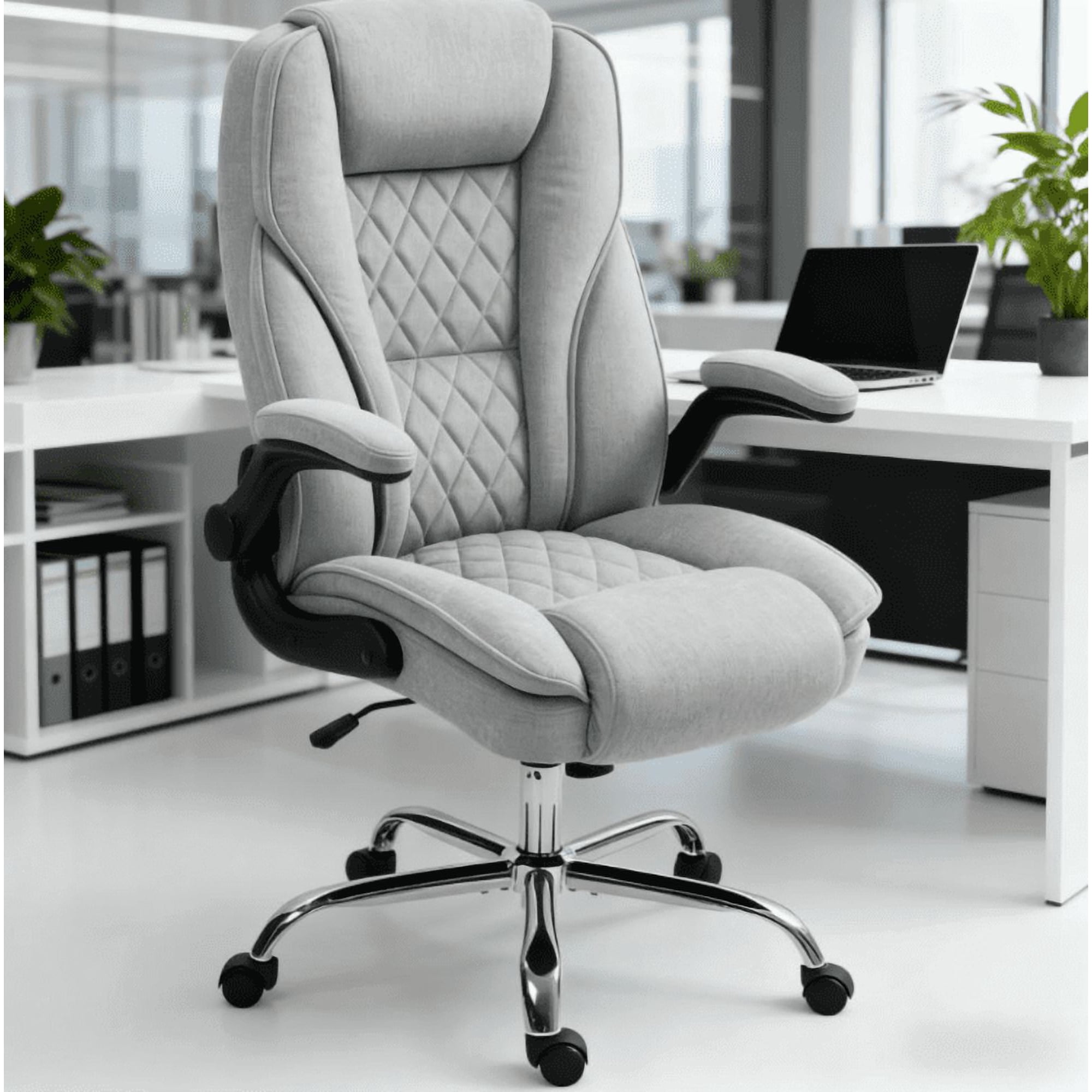
🪑 Premium Leather/Fabric Chairs
Best For: Managers, home offices with a classic aesthetic, those who prefer a plush, "executive" feel.
Pros: Luxurious appearance, very comfortable with thick padding, durable high-quality materials.
Cons: Can be hot, requires more maintenance, often heavier and less breathable.
Analogy: Like a luxury car seat – comfortable, stylish, and makes a statement, but not for a hot summer run.
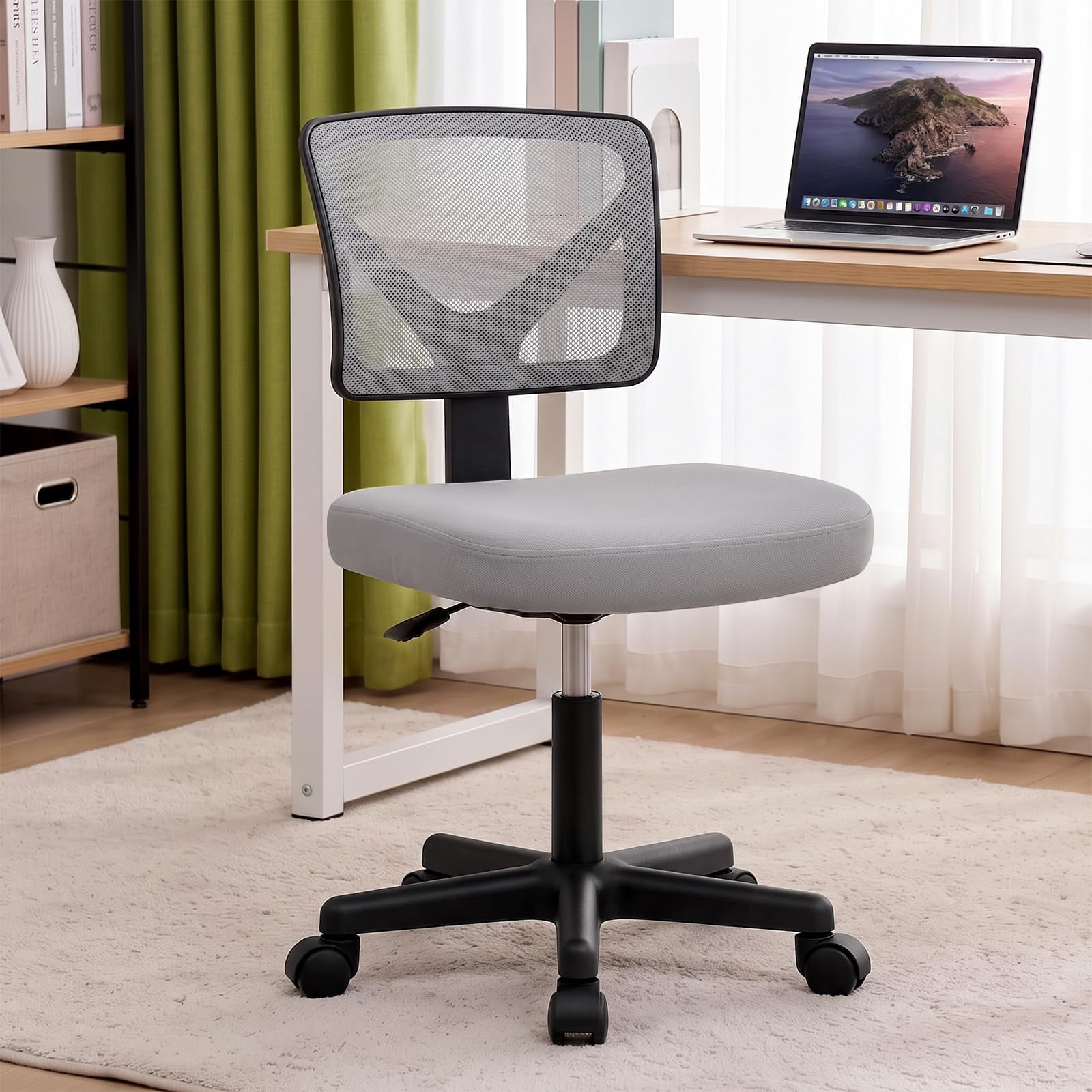
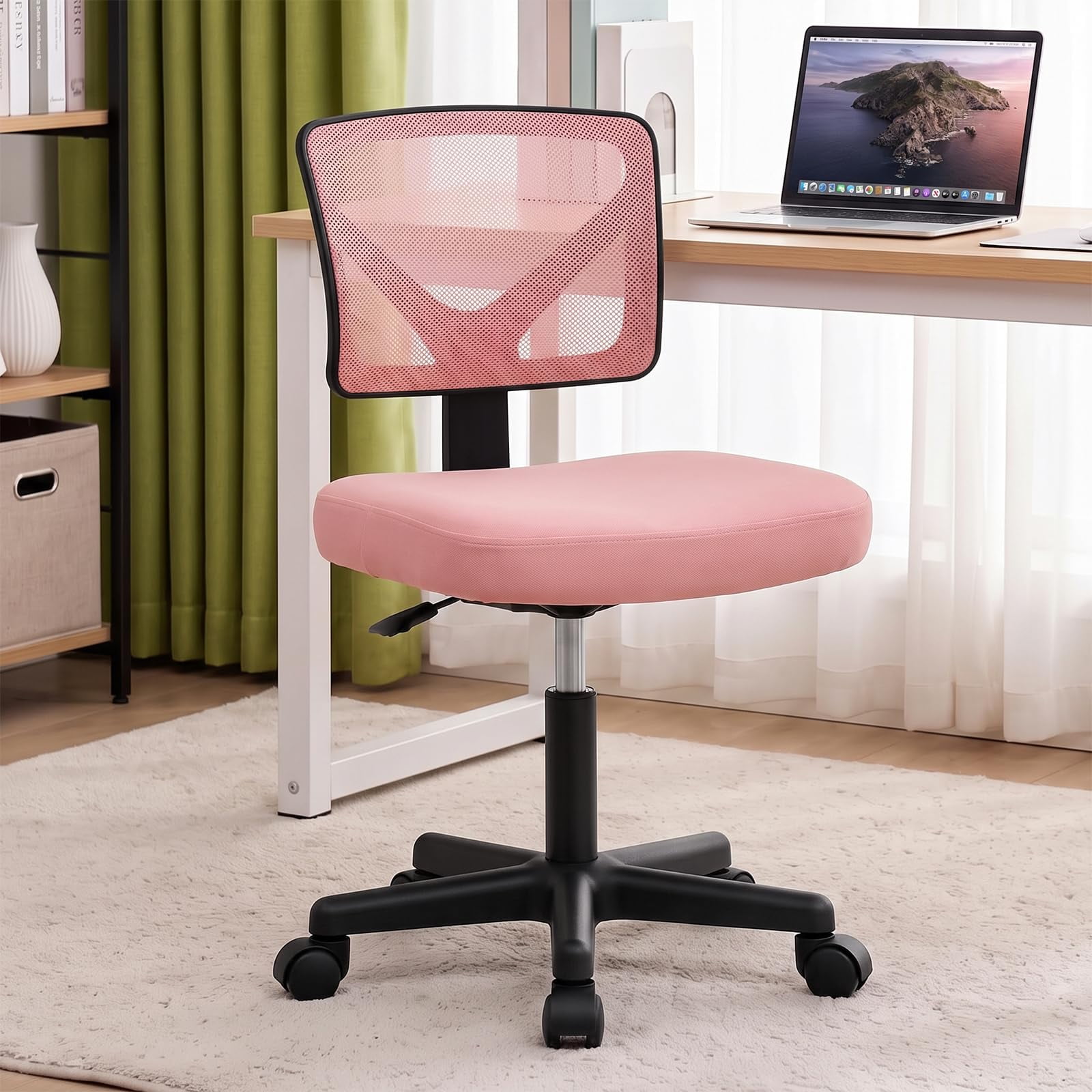
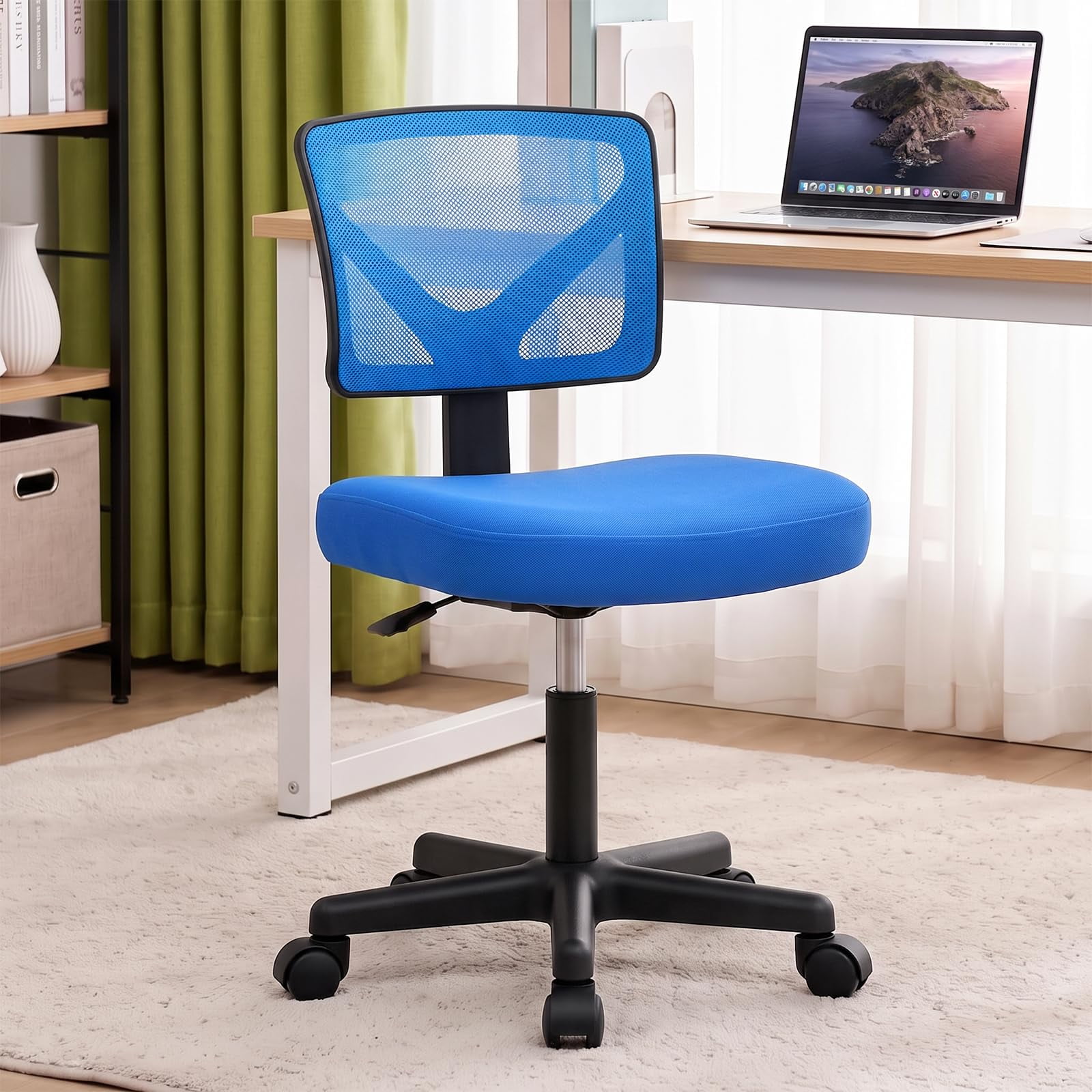
💼 Budget-Friendly Picks ($150-$350)
Best For: Students, part-time home workers, or those furnishing a guest office.
Pros: Accessible price, many now include basic ergonomic features like lumbar support and height adjustment.
Cons: Materials may wear faster, fewer adjustment options, shorter warranty.
Analogy: Like a reliable commuter car – it gets you from A to B comfortably, but without the extra features of a luxury model.
Setting a Realistic Budget for Your Home Office Throne
Just as you wouldn't build a house on a shaky foundation, you shouldn't build your workday on a poor chair. Here’s a practical breakdown of what your money buys you in the world of top home office chairs. Remember, you're paying for your health and productivity.
Entry-Level Comfort
Good for light use (under 20 hrs/week). You'll find basic ergonomic features, decent mesh or fabric, and a standard 1-3 year warranty. Brands like Hbada or AmazonBasics fit here.
Performance & Durability
The sweet spot for most full-time remote workers. Chairs here offer superior adjustability (4D armrests, seat depth), higher-density foam, better mesh, and 5-10 year warranties. Think Branch, Nouhaus, or higher-end offerings from Amazon.
The Premium Experience
Built for 10+ hour days. These chairs feature advanced ergonomics, top-tier materials, and exceptional build quality. This is the realm of brands like Steelcase, Herman Miller (though many are moving into lower price points), and Haworth. A 12-year warranty is standard.
💡 Pro Tip: According to a 2022 report by the Mayo Clinic, employees who used properly adjusted ergonomic chairs reported a 35% decrease in upper back and shoulder pain. The cost of a good chair is often recouped in fewer doctor's visits and more productive work hours.
Matching a Chair to Your Home Office Reality
Your body type and work style are unique. Here’s how to fine-tune your search among the top home office chairs based on who you are:
- For Petite Users (under 5'4"): Seat depth is critical. Look for chairs with a shallow minimum seat depth (around 16-17 inches) to avoid pressure behind the knees. Chairs with highly adjustable armrests that can be brought closer together are also a plus.
- For Tall Users (over 6'2"): You need a high-back chair with a tall backrest and a seat depth that extends to at least 19-20 inches. A headrest is highly recommended. A larger, sturdier base is also important for stability.
- For the "Fidgety" Sitter: If you're always moving, look for a chair with a "knee-tilt" or "synchro-tilt" mechanism. This allows the seat and back to move together, supporting your body through a full range of motion. A waterfall seat edge also accommodates leg movement.
- For Small Spaces: Consider a chair with a smaller footprint. A mesh back can look less bulky. If you need to tuck it away, look for chairs with fold-down armrests so you can slide it completely under a desk.
Conclusion: Your Path to a More Comfortable Workday
Choosing from the top home office chairs is a personal journey. There is no single "best" chair, only the best chair for *you* and your specific needs. Start by identifying your must-have features—is it a breathable mesh back, a plush leather seat, or the most advanced lumbar support? Then, set a realistic budget that reflects how many hours you'll be spending in that chair. Finally, use this guide to navigate the options and prioritize the features that will keep you healthy and comfortable. Your back, your focus, and your productivity will thank you for years to come.