
Why Choose a Padded Office Chair With Arms?
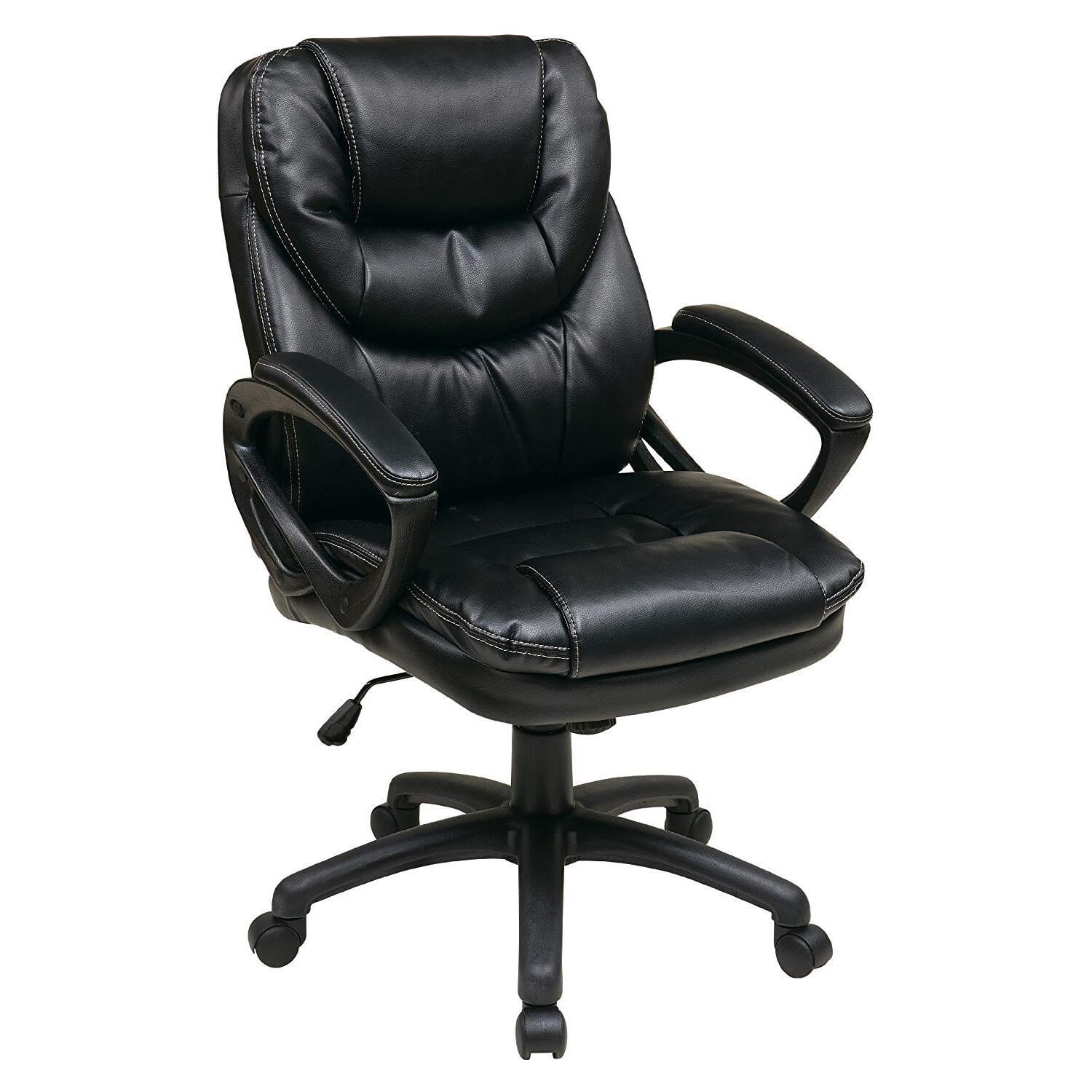
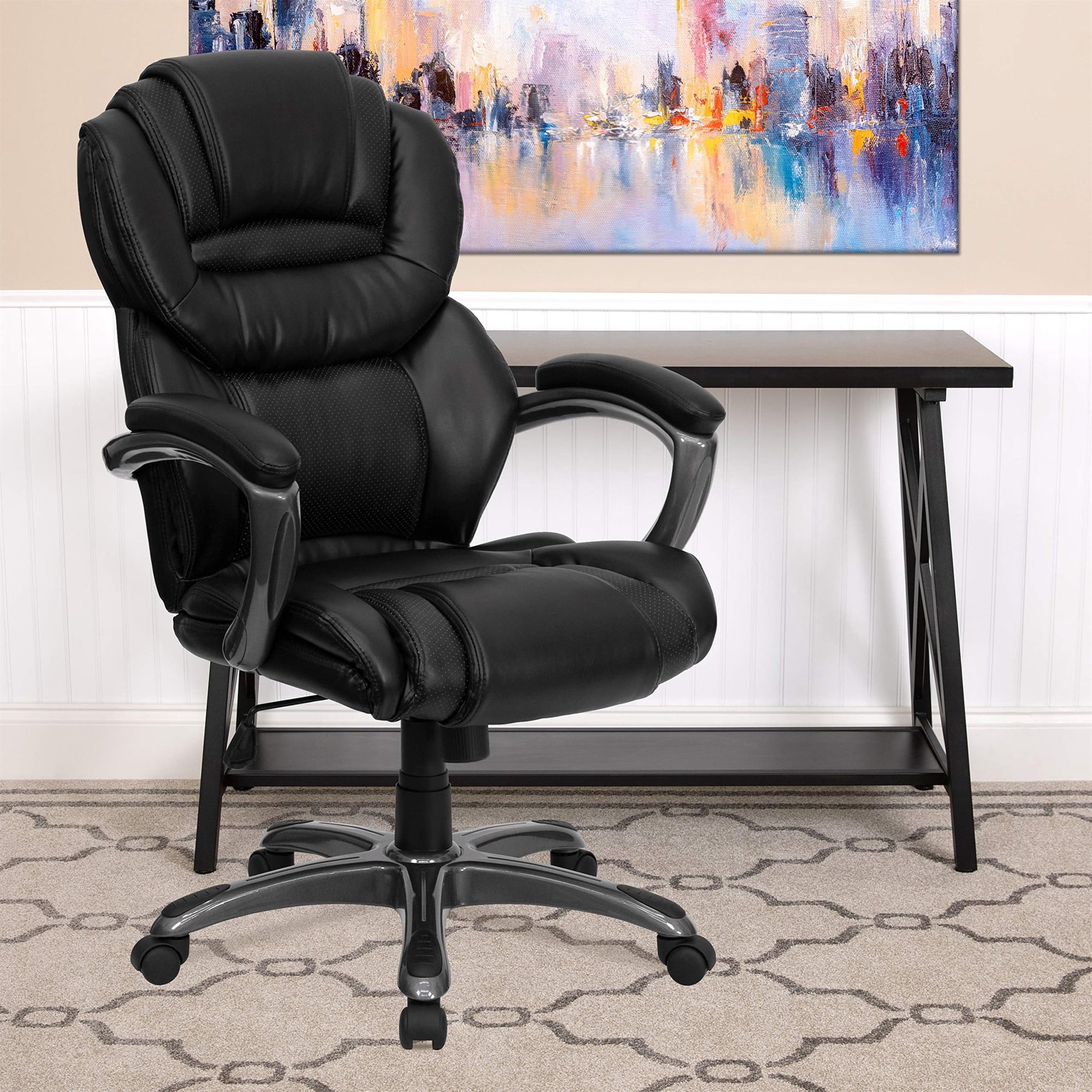
Imagine settling into your work chair and feeling like you’re sitting on a supportive cloud—that’s the promise of a quality padded office chair with arms. Unlike minimalist task chairs that can feel like a park bench after an hour, these chairs are designed for people who spend significant time at their desks. They wrap you in cushioning without sacrificing the ergonomic support your body craves.
According to a study by the National Institute for Occupational Safety and Health, nearly 40% of office workers report discomfort due to inadequate seating. A well-padded chair with contoured arms can absorb pressure, improve blood circulation, and reduce fatigue. Think of it as the difference between sitting on a wooden stool versus a well-cushioned seat in a luxury car—both get you from A to B, but one makes the journey far more pleasant.
Ergonomic Insight: Proper padding isn't just about softness. It's about distributing your weight evenly. High-quality foam (like cold-cured or memory foam) conforms to your body's curves, reducing peak pressure points by up to 50% compared to firm, flat seats.
Anatomy of a Perfectly Padded Office Chair
To find your ideal chair, you need to understand the layers that create true comfort. We'll break down the key components that separate a "just soft" chair from a "sustainably supportive" one.
1. Seat Cushion: The Foundation of Comfort
The seat is where you spend 100% of your sitting time. Look for these features:
- Foam Density & Type: High-density polyurethane foam (2.5–3.5 lbs per cubic foot) resists sagging. Memory foam molds to your shape but can retain heat—gel-infused versions solve this. Latex foam offers natural bounce and cooling.
- Thickness Matters: Aim for 4–5 inches of cushion. Too thin, and you'll feel the hard base; too thick, and you might sit too high or lose stability.
- Contouring & Waterfall Edge: A slight dip (contour) cradles your pelvis, while a waterfall front edge prevents pressure behind the knees, promoting healthy circulation.
2. Backrest Padding: Support Where You Need It
Backrest padding should be generous but not mushy. The lumbar area often requires firmer support, while the upper back can be plusher.
Lumbar Zone
Should have integrated padding that maintains its shape—some chairs add adjustable lumbar cushions for personalized support.
Mid-Back
Evenly padded to follow the spine's natural curve. Avoid chairs with gaps between padding and frame.
Shoulder Area
In high-back models, the upper section should be softly padded to allow comfortable leaning back.
3. Armrests: The Often-Overlooked Comfort Zone
Padded arms are non-negotiable for all-day comfort. Hard plastic arms create elbow pain and tension.
- Cushion Material: Look for at least 0.5–1 inch of soft padding, preferably with a fabric cover (not cold vinyl).
- Adjustability (4D Arms): Height, width, depth, and pivot adjustments allow you to rest arms at a natural 90-degree angle, reducing shoulder strain.
- Shape: Slightly contoured or flat with rounded edges is ideal—avoid narrow or oddly shaped pads that dig in.
Padding Materials Compared
Memory Foam
- ✔ Excellent pressure relief
- ✔ Conforms to body heat
- ✗ Can retain heat (gel helps)
- ✗ May feel sluggish to move
High-Density Foam
- ✔ Firm & durable support
- ✔ Bouncy, easy to shift
- ✔ Good temperature neutrality
- ✗ Less "plush" initial feel
Latex
- ✔ Naturally hypoallergenic
- ✔ Excellent breathability
- ✔ Responsive & resilient
- ✗ Higher cost
Breathability: Staying Cool While Cushioned
A common worry: "Will a thickly padded chair make me sweat?" Modern solutions include:
- Performance fabrics: Knitted textiles that wick moisture.
- Ventilated foam: Some manufacturers add small air channels within the foam.
- Mesh back combination: Padded seat with a mesh backrest offers the best of both worlds.
Look for chairs that mention "breathable upholstery" or "climate control" if you work in a warm environment.
Ergonomics Meets Plushness: Finding the Balance
A padded chair should still uphold ergonomic principles. Here’s how to evaluate:
- Sink-in vs. Support: When you sit, you shouldn't sink so deep that your hips are lower than your knees (that strains your back). The foam should compress 1–1.5 inches, then provide firm support.
- Adjustability is key: Seat height, tilt tension, and recline lock let you fine-tune even the plushest chair to your body.
- Test the arms: With elbows at 90 degrees, your forearms should rest lightly on the padded surface without hunching or reaching.
Who Benefits Most from a Padded Office Chair With Arms?
While anyone can appreciate extra cushioning, these profiles find them especially valuable:
- Individuals with lower body fat: Less natural padding means more pressure on bony areas (sit bones).
- People with tailbone pain or sciatica: Plush cushioning with a contoured seat relieves direct pressure.
- Long-hour workers (8+ hours/day): The "cushioning effect" reduces cumulative fatigue.
- Older adults: As natural cushioning decreases with age, extra padding provides comfort.
Real-World Data: Does Padding Improve Productivity?
A 2022 survey by the Ergonomics Research Society found that workers using highly padded chairs reported 34% less fidgeting and 28% fewer instances of taking "micro-breaks" due to discomfort. When you're not constantly shifting to find a comfortable position, your focus sharpens. As one participant put it: "My chair became invisible—I just worked without thinking about my body."
Frequently Asked Questions About Padded Office Chairs
Conclusion: Invest in Your Daily Comfort
Choosing a padded office chair with arms is an investment in your well-being and productivity. By focusing on high-quality foam, breathable materials, and adjustable padded arms, you can create a workspace that supports you hour after hour. Remember: the best chair is the one you forget you're sitting in because you're so comfortable. Use this guide to test chairs, compare features, and select a model that feels like it was made for you. Your back—and your focus—will thank you.