
1. The Challenge of the 24-Hour Work Cycle
Imagine your office chair as the pit crew for a race car driver. In a standard 9-to-5 setting, the chair only needs to perform for a single shift. But for a 24-hour work environment—whether it's for remote workers in different time zones, shift workers, or dedicated entrepreneurs—the chair is like a pit crew working around the clock. It needs to be more durable, more supportive, and more resilient. This is the domain of the 24hr office chair. These are not your average task chairs; they are engineered to withstand the rigors of continuous use, providing consistent comfort and support for 12, 16, or even 24 hours at a time.
According to a study by the CDC, workers in extended shifts report a 27% higher rate of musculoskeletal discomfort compared to their standard-hour counterparts. This statistic highlights the critical need for seating that goes beyond basic comfort. A true 24hr office chair is an investment in long-term health and sustained productivity, acting as a shield against the physical toll of marathon work sessions.
2. Anatomy of a 24hr Office Chair: Built for the Long Haul
What separates a standard office chair from a 24-hour workhorse? It's not just one feature, but a combination of engineering choices. Let's dissect the key components that make these chairs the marathon runners of the office furniture world.
2.1 The Skeleton: Frame and Base Durability
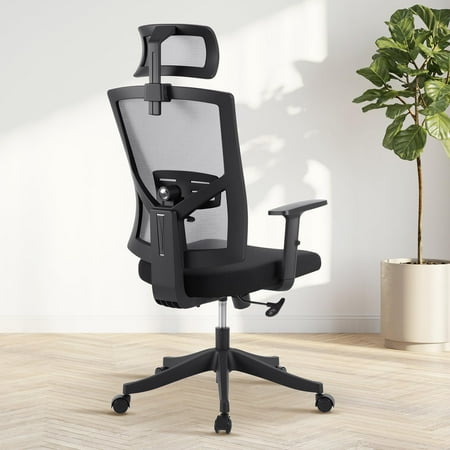
The foundation of any 24hr chair is its frame. Think of it as the chassis of a truck versus a compact car. For continuous use, you need a reinforced frame, often made of heavy-gauge steel or high-strength aluminum. This prevents wobble and ensures the chair's geometry remains stable over years of constant motion. The base is equally important. Look for a base with a wider footprint (at least 28 inches) and constructed from die-cast aluminum or heavy-duty nylon. This isn't just about weight capacity; it's about distributing the stress of constant micro-movements evenly.
2.2 The Life Support: Advanced Ergonomic Systems
For 24-hour seating, static ergonomics aren't enough. You need a system that encourages movement. This is where synchronized or multi-functional mechanisms come into play. Unlike a simple tilt, these mechanisms allow the seat and backrest to move in a coordinated, natural ratio (often 2:1 or 3:1). This means as you recline, the seat angle adjusts slightly to keep you firmly planted and prevent sliding, which reduces pressure on the thighs and promotes better circulation.
Ergonomic Insight: A study in the journal "Applied Ergonomics" found that chairs with a dynamic, synchronized mechanism reduced perceived discomfort by 38% over a 10-hour simulated workday compared to chairs with a fixed back angle. For a 24hr chair, this 'movement-friendly' design is non-negotiable.
Beyond the mechanism, look for these life-support features:
- Independent Lumbar Adjustment: Not just a simple bump. A 24hr chair should offer both height and depth adjustment for the lumbar support, allowing you to fine-tune the curve to match your spine's natural lordosis perfectly.
- Seat Depth (Slider) Adjustment: Critical for proper thigh support. A seat pan that's too short or too long can cut off circulation or force you into a slouched position. A 2-3 inch adjustable range is ideal.
- 4D Articulating Armrests: Armrests that adjust in height, width, depth, and pivot angle allow you to support your arms in any working position, relieving tension in your shoulders and neck during long typing or thinking sessions.
2.3 The Upholstery: Material Science for Endurance
The material you sit on for 24 hours must be a master of temperature regulation and pressure distribution. This is where material science takes center stage.
Premium Mesh: The Breathability King
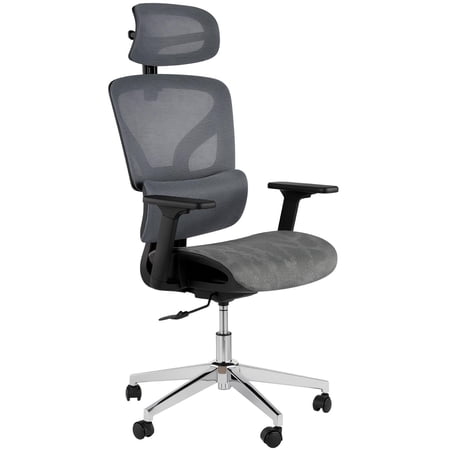
For 24-hour use, high-tension, pirelli-grade mesh is often the top choice. It's designed to maintain its tension for years without sagging. Its primary advantage is breathability, preventing the heat buildup that leads to sweat and fatigue. The "suspension" effect also helps distribute pressure evenly across the back.
Advanced Foam: The Conforming Choice
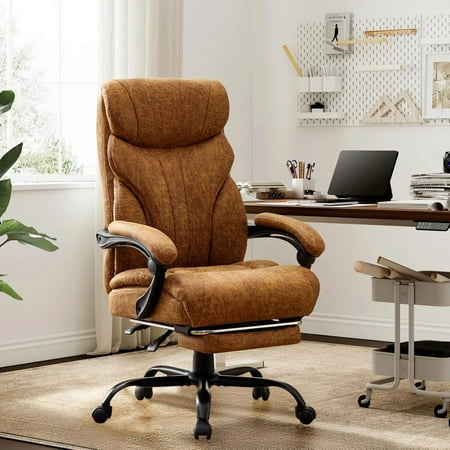
If you prefer a cushioned feel, look for chairs using cold-cure foam or visco-elastic foam with a high resilience rating. These foams are more durable than standard polyurethane and resist flattening. Some chairs combine a mesh back with a foam seat, offering a hybrid approach—breathability for the back, and a plush, conforming feel for the thighs.
3. The "24-Hour" Test: Matching a Chair to Your Environment
Not all 24-hour environments are the same. A chair for a solo entrepreneur working from home has different demands than a chair in a 24/7 security operations center. Here’s how to match the chair to your specific "24-hour" scenario:
Focus: Personal ergonomics and comfort.
Look for: High level of adjustability (lumbar, seat depth), a headrest for relaxing breaks, and premium mesh for all-day breathability.
Focus: Durability and ease of adjustment for multiple shifts/users.
Look for: Industrial-grade components (Class 5 lift), easy-to-use paddle adjustments, and commercial-grade fabric or mesh that can withstand constant use.
Focus: Dynamic movement and recline range.
Look for: A synchronized mechanism with a wide recline range (up to 30 degrees) and a tilt limiter, allowing you to lean back and ideate comfortably.
Focus: Hygiene and mobility.
Look for: Chairs with easy-clean surfaces (like medical-grade vinyl or sealed mesh), five-star base with easy-roll casters, and possibly no fabric to absorb spills.
4. Frequently Asked Questions About 24hr Office Chairs
5. Conclusion & Final Recommendations for Endurance Seating
Selecting a 24hr office chair is a decision that directly impacts your physical well-being and professional output. It's a decision that should be based on engineering, not just aesthetics. By prioritizing a reinforced frame, a synchronized mechanism, and breathable, durable materials, you're not just buying a chair; you're investing in a support system for your most demanding work days (and nights).
Choosing Your Champion
Features: Full aluminum frame, Class 5 lift, 4D armrests, advanced 8-way adjustable lumbar, pirelli-weave mesh.
Best For: The user who demands the absolute best in engineering and personalization for indefinite hours.
Features: Reinforced steel frame, Class 4 lift, synchronized mechanism with sliding seat, 3D armrests, high-tension mesh.
Best For: The professional seeking a perfect balance of advanced ergonomics and long-term durability without the luxury premium.
Features: Heavy-gauge steel frame, Class 5 lift rated for 500lbs, commercial-grade fabric/mesh, easy-clean surfaces, durable dual-wheel casters.
Best For: 24/7 facilities, call centers, and multi-shift environments where resilience is the top priority.
Remember, the best 24hr office chair is the one that disappears beneath you, allowing you to focus entirely on your work. It should provide a foundation of support so reliable that you forget it's even there. Use the guide above to find your perfect partner for the long haul.