
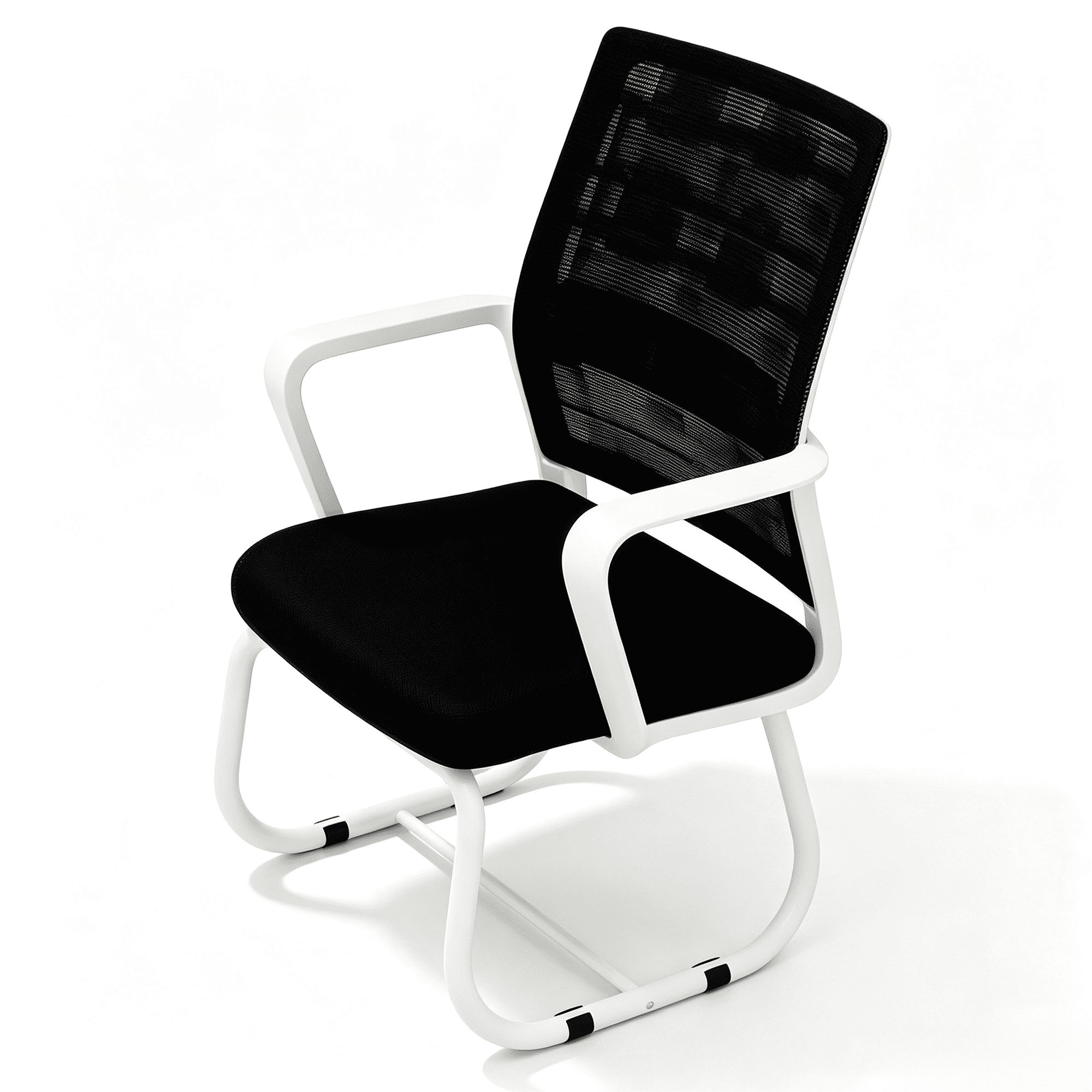
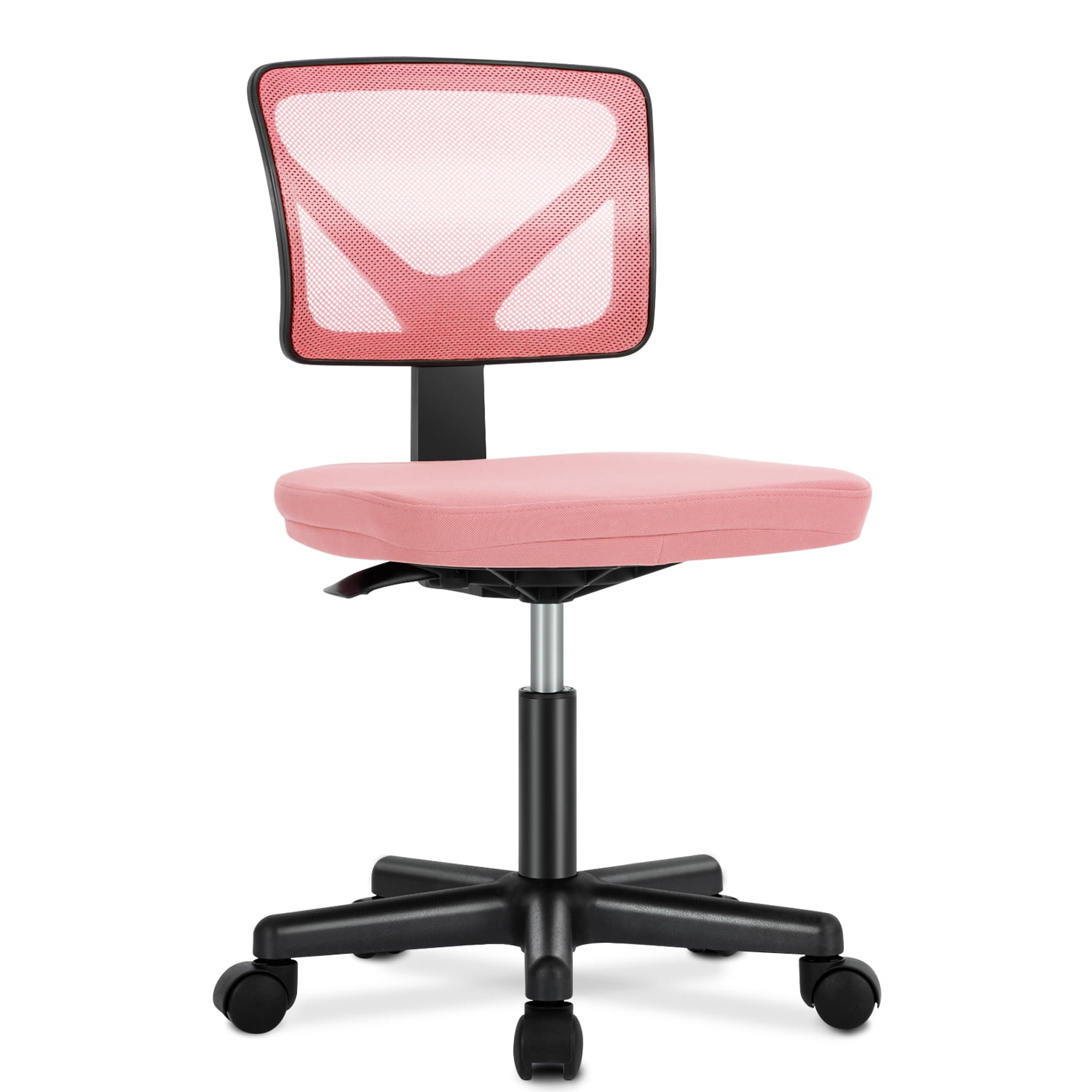
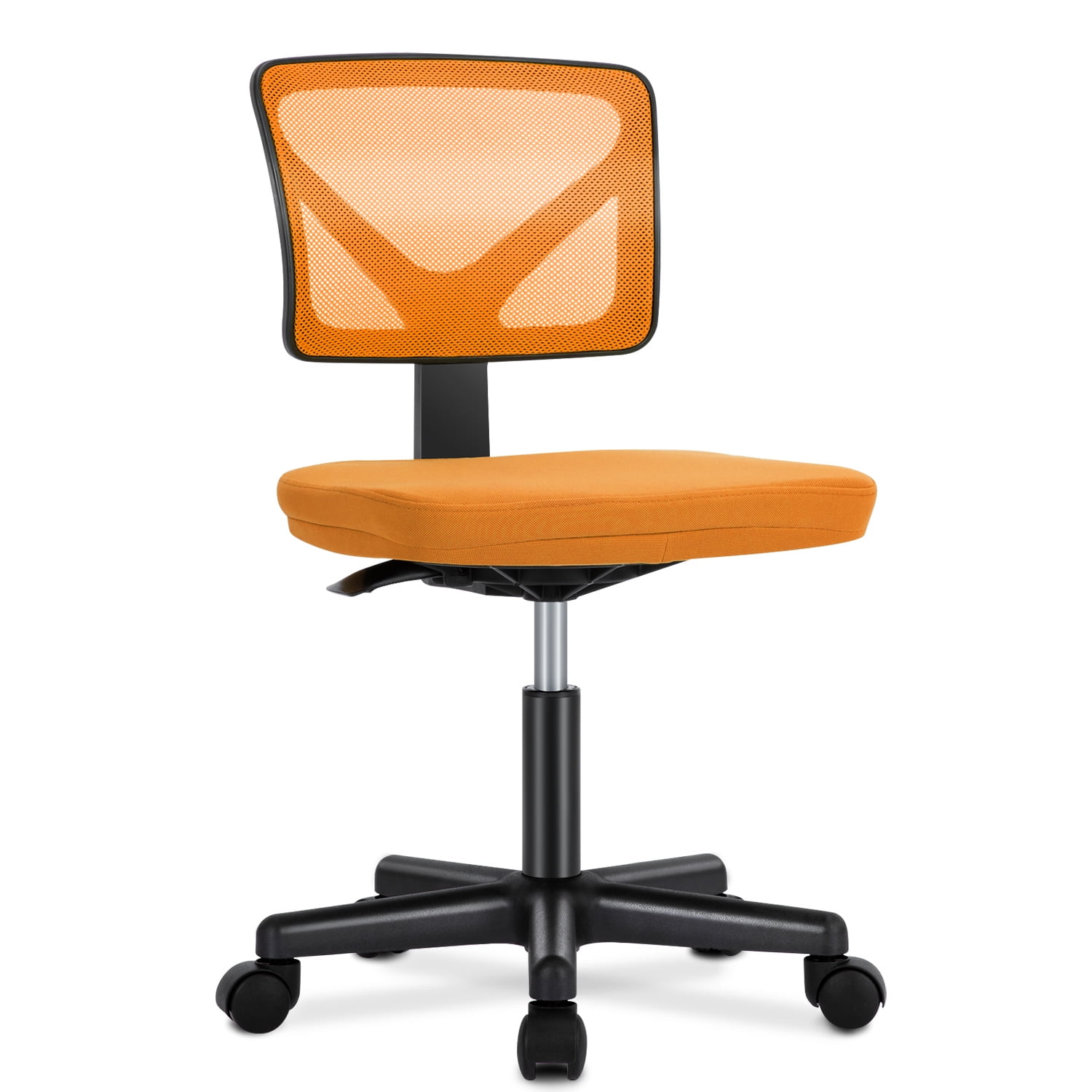
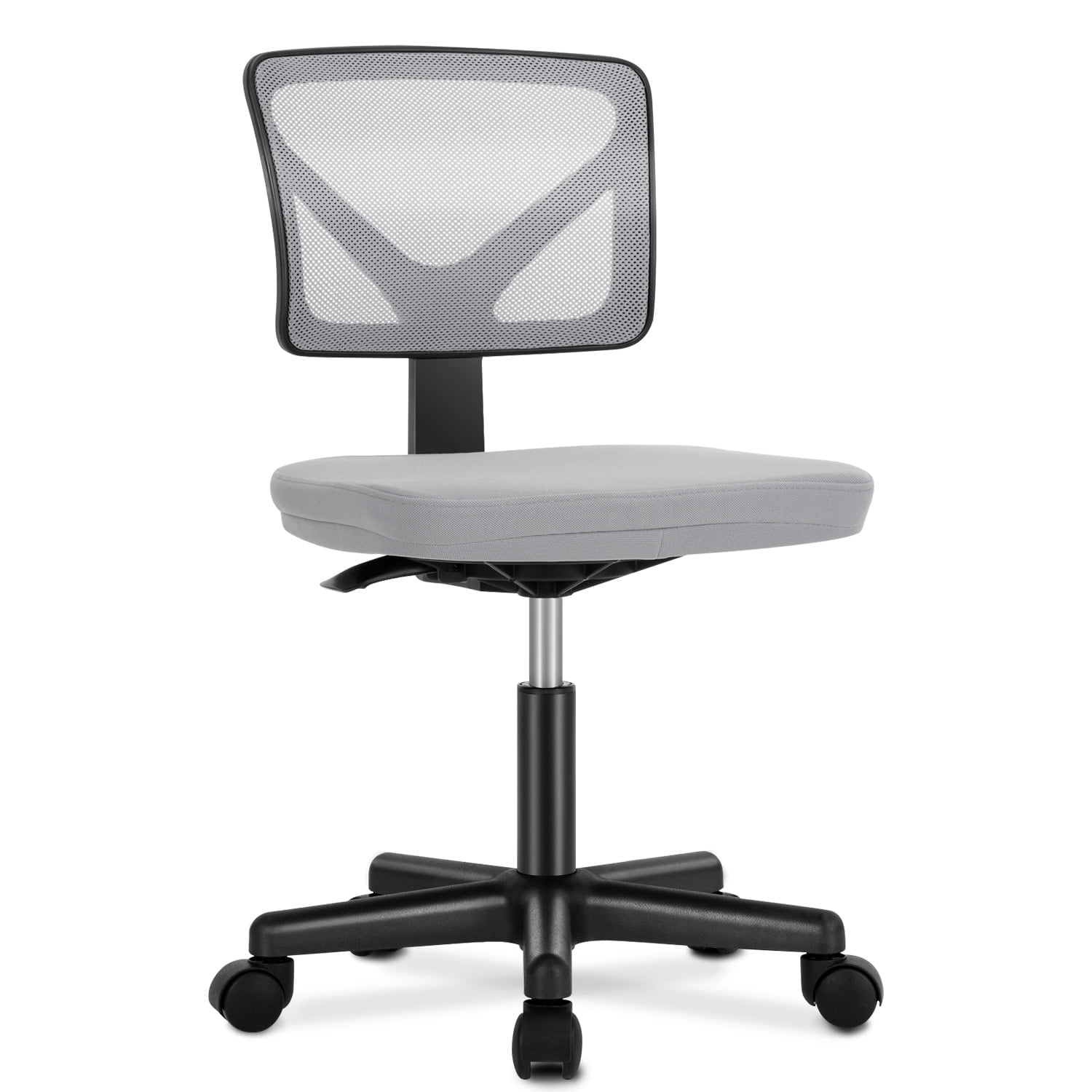
Why Comfort Is the Cornerstone of Your Home Office Setup
In today's work-from-home era, your office chair is no longer just a place to sit — it's the throne from which you manage projects, attend virtual meetings, and drive your career forward. The most comfortable home office chair does more than cushion your body; it actively supports your well-being. According to a 2024 workplace ergonomics study, professionals who invested in high-comfort seating reported 38% fewer fatigue-related errors and 42% higher job satisfaction compared to those using standard chairs.
💡 Ergonomic Insight: The average remote worker sits for 8.6 hours daily. A chair designed for comfort reduces muscle tension, keeps your spine aligned, and allows natural movement — preventing the "frozen posture" that leads to chronic pain. Comfort isn't a luxury; it's a productivity multiplier.
Anatomy of Comfort: Key Features That Define a Great Chair
Understanding what makes a chair truly comfortable helps you make an informed decision. Let’s explore the non-negotiable components that separate average seating from exceptional comfort.
1. Dynamic Lumbar Support
Static backrests force your spine into unnatural curves. The most comfortable chairs offer height-adjustable and depth-adjustable lumbar that moves with you. Some premium models include active lumbar that self-adjusts as you shift, ensuring continuous lower back support.
2. High-Density Memory Foam Seat
Seat comfort begins with foam quality. Look for high-resilience foam (density above 3.5 lbs/ft³) that retains shape and distributes weight evenly. A waterfall edge reduces pressure behind knees, promoting healthy circulation during marathon work sessions.
3. 4D Adjustable Armrests
Armrests should adjust in height, width, depth, and pivot. This customization lets you align elbows at a 90° angle, preventing shoulder tension and encouraging relaxed typing posture. Proper arm support reduces neck strain by up to 30%.
4. Multi-Function Tilt Mechanism
A chair that only locks upright isn't enough. Seek synchronized tilt where the seat and back move in a 2:1 ratio, maintaining natural alignment as you recline. Tilt tension adjustment ensures the recline matches your body weight for fluid motion.
5. Breathable Material Strategy
Comfort also means temperature regulation. Premium mesh allows airflow preventing heat buildup, while high-quality leather with perforations offers both luxury and ventilation. Some hybrid chairs combine mesh backs with foam seats for the best of both worlds.
Choosing the Perfect Comfort Chair: A Step-by-Step Selection Method
Track your daily posture: Do you lean forward while typing? Do you recline during calls? Do you cross legs? The most comfortable chair for you will accommodate your natural habits. For active sitters, choose chairs with free-float recline; for focused workers, prioritize firm lumbar.
Take note of your height, weight, and torso length. For optimal comfort, seat width should be at least 1-2 inches wider than your hips. Backrest height must support your entire back up to shoulder level. Taller individuals need chairs with adjustable headrests.
Sit in the chair and test every adjustment: seat height (pneumatic lift range), seat depth slide (minimum 2 inches), armrest movement, and recline tension. True comfort comes from the ability to fine-tune the chair to your exact specifications.
A comfortable chair should remain comfortable for years. Look for chairs with Class 4 gas lifts, aluminum bases, and warranties covering at least 5 years for mechanical parts. Reinforced construction supports up to 300 lbs minimum for lasting stability.
Material Deep Dive: What Fabric Delivers the Ultimate Comfort?
The material of your office chair directly influences how you experience comfort across seasons and hours. Here’s a comparison to guide your preference:
- Breathable Mesh: Ideal for warm climates or high-energy workers. Mesh conforms to your back shape while allowing continuous air circulation. Modern premium mesh has elastic properties that provide 'cradling' support without sagging.
- Top-Grain Leather: Offers unparalleled luxury and molds to your body's shape over time. Leather provides consistent temperature (cool in summer, warm in winter) and develops a unique patina. Best for traditional home offices and long-term investment.
- Premium Fabric (Wool blends / Performance Knit): Combines softness with durability. High-end fabrics resist stains and pilling while providing a cozy, warm feel. Great for modern home offices where you want both style and texture.
- Hybrid Designs: Many of today's most comfortable chairs feature mesh backs for breathability paired with plush foam seats for cushioning, offering an excellent balance of support and cooling.
Health & Productivity: How Comfort Affects Your Bottom Line
Investing in the most comfortable home office chair isn't merely about pampering — it's a strategic health decision. Prolonged sitting in a poorly designed chair leads to musculoskeletal disorders (MSDs), which account for 33% of all work-related injuries, according to industry reports. Conversely, a well-designed ergonomic chair provides:
Proper lumbar support decreases disc pressure by up to 40%.
Comfort eliminates pain distractions, boosting concentration by 25%.
Good circulation and posture reduce afternoon fatigue.
The "Goldilocks" Principle: Finding Your Ideal Comfort Level
Comfort is subjective, but universally, the most comfortable home office chair achieves three things: support, adjustability, and durability. It should feel firm yet forgiving, offering resistance that cradles your body without sinking. Think of it like a well-crafted mattress: the best chair adapts to you, not the other way around. During testing, pay attention to:
- Pressure mapping: No hotspots in thighs or shoulders after 20 minutes.
- Freedom of movement: Easy swivel and smooth casters on your floor type.
- Postural feedback: The chair encourages you to sit upright without feeling restrictive.
Many manufacturers offer trial periods — take advantage to ensure long-term satisfaction.
Maintaining Long-Term Comfort: Care Tips for Your Office Chair
Even the most comfortable home office chair needs regular care to preserve its performance. Dust and debris can affect mechanisms; upholstery can degrade without proper cleaning. Follow these expert recommendations:
- Clean upholstery monthly: Use appropriate cleaner (leather conditioner or mild fabric shampoo) to prevent cracking and staining.
- Tighten bolts and levers every 6 months: Loose hardware can cause squeaking and instability.
- Check gas lift for smoothness: If the chair sinks, replace the cylinder promptly.
- Vacuum wheels and base: Debris buildup impedes rolling and may damage floor surfaces.
Pro Tip: Rotate your usage — if your chair has adjustable tension, vary the settings occasionally to keep mechanisms lubricated and to alter sitting posture, preventing repetitive strain.
Frequently Asked Questions About the Most Comfortable Home Office Chair
Conclusion: Elevate Your Work-From-Home Experience With Superior Comfort
Selecting the most comfortable home office chair is an investment in your health, productivity, and daily enjoyment. The perfect chair feels invisible — it supports your movements without distraction, keeps your energy high, and protects your body from the cumulative effects of sedentary work. By prioritizing adjustable lumbar support, high-quality materials, and a mechanism that moves with you, you're not just buying furniture; you're creating a foundation for professional excellence.
Remember, comfort is personal. Use the guidelines above to evaluate chairs based on your unique dimensions and work habits. Whether you prefer the breathability of premium mesh or the classic luxury of leather, the right chair will transform your home office into a sanctuary of focus and well-being. Start your journey to ergonomic comfort today — your back, mind, and career will thank you.
Final Recommendation: For most users, the ideal balance of comfort and value lies in chairs with adjustable lumbar, seat depth, and 4D armrests, paired with high-resilience foam. Models within the $600–$1,000 range often deliver these features with robust warranties. Test, compare, and choose wisely.