

Why "Strong" Matters More Than You Think
Imagine your office chair as the foundation of a house. If the foundation is weak, everything else—comfort, posture, durability—crumbles. A strong office chair is that solid foundation. It’s not just about weight capacity; it’s about the peace of mind that comes from sitting on a chair that won’t wobble, creak, or fail after a few months. For big and tall individuals, or anyone who spends 8+ hours at a desk, a standard chair often leads to discomfort and premature wear. A reinforced, heavy-duty model is the solution.
⚡ The 'Over-Engineering' Principle
Chairs built with a 400 lb capacity aren't just for those weighing 400 lbs. They use thicker steel, larger bases, and robust mechanisms that benefit everyone with a feeling of absolute stability. Think of it like a truck built to haul heavy loads—it rides smoother and lasts longer even when unloaded.
Anatomy of a Truly Strong Office Chair
To avoid a "thin article" label, let's dissect the key components that separate a weak chair from a fortress-like seat. Understanding these parts will help you make an informed choice.
1. The Skeleton: Frame & Base Materials
The frame is the backbone. Cheap chairs use plastic or thin stamped metal. A strong office chair relies on a heavy-gauge steel frame, often with reinforced welding at stress points. The base (the star-shaped part) should be at least 28 inches in diameter and made of aluminum or reinforced nylon. Aluminum dissipates heat and is incredibly strong, while high-quality nylon is impact-resistant and lighter. Avoid plastic bases entirely if you need real strength.
- Steel frame: Look for 14-gauge or thicker steel for the backrest and seat pan.
- Aluminum base: Offers a premium, industrial look and unmatched durability.
- Reinforced nylon base: A good budget-friendly alternative, often used in chairs rated up to 500 lbs.
- Gas lift: Requires a Class 4 or Class 5 lift. Class 4 is for standard heavy-duty, Class 5 is for extreme capacity (400+ lbs) and commercial use.
2. The Cushioning: High-Density Foam vs. Sagging Fiber
Nothing ruins a chair faster than a seat that goes flat. Strong chairs use high-density polyurethane foam (often 2.5 to 3.5 lbs per cubic foot). This foam retains its shape for years and provides consistent support. Some premium models use a combination of a mesh suspension system with a thin foam layer to prevent the "hammock effect" that can cause hip pain. Always check if the foam is "cold-cured" – a process that makes it more resilient.
3. The Mechanism: Tilt, Tension, and Stability
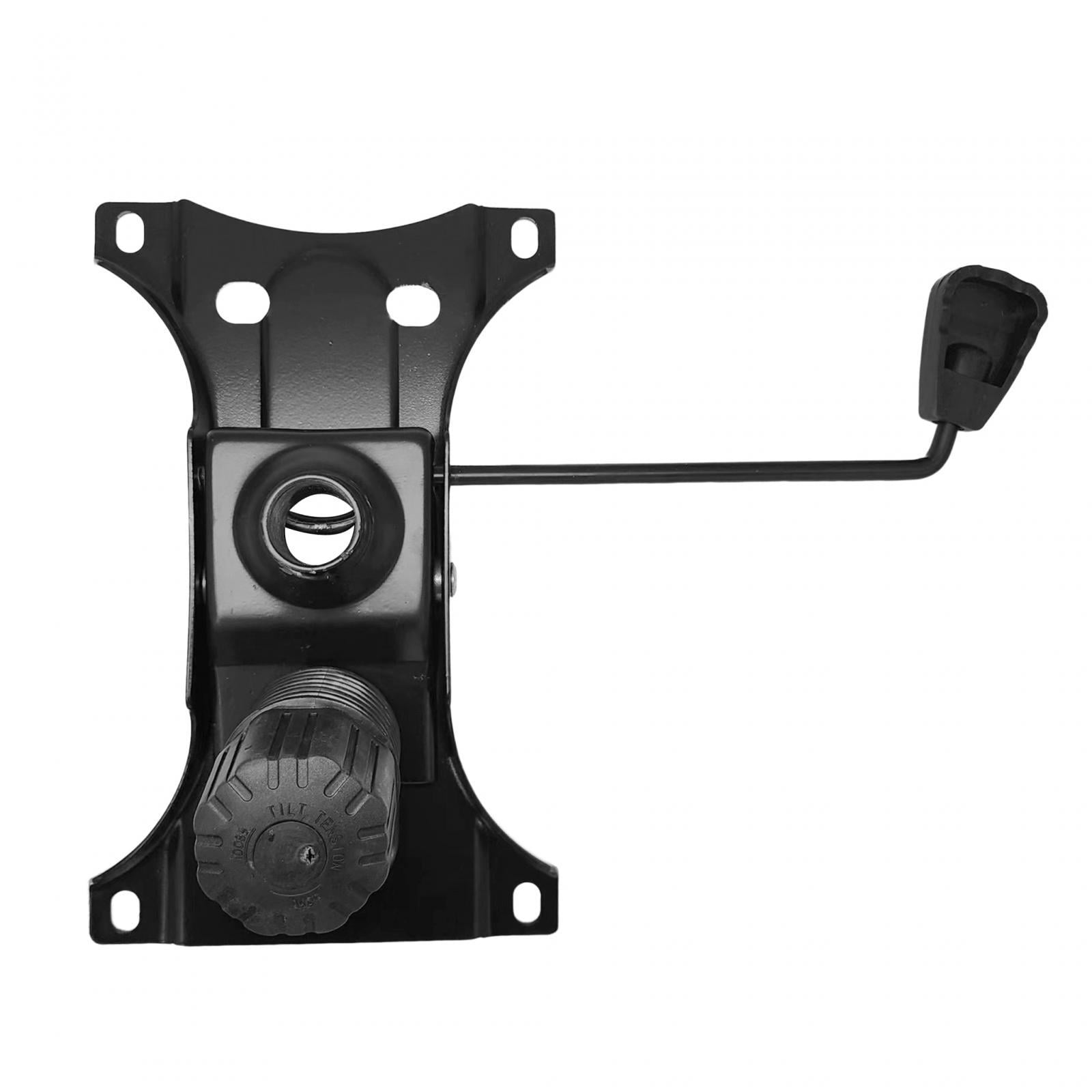
A wobbly mechanism is a sign of weakness. Look for a sturdy tilt mechanism made from forged steel. For big and tall users, a mechanism with a wide pivot point and strong springs is crucial. Features like tilt lock and adjustable tension allow you to customize the recline force. Some heavy-duty chairs include a synchro-tilt mechanism that lets the backrest and seat tilt in a 2:1 ratio, keeping your feet flat on the floor while reclining—this prevents tipping.
4. Casters & Floor Protection: The Unsung Heroes
Standard casters often buckle under heavy loads. A strong chair will feature dual-wheel casters (two wheels per caster) made of hard-wearing polyurethane. These distribute weight better and roll smoothly on carpets. For hardwood floors, ensure the casters are soft rubber or polyurethane to avoid scratches. Some heavy-duty models use 3-inch casters for even easier movement.
Choosing the Right Strength Tier: A Practical Guide
Not all strong chairs are created equal. Here’s a simple tier system to match your needs:
| Tier | Weight Capacity | Best For | Key Features |
|---|---|---|---|
| Plus | 300 - 350 lbs | Tall users, those wanting extra stability | Reinforced base, Class 3/4 lift, wider seat (21-22") |
| Heavy-Duty | 350 - 450 lbs | Big & tall individuals, all-day commercial use | Steel frame, aluminum base, Class 4 lift, dual casters |
| Extreme Capacity | 450 - 700 lbs | Bariatric needs, maximum durability, 24/7 use | Thick steel frame, extra-wide seat (28-30"), Class 5 lift, heavy-gauge mechanism |
Real-World Analogy: The Pickup Truck
Choosing a strong office chair is like choosing a pickup truck. You could haul lumber with a compact car, but a heavy-duty F-250 does it effortlessly, safely, and without straining. A chair rated for 400 lbs operates well below its maximum when you're 200 lbs, meaning less stress on every component and a significantly longer lifespan. It’s the difference between a chair lasting 2 years versus 10 years.
Why Strength Equals Health (A Quick Stat)
According to a 2023 ergonomics study by the National Institute for Occupational Safety, individuals using chairs with inadequate structural support reported 37% more lower back discomfort compared to those in properly fitted, heavy-duty chairs. The micro-movements required to stabilize yourself in a wobbly chair lead to muscle fatigue. A rock-solid chair allows your body to relax and focus on work, not on balancing.
Frequently Asked Questions About Strong Office Chairs
Conclusion: Invest in Strength, Invest in Yourself
A strong office chair is more than a piece of furniture; it's a long-term investment in your comfort, health, and productivity. By prioritizing a reinforced steel frame, a commercial-grade gas lift, a wide aluminum base, and high-density foam, you avoid the cycle of constant replacement. Whether you're a big and tall executive, a developer pulling all-nighters, or someone who simply values quality, choosing a chair built to last will transform your workday. Use the guide above to navigate the options, and remember: a stable seat leads to a stable mind.