
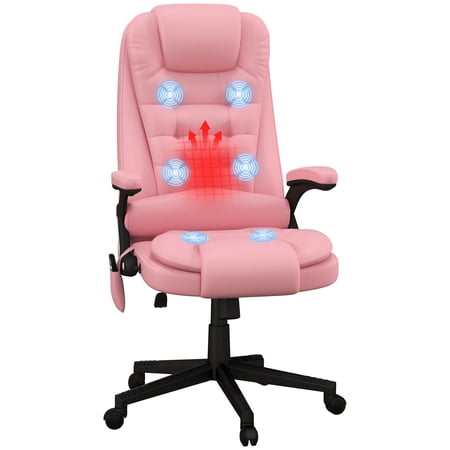
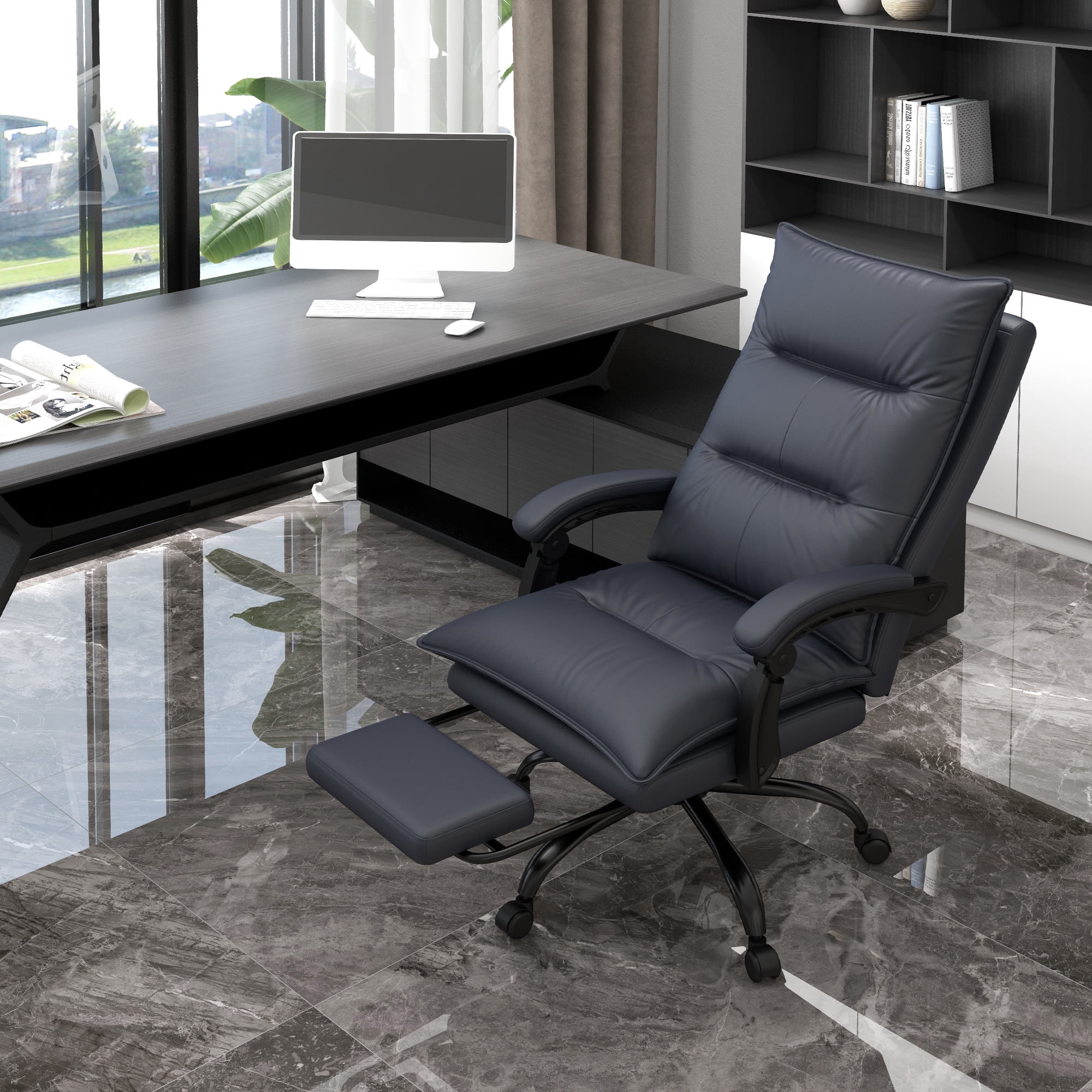
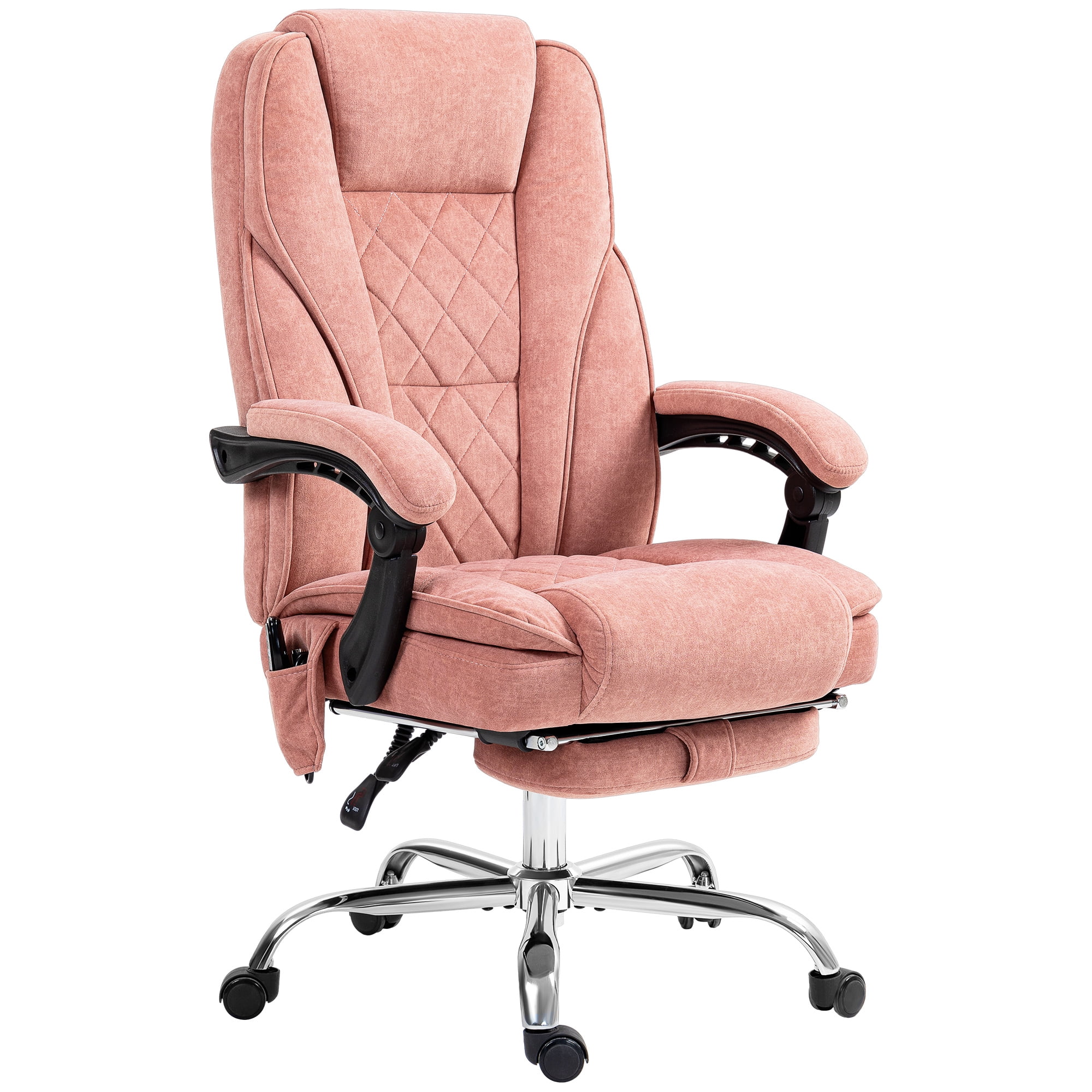
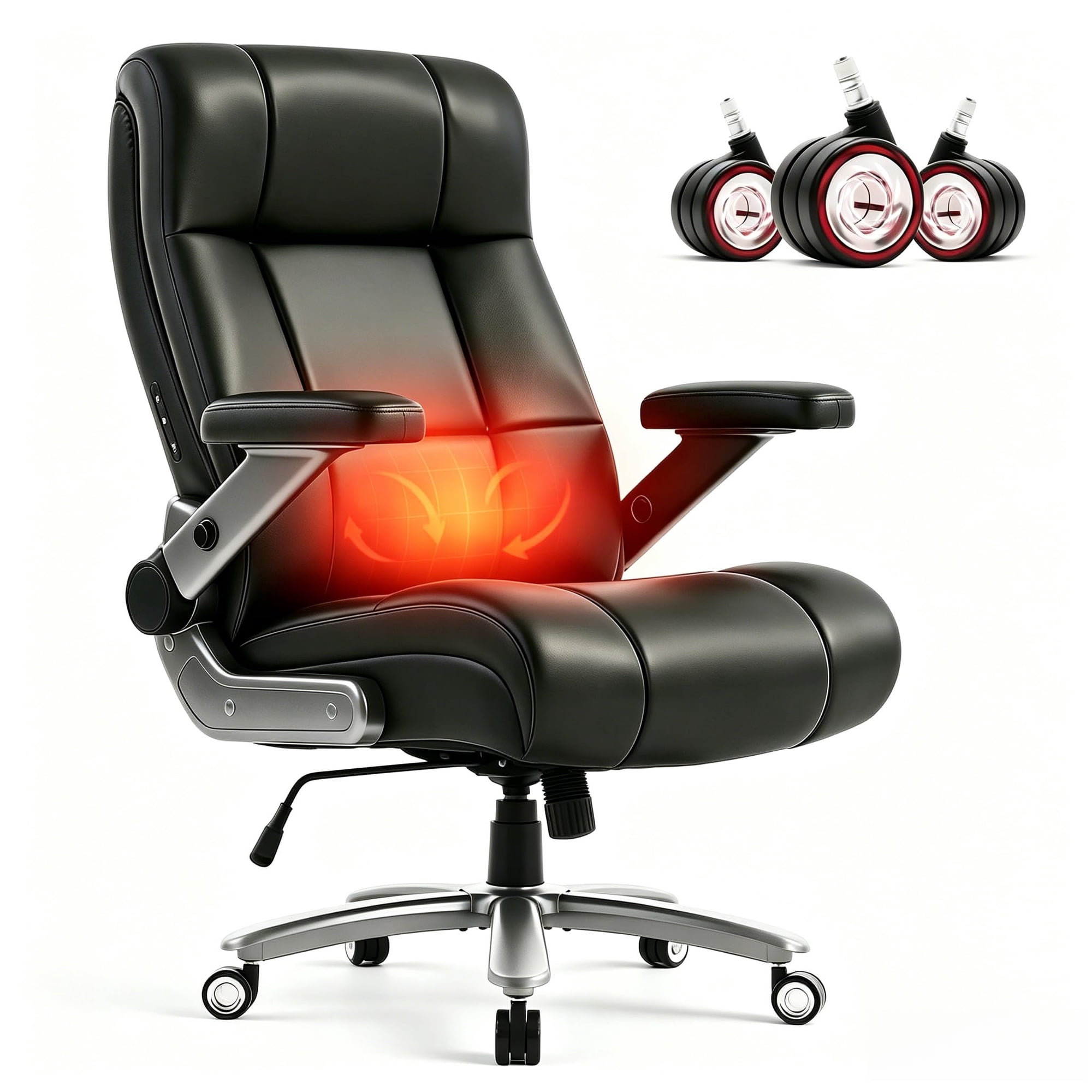
Beyond Ergonomics: The Rise of the Office Chair Massage and Heat
Imagine this: it's 3 PM, your shoulders are tight from hunching over spreadsheets, and a dull ache has settled in your lower back. Instead of reaching for a pain reliever or stepping away for a stretch that never happens, you simply press a button on your armrest. A gentle, soothing warmth radiates through your lumbar region, and rolling nodes begin to knead away the tension. This is the reality for a growing number of professionals who have upgraded to an office chair massage and heat combination.
These chairs are no longer just gimmicks. They represent a convergence of ergonomic science and personal wellness technology. According to a 2023 survey by the Global Wellness Institute, 68% of remote and office workers reported increased muscle stiffness compared to pre-2020 levels. The demand for seating that actively counteracts the physical stress of sitting has skyrocketed. An office chair with integrated massage and heat is designed to do exactly that: provide passive therapy during your active workday.
How Heat and Massage Work Together to Combat "Desk Fatigue"
To understand the value, it helps to think of your muscles like a cold rubber band. When you're stationary, blood flow slows, and muscles tighten. A heated office chair acts like a warm-up. The infrared or carbon fiber heating elements gently increase tissue temperature, making muscles more pliable and ready for movement. When combined with massage, the heat allows the massage mechanisms to penetrate deeper and more effectively.
Soothing Heat
Typically located in the lumbar or seat cushion, heat dilates blood vessels, increasing oxygen flow and reducing stiffness.
Shiatsu Massage
Rotating nodes move up and down the back, targeting acupressure points to release deep-seated knots.
Vibration Massage
A broader, pulsating sensation that relaxes the entire back and can be adjusted for intensity.
1. Types of Massage Mechanisms: Not All Rollers Are Equal
When shopping for an office chair with massage and heat, you'll encounter different massage track systems. Understanding these helps you choose the right level of therapy.
- 2D Massage Track: The rollers move up and down (vertical) and side to side (horizontal). This is the most common type for office chairs and covers the entire backrest effectively.
- 3D Massage Track: In addition to 2D movement, the rollers can also protrude outward, allowing you to adjust the intensity of the kneading—pressing harder into tight muscles. This is a premium feature found in higher-end models.
- Airbag Massage Systems: Instead of mechanical rollers, some chairs use inflatable airbags located in the backrest and seat. These compress and release, providing a gentle, squeezing massage that feels like a deep tissue compression. These are often quieter than roller mechanisms.
- Vibration-Only Mats: Entry-level chairs may have a simple vibration motor. While less therapeutic than shiatsu, vibration can still provide a relaxing sensation and improve blood flow.
2. Heat Placement: Where Warmth Matters Most
Heat isn't just a "nice to have"; its placement dictates its effectiveness. The most therapeutic heated massage office chairs feature targeted heating zones.
- Lumbar Region (Most Common): This is the primary area for heat, directly addressing the lower back muscles that bear the brunt of sitting. It's highly effective for relieving general lower back ache.
- Seat Cushion: A heated seat provides overall comfort, especially in colder climates. It can also soothe gluteal muscles and improve circulation in the thighs.
- Neck/Shoulder Zone: Some advanced chairs include a heating element in the upper backrest or headrest area to target tension in the trapezius muscles, a common spot for stress-related tightness.
Pro Tip: Look for chairs with adjustable heat settings (low/medium/high) so you can customize the temperature to your comfort level and the ambient room temperature.
3. The "Sitting Marathon" Analogy: Why You Need Active Comfort
Think of a standard office chair as a comfortable pair of walking shoes. They're fine for a stroll, but if you had to run a marathon in them, your feet would suffer. Sitting for 8+ hours is a marathon for your spine. An ergonomic office chair with heat and massage is like having a physiotherapist on standby during the race. It doesn't just support you passively; it actively intervenes. When your back "hits the wall" at hour six, a 15-minute massage cycle can reset your muscles, flush out lactic acid, and give you a second wind. This active intervention is the core differentiator from non-powered ergonomic chairs.
4. Key Features to Look For: The "Must-Haves" Checklist
Beyond the massage and heat, a chair must first and foremost be a good office chair. Here’s a checklist to ensure you're getting a quality product:
- Ergonomic Adjustability: Don't sacrifice ergonomics for gadgets. Ensure the chair has adjustable seat height, tilt tension, and 4D armrests. The massage function is a bonus on top of a solid ergonomic foundation.
- Power Source & Cord Management: Since these chairs need electricity, check where the cord exits. Chairs with tidy cord channels and a long enough cord (8-10 feet) are much easier to place in your office.
- Control Panel Accessibility: Is the massage controller on the armrest, a side panel, or a wired remote? Armrest-mounted controls are the most convenient, allowing you to adjust settings without fumbling.
- Auto-Timer Function: Most quality chairs have a built-in auto shut-off (e.g., 15 or 30 minutes) for the massage/heat functions. This is a safety feature and prevents the mechanisms from wearing out from constant use.
- Upholstery and Breathability: Heat can make you sweat. Look for breathable materials like bonded leather with perforations or high-quality mesh backs that allow air circulation even when the heat is on.
Who Benefits Most from a Heated Massage Office Chair?
While almost anyone can appreciate the luxury, specific groups find these chairs transformative:
- Remote Workers & Gamers: Anyone spending 6+ hours stationary.
- Individuals with Chronic Lower Back Pain: The heat therapy can provide non-invasive relief.
- People in Cold Climates: A heated seat can replace a space heater under the desk.
- High-Stress Professionals: The massage function offers a mental reset without leaving the desk.
Frequently Asked Questions About Office Chairs with Massage and Heat
Conclusion: Is a Heated Massage Chair Right for Your Office?
Investing in an office chair massage and heat is a decision to prioritize your physical well-being during the workday. It moves beyond passive seating to offer active therapeutic benefits that can reduce stress, alleviate muscle pain, and improve focus. While the initial cost is higher than a standard chair, the potential return in terms of comfort, health, and productivity is substantial. Think of it not as an office expense, but as a wellness tool that happens to be a chair. By focusing on the key features—massage type, heat placement, and core ergonomics—you can find the perfect model to keep you comfortable, warm, and relaxed from 9 to 5.
Browse our top picks above to find the best heated massage chair for your workspace today.