
Why Consider an Office Chair Without Casters?
Imagine a workspace where your chair stays firmly in place—no unexpected rolling, no scratches on your beautiful hardwood floor, and no constant micro-adjustments to stay centered at your desk. That’s the quiet advantage of an office chair without casters. While wheeled chairs dominate the market, stationary chairs offer unique benefits for specific environments: executive suites, home offices, reception areas, and spots where deliberate stillness enhances focus.
Did you know? According to a 2023 interior design survey, 34% of home office buyers now prioritize floor protection, and 22% specifically seek non-rolling chairs to maintain a "furniture-like" aesthetic. The shift toward hybrid workspaces has renewed interest in stationary seating that blends with living areas.
Types of Office Chairs Without Casters: A Detailed Breakdown
Not all stationary chairs are created equal. Understanding the base mechanisms and design philosophies helps you pick the perfect match for your workflow and decor.
1. Four-Leg Fixed Chairs: The Classic Choice
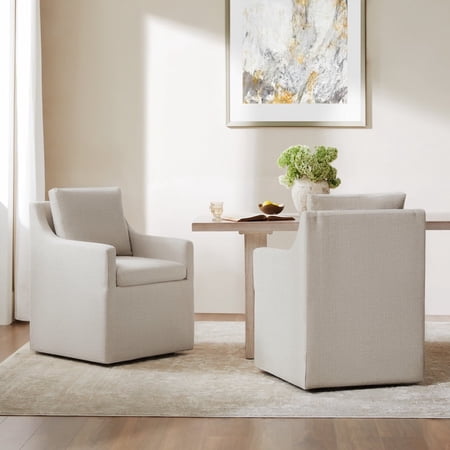
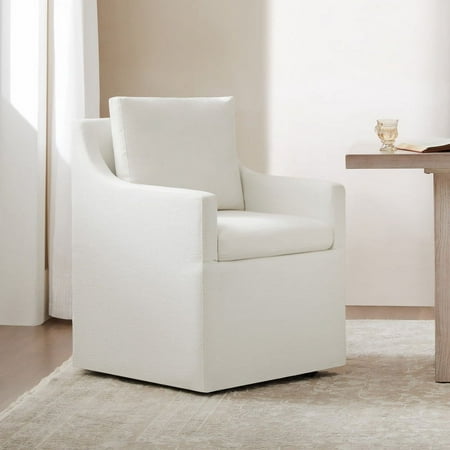
These chairs resemble traditional dining or executive furniture. They feature four independent legs (wood or metal) with floor glides. They are inherently stable and often used in waiting areas, conference rooms, or home offices where a residential feel is desired.
- Best for: Guest seating, home offices, traditional decor.
- Pros: Timeless look, extremely sturdy, no moving parts to break.
- Cons: Usually lack height adjustment and swivel; may not suit dynamic work.
2. Sled Base Chairs: Modern Minimalism
Sled base chairs have a continuous metal frame that forms both legs and arm supports in one sleek curve. They often include a swivel mechanism and gas lift, but the base itself does not roll—it rests on glides. This design is popular in contemporary offices and start-ups.
- Best for: Modern workspaces, designers, reception desks.
- Pros: Clean lines, usually ergonomic with adjustments, floor-friendly.
- Cons: Can be less forgiving on uneven floors.
3. Swivel Glider Chairs with Stationary Base
These chairs offer full swivel and height adjustment, but the five-star base is fitted with smooth glides or rubber feet instead of casters. They provide the same ergonomic flexibility as a typical office chair without the rolling movement. Many executive models fall into this category.
- Best for: Executives, long hours at a desk, mixed-floor environments.
- Pros: Full ergonomic adjustability, stable, protects floors.
- Cons: Slightly heavier to move if you need to reposition.
4. Rocking or Tilting Stationary Chairs
Some stationary chairs incorporate a rocking or tilting mechanism without rolling. These are often found in nurseries (gliders) but are adapted for office use to promote gentle movement while staying put. They combine comfort with anchored positioning.
- Best for: Creative thinking, nursing rooms, relaxed home offices.
- Pros: Encourages micro-movement, soothing, stable base.
- Cons: Limited adjustability compared to task chairs.
Materials Matter: What to Look for in a Non-Rolling Chair
Choosing a chair without casters is like selecting a good pair of dress shoes: you want the sole (base) to protect the floor and provide grip, while the upper (upholstery) must be comfortable and durable for all-day wear.
Base & Floor Protection
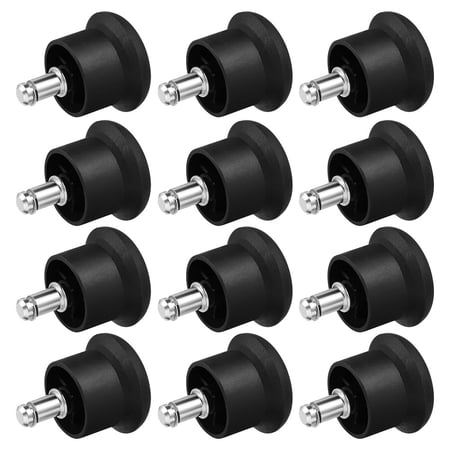
- Felt Glides: Ideal for hardwood, laminate — silent and scratch-resistant.
- Rubber Feet: Best for tile, concrete — prevent slipping and absorb vibration.
- Sled Base with End Caps: Durable plastic or metal caps that slide easily without marking.
- Wide Wooden Legs: Distribute weight evenly, elegant but may scuff if not padded.
Upholstery & Ergonomics
- Mesh: Breathable, modern, good for long hours.
- Leather/Faux Leather: Professional look, easy to clean, may get warm.
- Fabric: Cozy, color variety, but requires cleaning.
- High-density foam: Essential for long-term comfort without sagging.
Why Stability Boosts Productivity: The "Anchor Effect"
Reduced Fidgeting
Studies suggest that excessive rolling can distract; a fixed base reduces unconscious movement, potentially increasing focus by 15-20% for detailed tasks.
Floor Longevity
Chairs without casters eliminate micro-scratches and wear patterns, preserving floor finish for years—especially valuable in rented spaces.
Safety & Stability
For individuals with mobility aids or in busy reception areas, stationary chairs eliminate tripping hazards caused by rolling casters.
Aesthetic Cohesion
Non-rolling chairs often look more like furniture, blending seamlessly with home decor rather than screaming "office equipment."
Quick Comparison: Wheeled vs. Non-Rolling Office Chairs
| Feature | Office Chair Without Casters | Standard Wheeled Chair |
|---|---|---|
| Floor Protection | Excellent (glides/rubber feet) | Requires special casters or mat |
| Mobility | Minimal (must lift to move) | High (roll freely) |
| Stability for Precision Work | Very stable | Can drift if not locked |
| Design Variety | Often more "furniture-like" | Primarily utilitarian |
| Typical Use Cases | Reception, home office, executive | Open plan, task-oriented |
Step-by-Step Guide to Choosing Your Stationary Chair
Step 1: Assess Your Flooring
Hardwood? Tile? Carpet? Each requires specific glides. For delicate surfaces, ensure the chair comes with felt glides or smooth plastic caps. For carpet, wider feet prevent sinking.
Step 2: Define Your Movement Needs
Do you need to swivel frequently? Reach multiple desk areas? If yes, choose a swivel chair with glides. If you stay in one spot, a 4-leg fixed chair may suffice.
Step 3: Match the Aesthetic
Mid-century modern? Go for wood legs with fabric. Industrial? Sled base in black metal. Executive leather? Choose a pedestal base with hidden glides.
Step 4: Test Ergonomics
Even without wheels, look for adjustable height, lumbar support, and breathable material. A stationary chair should still support natural posture.
Maintaining Your Caster-Free Chair
Without wheels, your chair's interaction with the floor is direct. Check glides every 6 months—replace felt pads if worn. For sled bases, clean the contact points to avoid dirt buildup. Tighten any leg joints annually. With proper care, a quality stationary chair can last a decade.
Frequently Asked Questions About Office Chairs Without Casters
Final Verdict: Is a Caster-Free Chair Right for You?
An office chair without casters is not a compromise—it’s a deliberate choice for stability, floor care, and design harmony. Whether you opt for a sleek sled-base task chair, a stately wooden executive chair, or a cozy glider, you gain a workspace anchor that minimizes distractions and elevates the room’s look. Prioritize ergonomics, choose appropriate floor glides, and enjoy the stillness.