
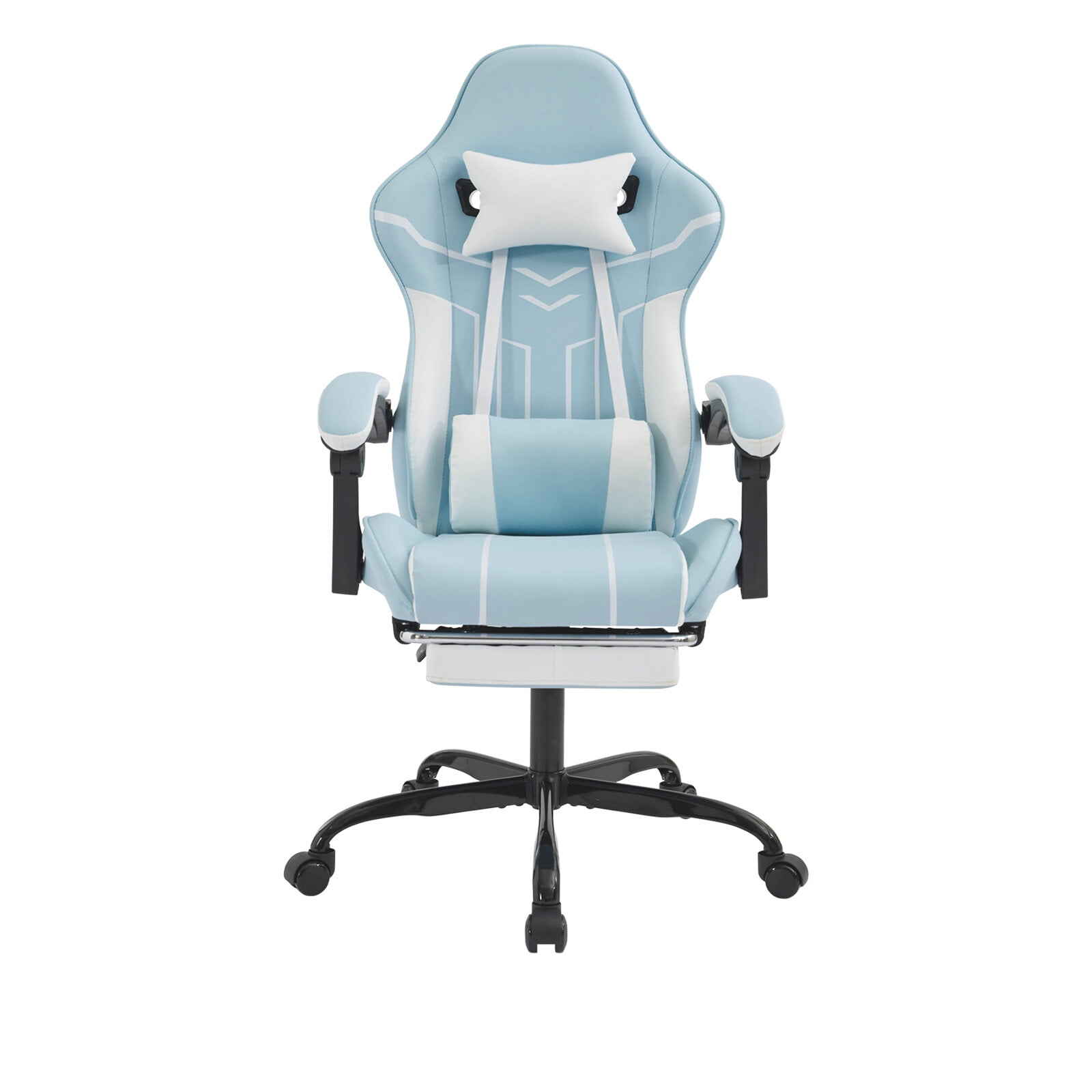
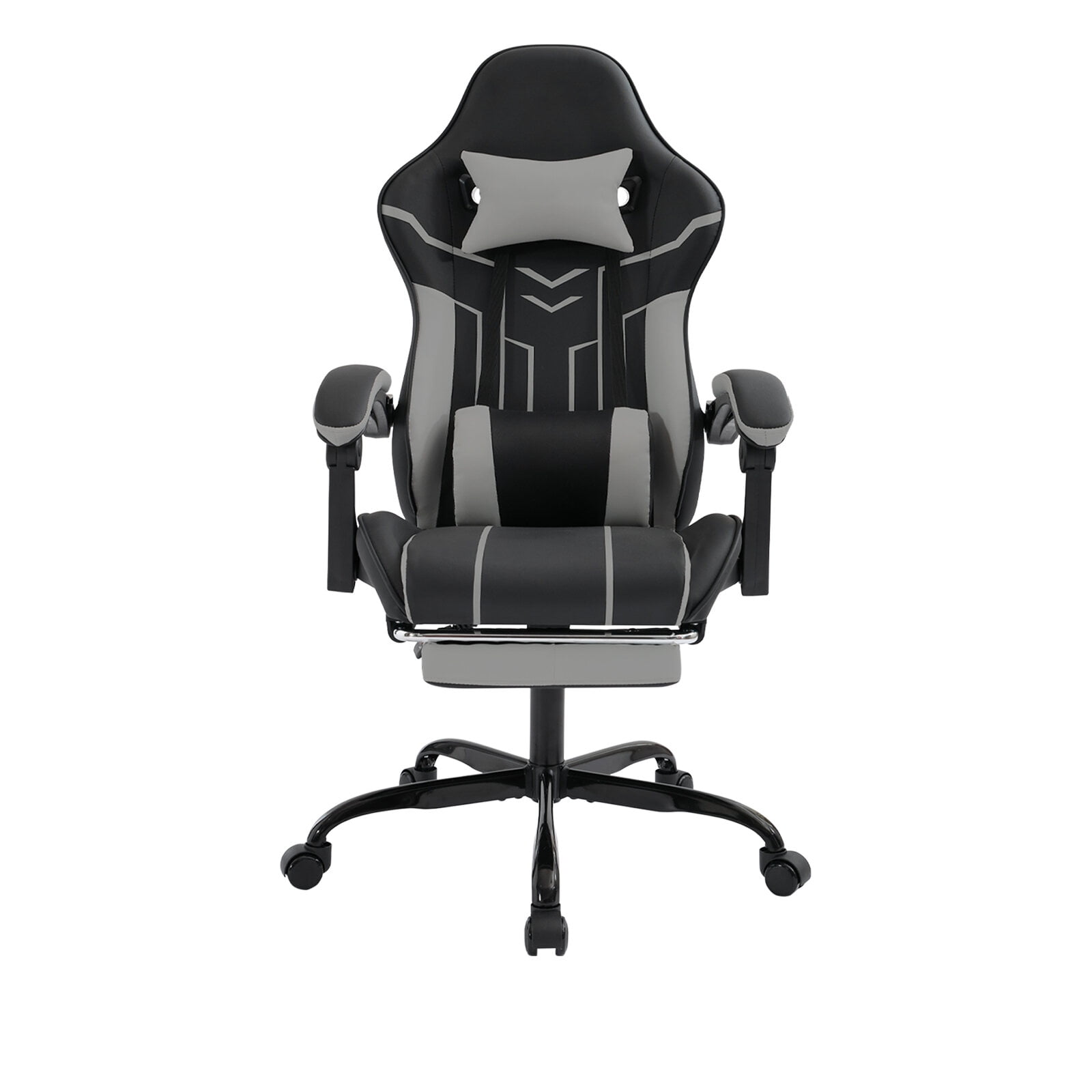
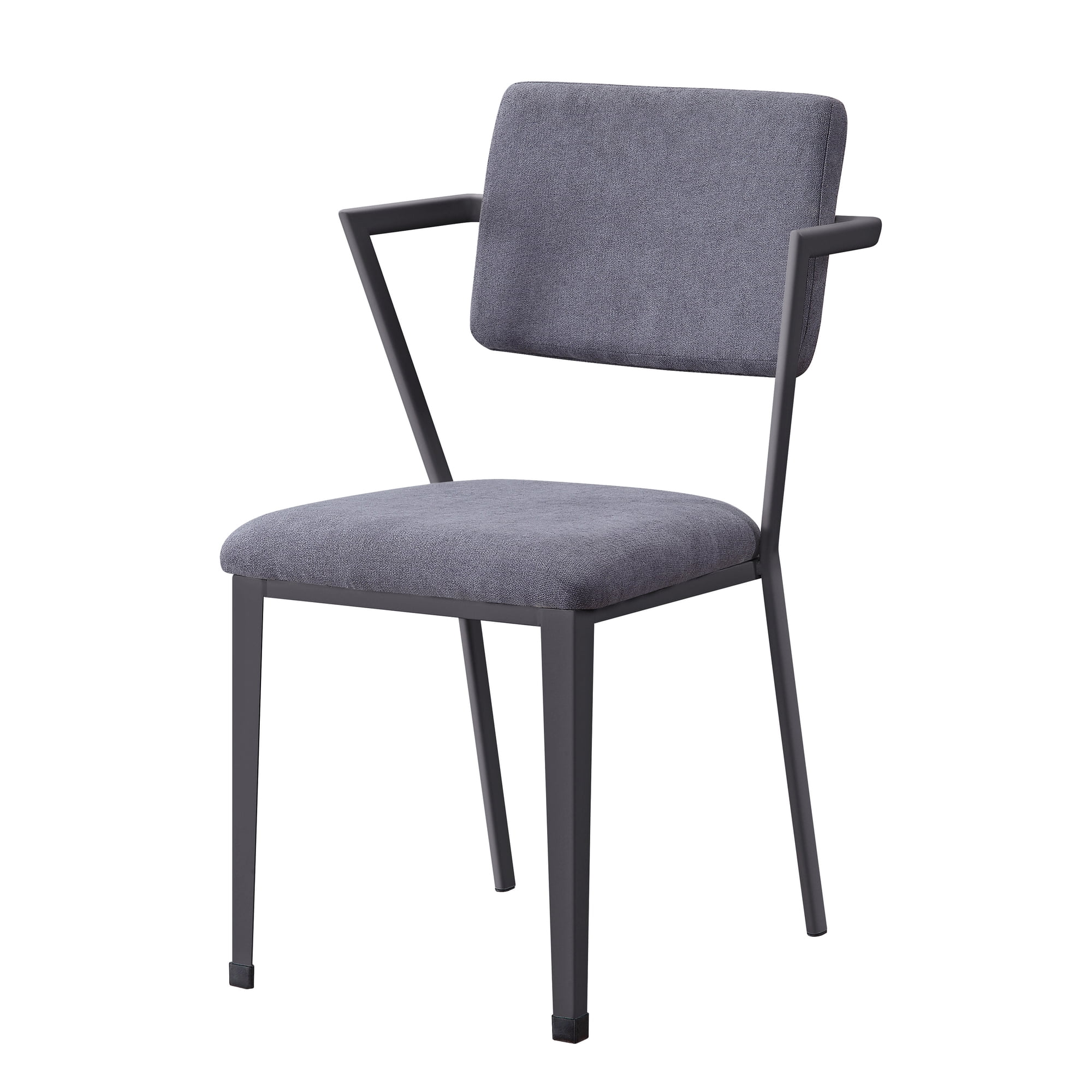
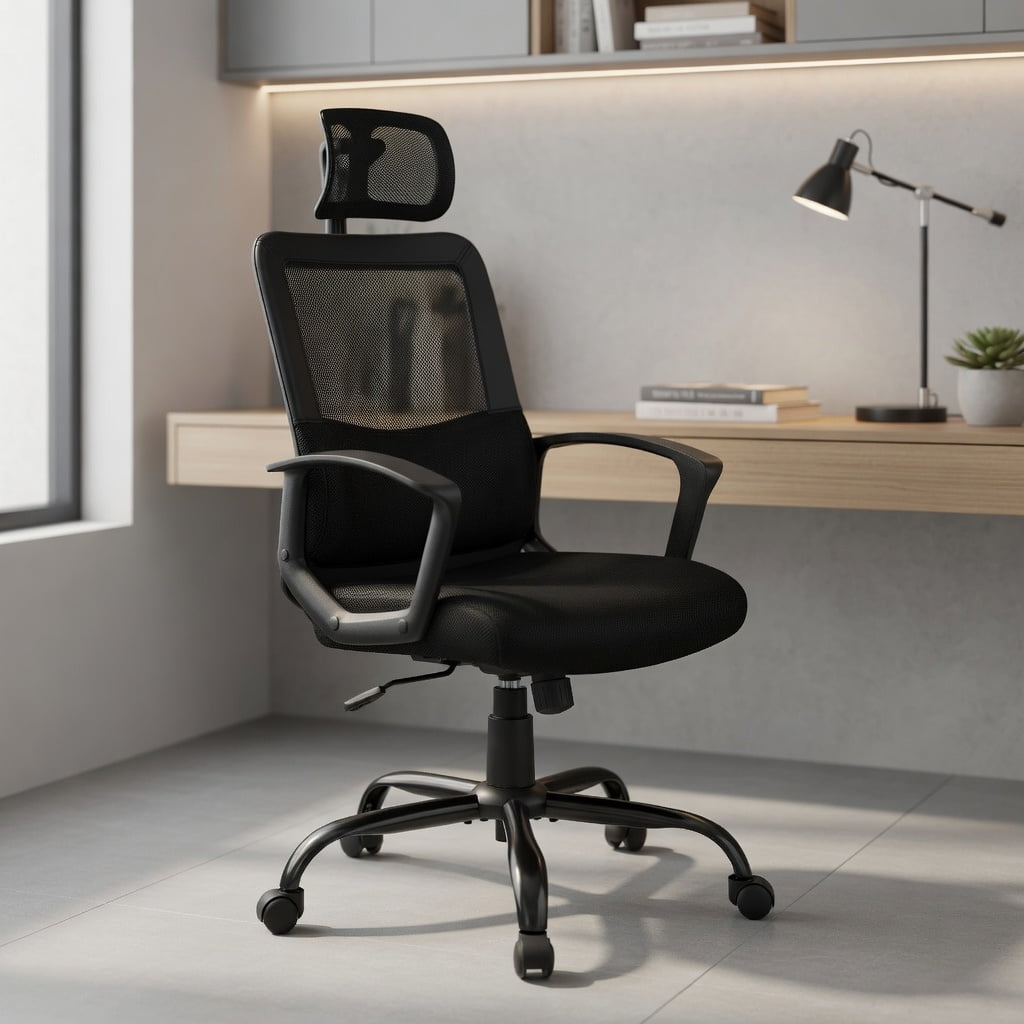
The Era of the Pretty Ergonomic Office Chair
For years, the office chair market presented a frustrating dichotomy: you could have a chair that looked like it belonged in a design magazine, or one that offered genuine back support. The "pretty" chair was often a hard-backed vintage piece, while the ergonomic marvel resembled something from a sci-fi lab. That era is over. The pretty ergonomic office chair has arrived, merging the soft curves of interior design with the rigid demands of spinal health.
Why It Matters Now: With the rise of the home office as a permanent fixture, our workspaces have become extensions of our personal style. We no longer tolerate eyesores. According to a recent survey by the Interior Design Society, 68% of remote workers say that an aesthetically pleasing workspace boosts their mood and productivity. A pretty ergonomic chair is no longer a luxury—it's a key piece of home decor that works as hard as you do.
Beyond Beige: Decoding the Anatomy of a Pretty Ergonomic Chair
What transforms a standard task chair into a "pretty" one? It's a thoughtful combination of silhouette, material, color, and detail. But beauty without function is merely decoration. Here's how modern designs achieve the perfect marriage.
1. The Silhouette: Curves, Tapering, and Visual Lightness
Traditional executive chairs are bulky, designed to convey power. Pretty ergonomic chairs often take a different approach. They feature:
- Waisted backs: A subtle inward curve at the sides that mimics a tailored silhouette, reducing visual bulk.
- Thinner, refined bases: Instead of chunky black plastic, look for polished aluminum, slim chrome, or matte white bases that let the chair "float."
- Open backs: Some designs use a Y-shaped or split-back design that provides support while maintaining an airy, less imposing presence in a room.
- Petite-friendly proportions: Many pretty chairs are scaled for smaller frames, with reduced seat depth and back height, making them ideal for home offices without compromising ergonomics.
2. The Palette: Colors That Heal and Inspire
Color psychology plays a huge role in a chair's appeal. Here are the leading palettes for pretty ergonomic chairs:
- Nature-inspired neutrals: Sage green, terracotta, and warm oatmeal tones bring a calming, organic feel.
- Jewel tones with restraint: Deep emerald or navy in a velvet finish adds a touch of luxury without being overwhelming.
- Monochromatic minimalism: An all-white or all-cream chair with matching casters creates a seamless, sculptural look.
3. Material Story: Texture Meets Performance
The choice of upholstery defines both the look and the feel of the chair. Pretty ergonomic chairs utilize:
- Performance velvet: Stain-resistant and soft to the touch, velvet adds depth and a subtle sheen. It's surprisingly durable for daily use.
- Breathable mesh in color: No longer just black or grey. Colored mesh (like dusty rose or teal) offers the breathability of a task chair with the look of a design piece.
- Vegan leather with texture: Crosshatch or pebble-grain vegan leather provides the look of leather without the ethical concerns, and it's easier to clean.
- Mixed materials: A combination of fabric on the seat and mesh on the back, or leather accents on a fabric body, creates visual interest.
4. Ergonomic Credentials Hidden in Plain Sight
A pretty chair must first be a good chair. Here are the non-negotiable ergonomic features to look for, cleverly integrated into stylish designs:
🖥️ Adjustable Lumbar
Look for chairs where the lumbar support is either built into the curve of the backrest (often with a tension adjustment) or a separate padded cushion that can be moved vertically. In pretty chairs, these mechanisms are often hidden under beautiful upholstery.
⬆️ Seat Depth Adjustment
Critical for proper thigh support. A slider under the seat lets you move the pan forward or back. In aesthetic chairs, this is often a discreet lever or paddle that doesn't disrupt the design.
↔️ 4D Armrests
Armrests that adjust in height, width, depth, and angle. Design-forward chairs often have slim, padded armrests that match the upholstery, looking like elegant accents rather than clunky attachments.
🔄 Synchronous Tilt
This mechanism allows the backrest and seat to move together at a ratio (usually 2:1 or 3:1), keeping you supported in any recline position. It's a premium feature now appearing in beautifully designed chairs.
5. The "Pretty" Test: 5 Questions to Ask Before You Buy
To ensure your chosen chair is both a looker and a worker, run through this checklist:
- Will it complement my existing decor? Consider the chair's dominant color and material against your desk, rug, and wall color. Snap a photo and use a room visualizer tool if available.
- Can I sit in it for 4 hours without fidgeting? Aesthetics fade, but discomfort is permanent. Prioritize cushion density and lumbar shape.
- Are the adjustments intuitive? You shouldn't need a manual to change the seat height. Levers and knobs should be easy to reach and operate.
- What's the base material? A polished aluminum or chrome base elevates the look instantly compared to standard black nylon. It's also more durable.
- Are the casters floor-friendly? Pretty chairs often come with upgraded casters suitable for hardwood or carpets, protecting your floors silently.
6. Style Profiles: Matching the Chair to Your Aesthetic
Not all "pretty" is the same. Here’s how to match a chair to your personal style:
- The Modern Bohemian: Look for a rattan or cane-back accent combined with a comfortable padded seat and an ergonomic curve. Natural materials meet function.
- The Scandinavian Minimalist: Opt for a light wood base, a wool-blend upholstery in off-white or pale grey, and clean lines. Ergonomics come from a well-shaped backrest rather than lots of knobs.
- The Glam Executive: A velvet chair in a jewel tone with gold or brass base accents. Ensure the chair has a high back and substantial cushioning for long meetings.
- The Tech-Savvy Modernist: A monochrome chair (all black or all white) with a breathable mesh back and sleek, exposed mechanism details. It looks like a piece of tech itself.
7. Long-Term Love: Caring for Your Pretty Ergonomic Chair
To keep your investment looking fresh:
- For fabric/velvet: Use a fabric shaver to remove pilling. A lint roller is great for weekly maintenance.
- For light-colored chairs: Consider a color-safe upholstery protector spray. Test first.
- Mechanism care: Every six months, lubricate moving parts with a silicone-based lubricant to prevent squeaks and maintain smooth operation.
- Caster cleaning: Hair and dust wrap around casters. Clean them with a pair of scissors or a specialized caster cleaning tool to keep them rolling smoothly.
Frequently Asked Questions About Pretty Ergonomic Office Chairs
Final Thoughts: Invest in a Chair You'll Love to Look At and Sit In
The search for a pretty ergonomic office chair is no longer a compromise. It's an opportunity to curate a workspace that reflects your personality while respecting your body's needs. By focusing on the interplay of silhouette, material, color, and hidden ergonomic tech, you can find a chair that makes you smile every time you walk into the room—and keeps you comfortable until you leave. Don't settle for a chair that only does half the job. Your back and your interior design sense will thank you.