
Why a Dedicated Small Office Desk With Chair Matters
Creating a dedicated workspace, even in a compact area, is essential for productivity and mental separation between work and home life. A small office desk with chair is not just furniture; it's a strategic investment in your daily efficiency. Whether you're working from a cozy apartment corner, a dorm room, or a small home office, the right combination ensures you have a functional, comfortable, and inspiring environment without feeling cramped.
Space-Saving Insight: According to home office design experts, a well-planned small workspace can increase productivity by up to 20% compared to working from a couch or kitchen table. The key is selecting furniture that fits the space perfectly while promoting good posture and focus.
Key Features of an Ideal Small Desk and Chair Set
When selecting a compact desk and chair combination, certain features are non-negotiable for ensuring the setup works for you, not against you:
- Compact Footprint: The desk should have a depth of no more than 24 inches, and the chair should have a swivel base that fits within the desk's width or tucks neatly underneath.
- Multi-Functional Design: Desks with built-in shelves, drawers, or keyboard trays maximize utility. Chairs with adjustable or flip-up arms save space when pushed in.
- Ergonomic Adjustments: Even in a small space, you need proper support. Look for chairs with seat height adjustment, and desks with height adjustability for a perfect ergonomic match.
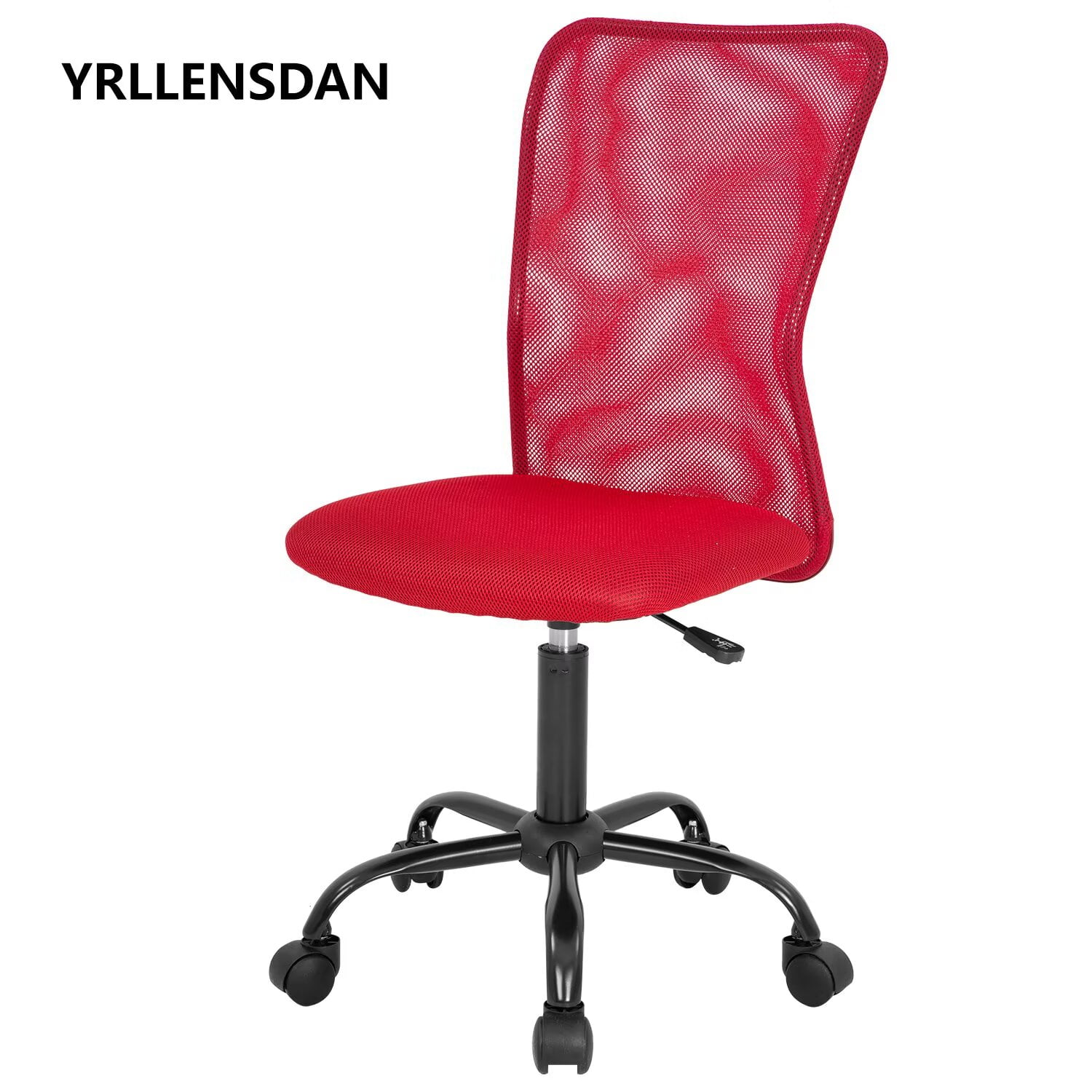
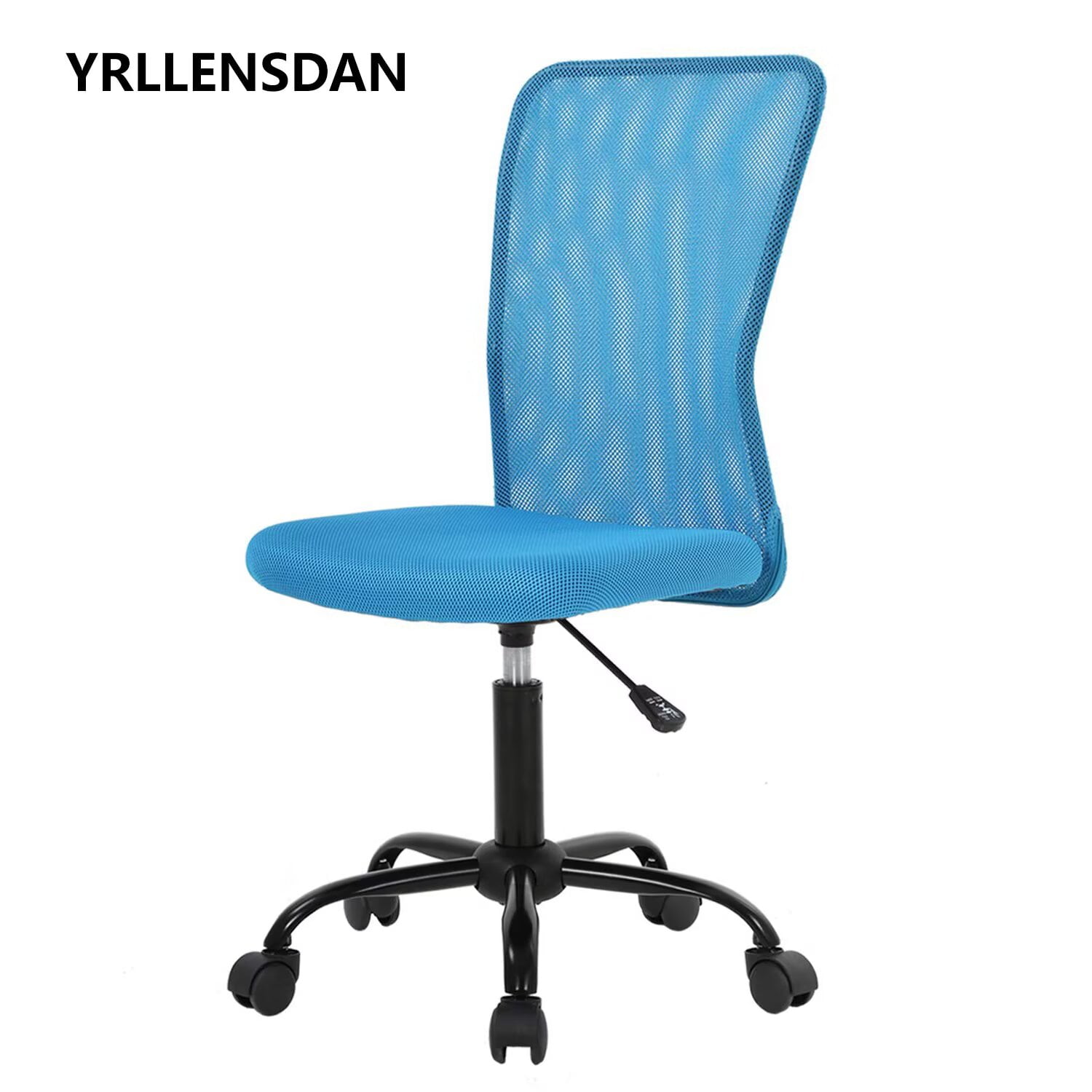
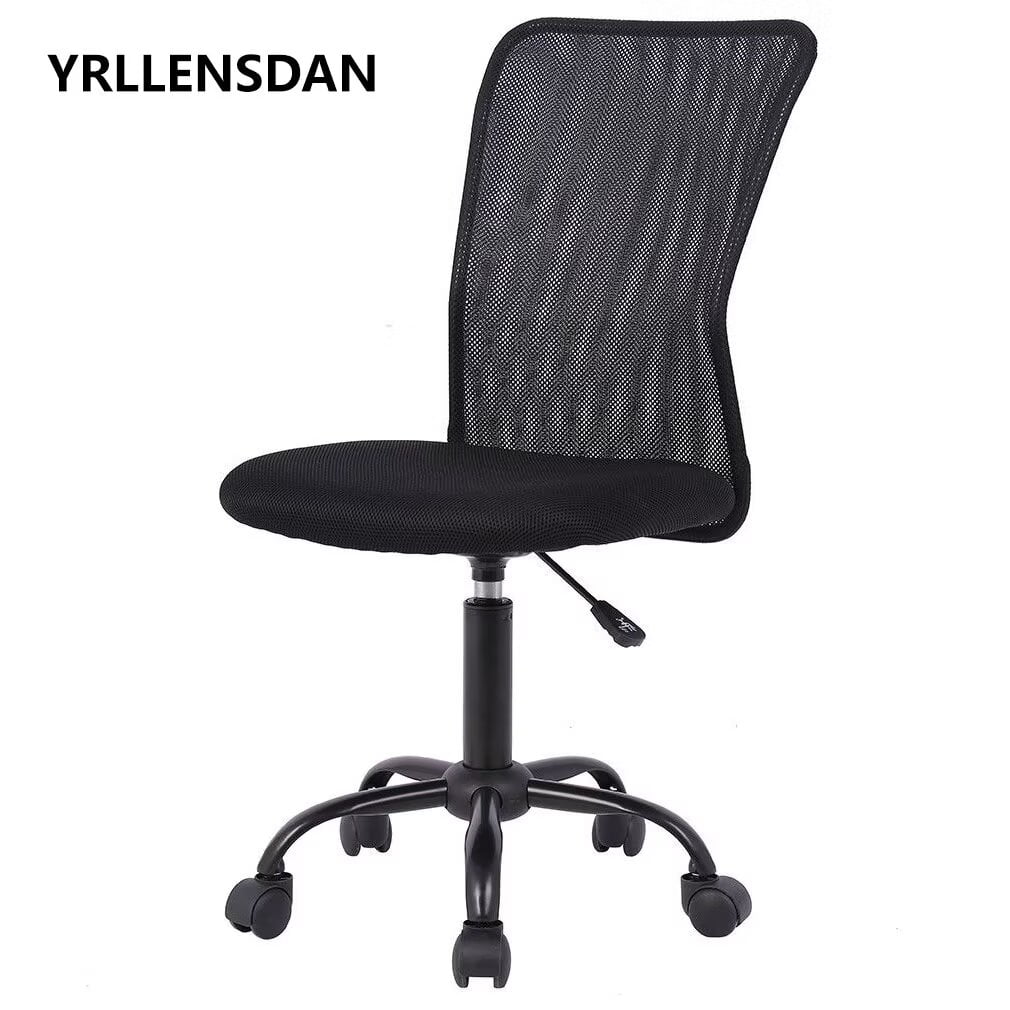
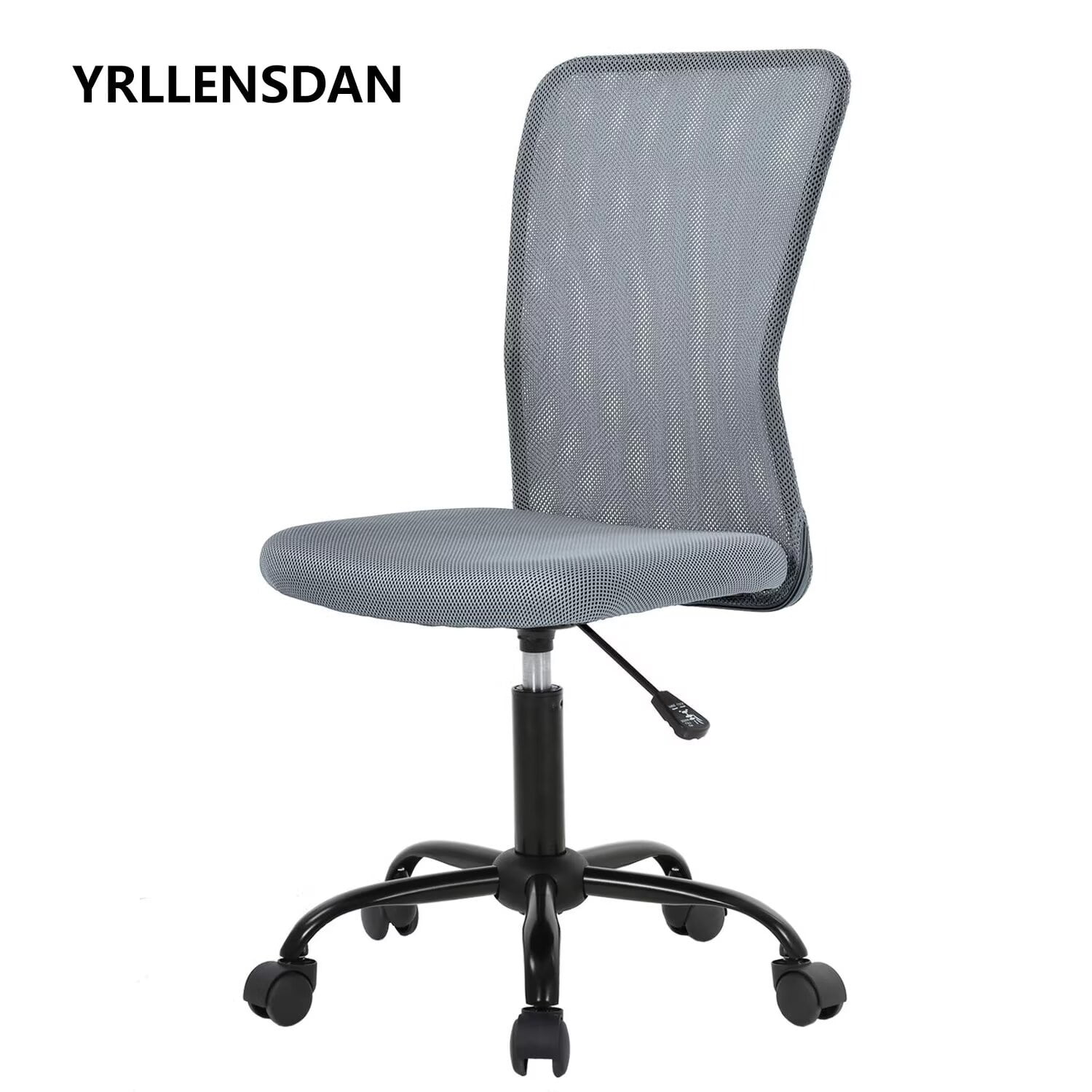
- Visual Lightness: Choose desks with open, minimalist designs (like hairpin legs) and chairs with mesh backs to prevent the furniture from visually overwhelming the room.
- Durable Materials: Compact doesn't mean fragile. Opt for high-quality MDF, solid wood, or steel frames that can withstand daily use.
📏 Quick Dimension Guide for Small Office Desks
- Ideal Desk Width: 36 - 48 inches (fits in most corners or against a standard wall)
- Ideal Desk Depth: 18 - 24 inches (shallow enough to not protrude into walkways)
- Chair Base Diameter: 25 - 27 inches (ensures it can roll freely without hitting desk legs)
- Minimum Clearance: 28-30 inches from floor to desk underside for comfortable legroom and chair storage
Types of Small Office Desk and Chair Combos
Depending on your specific space constraints and work style, you can choose from several types of compact setups:
- Corner Desk Sets: Perfect for utilizing unused corners. These desks often have a unique shape that fits snugly into a 90-degree angle, with the chair positioned diagonally.
- Wall-Mounted Floating Desks: The ultimate space-saver. These desks attach to the wall and have no legs, giving a clean, modern look. Paired with a sleek, armless chair, they make a room feel significantly larger.
- Drop-Leaf or Folding Desks: Ideal for multi-purpose rooms. The desk can be folded down when not in use, and paired with a folding or stackable chair, the entire office can disappear in minutes.
- Desk with Hutch/Storage: For those who need vertical storage, desks with a hutch or overhead shelves maximize the use of vertical space, leaving the desktop clear. Choose a chair that can be fully pushed under the desk to maintain an open feel.
- Compact L-Shaped Desks: Provides ample surface area in a corner. Look for models with a 'return' that is no deeper than 18 inches to keep the overall footprint manageable.
Pro Tip for Maximizing Small Spaces
Consider the concept of "visual weight." A desk with thin, metal legs and a glass or light wood top, paired with a chair that has a transparent mesh back, can make a room feel twice as spacious. Avoid bulky, dark-colored furniture that can make a small space feel closed in.
Ergonomics in a Compact Setup
It's a common misconception that small spaces can't accommodate ergonomic furniture. The truth is, ergonomics is about fit and adjustability, not size. Here's how to maintain proper posture in a small office:
- Seat Height: Your chair should adjust so your thighs are parallel to the floor. Many compact chairs still offer this essential feature.
- Desk Height: If your desk is not adjustable, ensure it's at standard height (29-30 inches). Use a footrest if needed to maintain proper leg angle.
- Monitor Placement: Use a monitor arm to free up desk space and position your screen at eye level. This is a game-changer for small desks.
- Armrests: Choose a chair with adjustable or flip-up armrests. This allows you to use the arms when typing for support, but flip them up to push the chair completely under the desk when not in use.
🚀 Boosts Productivity
A dedicated, well-fitted space minimizes distractions and creates a mental boundary, helping you focus on tasks efficiently.
🧘 Promotes Better Posture
Matching the desk height with a supportive chair encourages proper spinal alignment, preventing fatigue and back pain during long work sessions.
✨ Enhances Aesthetics
Coordinated sets create a cohesive, professional look that can elevate the entire room's design, making even a small area feel intentional and polished.