
Why Your Choice of a Single Office Chair Matters More Than You Think
Think of your office chair not as a piece of furniture, but as a tool you'll use for thousands of hours. Just as a craftsman relies on a quality hammer, your productivity and physical comfort depend on the chair you sit in. A well-chosen single office chair is an investment in your daily well-being. It's the cornerstone of an ergonomic setup, helping you maintain focus, avoid distracting aches, and project a professional image, even in a home office.
Did You Know? The average person who works from home spends over 6 hours a day seated. Investing in a chair that supports your body's natural posture can reduce fatigue and improve concentration by up to 20%, according to studies in occupational health.
Beyond the Basics: Decoding the "Single Office Chair"
While the term "single office chair" might seem straightforward, it encompasses a wide range of options. Your goal is to move beyond a simple description and understand the chair's anatomy. Here’s a breakdown of the critical components you'll evaluate.
The Ergonomics Checklist: What to Look For
Ergonomics isn't a buzzword; it's about how the chair adapts to you. A truly ergonomic single office chair offers a range of adjustments. Here’s what to prioritize:
- Seat Height Adjustment (Pneumatic): This is non-negotiable. Your feet should rest flat on the floor, with your thighs parallel to the ground. Look for a cylinder that offers a wide range (typically 16-21 inches from floor to seat).
- Lumbar Support (Adjustable is Key): The lower back's natural curve needs support. A chair with adjustable lumbar support (in height and depth) allows you to customize the fit, preventing slouching and back strain.
- Seat Depth and Edge: There should be a 2-3 finger gap between the back of your knee and the seat cushion. A "waterfall edge" (a curved, downward slope) prevents pressure on the back of your thighs, promoting healthy circulation.
- Backrest Recline and Tension: The ability to recline and lock the backrest is crucial for dynamic sitting. An adjustable tension knob lets you control how much force is needed to lean back, accommodating your weight and preference.
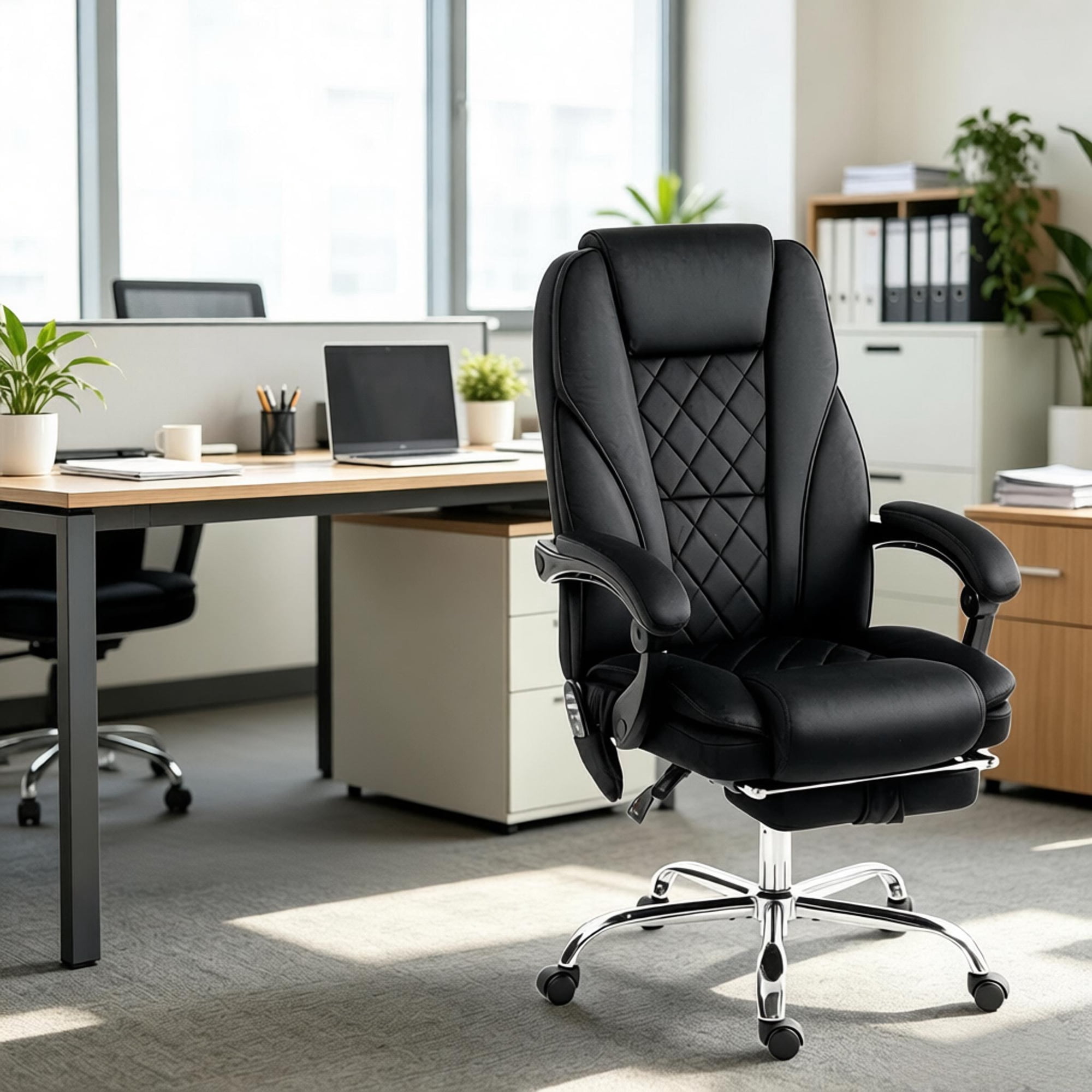
- Armrests (4D is the Gold Standard): Ideally, armrests should adjust in height, width, depth, and pivot. This allows you to keep your shoulders relaxed and your elbows at a 90-degree angle while typing.
Material World: Matching Your Lifestyle
The material of your chair affects comfort, durability, and style. Here’s a quick comparison to help you decide.
Mesh
- Best For: Warm climates, long work hours.
- Pros: Exceptional breathability, modern look, often more affordable, easy to wipe clean.
- Cons: Can lack plush comfort, may not suit traditional office decor, frame can be visible.
Fabric
- Best For: Cooler environments, style-conscious users.
- Pros: Wide variety of colors/textures, soft and warm, often more cushioned, quieter.
- Cons: Can trap heat and stains, harder to clean deeply, may show wear over time.
Leather and bonded leather options exist but require careful consideration. While they look premium, they can be less breathable and may crack over time compared to high-quality fabric or mesh.
Space Considerations: The "Single" in Context
Since you're buying a single chair, it's likely for a specific space—perhaps a home office corner or a dedicated desk. Think about these spatial factors:
- Measure Your Space: Don't just look at the chair's width. Consider its depth when fully reclined and the space needed to slide it under your desk.
- Floor Protection: If you have hardwood floors, look for chairs with soft, rubber casters (often marked as "hardwood floor safe") to prevent scratches.
- Aesthetics: A single chair can be a statement piece. Choose a style and color that complements your room, whether it's a minimalist mesh design or a classic fabric executive look.
Matching the Chair to Your Work Style
Your profession dictates how you use your chair. Let's match features to common work styles:
- The Analyst/Writer (Static Sitter): Prioritize ultimate lumbar support and a high-density foam seat. A chair with a forward tilt feature can also help maintain an upright typing posture.
- The Multi-Tasker (Dynamic Sitter): You move from typing to reading to phone calls. A chair with a smooth-rolling base, responsive recline, and easy-to-reach adjustment levers is your best friend.
- The Creative/Designer (Collaborative Sitter): You may swivel frequently to talk to colleagues or look at boards. A 360-degree swivel and comfortable armrests you can lean on are key.
Frequently Asked Questions About Single Office Chairs
Conclusion: Your Chair, Your Foundation
Choosing a single office chair is a personal journey. It's about finding the one piece of equipment that will support you through deadlines, creative sessions, and daily tasks. By focusing on ergonomic adjustments, selecting the right material for your environment, and considering your unique work style, you're not just buying a chair—you're building a foundation for healthier, more productive workdays. Start your search with our curated product grid above, and remember that the best chair is the one that disappears beneath you, letting you focus on what truly matters.