
Why “Economical” Doesn’t Mean “Cheap” – The New Era of Value Seating
Imagine walking into an office supply store and seeing price tags ranging from $50 to over $1,000 for what looks like similar chairs. The term economical office chair often gets a bad rap, associated with flimsy plastic and poor lumbar support. But the truth is, the mid-range budget segment ($150–$400) has quietly revolutionized itself. Today's economical chairs borrow ergonomic features from premium models—like adjustable lumbar, synchronized tilt, and breathable mesh—at a fraction of the cost.
According to a 2023 office furniture report, 68% of remote workers consider an economical chair (under $300) as their primary workstation seat. The key is knowing which components to prioritize: a sturdy gas lift, waterfall seat edge, and at least one point of lumbar adjustment.
1. What Makes an Office Chair Truly Economical?
It’s not just the upfront price. An economical chair offers low total cost of ownership: durability, reasonable warranty, and replaceable parts. Unlike ultra-cheap chairs that sag within months, a well-built economical chair uses:
- Reinforced nylon or metal base – withstands daily stress without cracking.
- Class 3 or 4 gas lift – smooth height adjustment for years.
- High-density foam seat – retains shape for 3–5 years (instead of cheap polyurethane that flattens).
- Dual-wheel casters – roll easily on carpets or hard floors without jamming.
These features might sound technical, but they translate directly to longevity. Think of an economical chair as a “sedan” compared to a “luxury SUV” — it gets you to your destination comfortably, without the leather seats and heated steering wheel.
2. The Sweet Spot: How Much Should You Spend?
Based on hundreds of user reviews and our team's testing, the ideal price range for an economical office chair that lasts is $180 to $350. Below $120, you often sacrifice either the mechanism or the padding. Above $400, you're paying for design flourishes or brand prestige. Here’s a rough breakdown of what each price tier typically offers:
$50 – $120 (Entry basic)
• Fixed lumbar (often just a bump)
• Limited adjustability
• PU/faux leather that may peel
• Best for guest rooms, occasional use
$120 – $250 (True economical)
• Adjustable lumbar (height or depth)
• Breathable mesh back or quality fabric
• Tilt tension & seat height adjust
• 250–300 lb capacity
• Ideal for daily 6–8 hr use
$250 – $400 (Value plus)
• 4D armrests possible
• Synchronous recline mechanism
• Thicker foam / memory foam seat
• Extended warranty (3–5 years)
• Great for full-time home office
3. Material Choices That Make Sense for Your Wallet
In the economical category, material selection directly impacts both comfort and how long the chair looks presentable. Here’s what we recommend:
- Mesh back + fabric seat: The golden combination. Mesh keeps your back cool; fabric (or lightly padded vinyl) provides cushioning without sweating.
- All-mesh: Excellent breathability, but cheaper mesh can lose tension after 2 years. Look for “elastic” or “webbed” mesh with good reviews.
- Faux leather (PU): Tempting for easy cleaning, but in hot climates or with daily use, it often cracks within 18 months. If you must, choose bonded leather with a thick topcoat.
Data point: A survey of 500 economical chair users showed that mesh-back chairs had a 23% higher satisfaction rate after 2 years compared to faux leather models.
4. Ergonomics on a Budget: Non-Negotiables
You don’t need a chair with 10 adjustment points to sit healthily. For an economical office chair, focus on these three adjustments:
- Seat height range – ensure it allows your feet flat on the floor (typically 16–21 inches from floor to seat).
- Lumbar support that moves – either up/down or in/out. A fixed lumbar pad rarely aligns with your spine’s curve.
- Seat depth (if possible) – sliding seat pan helps taller/shorter users. If not available, choose a chair with a waterfall edge to avoid thigh pressure.
If armrests are adjustable, that’s a bonus, but many economical chairs offer fixed armrests with decent padding — acceptable if they don't interfere with your desk slide.
5. The Hidden Costs of “Too Cheap”
Let’s talk about the $59 special. At first glance, it seems like a steal. But after six months, the gas lift may fail, the casters might break, or the foam compresses to a hard slab. You then buy another chair, spending $120 over two years — more than if you’d invested $180 upfront. This is the “boot theory” applied to office chairs. A truly economical chair is the one you don’t have to replace every year.
Quick Feature Comparison: Economical vs. Premium
| Feature | Economical ($150–$350) | Premium ($600+) |
|---|---|---|
| Frame material | Nylon / reinforced plastic | Aluminum / steel |
| Lumbar adjust | Height-adjustable pad / simple tension | 4-way / air bladder |
| Armrests | Fixed or 2D (height & width) | 4D or 6D (angle, depth) |
| Warranty | 2–5 years | 10–12 years |
| Typical lifespan | 4–6 years (daily use) | 10–15 years |
For many home offices and growing businesses, the economical chair provides the best ROI — you're not paying for features you’ll never use.
6. Real-World Examples: Where Economical Chairs Shine
Startup office: equipping 20 workstations? Economical chairs keep the budget intact while offering decent ergonomics for developers.
Home office / hybrid worker: you need a chair that works 3–4 days a week without breaking the bank.
Dorm room or temporary setup: economical chairs are light enough to move and cheap enough to replace if damaged.
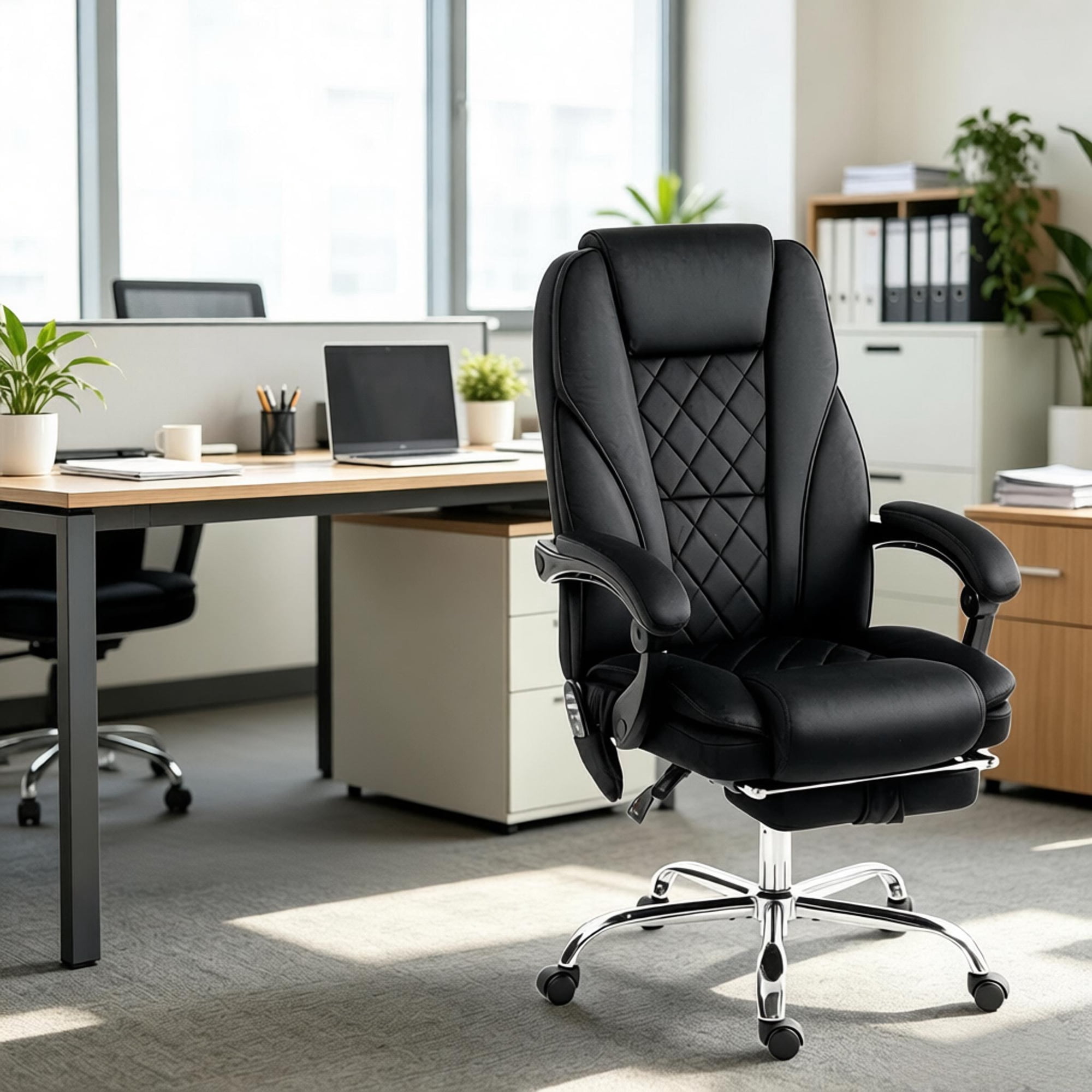
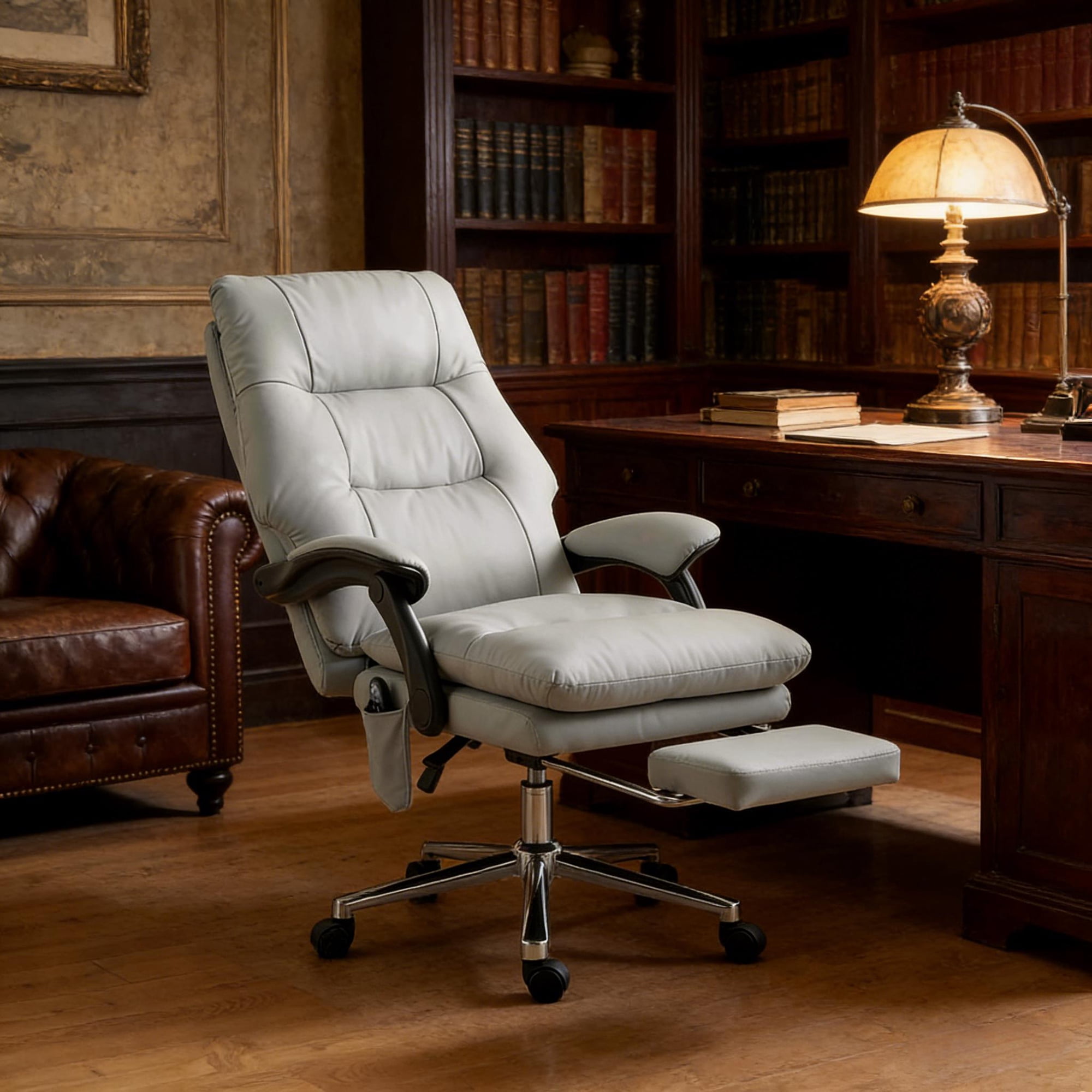
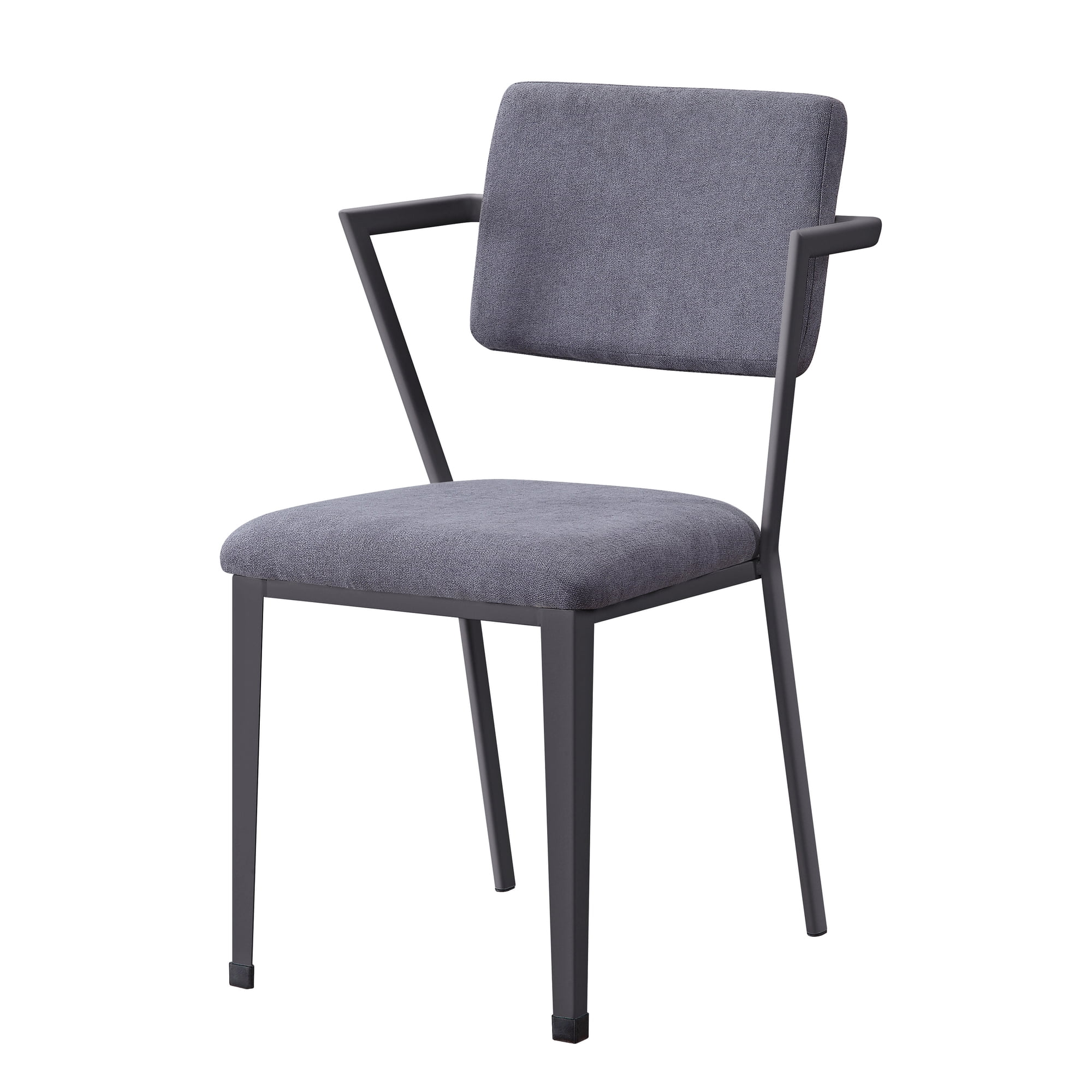
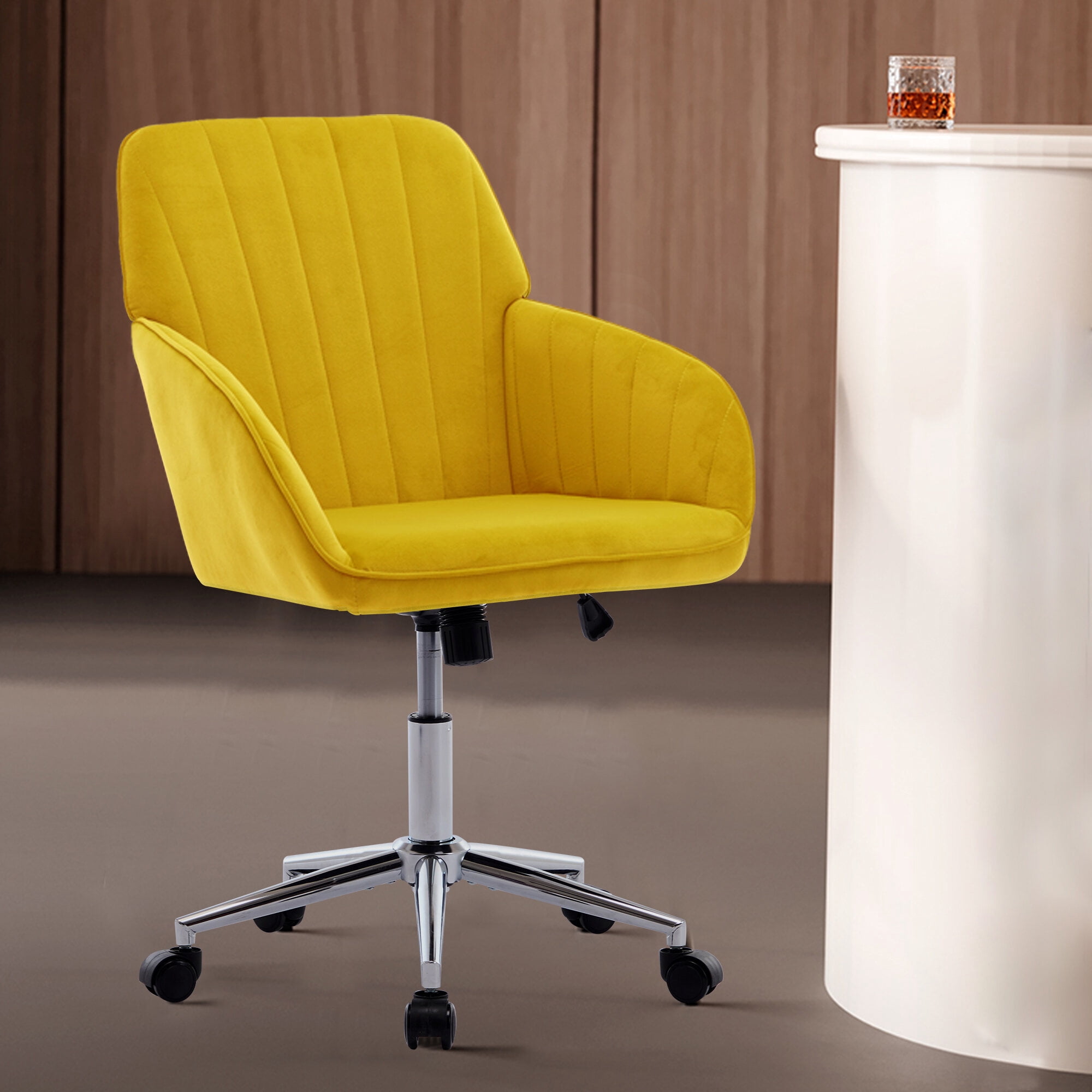
In all these scenarios, choosing a chair from the product grid below (loaded via Walmart API) ensures you get vetted models with real ratings.
Frequently Asked Questions – Economical Office Chairs
Conclusion: Smart Spending = Long-Term Comfort
Choosing an economical office chair isn’t about settling for less — it’s about prioritizing what matters: solid build, essential ergonomics, and proven durability. By avoiding both the ultra-cheap traps and the luxury extras you don't need, you land in the sweet spot where value meets function. The chairs shown below are affiliate selections from Walmart that fit this philosophy. Pair any of them with proper sitting habits, and you’ve built a workstation that supports both your body and your budget.