
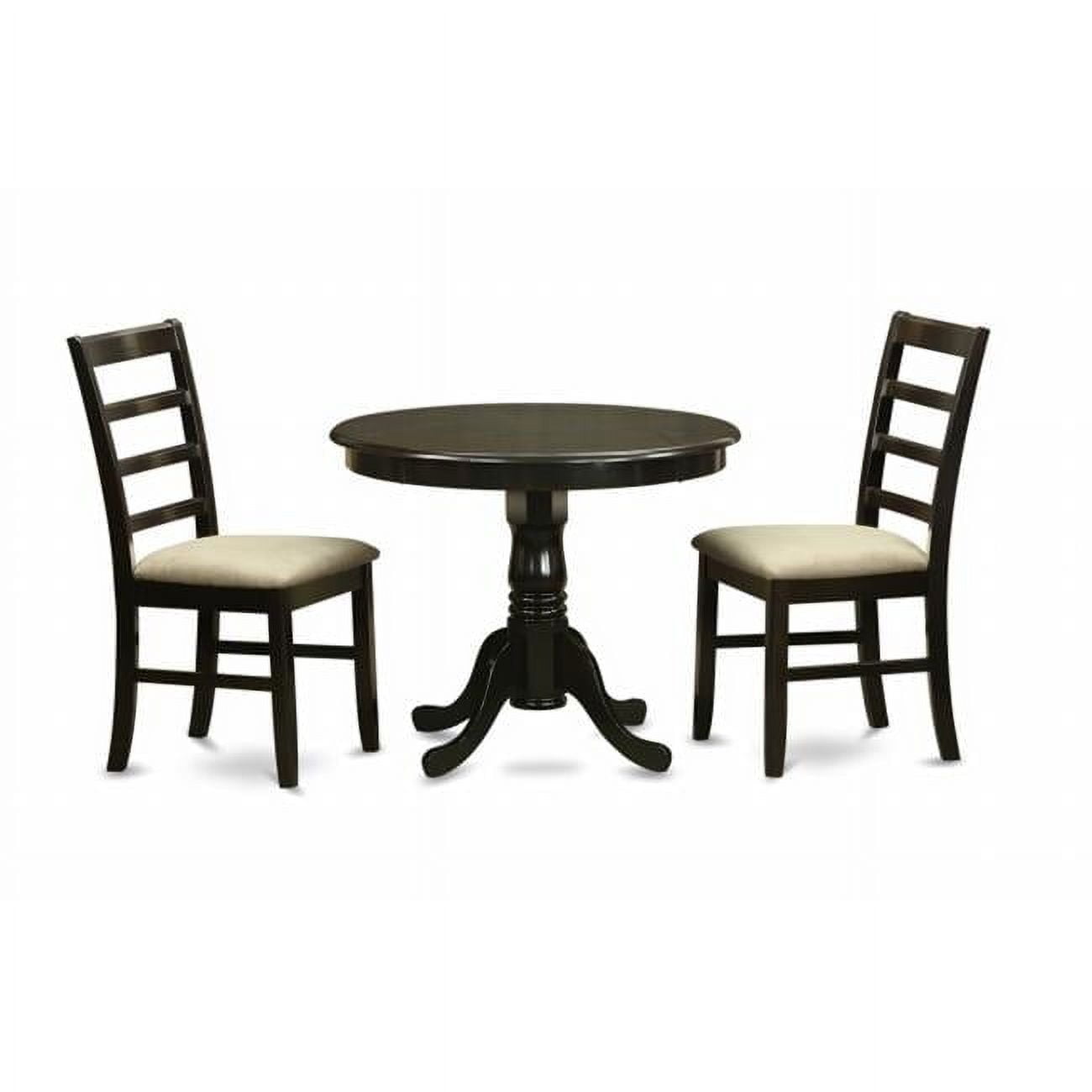
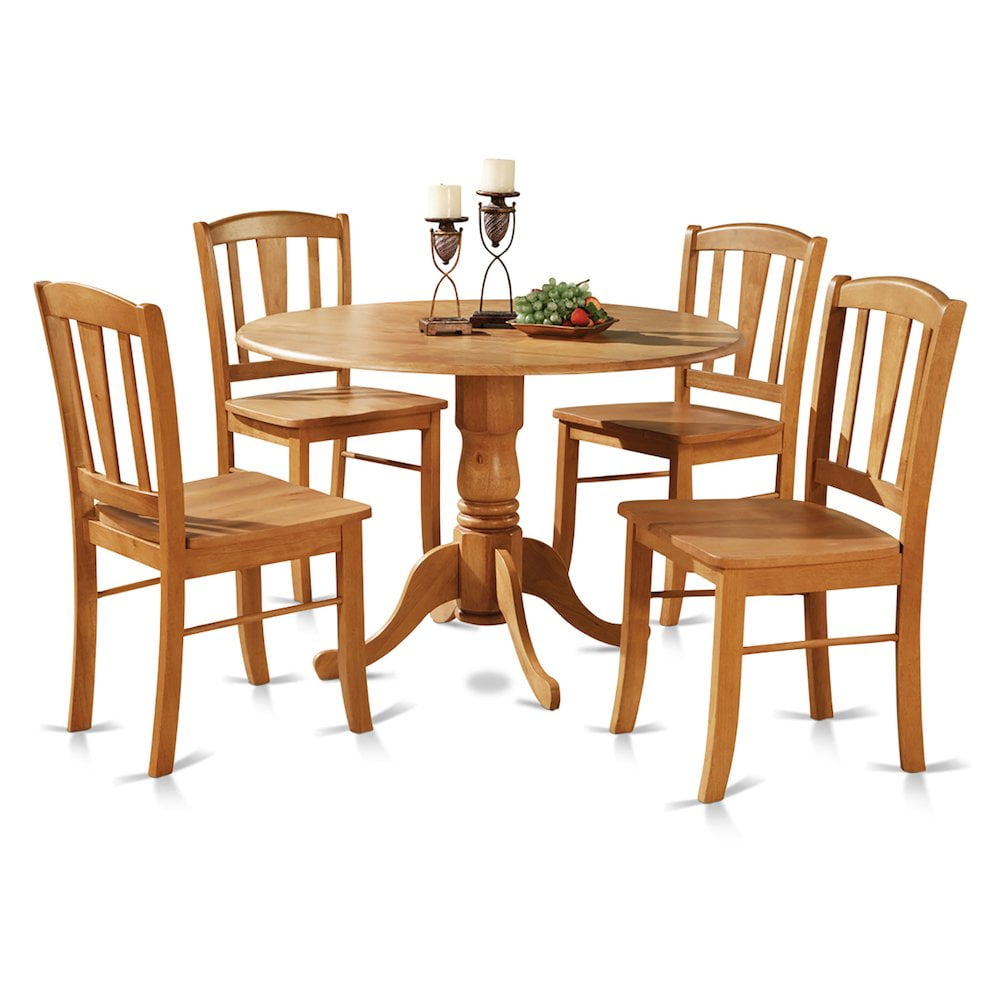
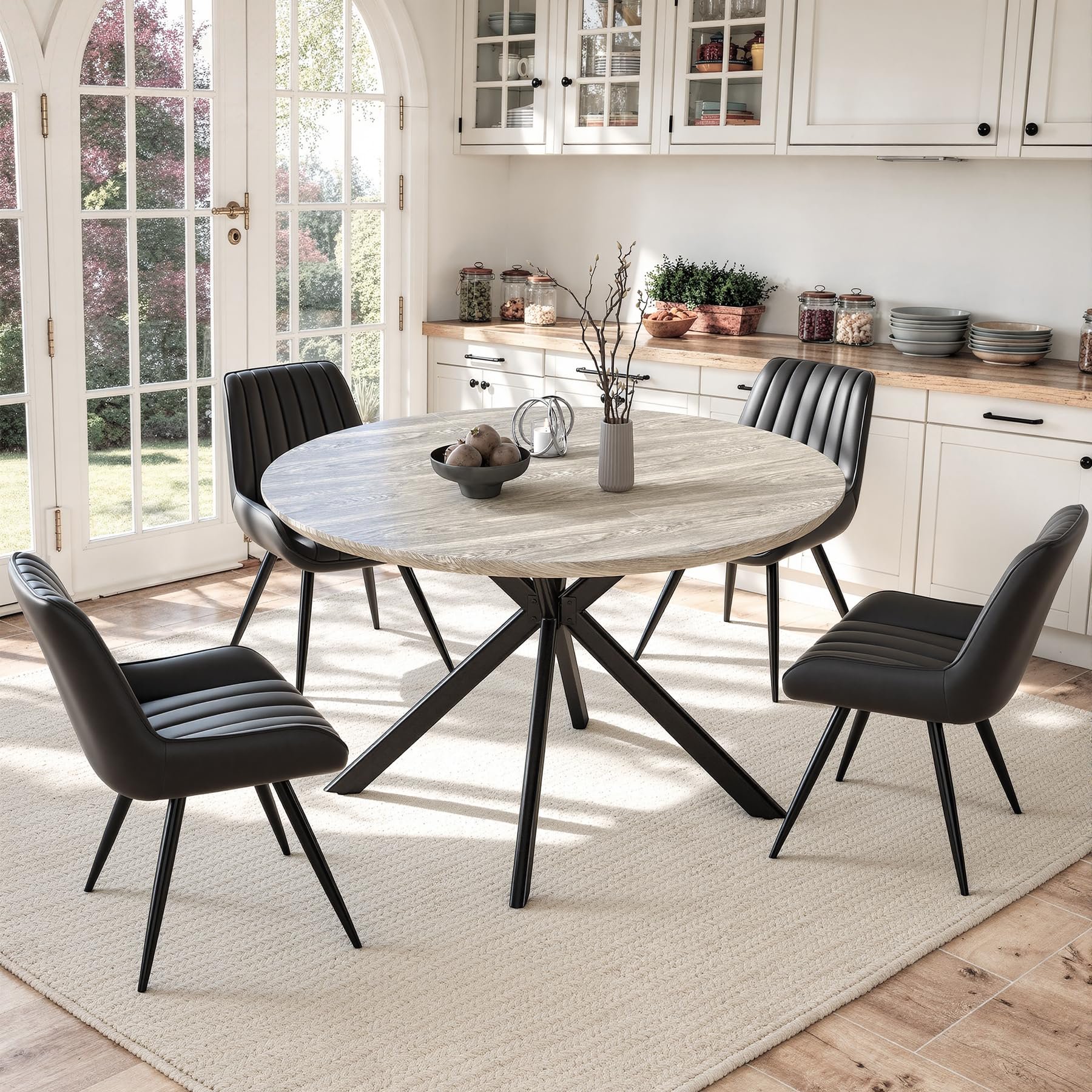
Why a Round Office Table and Chairs? The Power of Circular Collaboration
Imagine a meeting where everyone is equally heard, where there’s no intimidating “head of the table,” and where the flow of conversation is as natural as the shape you’re sitting around. That’s the magic of a round office table and chairs. In today’s dynamic workplaces—from agile startups to established corporate offices—the round table is making a strong comeback, not just as a design choice, but as a tool for enhancing teamwork and psychological safety.
Research Insight: A study by the Journal of Consumer Research found that round tables (versus rectangular ones) foster a sense of belonging and equality, reducing competitive behavior and increasing cooperative discussion. In an office context, this can translate to 20-30% more inclusive brainstorming sessions.
The Strategic Advantage of Round Furniture
Choosing a round table isn't just about aesthetics; it’s a strategic move for your office layout. Here’s why forward-thinking companies are integrating them:
- Enhanced Sightlines: Every person can see every other person clearly. This is crucial for presentations and ensuring no one feels left out.
- Space Efficiency: A round table often has a smaller footprint than a rectangle of equivalent seating capacity, and it allows for smoother traffic flow around it. It’s a champion of small office spaces.
- Safety First: No sharp corners mean a lower risk of injury in busy, high-traffic areas. This is especially important in open-plan offices or creative spaces where movement is constant.
- Aesthetic Fluidity: A round table softens the hard lines of an office, creating a more inviting and less rigid atmosphere. It acts as a visual anchor that promotes a sense of calm and community.
Key Considerations When Selecting Your Round Office Set
Investing in a table-and-chair set requires balancing form, function, and future needs. Use this guide to make a choice you won’t regret.
| Consideration | Why It Matters | Quick Tip |
|---|---|---|
| Diameter & Capacity | A 36" table fits 2 people comfortably; 48" fits 4; 60" fits 6-8. Measure your room and subtract 6 feet for clearance. | Always test the setup: pull a chair out fully. There should be room to walk behind someone seated. |
| Chair Compatibility | Chairs with armrests might not slide fully under a round table with a central pedestal base. Chairs that swivel are ideal for round tables. | Look for chairs with a seat width that allows comfortable movement within the table’s curve. |
| Base Style | Pedestal bases (single central column) maximize legroom and are classic for round tables. Four-leg bases can sometimes get in the way. | For a round table, a pedestal base is almost always the most functional and elegant choice. |
| Table Height | Standard dining/office height (29"-30") works for most. Counter height (36") is trendy for breakout spaces but requires taller stools. | Stick with standard height for primary meeting rooms to ensure maximum chair compatibility. |
Material Deep Dive: Finding Your Perfect Match
The material of your table dictates its durability, style, and maintenance. Here’s a breakdown similar to our chair guide, but tailored for tables.
Laminate / Melamine
- Pros: Extremely durable, scratch-resistant, budget-friendly, endless colors/patterns.
- Cons: Can feel less premium than wood; edges might chip if not well-made.
- Best for: High-traffic meeting rooms, breakout areas, and offices on a budget.
Solid Wood / Veneer
- Pros: Timeless beauty, unique grain, warm and professional, can be refinished.
- Cons: Higher cost, can scratch/dent, requires more care (avoid direct sunlight).
- Best for: Executive conference rooms, law firms, spaces where prestige matters.
Glass
- Pros: Sleek, modern, makes small rooms feel larger, easy to clean (with right cleaner).
- Cons: Shows fingerprints and smudges, can feel cold, requires careful cleaning.
- Best for: Modern tech companies, reception areas, design-forward spaces.
Metal / Industrial
- Pros: Incredibly sturdy, unique look, often powder-coated for durability, perfect for industrial-chic.
- Cons: Can be heavy to move, metal surfaces can be noisy if not used with coasters.
- Best for: Creative agencies, start-ups, collaborative workshops.
Chairs That Complement the Curve: Seating Strategies
Your chairs are half the equation. The wrong chair can make a great table feel cramped and awkward. Here’s what works beautifully with a round table:
- Opt for Casters: Chairs with smooth-rolling casters are a must. They allow team members to glide around the curve effortlessly, joining different conversation groups without scraping the floor.
- Consider Armless or Slim Arms: Bulky armrests can make it difficult to pull close to a round table. Armless chairs or those with very slim, vertical posts allow people to sit closer and feel more connected.
- Height Adjustability is Key: Ensure the chairs have a pneumatic height adjustment that matches your table’s height. A mismatch leads to discomfort and poor posture.
- Visual Lightness: Chairs with an open back (like mesh) or a slim profile prevent the room from feeling cluttered. This is vital for smaller spaces.
Room Layout & Sizing: The 36-Inch Rule
The most common mistake when buying a round office table and chairs is not accounting for the space needed to use them comfortably. Think of your table and chairs as one unit that needs a "breathing zone."
- Clearance: You need at least 36 inches from the edge of the table to the wall or any other furniture. This allows a person to sit down and for others to pass behind them.
- For a 48" table (seats 4): your room should ideally be at least 10' x 10' (48" + 36" + 36" = 120" or 10 feet).
- For a 60" table (seats 6-8): your room should be at least 11' x 11'.
- Pro tip: Use painter's tape on the floor to outline your table and chairs in the fully pulled-out position. Live with the outline for a day to test the traffic flow.
Frequently Asked Questions: Round Office Table and Chairs
Conclusion: Bring Your Team Together
A round office table and chairs is more than just furniture; it’s a statement about your company’s culture. It signals openness, equality, and a commitment to collaboration. By carefully considering the size, materials, and chair compatibility, you can create a workspace that not only looks fantastic but also functions perfectly for the way modern teams work. Whether it’s for a quick huddle, a client presentation, or a deep-dive brainstorming session, the right round set will keep conversations flowing and ideas circling.