
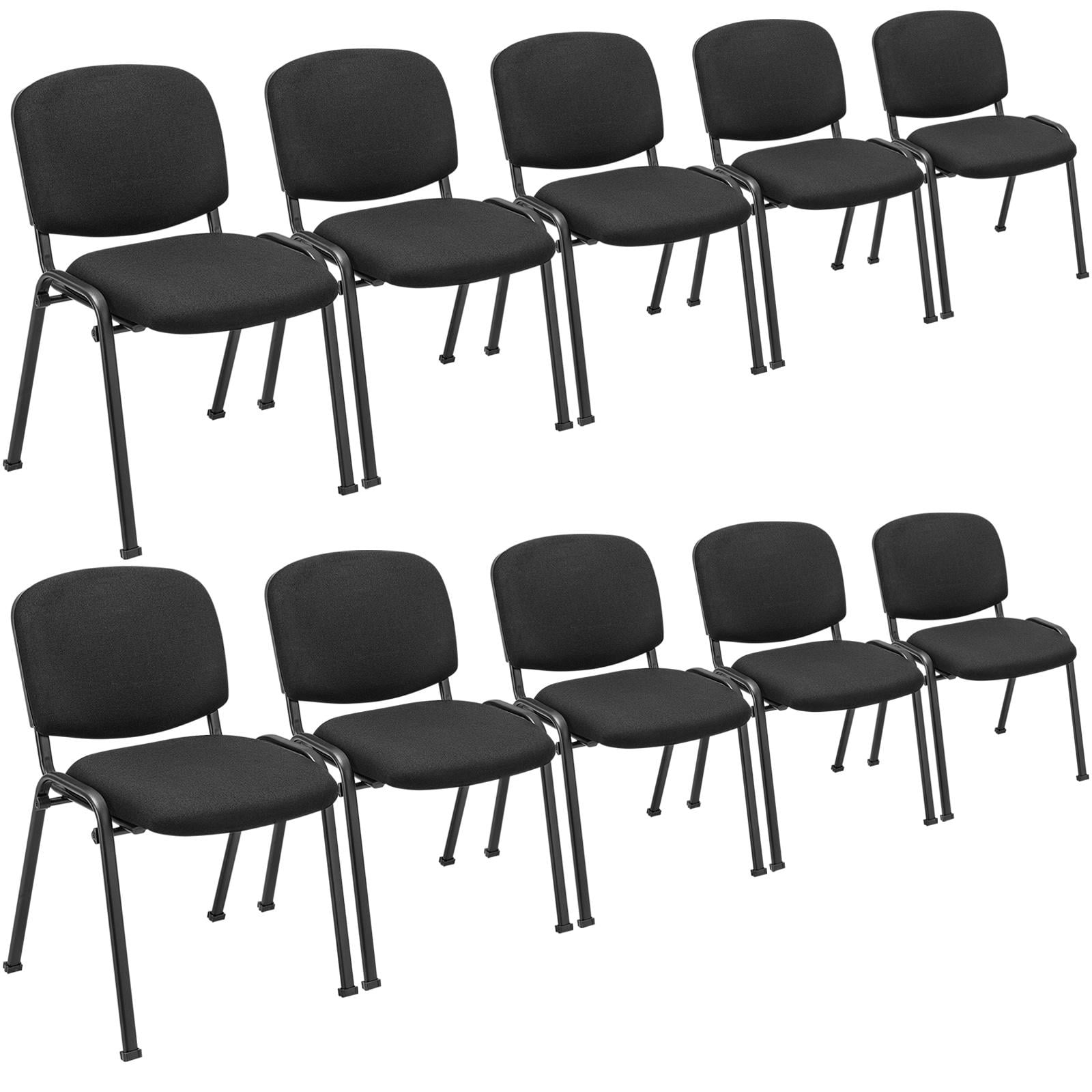

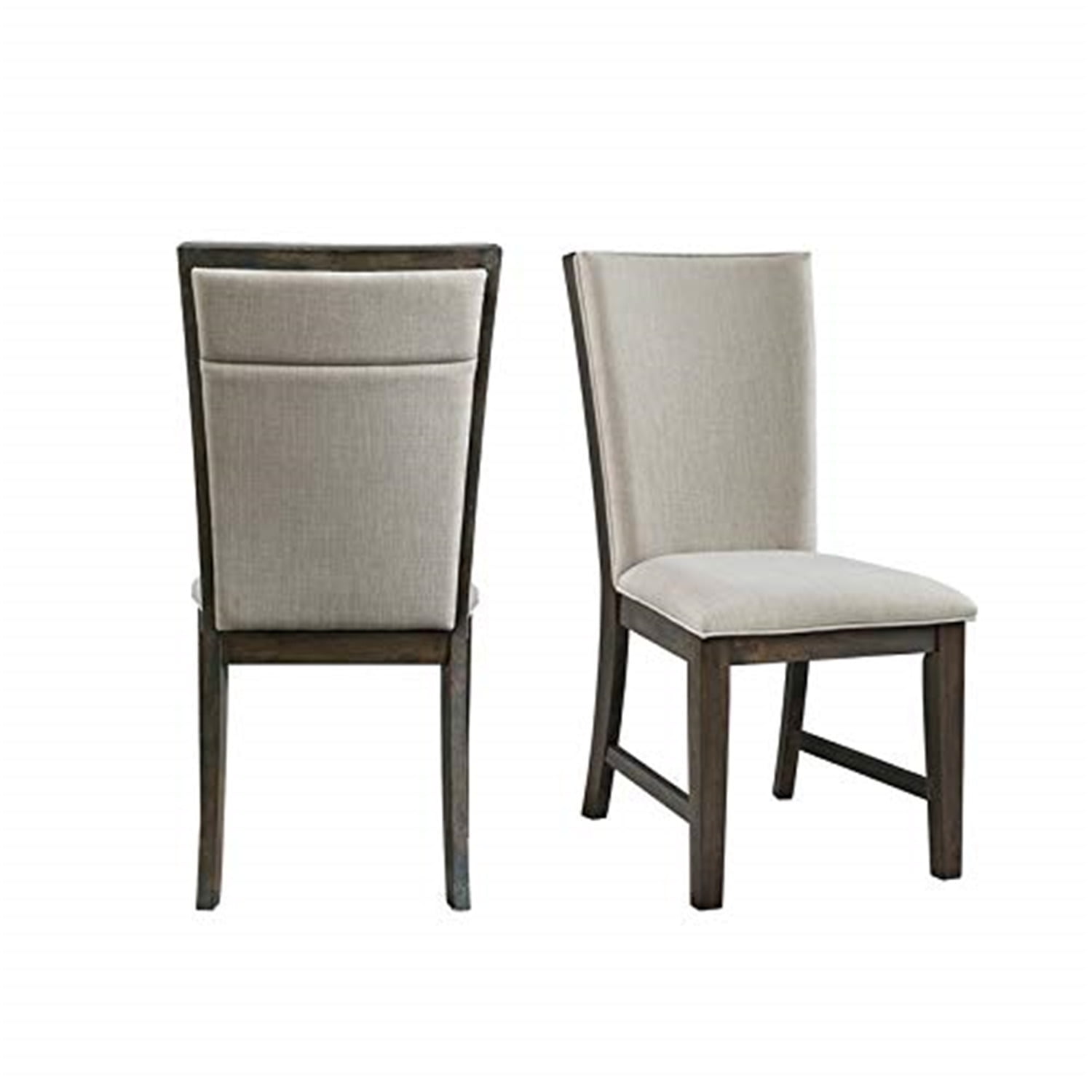
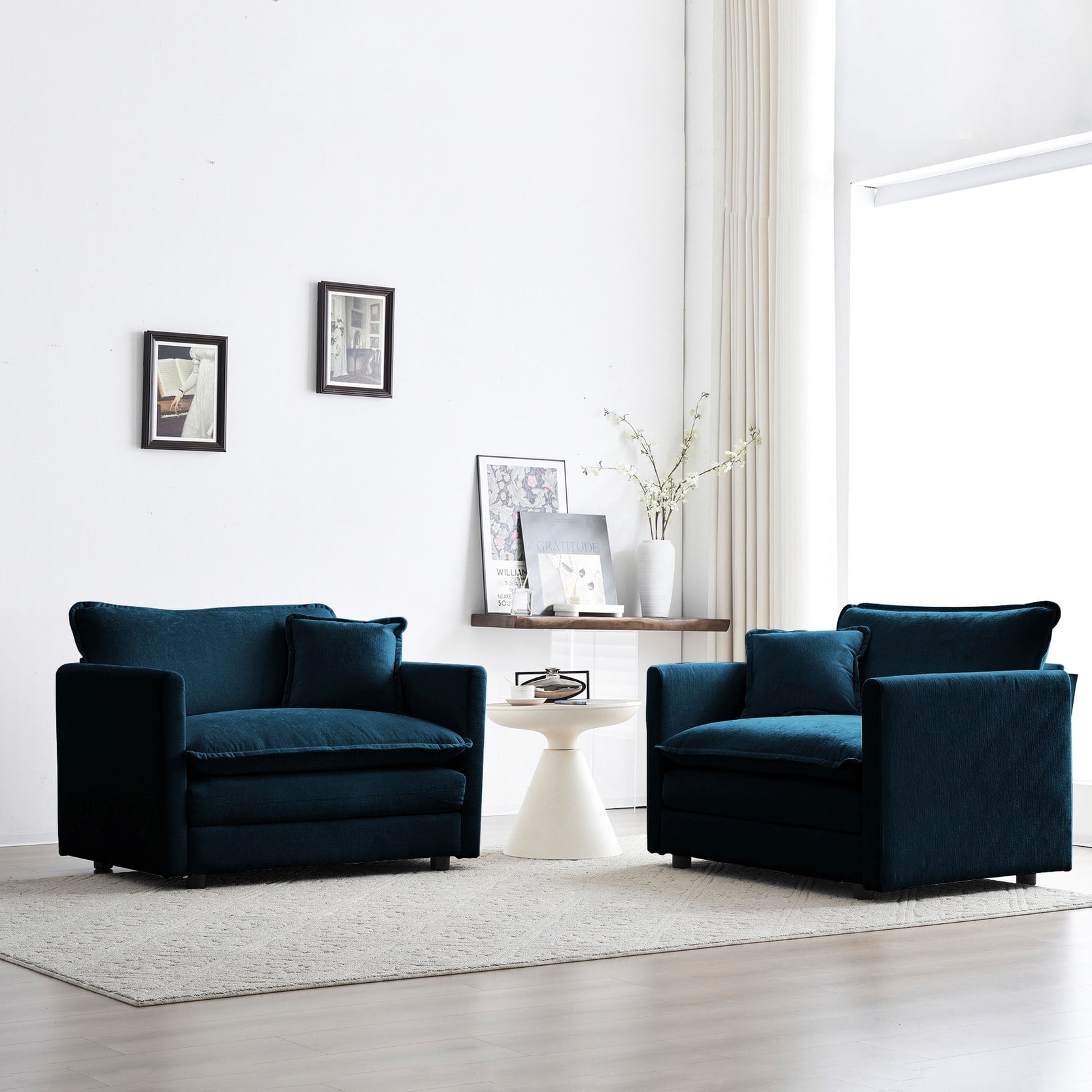
The Understated Power of Upholstered Office Chairs
When you think of an executive sanctuary or a productive home workspace, what comes to mind? Often it’s the inviting texture of a well-upholstered chair. Unlike cold leather or stark mesh, upholstered office chairs bring a sense of warmth, acoustical comfort, and personalized style. They are the "smart casual" of office seating — professional yet approachable.
Did you know? A survey by the Furniture Today research group found that 43% of office workers prefer fabric seating for its comfort and home-like feel. Moreover, modern upholstery fabrics are engineered to withstand over 100,000 double rubs (Wyzenbeek test), making them suitable for intense daily use.
Why Upholstered? 5 Compelling Benefits (Backed by Data)
- 🧵 Acoustic dampening: Fabric absorbs sound, reducing office chatter distractions by up to 30% compared to hard surfaces.
- 🌡️ Thermal neutrality: Unlike leather which can feel sticky or cold, fabric maintains skin temperature — 82% of users in a study reported less discomfort in fabric seats during seasonal changes.
- 🌈 Infinite design options: From velvets to woven textures, upholstery allows personal expression. 67% of interior designers recommend fabric for creating a "softer" corporate image.
- 🛋️ Deep comfort layering: High-resilience foam (HR foam) used in better upholstered chairs retains shape 2x longer than standard polyfoam, offering consistent support.
- 🔄 Eco-friendly choices: Many brands now offer recycled fabric (PET) chairs, reducing plastic waste. One popular model uses 50 recycled bottles per chair.
Anatomy of a High-Quality Upholstered Office Chair
Not all fabric chairs are created equal. Here’s what separates a $200 disposable chair from a $1,200 long-term investment:
| Component | Budget grade | Premium grade (executive) |
|---|---|---|
| Foam density | 1.5-1.8 lb/ft³ (flattens in 1-2 yrs) | 2.5-3.0 lb/ft³ (retains shape 8+ yrs) |
| Fabric rub count | 30,000-50,000 double rubs | 100,000+ double rubs (commercial grade) |
| Frame material | Plywood or plastic | Hardwood (oak/birch) or reinforced steel |
| Lumbar support | Fixed bump | Adjustable height + depth, often with tension control |
The "Five Senses" Test: Choosing Your Ideal Upholstered Chair
Imagine you're walking through a showroom. Use this multi-sensory checklist to evaluate any upholstered chair:
1. Sight: pattern & weave
Look at the fabric under natural light. Does it show lint easily? Is the pattern straight? High-quality fabrics have tight weaves and consistent dye lots.
2. Touch: texture & plushness
Press your palm into the seat. You should feel immediate cushioning but also firm support beneath (no "bottoming out"). Run your hand over the fabric — it should feel pleasant, not scratchy.
3. Sound: the quiet factor
Sit and swivel. Fabric chairs are naturally silent — no leather squeaks. If you hear rustling, the inner filling might be cheap.
4. Motion: glide & recline
Lean back. Upholstered chairs often have smoother recline mechanisms because they're built for relaxation. Check that the fabric doesn't pull or strain at the seams during movement.
5. Longevity: cleanability
Ask for the fabric code (W= water-based cleaner, S= solvent only). For families or snacks, opt for solution-dyed polyester or Crypton® fabric that resists stains.
Performance Fabrics Demystified (No Jargon)
🌿 Polyester / PET
Made from recycled plastics. Fade-resistant, colorfast, easy to clean. Used in 70% of mid-range upholstered chairs. Example: "Mainstays Plush Velvet" is often polyester.
🧶 Wool blends
Naturally flame-retardant, durable, and breathable. Found in high-end executive chairs. Offers a classic, textured look.
🛡️ Crypton / Nano-tech
Engineered to resist moisture, odors, and bacteria. Ideal for medical offices or heavy-use home offices. Wipes clean like leather but feels like fabric.
👖 Olefin (polypropylene)
Stain-resistant, colorfast, and very strong. Often used in contemporary office chairs with bold colors. Resists static electricity — a plus for electronics.
Health & Posture: Upholstered Doesn't Mean "Soft"
Many executives worry that fabric chairs might be too soft, promoting slouching. However, premium upholstered chairs use "zoned foam": firmer in the lumbar and seat edges, softer in the center. According to Ergonomics in Design journal, properly designed foam contours can reduce peak sitting pressure by 28% compared to mesh, while maintaining spinal alignment.
💺 Pressure redistribution
High-density foam spreads weight evenly, preventing "tailbone pain" (coccydynia).
🔄 Micro-movement support
Fabric provides slight friction, allowing natural micro-adjustments that strengthen core muscles.
🧘♂️ Encourages dynamic sitting
Quality upholstered chairs with forward tilt help engage back muscles, reducing stagnation.