
The Smart Buyer's Guide to Office Surplus Chairs
When you hear "office surplus," think of it as a treasure hunt for your workspace. Just like a car loses value the moment it's driven off the lot, office furniture—especially chairs—can be acquired for a song compared to their original retail price, often with plenty of life left in them. This market is a goldmine for startups, home offices, and budget-savvy facility managers.
Industry Insight: The office furniture surplus market is estimated to save businesses over $1 billion annually. A high-quality used chair from a brand like Steelcase or Herman Miller, originally retailing for $1,200, can often be found for $300-$500, representing a 60-70% saving.
Why Consider Surplus? It's More Than Just Price
Opting for surplus office chairs isn't just about pinching pennies. It's a strategic move with multiple benefits:
- Unbeatable Value: Access premium brands and ergonomic features that might be out of reach when buying new. Your budget stretches significantly further.
- Sustainability: Choosing used furniture is an eco-friendly choice. It keeps tons of metal, plastic, and fabric out of landfills and reduces the demand for new raw materials.
- Immediate Availability: Unlike ordering new chairs that might have lead times of weeks or months, surplus items are typically in stock and ready to ship or pick up immediately.
- Variety & Character: Surplus lots often contain a mix of styles, from classic executive chairs to modern ergonomic designs, allowing for a more eclectic and interesting office aesthetic.
Where to Find Quality Surplus Chairs: A Quick Overview
Navigating the surplus market can seem daunting, but knowing where to look makes all the difference. Here are the primary sources:
- Specialized Surplus Dealers: These businesses buy entire office liquidations, refurbish the best items, and sell them online or in warehouses. They are the safest bet for quality and often offer warranties.
- Online Marketplaces: Sites like Craigslist, Facebook Marketplace, and OfferUp have listings from companies and individuals. Caution: Inspect in person and be wary of deals that seem too good to be true.
- Government & Corporate Auctions: Entities like GovDeals list surplus furniture from public institutions. You can find incredible deals, but you're often buying "as-is" and need to handle pickup yourself.
- Local Office Furniture Liquidators: A quick Google search for "office furniture liquidators near me" can uncover physical warehouses where you can test chairs before buying.
Types of Office Surplus Chairs You'll Commonly Find
The surplus market mirrors the new market, so you'll find almost every category. Here’s what to look for:
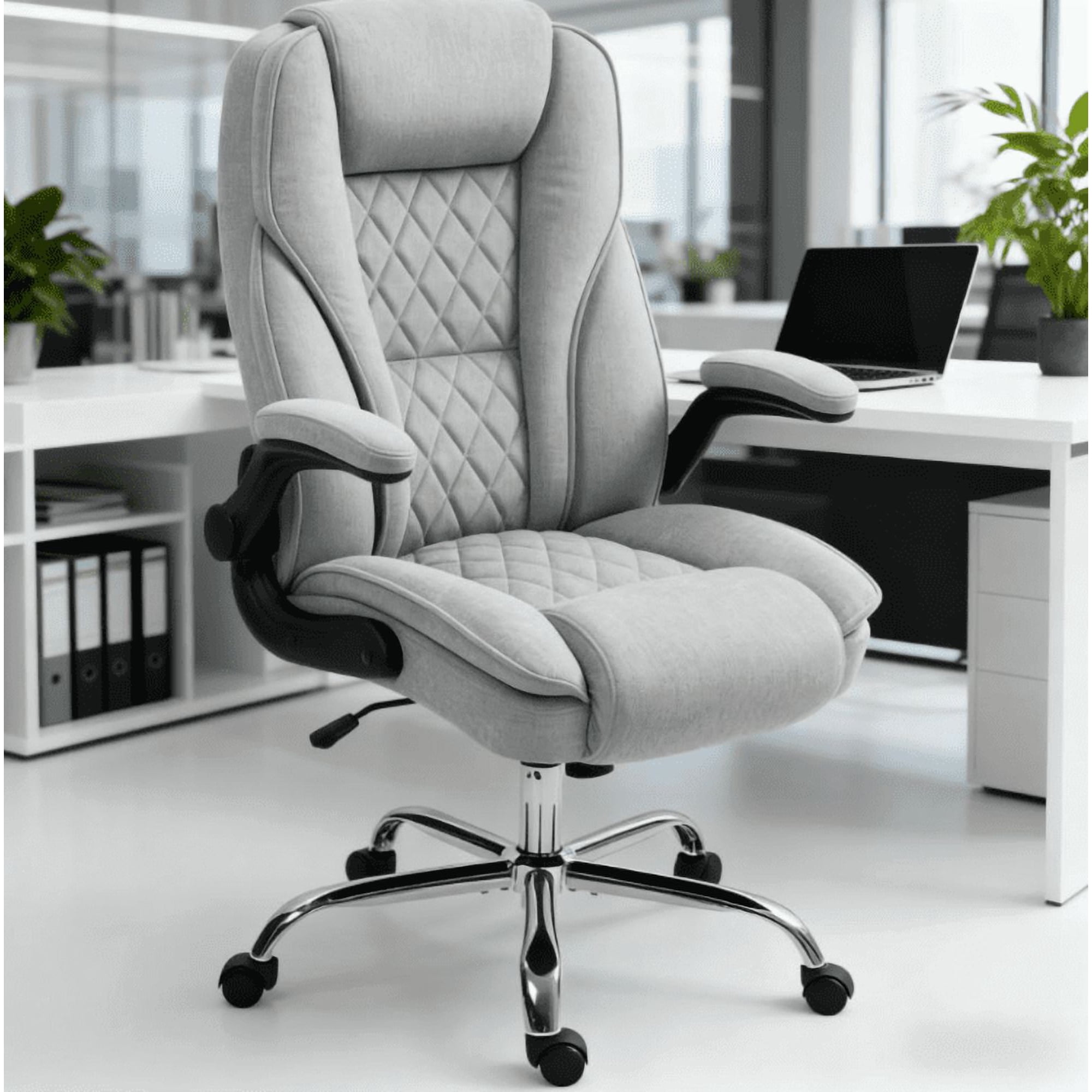
- Used Executive Office Chairs: High-back, often leather, with ample padding. Look for brands like Haworth or Global.
- Refurbished Ergonomic Task Chairs: The crown jewels of the surplus world. Herman Miller Aerons and Steelcase Leaps are frequently available, fully refurbished with new cylinders and casters.
- Overstock Guest & Conference Chairs: Companies often over-order for meeting rooms. You can find lots of matching fabric or mesh guest chairs at steep discounts.
- Liquidated Big & Tall Chairs: These specialized chairs are expensive new, but surplus is a great place to find heavy-duty models with 400lb+ capacity.
Condition Grades: Understanding What You're Buying
Reputable surplus dealers use a grading system. Understanding this is key to setting expectations.
| Grade | Description | What to Expect |
|---|---|---|
| Grade A (Like New) | Minimal to no signs of use. Often from overstock or short-term showrooms. | Perfect upholstery, flawless mechanisms, original or brand-new replacement parts. |
| Grade B (Good) | Light, cosmetic wear consistent with office use. | Minor scuffs on base or armrests, very clean upholstery. All functions work perfectly. |
| Grade C (Fair) | Visible wear but structurally sound and fully functional. | Scratches on frame, faded or lightly stained fabric, possibly replacement casters. A great budget option if cosmetics aren't critical. |
| Refurbished | Chair has been disassembled, cleaned, and had worn parts (cylinders, casters, foam) replaced. | Functions like new, with a mix of original and new components. Often comes with the best warranty. |
5-Point Inspection Checklist for Buying Surplus Chairs
Refurbished vs. Used: What's the Difference?
These terms are often used interchangeably, but they mean different things. A used chair is sold exactly as it was received—cleaned but with original parts. A refurbished chair has been serviced: the gas cylinder might be replaced, new casters added, and the mechanism lubricated. Refurbished chairs are a step up in reliability and often come with a short warranty, making them the sweet spot for value and peace of mind.
The "Sweet Spot" Strategy
For the best value, target Grade B refurbished chairs from top-tier brands. You get a chair that looks professionally used, functions like new, and has been serviced for longevity. You avoid the premium for "like new" Grade A condition while ensuring you're not buying someone else's problem.
Top 3 Reasons Businesses Choose Surplus Seating
- Scaling a Startup: A new company needing 20 ergonomic chairs could spend $20,000+. With surplus, the same budget could furnish the entire office and the break room.
- Facility Refresh: A company wanting to upgrade its image might sell its old but perfectly good chairs and buy newer surplus models, creating a cycle of value.
- Home Office Upgrades: Individuals can finally afford a chair that supports their back properly without breaking their personal bank account.
Frequently Asked Questions About Office Surplus Chairs
Conclusion: Your Next Great Chair is Waiting in the Surplus Market
Navigating the world of office surplus chairs opens up a realm of possibilities that new retail simply can't match. It's a market driven by value, sustainability, and the thrill of the find. By understanding the grading systems, knowing what to inspect, and focusing on reputable refurbishers, you can equip your workspace with premium, ergonomic seating that supports your team and your bottom line. Whether you're kitting out a new startup or just want a better chair for your home office, don't overlook the incredible potential of surplus. It's not just "used furniture"; it's an intelligent investment.