
Why a Reclining Office Chair with Lumbar Support is a Game-Changer
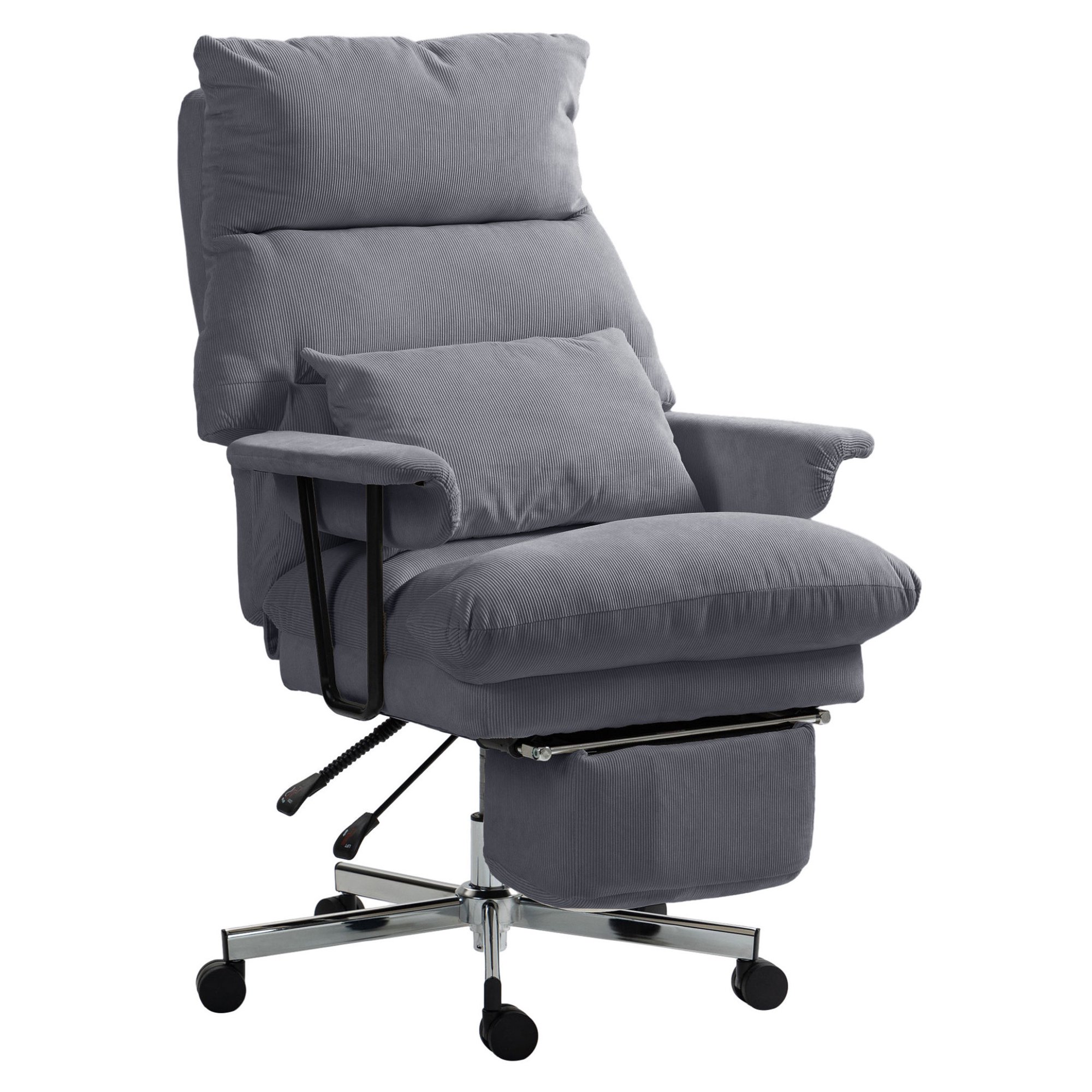
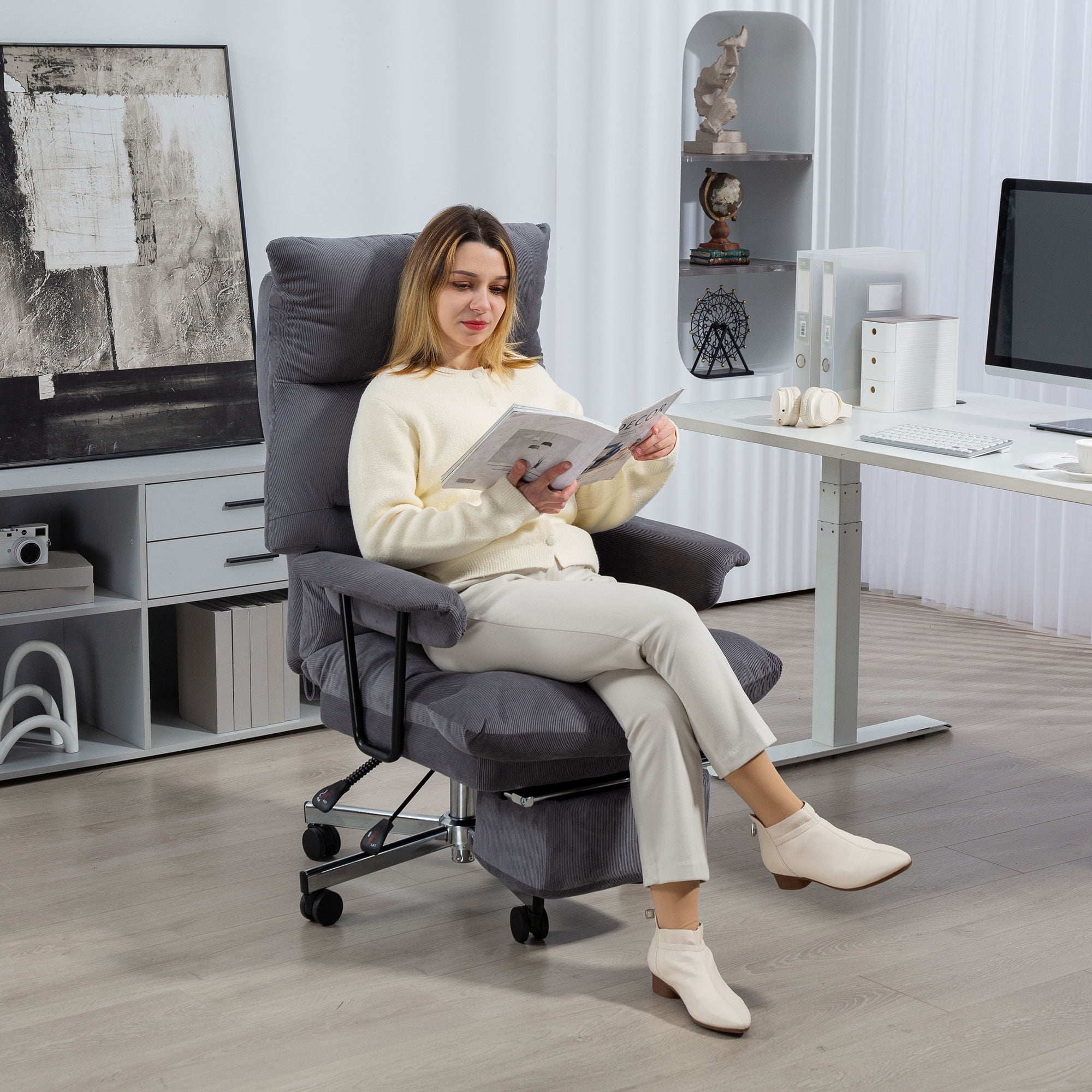
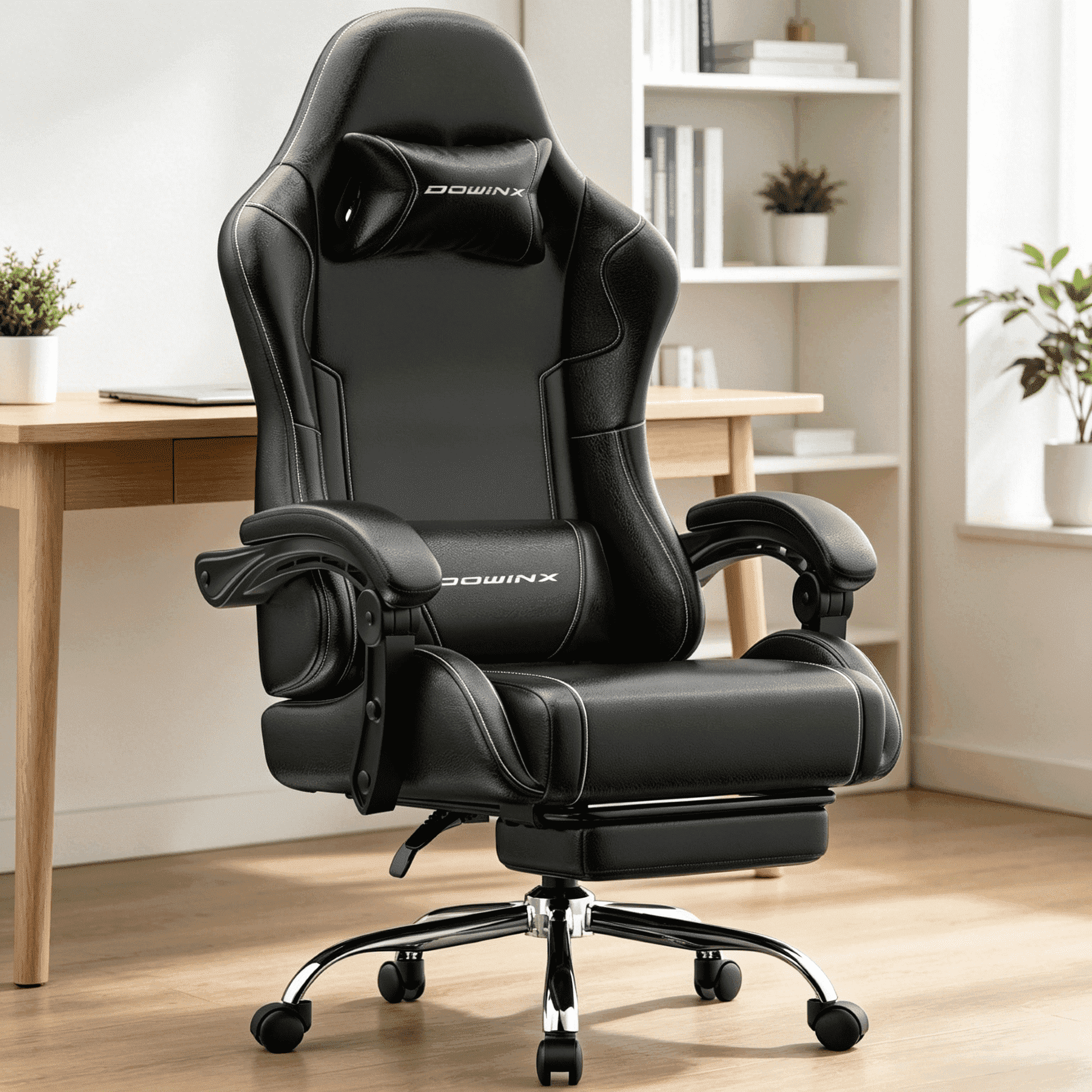
If you spend more than six hours a day at a desk, you know the toll it can take on your back. A reclining office chair with lumbar support is not just a luxury—it's an essential tool for maintaining spinal health and overall well-being. Unlike standard chairs, these models allow you to shift your posture, recline to reduce pressure on your discs, and keep your lower back properly aligned.
According to ergonomic studies, sitting in a static position for prolonged periods increases spinal disc pressure by up to 40%. By incorporating a dynamic recline mechanism and targeted lumbar support, you can reduce that strain significantly, improving comfort and focus.
Key Insight: A well-designed reclining chair with lumbar support can reduce lower back pain by up to 54% and increase productivity by 17%, according to a 2023 workplace ergonomics report.
How Lumbar Support and Recline Work Together
Many people think lumbar support alone is enough. But when paired with a recline function, the benefits multiply. Here's why:
- Dynamic Pressure Relief: Reclining shifts your weight from your pelvis to your backrest, reducing pressure on the lumbar spine while the lumbar cushion maintains the natural curve.
- Improved Circulation: A slight recline (100°–110°) opens up the hip angle, promoting better blood flow and reducing leg fatigue.
- Muscle Relaxation: The recline allows your back muscles to relax, while the lumbar support prevents them from overstretching.
- Active Sitting: Many modern chairs feature a "free-floating" recline that lets you rock gently, engaging your core muscles and preventing stiffness.
Key Features to Look For
| Feature | Why It Matters | What to Look For |
|---|---|---|
| Adjustable Lumbar | Allows you to position support exactly at your natural waist curve. | Height and depth adjustment (at least 2 inches each) |
| Recline Tension & Lock | Controls how easily the chair leans back and locks at your preferred angle. | Knob or lever tension adjustment; multi-angle lock |
| Seat Depth | Ensures proper thigh support without cutting off circulation. | Adjustable seat slider (minimum 2 inches) |
| Material Breathability | Prevents sweating and discomfort during long sessions. | Mesh back or perforated leather; high-density foam |
| Weight Capacity | Indicates structural integrity and durability. | At least 275 lbs; heavy-duty models 350+ lbs |
Health Benefits at a Glance
Reduced Disc Pressure
Reclining lowers intradiscal pressure by up to 30% compared to upright sitting.
Better Posture
Lumbar support encourages a neutral spine, preventing slouching.
Less Muscle Fatigue
Dynamic recline engages different muscle groups, reducing static load.
Enhanced Focus
Comfortable seating reduces distraction, helping you stay in the zone.
Step-by-Step Guide to Choosing Your Perfect Chair
Finding the right reclining office chair with lumbar support can feel overwhelming. Follow this simple guide to narrow down your options.
1. Assess Your Sitting Habits
- Hours per day: More than 6 hours? Prioritize premium foam and adjustable lumbar.
- Posture tendencies: Do you slouch, lean forward, or sit upright? Choose a chair with a range of recline angles.
- Work type: If you frequently switch between typing and reading, look for a chair with a synchronous tilt mechanism.
2. Set Your Budget Range
Basic
Good for occasional use, basic lumbar support.
Mid-Range
Great balance of features, durable materials.
Premium
Advanced ergonomics, high-end fabrics, long warranties.
3. Test the Adjustment Mechanisms
If possible, try the chair in-store. Focus on:
- How smoothly the recline operates
- Whether the lumbar support actually hits your lower back
- Ease of adjusting seat height and armrests
Pro tip: Sit in the chair for at least 15 minutes to gauge comfort over time.
4. Check the Warranty and Build
- Frame warranty: Minimum 5 years, preferably 10+
- Component warranty: At least 2 years on gas cylinders and casters
- Weight capacity: Higher is better for durability
Frequently Asked Questions
Final Thoughts: Invest in Your Comfort and Health
A reclining office chair with lumbar support is more than just a piece of furniture—it's a long-term investment in your physical health and professional performance. By choosing a chair that supports your spine and allows for dynamic movement, you're taking a proactive step toward preventing chronic pain and improving your daily focus.
Remember, the best chair is the one that fits your body and your work style. Use the guide above, test a few options, and make a choice that will serve you for years to come.