
Why Full Back Support is Essential for Your Office Chair
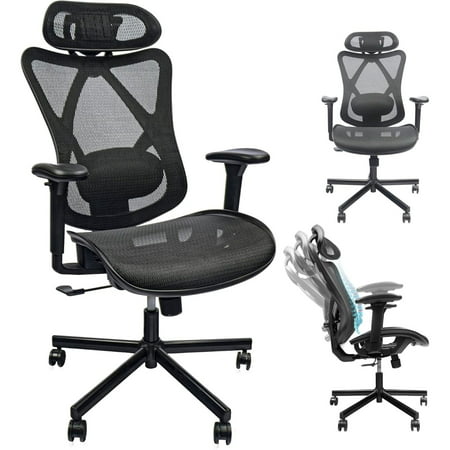
If you spend more than six hours a day seated, you know the toll it takes on your back. The office chair full back support is not just a luxury—it's a necessity for maintaining spinal health, preventing chronic pain, and boosting daily productivity. Unlike standard chairs that only support the lower back, a full back support chair cradles your entire spine, from your pelvis to your shoulders, encouraging a natural, neutral posture.
Ergonomic Insight: Research from the American Chiropractic Association indicates that prolonged sitting with poor support can increase spinal compression by up to 40%. A chair with full back support can reduce this compression, lowering the risk of disc degeneration and muscle strain.
Key Features of a Full Back Support Office Chair
- Extra-Tall Backrest: Reaches your shoulder height to support the entire back, reducing upper body tension.
- Adjustable Lumbar Support: Allows you to fine-tune the lower back curve for personalized comfort.
- Contoured Seat Cushion: Distributes weight evenly to prevent pressure points and improve circulation.
- Multi-Directional Armrests: Help align your shoulders and neck with the rest of your spine.
- Synchro-Tilt Mechanism: Keeps your back supported even when you recline, maintaining the full support angle.
How Full Back Support Improves Your Workday
Imagine your spine as a bridge. Without proper support, it sags and strains under weight. Full back support acts as the pillars that keep that bridge stable. Here’s how it translates to your daily work life:
- Reduced Fatigue: Proper alignment means muscles work less to keep you upright, leaving you more energetic.
- Enhanced Focus: Discomfort is a major distraction. When your back is fully supported, you can concentrate better on tasks.
- Long-Term Health: Consistent use prevents the gradual postural decline that leads to herniated discs and chronic back pain.
Choosing the Best Material for Your Full Back Support Chair
The material of your chair plays a crucial role in comfort, durability, and maintenance. Here’s a breakdown of the most common materials used in full back support office chairs:
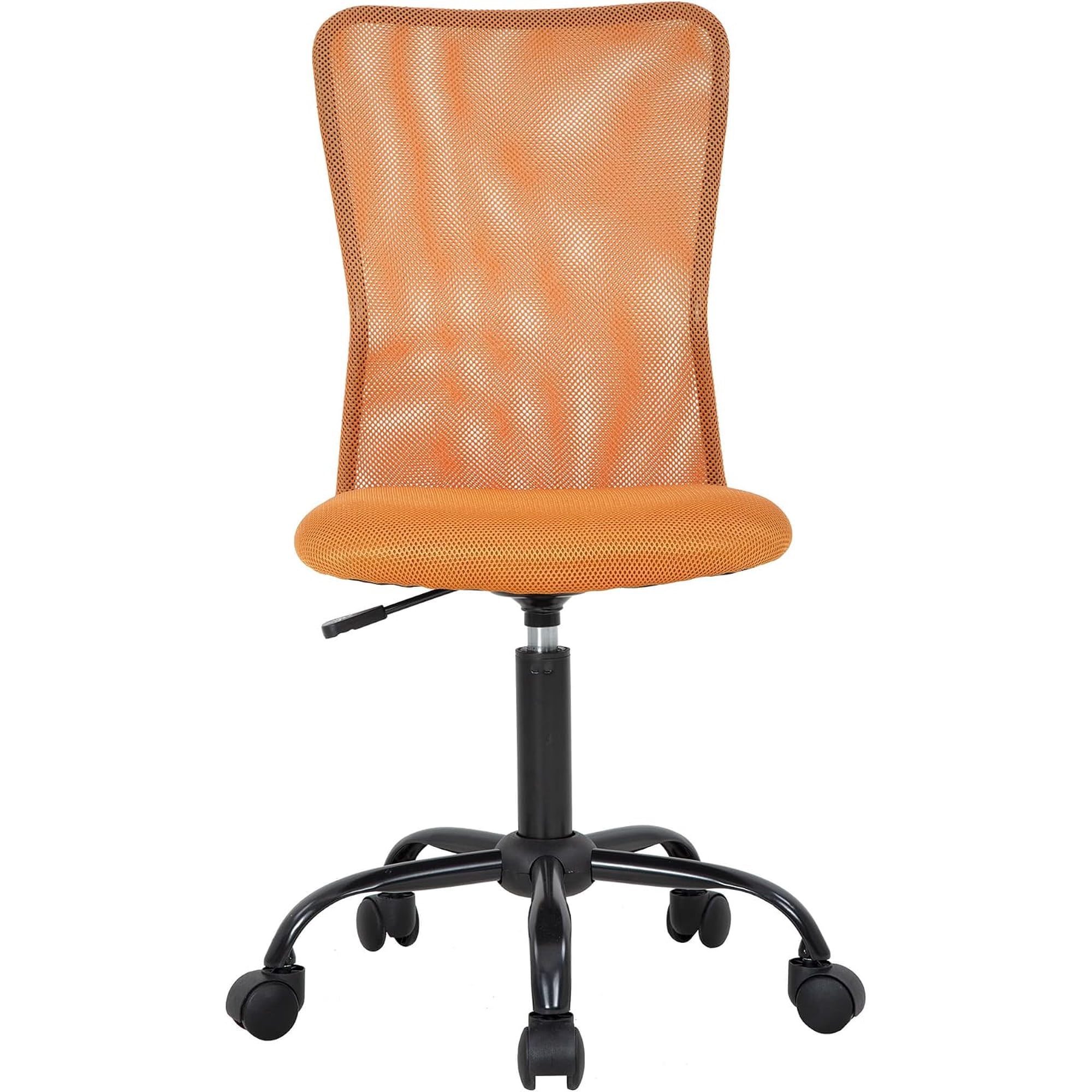
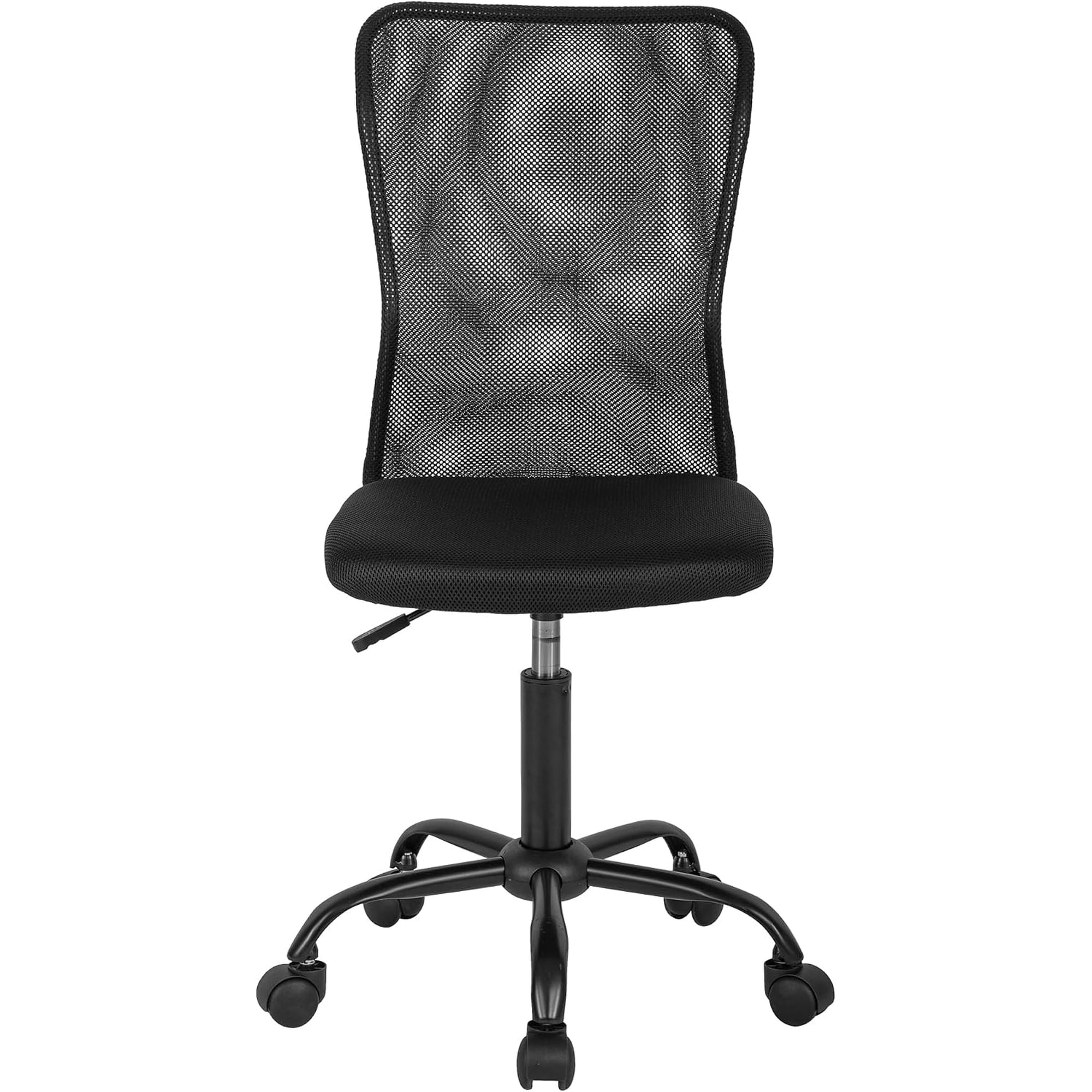
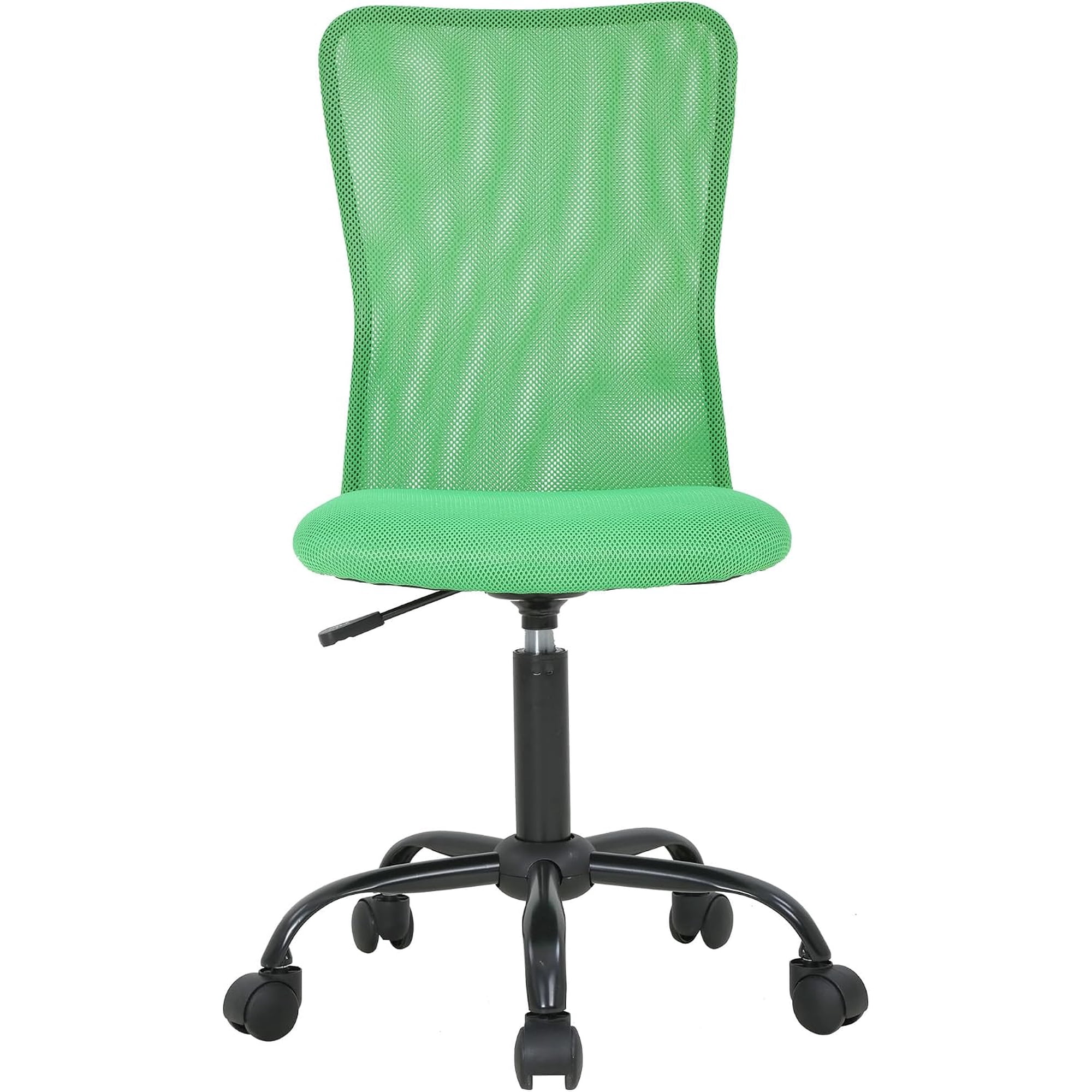
Breathable Mesh
- Airflow: Keeps you cool during long hours, reducing sweat and discomfort.
- Flexible Support: Contours to your spine, providing dynamic full back support.
- Lightweight: Easier to move and adjust.
- Modern Aesthetic: Fits well in contemporary office designs.
Premium Leather
- Professional Look: Conveys elegance and authority.
- Durability: Lasts for over a decade with proper care.
- Easy to Clean: Wipes down quickly, resistant to spills.
- Temperature Sensitivity: Can be warm in summer; may require conditioning.
High-Quality Fabric
- Cost-Effective: More affordable than leather.
- Variety: Available in numerous colors and textures.
- Comfortable: Soft and warm, ideal for cooler environments.
- Stain-Prone: Requires more careful maintenance.
Faux Leather
- Budget-Friendly: Provides a leather-like appearance at a lower cost.
- Easy Maintenance: Simple to wipe clean.
- Less Durable: May crack or peel after a few years.
- Breathability: Not as breathable as mesh or fabric.
Full Back Support vs. Standard Office Chairs: What's the Difference?
Many people assume that any high-back chair offers full support, but that's a misconception. Here’s a clear comparison:
| Feature | Full Back Support Chair | Standard Office Chair |
|---|---|---|
| Backrest Height | 18-24 inches (reaches shoulders) | 12-16 inches (mid-back only) |
| Lumbar Adjustment | Depth and height adjustable | Fixed or basic tension adjustment |
| Upper Back Support | Yes, supports thoracic and cervical regions | Minimal or none |
| Recline Support | Maintains full support even when leaning back | Often loses lower back contact when reclined |
| Ideal For | Professionals working 6+ hours daily, those with back issues | Short-term use, meetings, or guest seating |
If you've been experiencing upper back pain, shoulder tension, or neck stiffness, upgrading to a chair with full back support can make a transformative difference.
How to Choose the Perfect Full Back Support Office Chair
Selecting the right chair involves more than just picking a tall backrest. Follow this step-by-step guide to find your ideal match:
Step 1: Measure Your Body and Desk
- Seat Height: Your feet should rest flat on the floor with knees at a 90° angle.
- Backrest Height: Choose a backrest that reaches your shoulders. For people over 6 feet, look for chairs with 22+ inch backrests.
- Seat Depth: There should be 2-3 inches between the back of your knees and the seat edge.
Step 2: Prioritize Adjustability
- Lumbar Depth: Look for chairs with independent lumbar depth and height adjustment.
- Armrest Width/Height: 4D or at least 3D armrests allow you to position elbows close to your body, reducing shoulder strain.
- Tilt Tension: Adjustable tilt tension lets you recline smoothly while maintaining full back support.
Step 3: Test for Comfort and Durability
- Sit for 15-20 minutes: Pay attention to pressure points and if the lumbar support aligns with your natural curve.
- Check the Base: A heavy-duty five-star base ensures stability, especially if you're taller or heavier.
- Warranty: Aim for a chair with at least a 5-year frame warranty and 3-year component coverage.
Frequently Asked Questions About Full Back Support Office Chairs
Conclusion: Invest in Your Back Health Today
Your office chair is one of the most important investments in your professional life. A full back support office chair is not just about comfort—it's about safeguarding your long-term health, enhancing your focus, and projecting a professional image. By choosing a chair that truly supports your entire spine, you're making a statement that you value quality and well-being.
Final Recommendations
- For Chronic Back Pain: Prioritize chairs with independent lumbar and upper back adjustments, like ergonomic mesh models.
- For Long Work Hours (8+ hrs): Look for premium leather or fabric chairs with deep seat cushions and multi-tilt mechanisms.
- For Budget-Conscious Buyers: High-quality fabric chairs offer excellent value without sacrificing essential support features.
Take the next step: browse our curated selection above and find the chair that will keep your back healthy and your productivity high for years to come.