
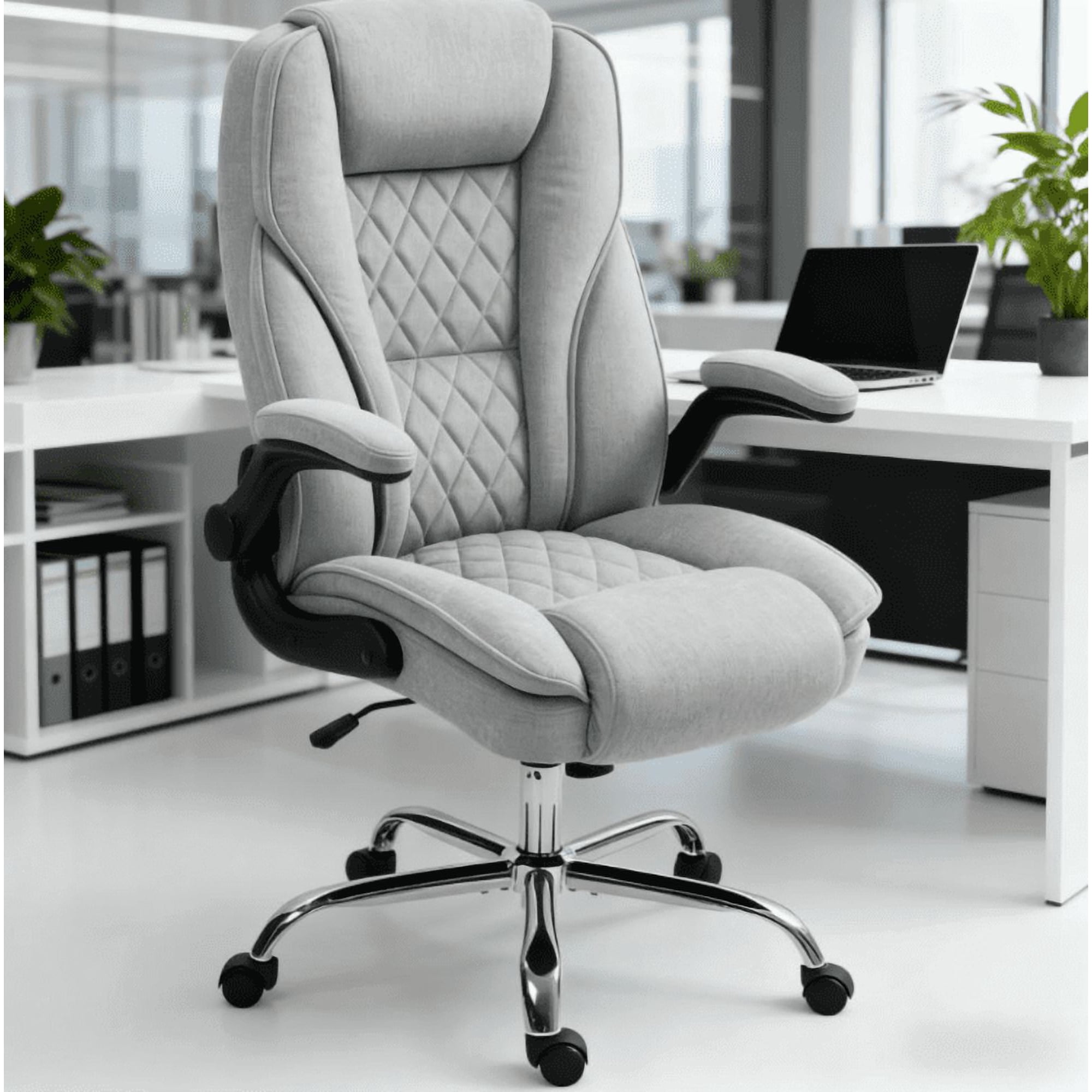

Your Guide to the Best Office Chairs for Your Back
If you spend most of your day sitting at a desk, your back is your most valuable asset. Choosing the right office chair isn't just about comfort—it's a crucial investment in your long-term health and productivity. The best office chairs for your back are designed to support your spine's natural 'S' curve, reduce pressure on your lower back, and encourage a healthy posture.
Did You Know? According to the American Chiropractic Association, lower back pain is the single leading cause of disability worldwide. Using a properly designed ergonomic chair can dramatically reduce the risk of back strain and chronic pain.
Key Ergonomics: What to Look For
Not all chairs are created equal. When you're searching for the perfect chair for back support, here are the non-negotiable features you should prioritize:
- Adjustable Lumbar Support: This is the most critical feature. It should be independently adjustable in height and depth to fit the natural curve of your lower spine, providing support where you need it most.
- Seat Depth and Height: A chair with adjustable depth ensures you can sit with your back against the backrest while leaving 2-3 inches of space between the edge of the seat and the back of your knees. Height adjustment is essential for ensuring your feet rest flat on the floor.
- Dynamic Recline Mechanism: A chair that allows you to recline and rocks with you is vital. This movement helps distribute your weight evenly, reduces pressure on your spinal discs, and promotes micro-movements that keep your back healthy.
- 3D or 4D Adjustable Armrests: Armrests that adjust up and down, in and out, and side-to-side allow you to properly support your elbows and shoulders, taking the strain off your upper back and neck.
- High-Quality Padding and Material: The seat should have high-density foam that provides support without being too hard. The backrest material should be breathable, such as a high-quality mesh, to prevent heat buildup and promote comfort.
Understanding the Anatomy of Back Pain
To understand why a good chair matters, it's helpful to know a bit about how back pain develops. When you sit in a poorly designed chair, your lower back (lumbar region) is often left unsupported. This forces your spine into a 'C' shape, which increases the pressure on your spinal discs and muscles. Over time, this can lead to muscle fatigue, poor circulation, and chronic pain.
Think of your spine like a bridge. A bridge needs support underneath to maintain its structure. A chair without proper lumbar support is like a bridge without its pillars—it's only a matter of time before it starts to buckle.
Reduced Strain
Proper lumbar support reduces muscle strain by up to 40%.
Improved Posture
A good chair forces your body into a natural, healthy alignment.
Increased Comfort
Ergonomics lead to all-day comfort and fewer distractions.
Long-Term Health
Prevents chronic back conditions and improves overall well-being.
The Connection Between Posture and Productivity
Your mother was right: sitting up straight is important. But beyond just looking presentable, good posture is directly linked to your mental and physical output. Studies show that maintaining proper spinal alignment can increase oxygen intake, boost energy levels, and even improve mood and confidence.
When you're comfortable and your body isn't fighting to stay upright, your brain is free to focus on your work. This makes an ergonomic office chair one of the most powerful tools for enhancing your performance.