
The Executive's Dilemma: Why Settle for Less?
For years, the office furniture industry presented workers with a frustrating ultimatum: you could have a chair that looked like it belonged in a design magazine, or you could have one that supported your body through 10-hour workdays. Choosing the most comfortable and stylish office chair felt like chasing a unicorn. But the era of compromise is over.
The Modern Reality: A new generation of ergonomic seating has emerged, proving that award-winning biomechanics and breathtaking aesthetics are not mutually exclusive. In fact, when done right, they enhance each other. This guide is your roadmap to finding that perfect fusion.
Why This Combination Matters More Than Ever
Your office chair is no longer just a tool; it's a statement. With the rise of hybrid and remote work, our home offices have become extensions of our personal brand. A 2023 survey by the International Interior Design Association found that 78% of remote workers consider office aesthetics crucial to their motivation and creativity. Simultaneously, the global ergonomic furniture market is booming, driven by a collective awareness of the health costs of sedentary work. The most comfortable and stylish office chair sits at the intersection of these two powerful trends. It's an investment in both your physical well-being and your daily inspiration.
Deconstructing the Perfect Chair: It's All in the Details
Finding the holy grail of seating means understanding the individual components that contribute to both comfort and style. Let's break down what to look for.
1. The Foundation: The Base and Casters
Think of the base as the chair's foundation—both literally and aesthetically. Forget basic black plastic. Premium chairs feature bases crafted from polished aluminum, brushed chrome, or powder-coated steel in matte black or white. These materials scream durability and sophistication. The casters (wheels) are equally important. For style, look for casters with a metal finish that matches the base. For comfort, ensure they are designed for your floor type—soft rubber casters for hardwood to prevent scratches, and standard hard casters for carpets.
2. The Sculpture: The Backrest
This is the largest visual element of the chair. Designers are moving away from bulky, monolithic backs. The most stylish chairs feature:
- Streamlined Profiles: Slim backs that don't overwhelm a small home office.
- Material Play: Hybrid designs that combine a breathable mesh back with a solid frame in wood or polished metal.
- Unique Silhouettes: Some chairs feature a "floating" backrest or a shape inspired by mid-century modern design, turning the chair into an art piece.
3. The Throne: The Seat
The seat is your primary point of contact. For all-day comfort, you need high-density, cold-cured foam that won't break down after a few months. This type of foam provides the perfect balance of softness and support, molding to your body without feeling like you're sinking. From a style perspective, the seat is where you can make a bold statement.
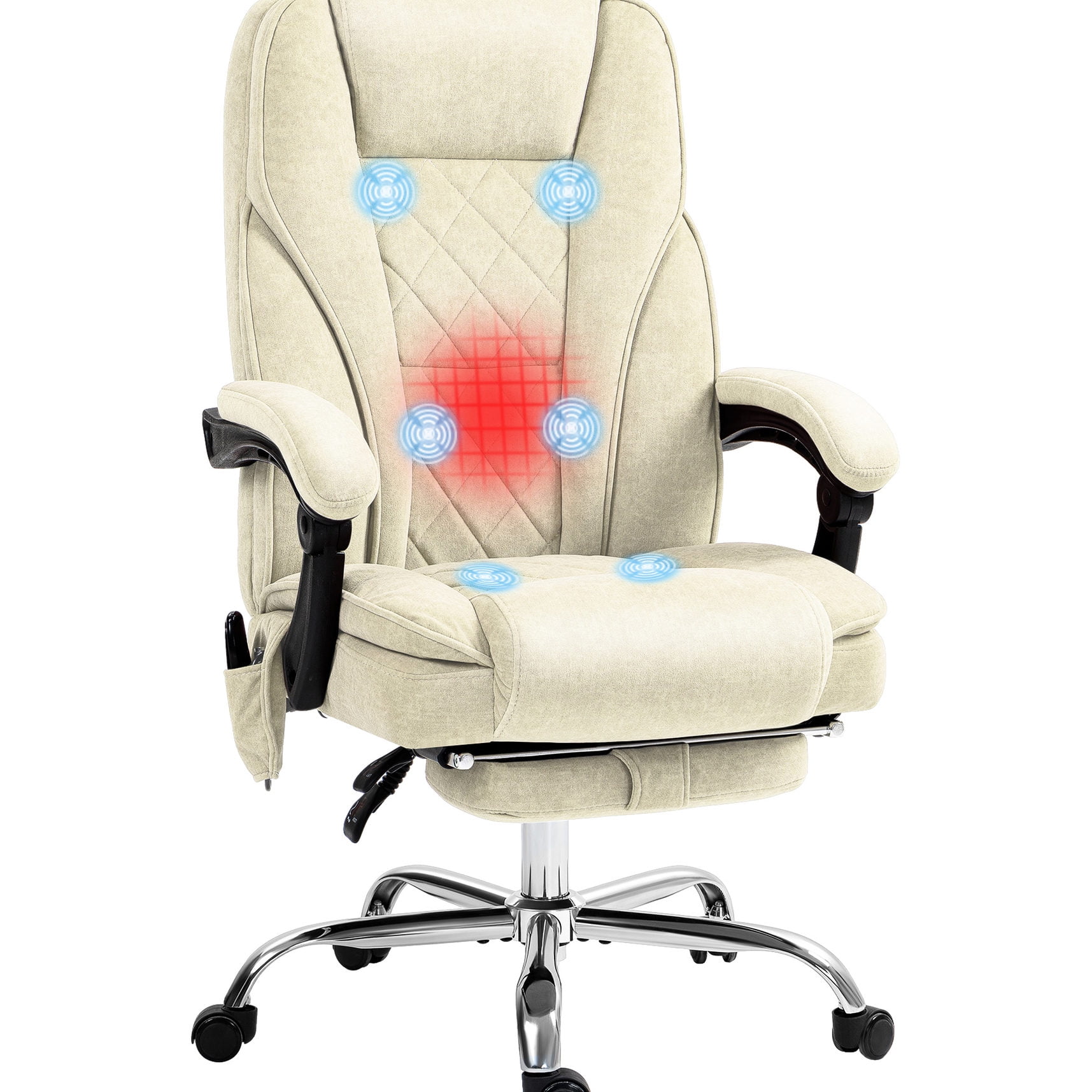
- Velvet: Adds a touch of luxury and is available in rich, deep colors like emerald green or sapphire blue.
- Premium Fabric: Offers texture and warmth, perfect for a cozy, Scandinavian-inspired office.
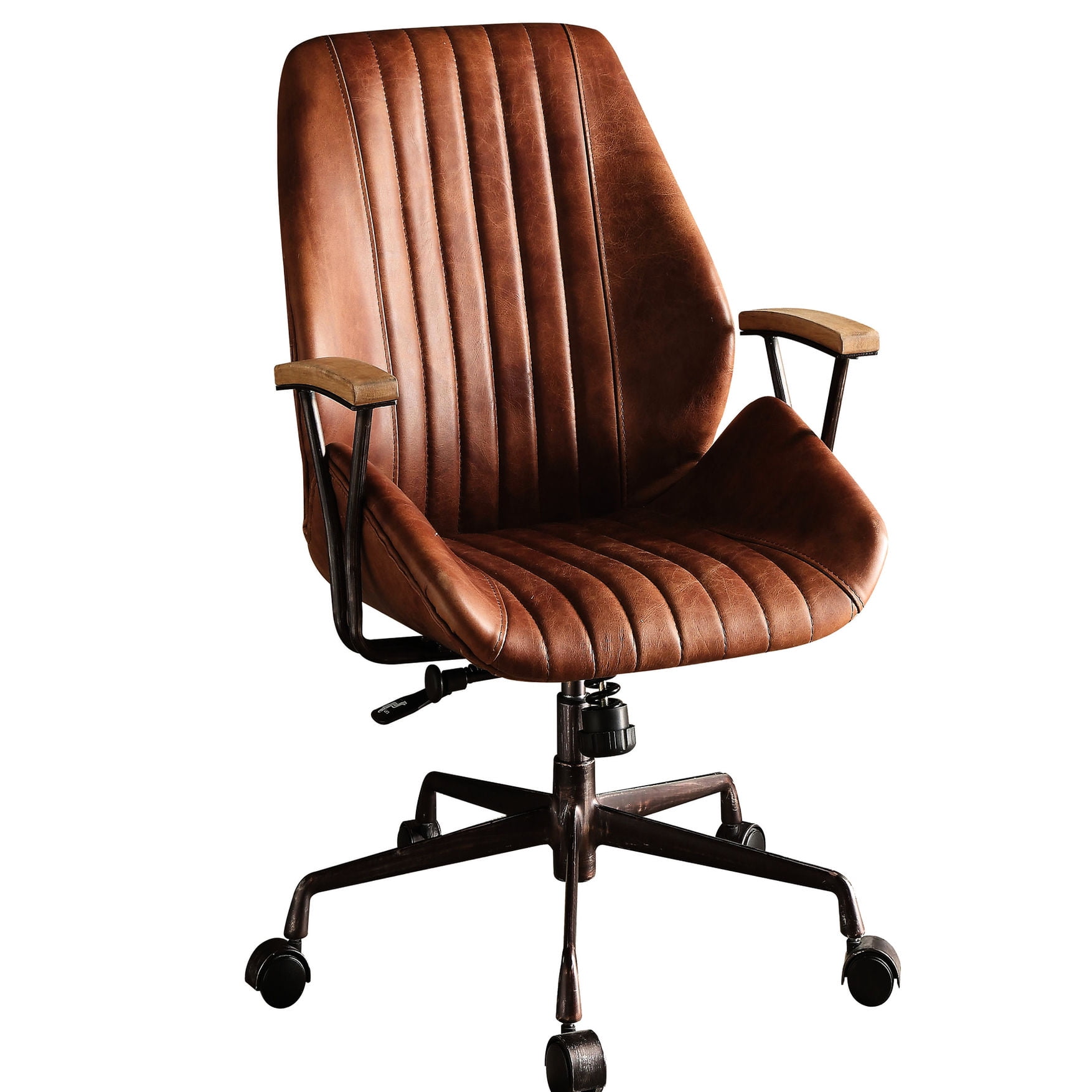
- Leather: The classic executive look. Full-grain leather develops a beautiful patina over time and conveys a sense of established success.
Beyond Looks: How Modern Engineering Elevates Style
The magic happens when engineers and designers collaborate from the start. The result is a chair where the mechanisms that provide comfort are also the focal points of its design.
Synchronized Tilt Mechanisms: The Hidden Gem
This is perhaps the most important feature for all-day comfort that you've never heard of. Unlike a simple tilt, a synchronized mechanism allows the backrest and seat to move in a natural, coordinated ratio (often 2:1 or 3:1) as you recline. It keeps your feet planted and your视线 level, whether you're typing intently or leaning back to think. The most stylish chairs showcase this engineering with sleek, integrated controls hidden beneath the seat, maintaining a clean, uncluttered look.
4D Armrests: The Jewelry of the Chair
Armrests are like the jewelry for your office chair. They add the finishing touch. Look for "4D" armrests, which adjust in height, width, depth, and pivot angle. This allows you to get your arms perfectly aligned with your desk, preventing shoulder and neck strain. In stylish chairs, these aren't clunky plastic appendages. They are slim, often covered in the same soft-touch material as the seat, and attached with arms made of sleek metal that flow seamlessly into the chair's base.
🪑 Minimalist Modern
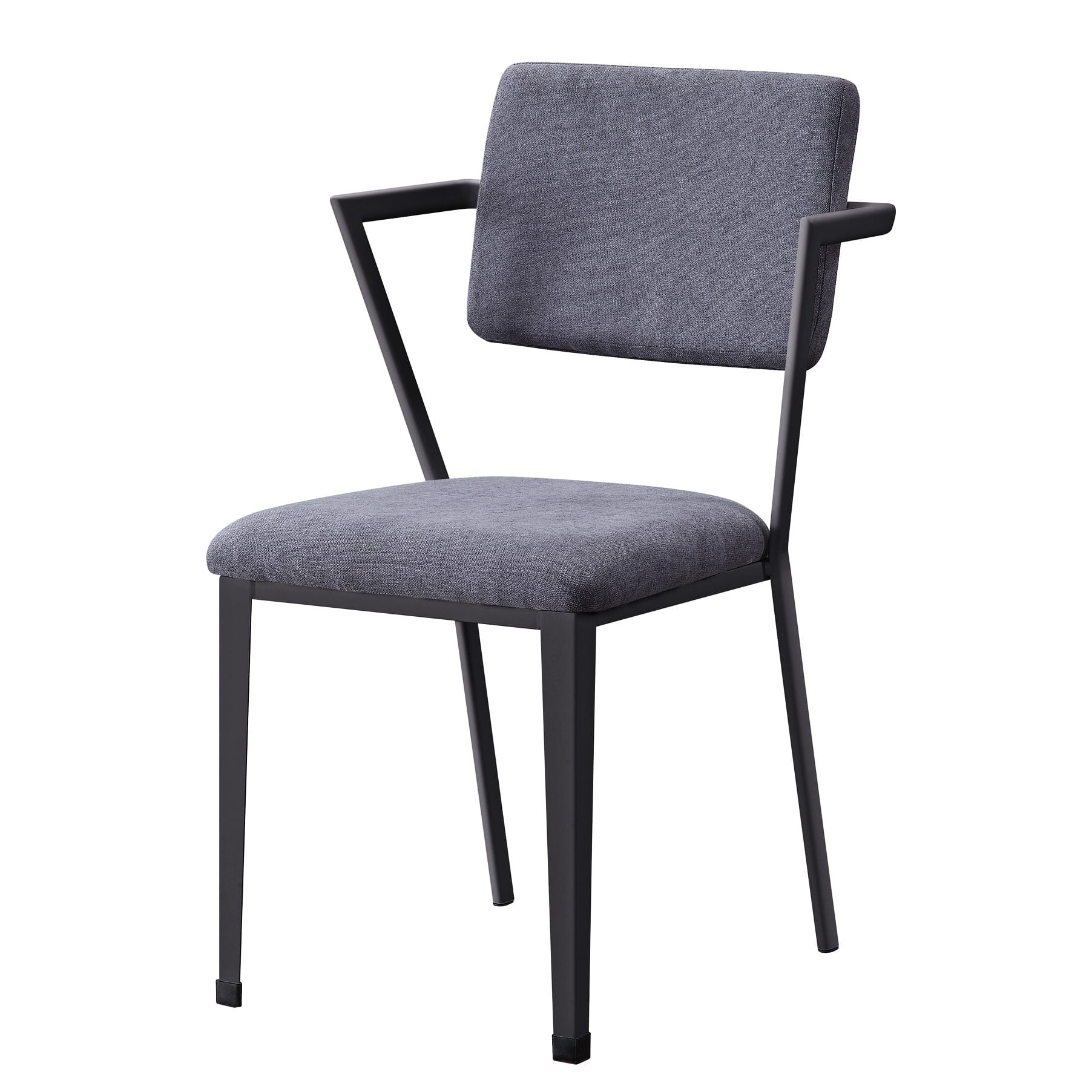
Clean lines, white or black frames, breathable mesh. Perfect for a bright, airy, tech-focused space.
👑 Luxe Executive
High-back, tufted leather, polished wood or brass accents. Commands respect in a traditional office.
🎨 Mid-Century Revival
Molded plywood, vibrant upholstery, tapered wooden legs. Adds a retro, creative vibe.
🌿 Biophilic Design
Use of natural wood, woven textiles, and organic shapes. Brings warmth and a calming element to the room.
Material as a Message
The materials you choose send a signal. A chair upholstered in a richly textured wool blend says you value craftsmanship and comfort. A chair with a mirror-polished aluminum frame screams modernity and precision. When hunting for the most comfortable and stylish office chair, run your hands over the materials. Does the plastic feel cheap? Does the metal feel solid? The tactile experience is a huge part of the perceived quality and, ultimately, your daily satisfaction.
The "Goldilocks" Principle: Finding Your Fit
A chair can look like a million bucks and have every ergonomic feature in the book, but if it doesn't fit your body, it's useless. This is the part many guides miss. You must consider your own dimensions.
- For Petite Users: Look for chairs with a shorter seat depth and a lower minimum seat height. A chair that's too big will put pressure behind your knees.
- For Tall Users: Prioritize chairs with a high maximum seat height and a tall backrest to support your entire spine, including your shoulders.
- For Plus-Size Users: Look for "big and tall" rated chairs with wider seats and higher weight capacities (400-500 lbs). A chair with a reinforced frame ensures safety and durability without compromising on style.
Finding the right chair is a personal journey. By understanding these elements—the base, the back, the seat, the mechanisms, and the materials—you're no longer just picking a chair. You're curating a piece of furniture that will support your best work and reflect your personal style for years to come.
Frequently Asked Questions: The Comfort & Style Edition
Conclusion: Your Chair, Your Statement
The search for the most comfortable and stylish office chair is more than just a shopping trip; it's an investment in your daily life. You spend thousands of hours in your workspace. The chair you choose should be a source of physical support and a reflection of your taste.
Remember, the perfect chair exists. It's the one that disappears when you're in a state of flow, providing support without distraction, and then catches your eye during a moment of pause, making you smile because it just looks *that good*. By prioritizing adjustable ergonomics, high-quality materials, and a design language that speaks to you, you're not just buying a chair—you're building a workspace where you can thrive. Don't settle for the ultimatum of comfort vs. style. Go out there and claim both.
Final Thought
The best chair is the one you'll want to sit in for years to come. Let our curated list of products above be your starting point, and use the knowledge from this guide to make a confident, informed decision. Here's to a happier back and a more beautiful office.