
What Makes a Chair "Smart"? Understanding Intelligent Office Seating
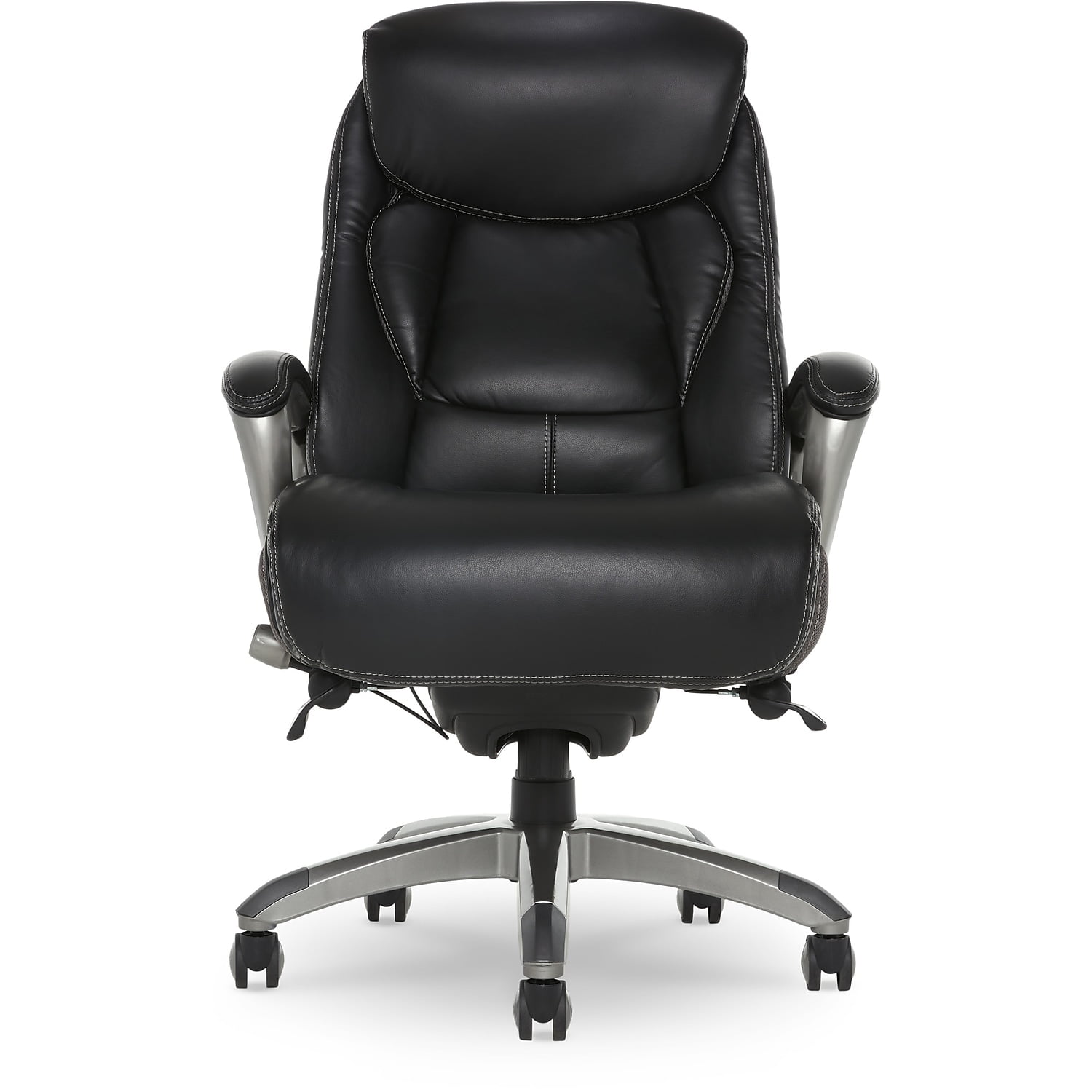
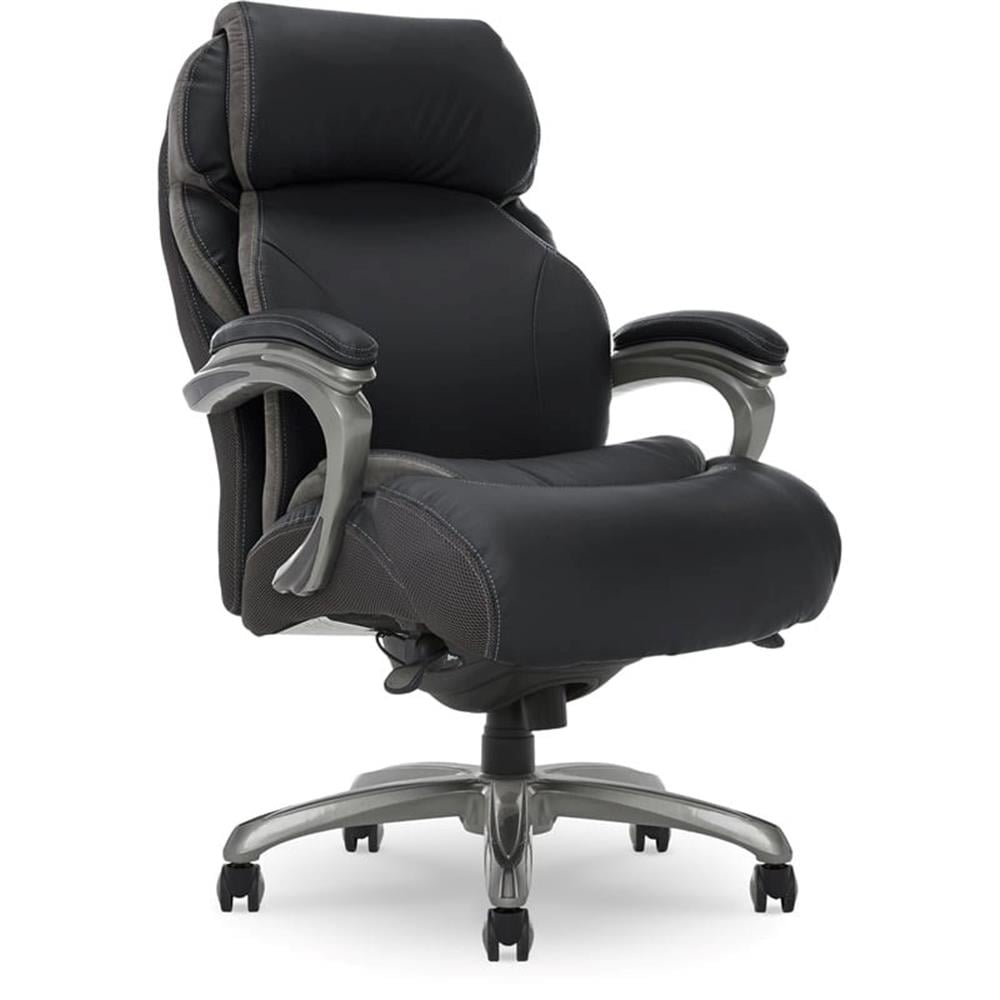
Imagine an office chair that doesn't just support your body but actively communicates with you, learns your habits, and helps you build healthier sitting patterns. That's precisely what smart office chairs bring to the modern workplace. These aren't just pieces of furniture; they're connected health devices designed for the digital age professional.
Market Insight: The global smart office chair market is projected to grow at 22.4% annually through 2028, driven by increasing awareness of sedentary lifestyle risks and the integration of IoT technology into everyday workplace furniture. Early adopters report a 38% reduction in back discomfort within the first 90 days of use.
Think of a smart office chair as a fitness tracker for your sitting habits. Just as your smartwatch monitors steps and heart rate, these chairs monitor posture, sitting duration, and movement patterns. They provide gentle nudges when you've been seated too long or when your posture deteriorates, helping you maintain optimal spinal alignment throughout your workday.
Core Technologies Inside Smart Office Chairs
Pressure Mapping Sensors
High-density sensor arrays detect weight distribution across the seat and backrest, identifying when you lean forward, slouch, or sit asymmetrically. This data creates a real-time map of your sitting posture.
16-32 sensors typicalBluetooth 5.0 Connectivity
Seamless connection to iOS and Android apps enables data synchronization, firmware updates, and personalized settings. Some chairs support multi-device pairing for shared workspaces.
Range: up to 30 feetHaptic Feedback Motors
Gentle vibration motors in the seat and backrest provide subtle reminders when it's time to adjust posture or take a movement break. Unlike loud alarms, these discrete signals won't disturb colleagues.
3-5 vibration zonesAI Learning Algorithms
Machine learning models analyze your sitting patterns over time, identifying when you're most likely to slouch (like during afternoon slumps) and proactively reminding you to maintain good posture during those periods.
Adaptive learningProven Benefits of Upgrading to a Smart Chair
Users who receive real-time feedback improve sitting habits within 30 days (Cornell Ergonomics Research)
Smart chairs with movement reminders decrease total daily sitting time
Clinical study participants reported significant relief after 8 weeks of smart chair use
Would recommend smart office chairs to colleagues (2023 User Survey)
Smart Chair vs. Traditional Ergonomic Chair
Traditional Ergonomic Chair
- Passive support: Adjustments are manual and static
- No feedback: You don't know when posture worsens
- Time-blind: No reminders for movement breaks
- One-size approach: Same settings for everyone
- No data tracking: Can't measure improvement
- Price range: $300-$1,000
Smart Office Chair
- Active intelligence: Automatically adjusts and reminds
- Real-time alerts: Vibration feedback for poor posture
- Smart scheduling: App-based movement reminders
- Personalized profiles: Saves settings for multiple users
- Analytics dashboard: Track progress over time
- Price range: $600-$1,500
The key difference lies in proactive versus reactive ergonomics. Traditional chairs provide the tools for good posture, but they rely entirely on your discipline to use them correctly. Smart chairs actively participate in your health by monitoring, alerting, and guiding you toward better habits throughout the day.
How Smart Chair Apps Transform Your Sitting Experience
Typical Smart Chair App Features
Daily sitting score, posture trends, and goals
Customizable reminders with standing exercises
Save settings for family members or office sharing
Weekly/monthly improvement analytics
"The app showed me I was leaning left 60% of the time. Now I'm aware and correcting it." — Verified User
Essential Features to Look for When Buying a Smart Office Chair
Not all smart chairs are created equal. Here's what separates exceptional intelligent seating from gimmicky products:
| Feature | Why It Matters | What to Look For |
|---|---|---|
| Sensor Accuracy | Determines how reliably the chair detects posture issues | Multiple pressure sensors (16+), gyroscope, accelerometer |
| App Quality | Poor app experience negates smart features | 4.5+ star ratings, regular updates, intuitive interface |
| Battery Life | Frequent charging becomes annoying | 2-4 weeks minimum, wireless charging preferred |
| Feedback Methods | Alerts shouldn't disrupt work | Adjustable vibration intensity, silent mode options |
| Data Privacy | Your sitting data is personal health information | Local processing option, clear privacy policy, encryption |
Who Benefits Most from Smart Office Chairs?
Smart chairs are ideal for:
- Remote workers and digital nomads who spend 8+ hours daily at their desk without office ergonomics support
- Tech enthusiasts and early adopters who appreciate data-driven insights about their health
- People recovering from back injuries who need consistent posture reinforcement during the healing process
- Corporate wellness programs aiming to reduce employee healthcare costs and improve productivity
- Multi-user households where different family members share the same workspace
May be less suitable for: Those uncomfortable with smartphone apps, very basic users who prefer simplicity, or environments where electronic devices aren't permitted.
The Future of Smart Office Chairs: What's Coming Next
The technology is evolving rapidly. Here are emerging innovations entering the market:
- Health Monitoring Integration: Chairs with built-in ECG sensors in armrests to detect heart rate variability and stress levels
- Environmental Adaptation: Self-heating or cooling seats that adjust to room temperature and your body heat
- Voice Control: Integration with Alexa, Google Home, or Siri for hands-free adjustments
- AI Personal Trainers: Virtual coaches that guide you through micro-exercises during break reminders
- Energy Harvesting: Chairs that convert your movement into electricity to power sensors indefinitely
Industry experts predict that within 5 years, smart features will become standard in mid-range and premium office chairs, much like how adjustable lumbar support is expected today.