
Why a Dedicated Drafting Chair Changes the Game
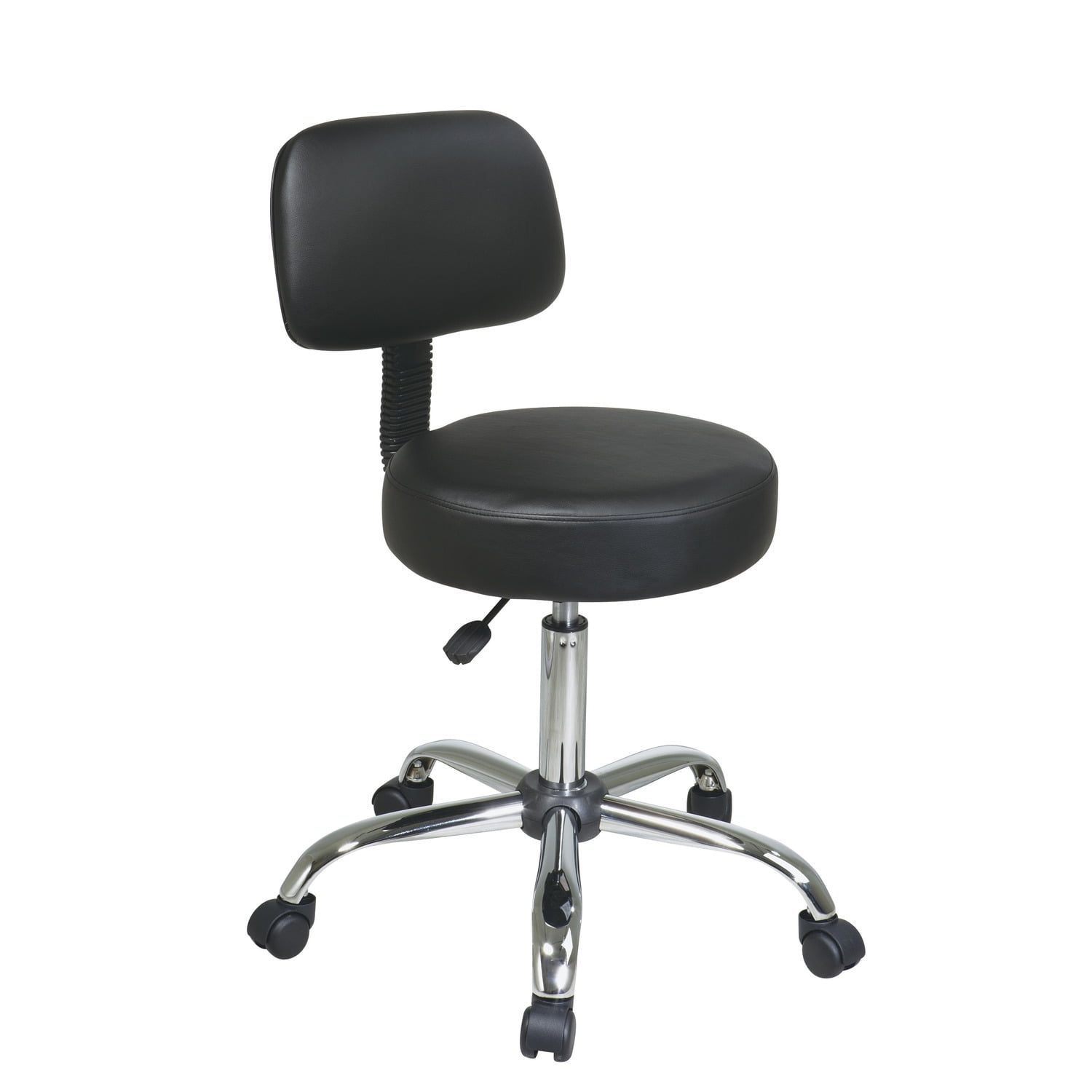
Imagine working at a standing desk or a traditional drafting table with a regular office chair. You'd either be hunched over or your knees would be awkwardly pressing against the underside of the desk. This is where a specialized Office Depot drafting chair becomes an essential tool, not just an accessory. It's the bridge between you and your elevated workspace, designed to provide ergonomic support at heights where standard chairs fail.
Ergonomics at Height: Studies from the Human Factors and Ergonomics Society suggest that working at the correct height relative to your seat can reduce shoulder and neck strain by over 30%. A drafting chair's taller cylinder ensures your elbows are at a 90-degree angle to the work surface, which is the gold standard for preventing repetitive strain injuries.
1. Decoding the Office Depot Drafting Chair: Key Features
Not all tall chairs are created equal. When browsing options at Office Depot, understanding the core components will help you filter through the choices. Think of a drafting chair as a performance vehicle for your sitting posture—every part has a job.
The Pneumatic Lift: The Heart of Height Adjustment
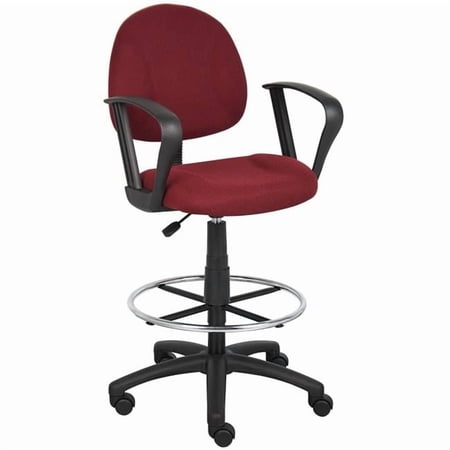
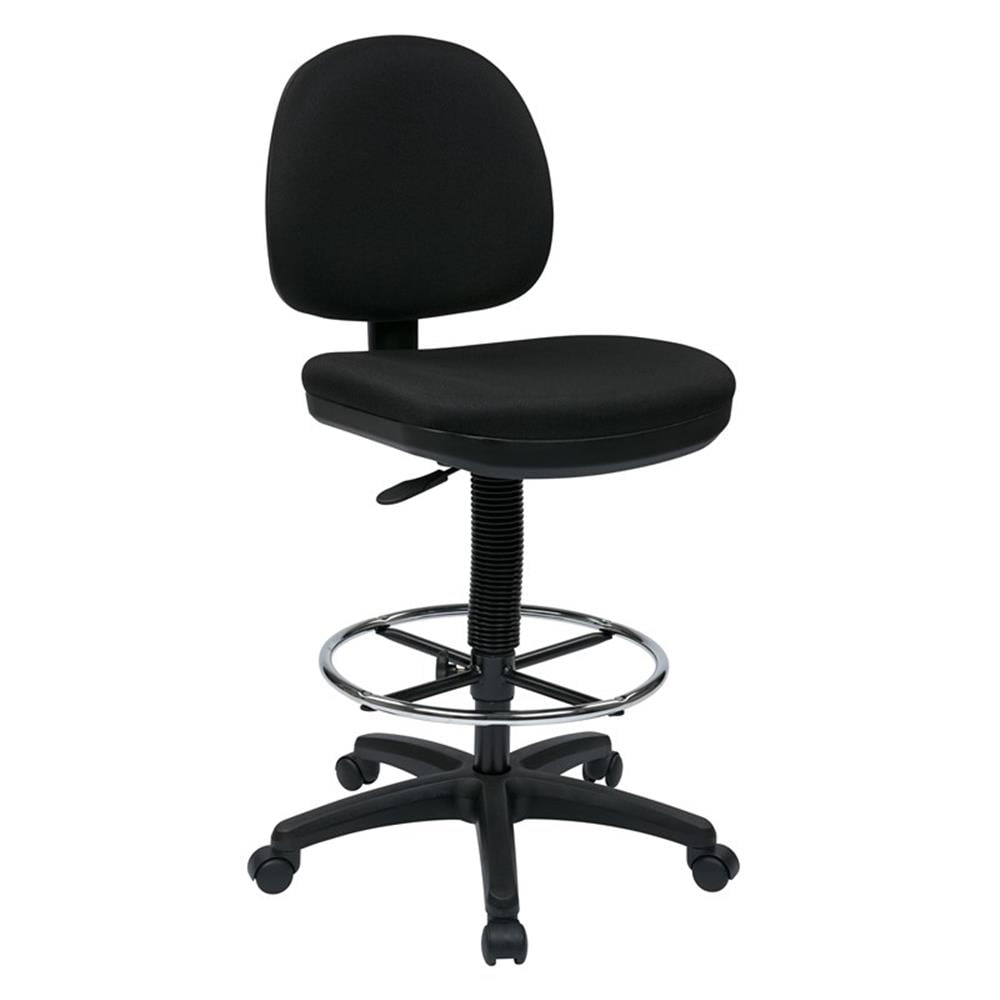
The most defining feature is the extended gas lift cylinder. A standard office chair usually lifts you to about 20-22 inches from the floor. A drafting chair's cylinder is longer, propelling you to seat heights ranging from 24 to 34 inches. This allows you to comfortably face a 40- to 45-inch high counter or desk. When testing, look for smooth, Class 3 or 4 gas lifts, as they are more durable and offer finer control.
The Footring: Your Floating Footrest
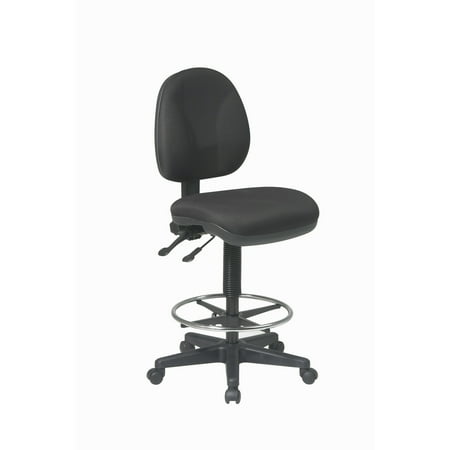
At higher elevations, your feet might dangle, which can cut off circulation to your legs. This is where the footring—a circular metal ring attached to the chair's base—becomes your best friend. It provides a place to rest your feet, maintaining the 90-90-90 posture rule (feet flat, knees at 90°, hips at 90°). Some premium Office Depot models offer adjustable footrings, allowing you to set the perfect height for your legs.
Base and Casters: Stability is Paramount
Because the center of gravity is higher, a drafting chair needs a robust foundation. Look for a wide, five-point base made of reinforced nylon or polished aluminum. The casters (wheels) should match your floor type. Hard casters for carpet, and softer, non-marking casters for hardwood or tile. Office Depot often lists this specification, so pay close attention to ensure smooth rolling without floor damage.
✅ Advantages of a Drafting Chair
- Perfect for tall desks: Ideal for standing desks, labs, and drafting tables.
- Improved sightlines: Sitting higher can improve visibility across a room or workspace.
- Versatility: Many can be used at both standard and tall desks, offering flexibility.
- Encourages movement: Easier to transition from sitting to standing throughout the day.
⚠️ Considerations
- Stability at max height: Can feel tippy if not well-constructed or if you shift weight suddenly.
- Footring adjustment: Not all models have adjustable rings, which can be uncomfortable for some.
- Size: They often take up a similar footprint but look "taller" in a room.
2. How to Choose the Right Drafting Chair for Your Needs
Selecting a chair isn't just about picking the one with the most padding. It's about matching the chair's capabilities to your daily habits. Use this guide to narrow down your options at Office Depot.
Step 1: Measure Your Work Surface
Grab a tape measure. What is the height of your desk or table from the floor to the underside of the work surface? You'll need a chair that can adjust so your thighs can slide comfortably underneath. A good rule of thumb: the seat height should be adjustable to at least 6-8 inches below your desk height.
Step 2: Analyze Your Sitting Duration
Are you someone who sits for hours at a stretch, or do you bounce between standing and sitting frequently?
- For long sitters: Prioritize high-density foam cushioning, adjustable lumbar support, and a padded footring. Look for terms like "ergonomic mid-back" or "high-back drafting chair."
- For dynamic workers: Focus on a smooth, pneumatic lift for easy transitions and a lighter chair design that's easy to swivel away from when you stand.
Step 3: Match Your Body Type
A chair that fits your body is crucial. Check the manufacturer's recommended user height and weight capacity. For taller individuals, ensure the backrest is high enough to support your shoulder blades. For petite users, a chair with a shallower seat depth will prevent the edge from digging into the backs of your knees.
3. Drafting Chair vs. Stool vs. Industrial Chair
It's easy to confuse these categories. Here's a quick breakdown to ensure you're looking at the right product.
- Drafting Chair: Typically has a backrest and often armrests. Designed for prolonged use. Best for: Daily office work, creative professionals.
- Drafting Stool: Usually backless or with a very low back. More compact. Best for: Labs, workshops, or quick perching where you need to move around a lot.
- Industrial Chair: Built for rugged environments like factories. Often made of materials that are easy to clean and resistant to chemicals. Best for: Warehouses, clean rooms, manufacturing.
When searching for an Office Depot drafting chair, you are primarily looking for the first category—a chair with full back support for sustained comfort.
4. Material Matters: Finding the Right Upholstery
Just like standard office chairs, drafting chairs come in various materials. Your choice impacts comfort, durability, and maintenance.
- Mesh: Highly breathable, excellent for warm environments or if you tend to get hot. Modern mesh is durable and provides good contouring support. It's a top choice for those who prioritize airflow.
- Fabric: Offers a wide range of colors and a soft, warm feel. It's comfortable but can be harder to clean if spills occur. Look for solution-dyed or stain-resistant fabric for longevity.
- Leather/Faux Leather: Provides a premium, professional look. It's easy to wipe clean but can be sticky in hot weather and cold in winter. Faux leather can be less breathable than genuine leather or mesh.
Office Depot's lineup includes all these options, so consider your climate and cleaning preferences before deciding.
5. The Health Benefits of Using a Drafting Chair
Switching to a drafting chair isn't just about reaching a higher desk; it's an investment in your physical well-being, especially if you use a standing desk converter or a traditional drafting table.
- Reduced Lower Back Stress: By allowing you to sit at the correct height, a drafting chair with good lumbar support helps maintain the spine's natural 'S' curve, reducing slouching.
- Improved Circulation: The footring prevents your legs from dangling, which can impede blood flow and cause swelling or numbness in the feet. It encourages you to change foot positions, acting as a subtle fidget mechanism that promotes circulation.
- Better Shoulder and Neck Posture: When you're at the right height, you don't have to look down or hunch your shoulders to work. This alignment can prevent chronic tension headaches and upper back stiffness.
6. Maintenance and Longevity of Your Drafting Chair
A quality drafting chair is an investment. Here’s how to make it last:
- Clean the Casters: Hair and dust can clog the wheels. Periodically remove and clean them with a brush to ensure smooth rolling.
- Tighten Connections: The taller column can create more torque. Check and tighten the bolts connecting the base and the seat pan every few months.
- Condition Upholstery: For leather, use a conditioner to prevent drying and cracking. For mesh, a vacuum with a brush attachment will keep it dust-free.
- Lubricate Moving Parts: If the gas lift or swivel starts squeaking, a silicone-based lubricant can work wonders.
Pro Tip: If you're using a drafting chair with a standing desk, make a habit of lowering the chair completely before raising the desk. This prevents the chair from accidentally tipping over if the desk catches it on the way up.
Frequently Asked Questions About Drafting Chairs
Conclusion: Elevate Your Workspace with the Right Drafting Chair
Finding the perfect Office Depot drafting chair is about more than just aesthetics; it's about creating a workspace that adapts to you, not the other way around. Whether you're an artist, a tech worker with a standing desk, or just someone who prefers a higher vantage point, a well-chosen drafting chair can transform your comfort and productivity.
Remember to prioritize a stable base, a comfortable footring, and the right ergonomic supports for your back. Take the time to browse the options, consider the material that suits your environment, and match the chair's specifications to your body and work surface. Your back, neck, and legs will thank you for the investment in proper ergonomic seating.