
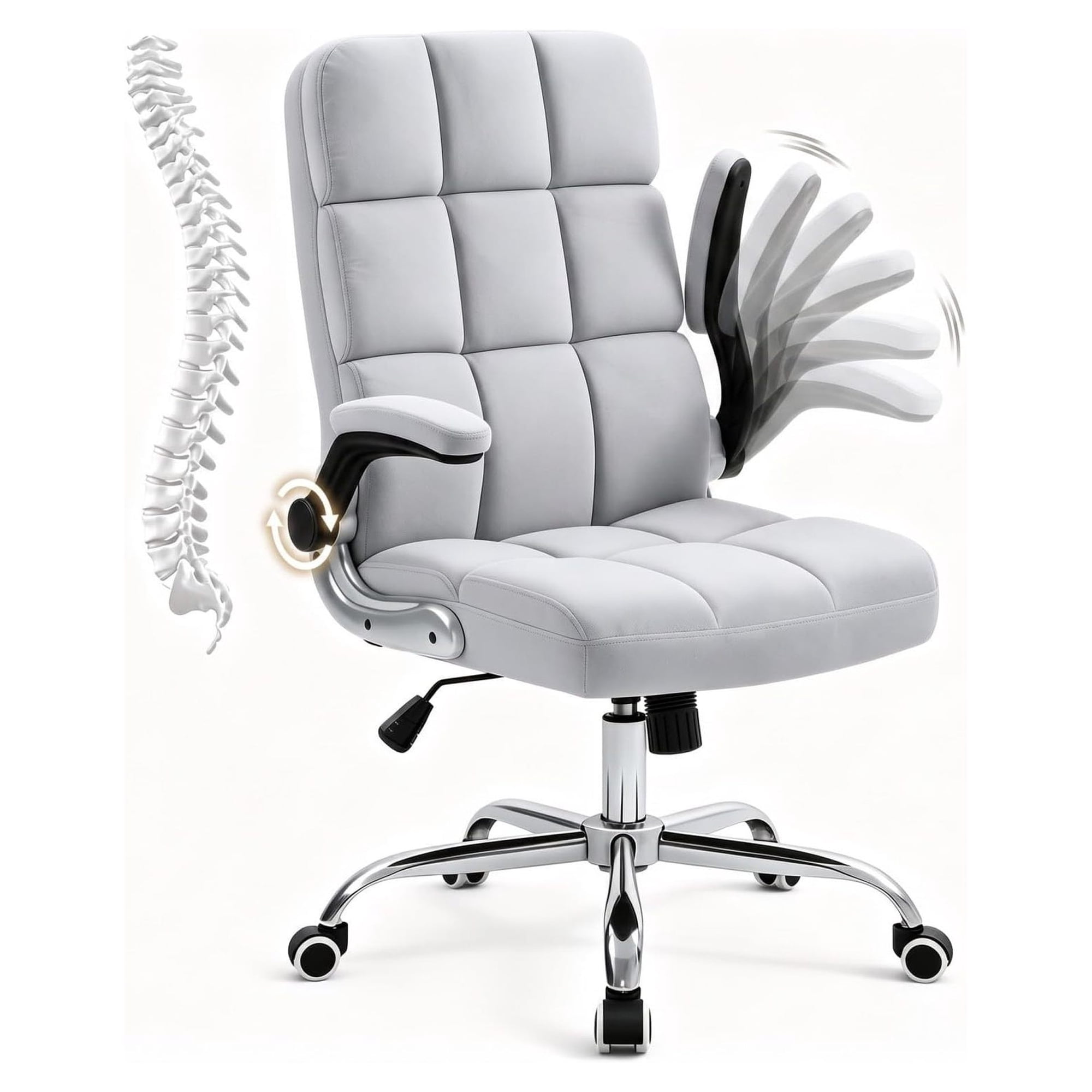
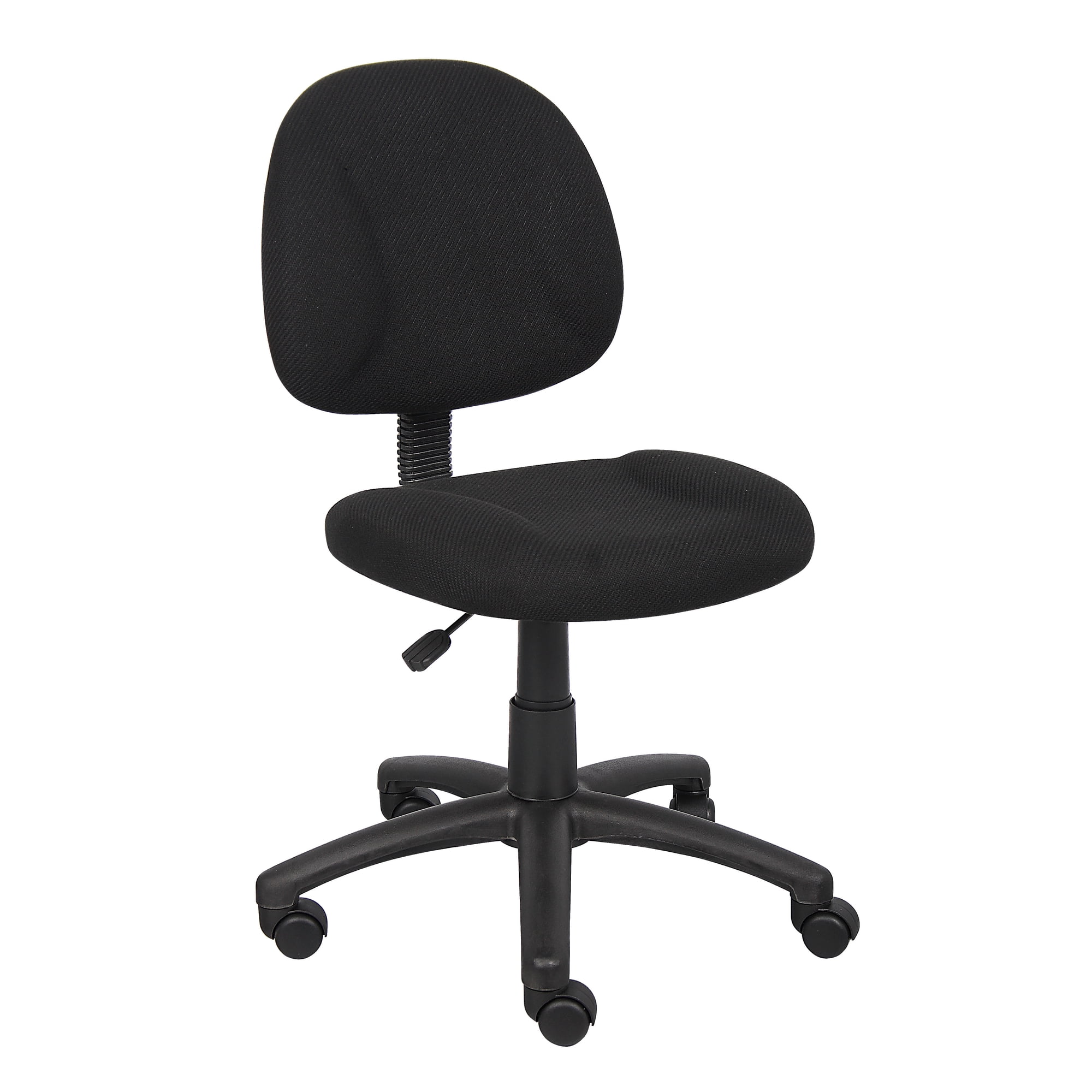
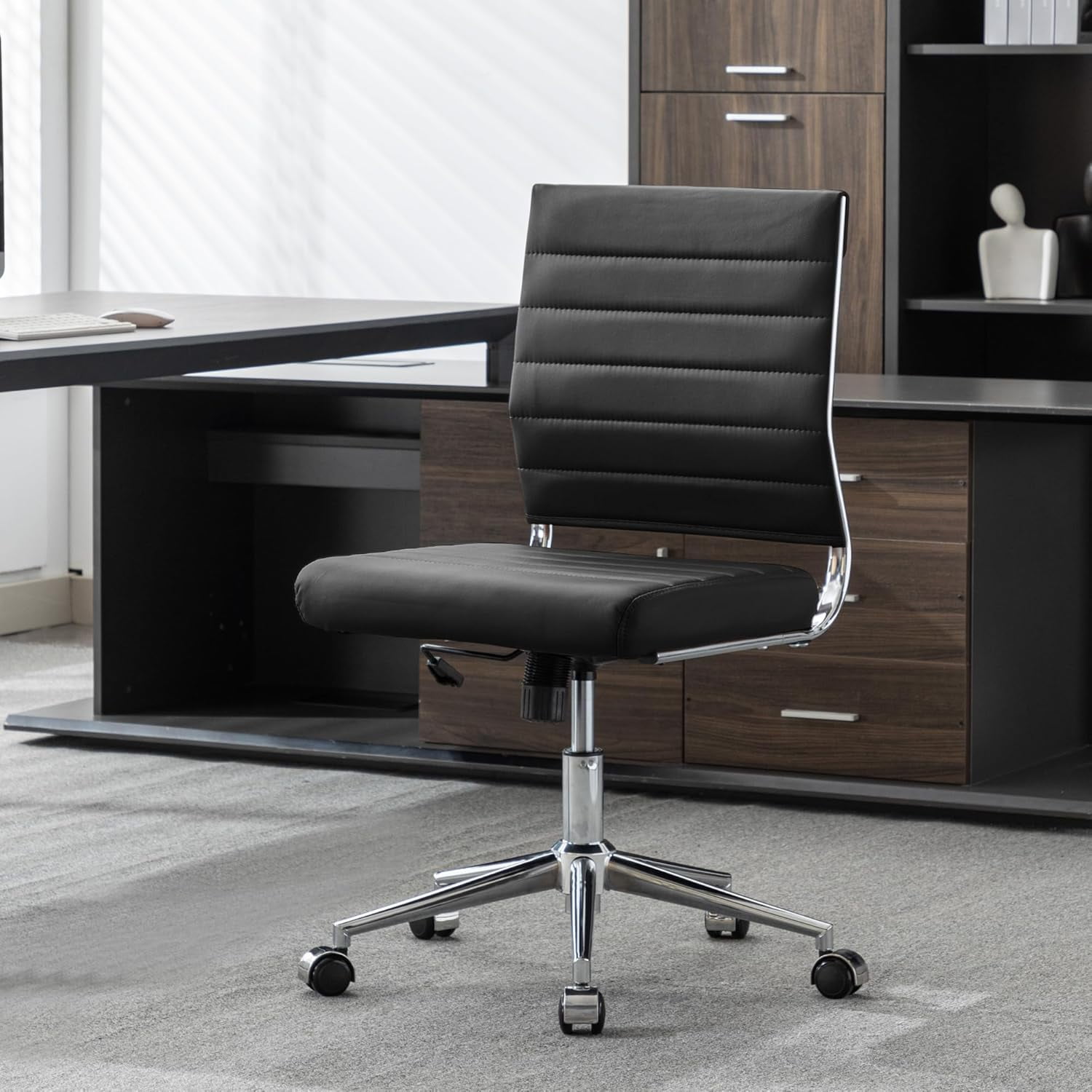
Freedom to Move: The Complete Guide to Office Chairs Without Handles
In the world of office seating, armrests are often seen as a non-negotiable feature. But for a growing number of professionals, the office chair without handle—better known as the armless office chair—is becoming the preferred choice. Think of it as the "minimalist sneaker" of office furniture: it strips away the unnecessary to provide pure, unadulterated functionality and freedom.
Whether you're working in a compact home office, need to slide your chair completely under your desk, or simply want to give your shoulders room to breathe, an armless chair could be your ideal ergonomic solution. This guide will delve deep into the world of chairs without arms, helping you understand their benefits and choose the perfect one for your needs.
Ergonomic Insight: According to a study published in the journal "Applied Ergonomics," fixed or poorly adjusted armrests can actually contribute to shoulder and neck discomfort. By removing them, an office chair without handle allows for a more natural arm position, particularly beneficial for tasks like typing, drawing, or using a mouse for extended periods.
Why Go Armless? Key Benefits of Chairs Without Armrests
Choosing an armless chair isn't about sacrificing comfort; it's about redefining it for specific scenarios. Here are the primary advantages:
- Unrestricted Movement: Without armrests, your arms and elbows can move freely. This is a game-changer for artists, musicians, or anyone who frequently reaches across their desk.
- Space-Saving Design: An armless office chair has a smaller footprint. The most significant benefit is the ability to tuck it completely under your desk when not in use, freeing up valuable floor space in small rooms or apartments.
- Universal Fit: Armrests can sometimes dig into the thighs or feel too wide for people with smaller frames. An armless design ensures a comfortable fit for a wider range of body types, as the seat width is the only limiting factor.
- Promotes Better Posture for Some: Armrests can encourage slouching or leaning to one side. Without them, your core muscles may engage more naturally to keep you upright, potentially leading to better spinal alignment over time.
- Versatility and Compatibility: They are incredibly easy to pair with adjustable-height desks and fit into workspaces with built-in desk armrests or keyboard trays.
Who Is an Armless Chair Perfect For?
The office chair without handle isn't for everyone, but it's the perfect fit for several user profiles:
- The Small Space Dweller: If you're working from a corner of your bedroom or a tiny apartment, the ability to push the chair completely under the desk is a lifesaver. It instantly makes the room feel larger.
- The Creative Professional: Graphic designers, video editors, and architects who use drawing tablets or need a wide range of motion for their arms will find armless chairs liberating.
- The Multi-Tasker: If you frequently swivel between different workstations (e.g., a computer and a side table), the absence of armrests makes this movement seamless.
- The Individual with Specific Shoulder Issues: For those who find that armrests push their shoulders up towards their ears, causing tension, an armless design allows the shoulders to rest in a natural, neutral position.
Key Features to Look For: What to Prioritize
Since you're forgoing armrests, the other features of the chair become even more critical. Here’s what to scrutinize when shopping:
| Feature | Why It's Crucial | What to Look For |
|---|---|---|
| Seat Comfort & Contour | The seat is your primary point of contact. It must provide ample cushioning and support without armrests to lean on. | High-density foam (2.5-4 inches thick), a contoured seat pan that cradles your thighs, and a waterfall edge to prevent circulation issues. |
| Lumbar Support | Without armrests to help stabilize your torso, a good lumbar support system is vital for maintaining the natural 'S' curve of your spine. | Look for chairs with built-in, adjustable lumbar support. Some models offer a separate, contoured backrest that naturally promotes good posture. |
| Backrest Height | The backrest provides upper body support. You'll rely on it more without armrests. | Mid-back chairs offer good lumbar and lower back support. High-back chairs provide additional support for the shoulders and upper back, which can be a good substitute for armrests. |
| Base & Casters | A stable base is non-negotiable. You'll want smooth movement to compensate for the lack of armrests when maneuvering. | A heavy-duty 5-star base (nylon or metal) and high-quality casters suited for your floor type (e.g., roller-blade wheels for carpets, soft rubber for hardwood). |
| Weight Capacity | This is a direct indicator of the chair's overall build quality and durability. | Look for a minimum capacity of 250-300 lbs to ensure a sturdy, long-lasting frame, even if you weigh less. |
Armless vs. Armrests: A Quick Comparison
To help you decide, here’s a simple way to compare the two:
Armless Chairs
Pros: Maximum freedom, space-saving, better for small frames, encourages core engagement.
Cons: No arm support for resting, may lead to arm fatigue for some, fewer adjustment options.
Chairs with Arms
Pros: Provides arm and shoulder rest, reduces pressure on spine, helps with sitting down/standing up.
Cons: Takes up more space, can limit movement, poorly adjusted arms can cause poor posture.
Material Matters: Choosing the Right Upholstery for Your Armless Chair
The material of your office chair without handle will dictate its comfort, look, and longevity. Here’s a breakdown to help you choose:
Mesh Armless Chairs
Advantages
- Breathability: Keeps you cool during long work hours.
- Modern Look: Sleek and professional aesthetic.
- Resilience: High-quality mesh conforms to your back without sagging permanently.
Limitations
- Comfort: Can feel firm if not combined with adequate padding on the seat.
- Cleaning: Dust and debris can get trapped in the weave.
Fabric Armless Chairs
Advantages
- Softness & Warmth: Comfortable and inviting, especially in cooler climates.
- Variety: Available in countless colors, patterns, and textures.
- Quiet: No squeaking or creaking like some leathers.
Limitations
- Staining: Prone to absorbing spills.
- Wear & Tear: Can show wear, pilling, or fading over time.
- Allergens: Can trap dust mites and pet dander.
Faux Leather / PU Leather Armless Chairs
Advantages
- Aesthetics: Offers a sleek, executive look at a fraction of the cost of real leather.
- Easy Cleaning: Wipes clean easily with a damp cloth.
- Durability: Modern PU leather is quite resistant to cracking and peeling.
Limitations
- Breathability: Can get hot and sticky after prolonged use.
- Longevity: May not last as long as high-quality fabric or genuine leather.
Your 4-Step Guide to Finding the Perfect Office Chair Without Handle
Follow this simple guide to make an informed decision that fits your body and workspace perfectly.
Assess Your Workspace & Habits
Measure your desk height and clearance. Ensure you can comfortably slide the armless chair underneath. Consider your daily tasks: do you need freedom for creative work (go armless) or do you often find yourself resting your arms while reading (maybe reconsider arms)?
Prioritize Seat Comfort & Support
Since you won't have armrests, the seat is king. Sit on it if possible, or read detailed reviews about the foam density and seat contour. Look for terms like "high-density foam" and "waterfall edge." Ensure the seat depth allows you to sit with 2-3 fingers of space between the back of your knee and the seat pan.
Check Back Support & Adjustability
Your backrest is your new best friend. Prioritize chairs with adjustable or prominent lumbar support. If you're taller, a high-back model will provide much-needed upper back support. Tilt tension adjustment is also a plus, allowing you to recline comfortably.
Verify Build Quality & Mobility
Look for a robust base and smooth-rolling casters. A chair that doesn't move easily will be frustrating without armrests to help you push off. Check the weight capacity—a higher number almost always means a stronger, more durable chair. Choose casters appropriate for your floor (hardwood vs. carpet).
Frequently Asked Questions About Armless Office Chairs
Conclusion: Is an Armless Chair Right for Your Office?
The office chair without handle is a specialized tool that excels in the right environment. It's not a compromise, but a strategic choice for those who value freedom of movement, space efficiency, and a minimalist aesthetic. If you find yourself feeling confined by traditional armrests or need to maximize every square inch of your workspace, an armless chair could be the perfect upgrade.
Remember to prioritize seat comfort and lumbar support above all else. By focusing on these key areas and following our selection guide, you can find an armless chair that not only fits your space but also supports your body for years of productive and comfortable work.