
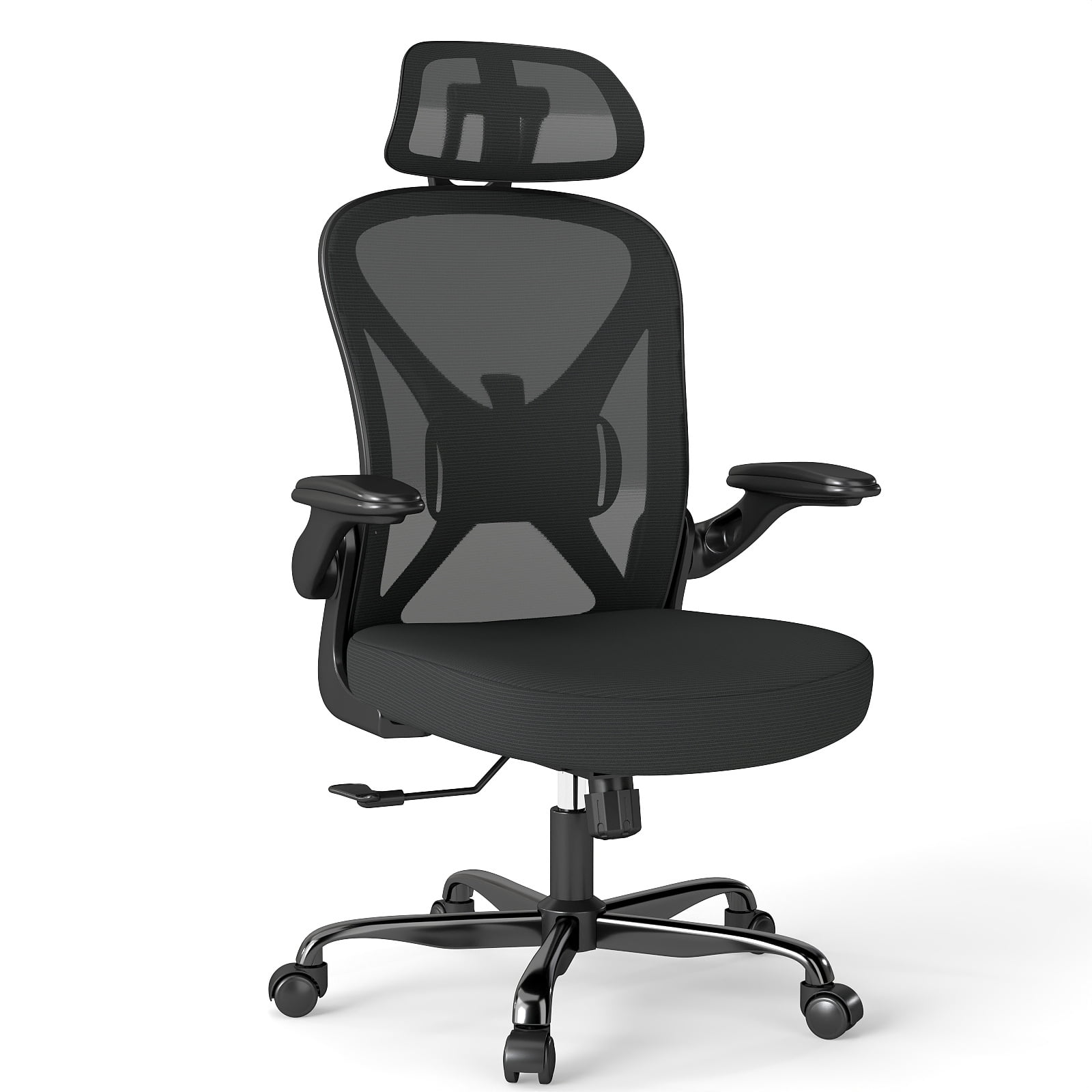
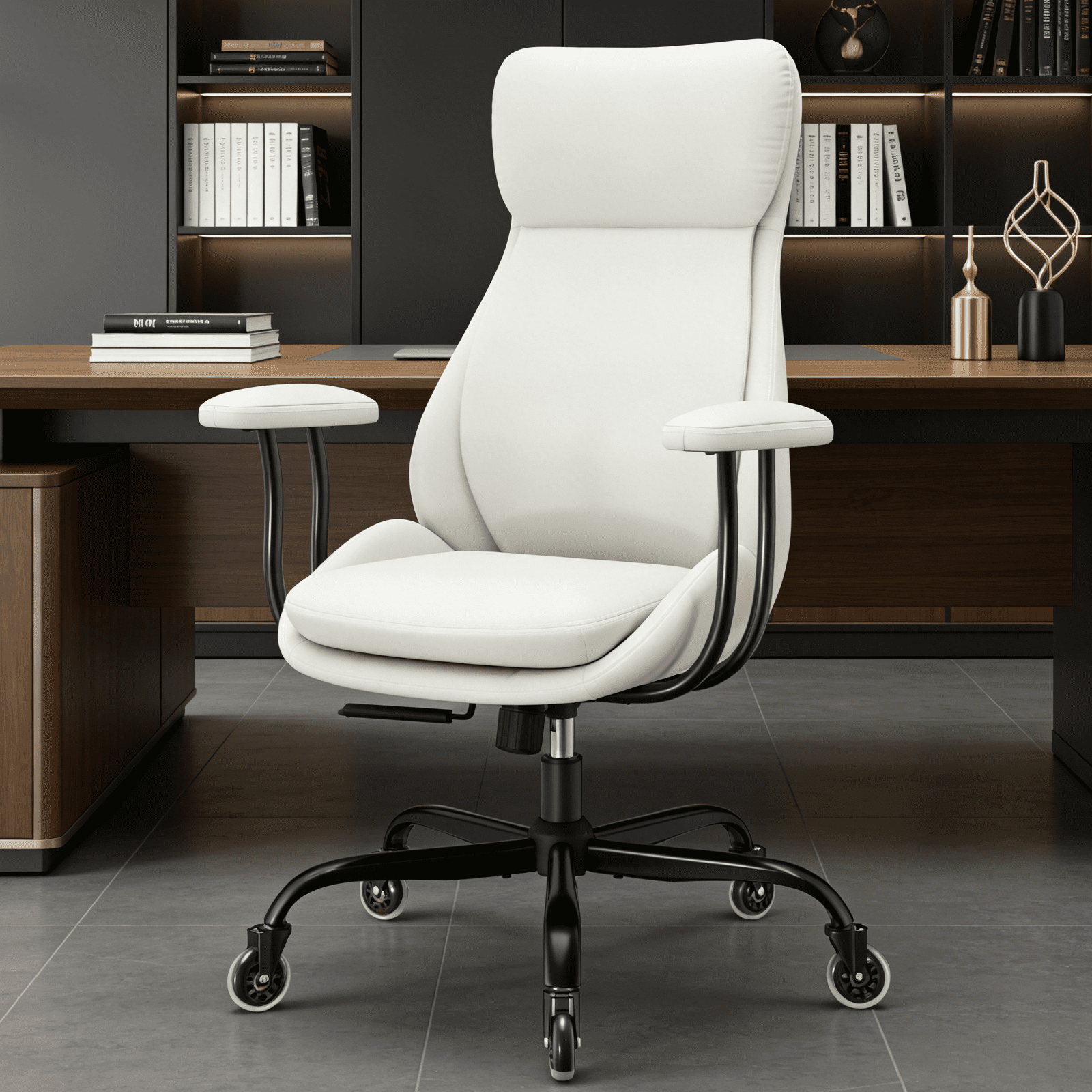
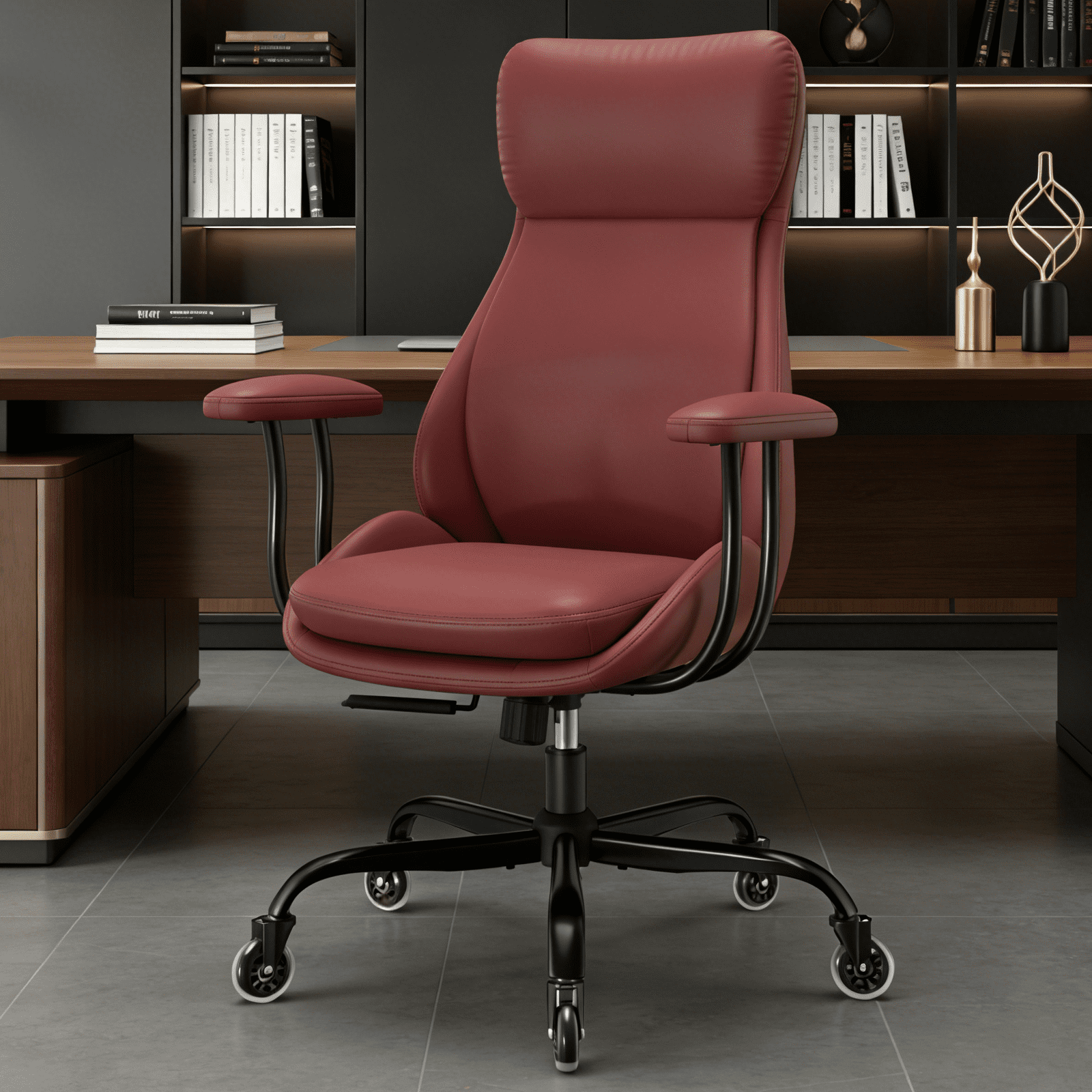
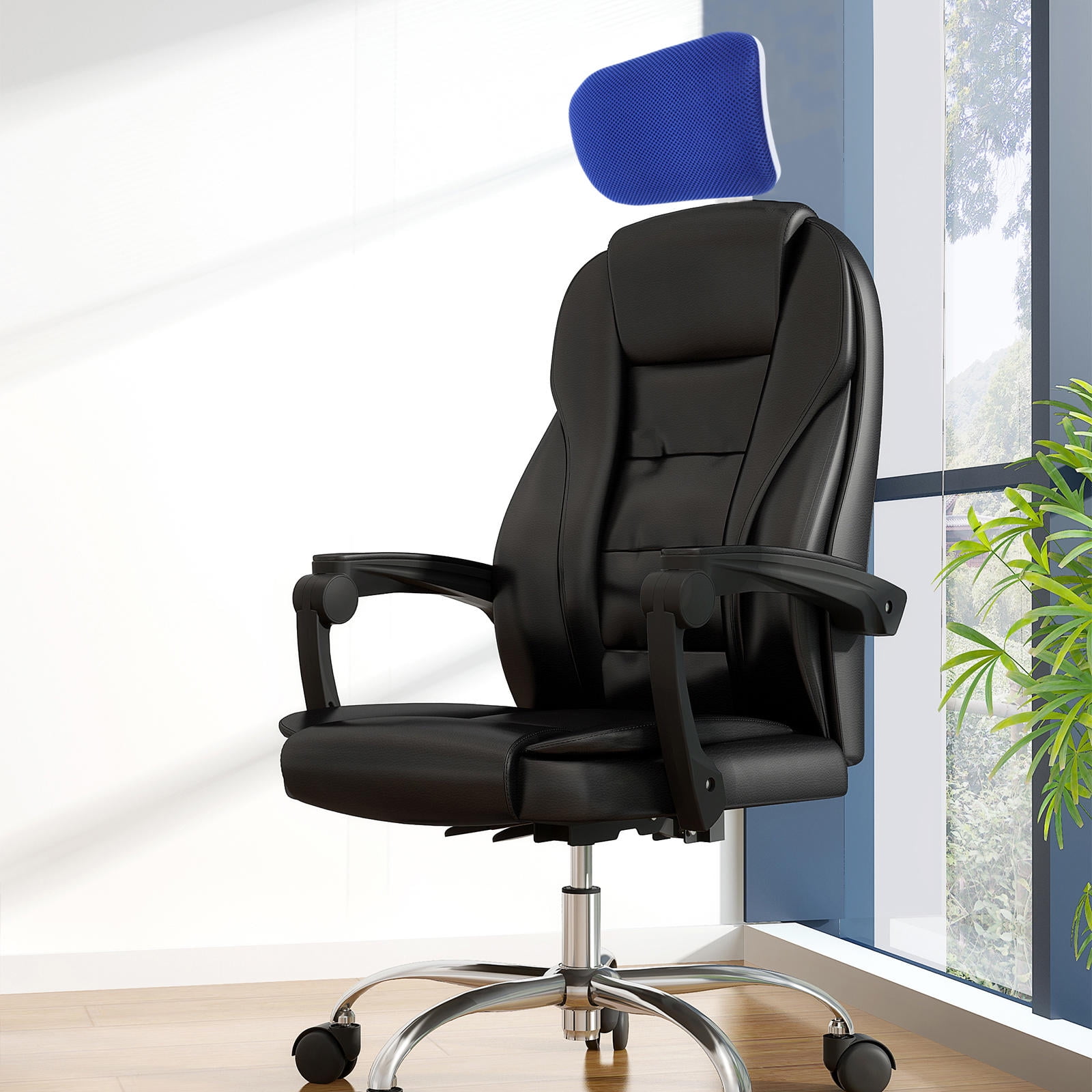
Why Head Support Transforms Your Office Chair Experience
Imagine working a full day without that dull ache at the base of your skull. An office chair with head support does more than just look executive—it actively supports the cervical spine, allowing neck muscles to relax. According to the American Chiropractic Association, nearly one-third of office workers report neck pain, often linked to inadequate head support. Adding a proper headrest can reduce muscle tension by up to 40%, based on posture studies.
Ergonomic insight: Your head weighs about 10 to 12 pounds. For every inch it shifts forward, the load on your neck muscles doubles. A well-designed headrest helps keep your head aligned with your shoulders, cutting that load dramatically.
Key Benefits of Using a Chair with Head Support
What to Look for in a Headrest Mechanism
Not all head supports are created equal. The best office chairs with head support offer multi-directional adjustability. Here’s a breakdown of adjustment types:
- 2D headrest: height + angle tilt – basic but effective for most users.
- 3D headrest: height, angle, and forward/backward depth – ideal for precise neck positioning.
- 4D headrest: adds width adjustment or curvature – rare but premium.
- Synchronized movement: headrest tilts automatically as you recline – luxurious and intuitive.
Material & Construction: Headrest Edition
The material covering the headrest affects both comfort and hygiene. Let's compare common options:
Mesh head support
- ✔ Excellent breathability – no sweaty neck
- ✔ Lightweight and modern look
- ✔ Easy to clean with a damp cloth
- ✘ May feel firmer than padded materials
Leather / PU headrest
- ✔ Soft, premium feel against skin
- ✔ Wipes clean easily
- ✔ Often matches executive aesthetics
- ✘ Can get sticky in hot environments
Fabric / velour
- ✔ Warm and cozy texture
- ✔ Available in many colors
- ✘ May absorb sweat and odors
- ✘ Harder to clean thoroughly
Memory foam with cooling gel
- ✔ Conforms to neck shape
- ✔ Reduces pressure points
- ✔ Often used in premium chairs
- ✘ Usually covered by mesh or leather
Who Benefits Most from a Headrest Chair?
While anyone can appreciate extra neck support, these profiles find it indispensable:
- Tall individuals: Standard chair backs often stop mid-shoulder; a headrest bridges the gap.
- People with neck/shoulder tension: Office workers prone to stiffness or migraines.
- Multi-taskers who recline: If you tilt back while on the phone or thinking, a headrest keeps your neck aligned.
- Gamers or remote workers: Long sessions demand complete ergonomic support.
Ergonomics 101: Headrest Height Adjustment
Proper positioning is everything. When seated upright, the headrest should contact the base of your skull (the occipital bone), not the middle of your head. This allows you to maintain a neutral neck curve. If the headrest pushes your head forward, it’s either too low or angled incorrectly.
- Sit with your back against the chair, shoulders relaxed.
- Adjust the headrest height so the center of the pad aligns with the back of your skull, just above the neck.
- Tilt the pad slightly forward (if possible) to make gentle contact without pushing your head forward.
- Test while reclining 10–15 degrees: the headrest should still support without straining.
Office Chair with Head Support vs. Separate Headrest Attachments
You might wonder whether to buy a chair with an integrated headrest or retrofit your current chair. Here’s a quick comparison:
| Factor | Integrated headrest | Universal add-on headrest |
|---|---|---|
| Stability | Excellent – engineered for the chair | Can wobble or slip over time |
| Aesthetics | Seamless design | May look like an afterthought |
| Adjustability | Often 2D-4D built-in | Usually limited to angle/height |
| Cost | Higher initial investment | $30–$100, cheaper entry |
For long-term comfort and durability, investing in a dedicated office chair with head support is usually the smarter choice, especially if you spend 6+ hours daily at your desk.
Myths About Headrests in Office Chairs
- “Headrests are only for sleeping at work.” Actually, a headrest supports your neck during micro-adjustments and prevents leaning forward.
- “They force your head forward.” Only if misadjusted. A quality headrest lets you set the depth.
- “Mesh headrests are always better.” Preference varies: some love mesh’s coolness, others want plush padding.
Data Snapshot: Impact on Productivity
A study by the International Journal of Industrial Ergonomics found that workers using chairs with complete upper-body support (including headrest) reported 27% less discomfort and a 15% increase in self-rated productivity by the end of the week. Less pain means fewer distractions and better output.
Frequently Asked Questions: Office Chair with Head Support
Conclusion: Prioritize Your Neck Health
An office chair with head support is not a luxury—it’s an ergonomic necessity for anyone prone to neck fatigue. By choosing a model with adjustable headrest, breathable material, and solid lumbar support, you create a workstation that works with your body, not against it. Explore our top affiliate picks above to find a chair that keeps you comfortable, focused, and pain-free.