
Why "Support" is the Most Important Feature in Your Office Chair
Imagine your spine is a delicate suspension bridge. Now, imagine sitting for eight hours in a chair that offers no support—it's like letting the cables on that bridge go slack. The result? Strain, misalignment, and eventually, pain. An office chair with support acts as the tension system for that bridge, keeping everything aligned and functioning smoothly. It’s the difference between leaving work feeling energized versus feeling like you've run a marathon in bad shoes.
For the millions of Americans working desk jobs, the search for the right seating is not just about comfort; it's about long-term health. According to the American Chiropractic Association, back pain is one of the most common reasons for missed work and the single leading cause of disability worldwide. A staggering 80% of the population will experience a back problem at some point in their lives. Many of these issues are exacerbated, or even caused, by prolonged sitting in unsupportive chairs. This guide is designed to help you navigate the world of supportive seating, ensuring your next purchase is an investment in your well-being.
Deconstructing Support: What Does an "Office Chair with Support" Actually Do?
When we talk about support, we're not just referring to a cushy seat. True support is an active, dynamic system that works with your body. Let's break down the key components that separate a simple seat from a therapeutic tool.
1. The Hierarchy of Lumbar Support: From Basic to Brilliant
Lumbar support is the cornerstone of any good chair. But not all lumbar support is created equal. Think of it in three tiers:
- Level 1: Static (Built-in) Lumbar. This is a fixed curve in the backrest. It's better than nothing, but because spines come in all shapes and sizes, it often hits the wrong spot—either too high or too low.
- Level 2: Adjustable (Height/Air). This allows you to move the support up or down to fit the natural curve of your spine. Some higher-end models use an air bladder that you can inflate to increase the depth of the support. This is the sweet spot for most people.
- Level 3: Dynamic Lumbar Support. This is the gold standard. The lumbar mechanism moves and flexes with you as you shift positions, providing continuous support whether you're leaning forward to type or reclining to think. It’s like having a personal assistant for your spine.
2. The Seat Pan: Your Foundation for Support
The seat pan is where your support journey begins. A common mistake is choosing a seat that’s too deep. If the edge of the seat hits the back of your knees, it cuts off circulation and forces you to slouch to reach the backrest. A supportive chair offers seat depth adjustment. This allows you to slide the pan forward or backward so you can sit with 2-4 finger widths of space between the back of your knee and the seat edge. This simple adjustment ensures your thighs are fully supported and your back can actually reach the lumbar support.
3. Backrest Height and Recline: Support in Motion
A supportive backrest doesn't force you into one rigid position. The healthiest sitting is dynamic—meaning you move. Look for a chair with a synchronized recline mechanism. This means the backrest and seat tilt at a ratio (often 2:1 or 3:1), keeping you supported and stable while allowing you to recline. This movement pumps fluid through your spinal discs, keeping them nourished and healthy. For upper back support, consider a high-back chair that supports the entire spine and shoulders, especially if you're tall.
4. The Supporting Cast: Armrests and Headrests
Support isn't just for your back. Your arms and neck need it too.
- Armrests (4D Adjustability): Think of armrests as the supports for your shoulders. If they're too high, your shoulders hunch. Too low, and you lean to one side. The best supportive chairs offer 4D armrests—adjustable in height, width, depth, and angle. This lets you park them perfectly so your elbows stay at a 90-degree angle, taking the load off your upper back and neck.
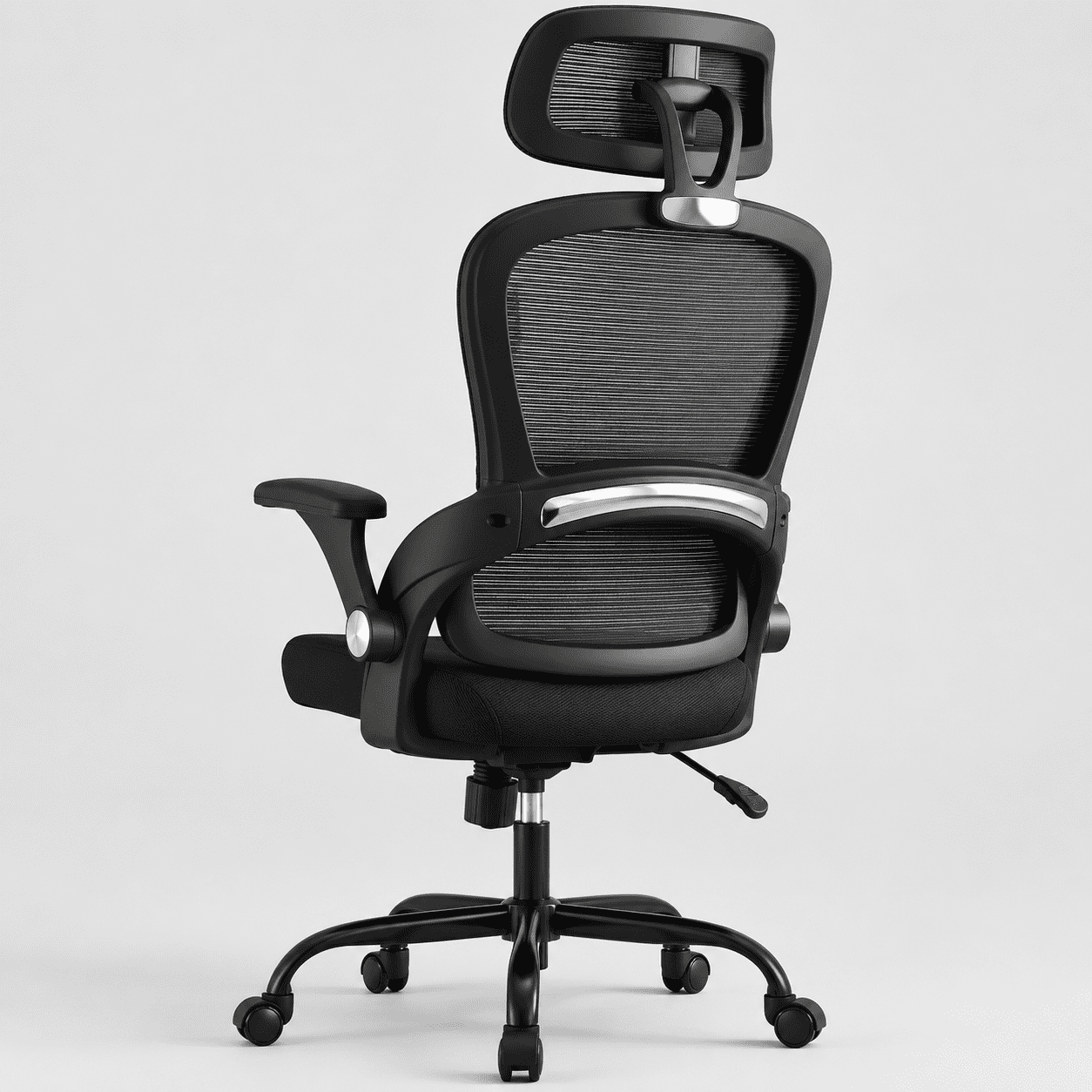
- Headrests: For anyone who leans back during calls or deep thought, a headrest is non-negotiable. It supports the cervical spine, preventing "text neck" and tension headaches. The key is adjustability—a headrest that moves up/down and tilts can be positioned to support the curve of your neck, not jut into the back of your skull.
✅ The "Passive" Support Trap
Chairs with lots of soft padding might feel great for the first 20 minutes, but over hours, they allow your body to sink into poor posture. This is passive support—it just absorbs you. It can lead to the "marshmallow" effect where your muscles have to work harder to stabilize you.
⚡ The "Active" Support Advantage
A truly supportive chair uses firmer, contoured foam and adjustable mechanisms. This is active support—it gently guides you into a healthy posture and provides resistance points that allow your muscles to relax. You feel held, not just swallowed.
Material Science: How Upholstery Affects Support
The material covering your chair does more than just look good; it plays a role in how supported you feel.
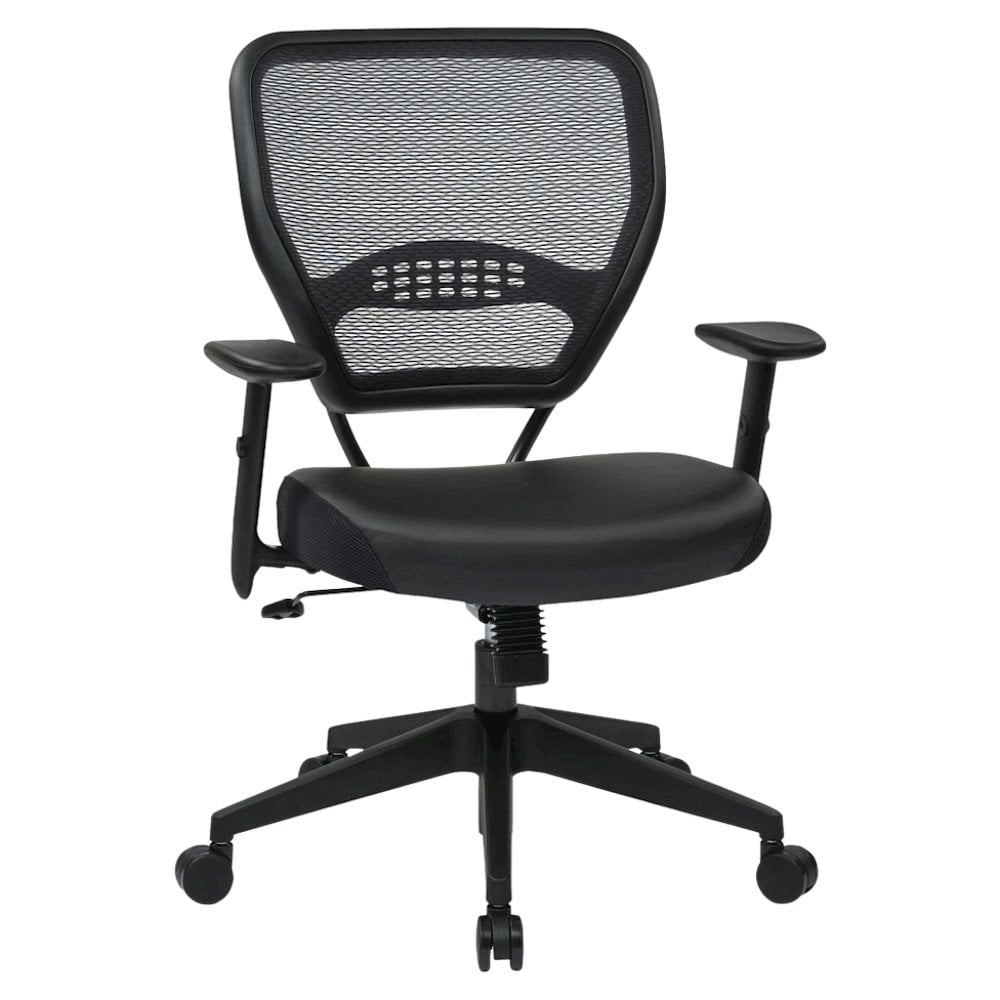
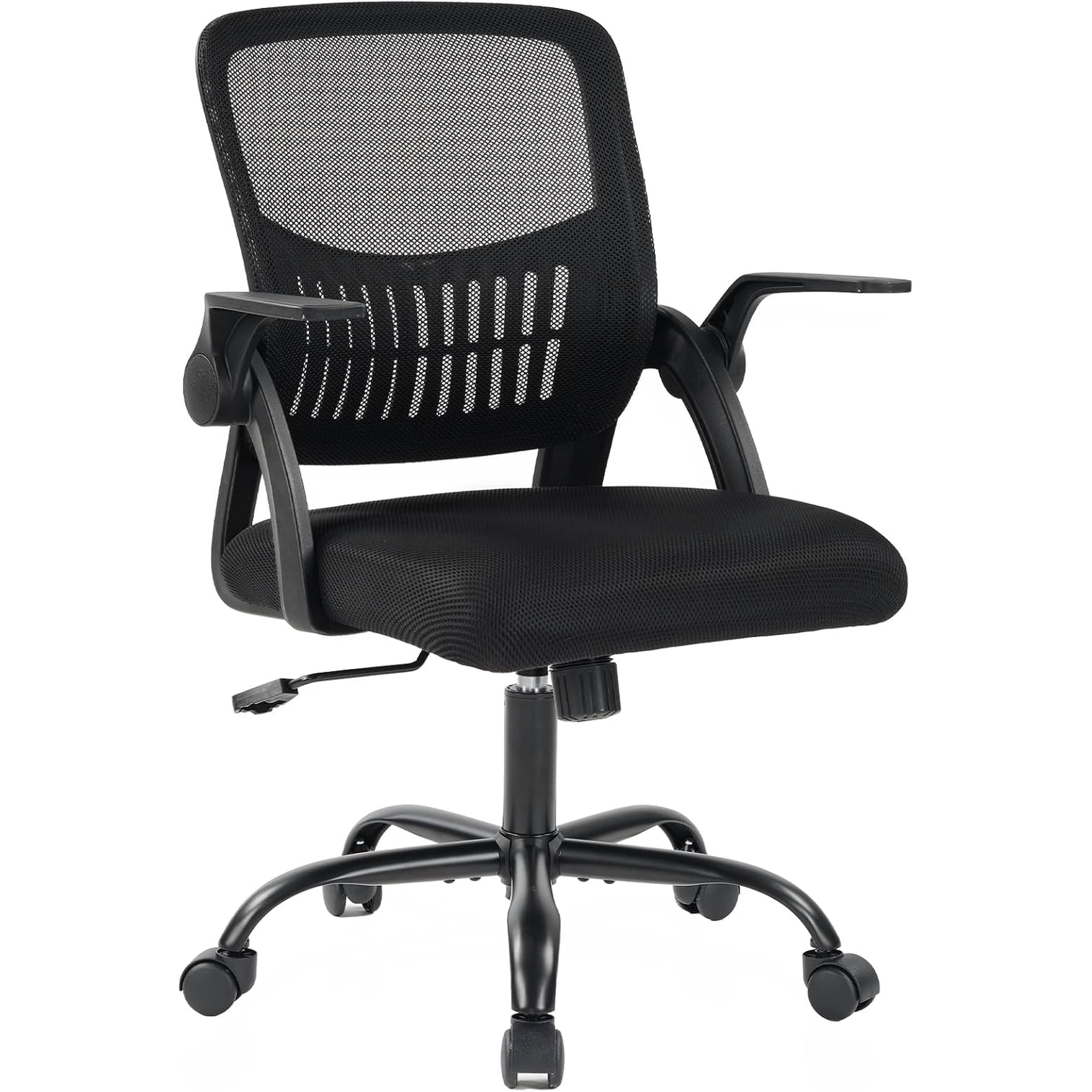
- High-Quality Mesh: This is a top choice for support because it's breathable and provides "zonal tension." Different weaves in different parts of the backrest can offer firm support in the lumbar region and more flexibility in the upper back. It conforms to your shape without sagging.
- Performance Fabric: Modern woven fabrics are incredibly durable and can be engineered to have specific levels of give. They offer a warmer, softer feel than mesh while still providing structured support, especially when paired with high-density foam.
- Leather (Genuine & Premium): Leather offers a firm, stable support surface. It doesn't conform as much as fabric initially, but high-quality leather paired with dense foam provides a "cradled" feeling. It's excellent for a professional aesthetic and is very durable, but can be less breathable in warm climates.
The Price-to-Support Ratio: What Your Money Buys
You don't have to spend a fortune, but understanding where your money goes helps you prioritize.
| Price Range | Typical Support Features | Who It's For |
|---|---|---|
| Under $200 | Static lumbar padding, limited seat height adjustment, basic foam. | Occasional use (less than 4 hours/day), guest chairs, students. |
| $200 - $500 | Adjustable lumbar (height only), better foam density, possibly adjustable arms. | Full-time desk workers on a budget; good entry-level ergonomics. |
| $500 - $1,200 | Multi-dimensional lumbar (height & depth), 4D armrests, synchronized recline, premium mesh or fabric. | The "sweet spot" for most professionals seeking significant health benefits and durability. |
| $1,200+ | Dynamic lumbar, fully customizable adjustments, premium materials (leather, aerospace-grade mesh), extended warranties. | Executives, those with chronic pain, or anyone wanting the absolute best in long-term support and luxury. |
Frequently Asked Questions About Supportive Office Chairs
Conclusion: Your Back is Your Most Valuable Asset
Choosing an office chair with support is one of the most important decisions you can make for your professional life and personal health. It’s easy to get distracted by aesthetics or a low price tag, but remember that you're not just buying a piece of furniture—you're buying the foundation for thousands of hours of work. Prioritize adjustability, look for chairs that offer active support through quality materials and mechanisms, and don't be afraid to invest in a model that will keep your "suspension bridge" standing strong for years to come. A chair that truly supports you doesn't just make your workday more comfortable; it helps ensure you can enjoy your life outside the office, pain-free.