
Why an Adjustable Ergonomic Office Chair is a Game-Changer
Imagine a chair that learns your body — not the other way around. That's the promise of a premium ergonomic office chair adjustable. Unlike standard office chairs that force you into a rigid posture, adjustable models offer fine-tuned personalization: from lumbar curve and seat depth to armrest height and tilt tension. According to ergonomic research, workers using fully adjustable chairs report 58% less back pain and 37% higher productivity compared to those using non-adjustable alternatives. For remote professionals, executives, and hybrid workers, this isn't a luxury — it’s a necessity for long-term well-being.
Ergonomics Insight: A 2023 study in the Journal of Workplace Health found that adjustable chairs with at least five independent control points reduce musculoskeletal complaints by 62% over a 12-month period. The key is knowing how to use those adjustments correctly.
Core Adjustments That Redefine Comfort
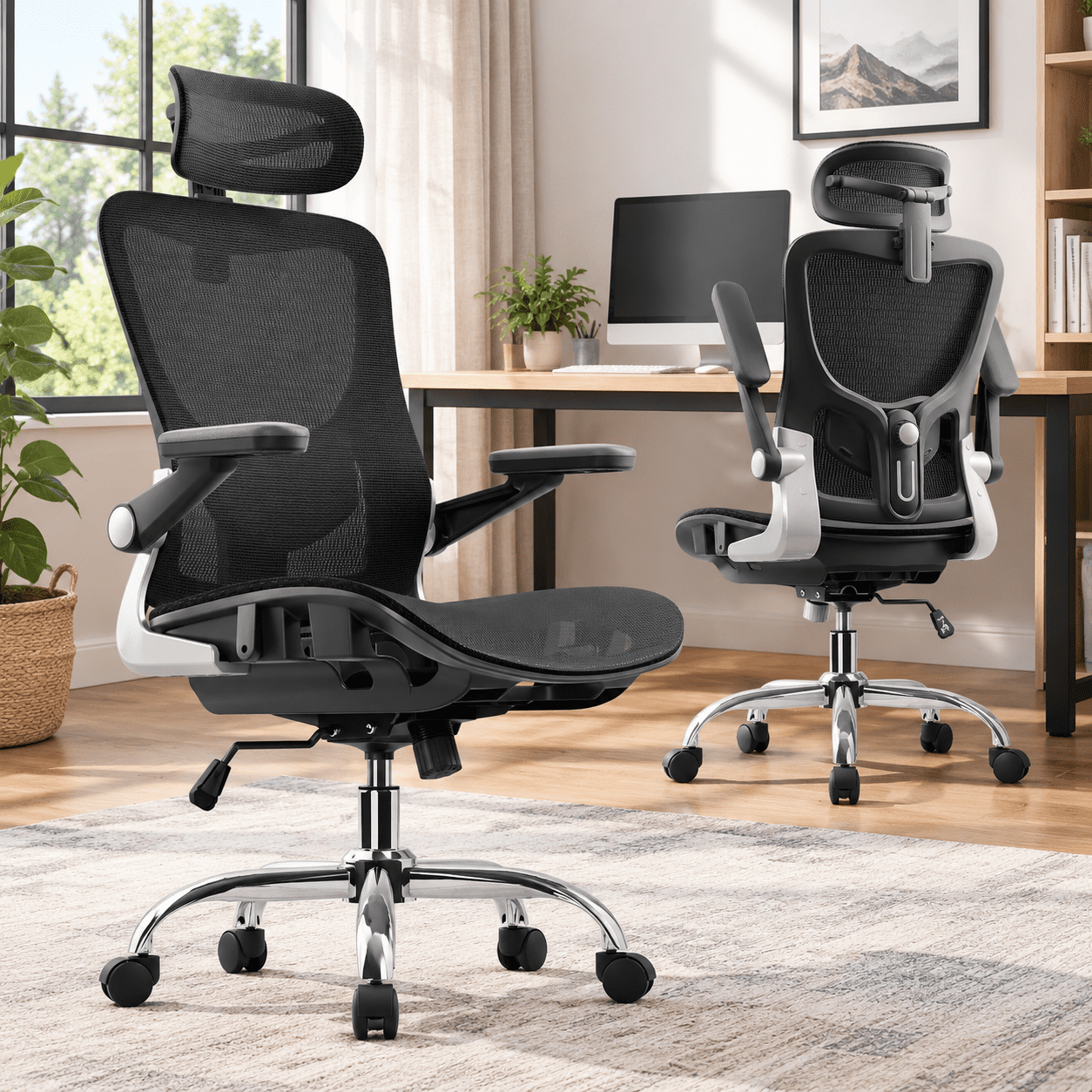
Not all "adjustable" chairs are created equal. To maximize health benefits, ensure your ergonomic chair includes these essential adjustability features:
1. Seat Height Adjustment (Pneumatic)
Your feet should rest flat on the floor with thighs parallel. A gas lift mechanism allows quick height changes to match your desk and body proportions. Look for chairs with at least 4-5 inches of vertical range.
2. Dynamic Lumbar Support
Static lumbar pads are outdated. Premium adjustable chairs offer height, depth, and sometimes tension control for the lower back curve. This ensures the lumbar support hits the natural inward curve of your spine, reducing disc pressure.
3. Seat Depth (Slide Function)
Long or short thighs? Seat depth adjustment prevents the seat edge from cutting into your hamstrings. A good rule: 2-3 finger widths between the seat edge and the back of your knees. This feature is essential for tall and petite users alike.
4. 4D Armrests
Height, width, pivot, and depth adjustments (4D) let you position armrests to support relaxed shoulders and neutral wrists. Proper arm support reduces tension in the neck and upper back, especially during typing.
5. Tilt Tension & Recline Lock
Customizable tilt resistance allows natural rocking motion that engages core muscles and improves circulation. Multi-angle lock mechanisms let you recline at your preferred angle without constantly fighting spring pressure.
6. Headrest Adjustability
For those who recline or suffer from neck strain, a height- and angle-adjustable headrest is invaluable. It supports the cervical spine and encourages a neutral head position during breaks or calls.
Step-by-Step Guide: Setting Up Your Adjustable Ergonomic Chair
Buying a chair with multiple adjustments is only half the battle. Use this simple routine to dial in your perfect setup:
- Step 1: Start with seat height – Raise/lower until your hips are slightly higher than knees, feet flat. Elbows should bend at 90° to the desk surface.
- Step 2: Adjust seat depth – Slide the seat pan until you have a fist’s width (or 2–3 fingers) clearance behind the knees.
- Step 3: Set lumbar support – Position the lumbar curve directly against the small of your back. Adjust pressure/tension until you feel even support without pressure points.
- Step 4: Configure armrests – Raise armrests so your shoulders are relaxed and forearms rest gently. Set width to hip width; pivot inward to support close keyboard tasks.
- Step 5: Tilt tension – Adjust the tension knob so recline feels controlled but not stiff. Engage tilt lock if you prefer a fixed angle.
- Step 6: Fine-tune headrest (if available) – Align so the center supports the back of your skull, not the top of your neck.
Pro tip: Re-evaluate adjustments every few weeks, especially if you change tasks or footwear. Your body’s needs can shift with posture habits — make micro-adjustments part of your routine.
Material & Build Quality: What Lasts?
Adjustability is only as reliable as the chair’s engineering. Look for chairs with Class 4 gas lifts, reinforced steel base, and high-density foam or breathable mesh. Mesh backs offer superior ventilation and contouring, while high-end leather models provide a traditional executive aesthetic. For long-term durability, prioritize chairs with at least a 10-year frame warranty and 3-5 years on moving parts. This ensures your investment in adjustability stands the test of daily use.
Who Benefits Most from an Adjustable Ergonomic Office Chair?
- Remote professionals: Long hours at home require personalized comfort without office restrictions.
- Individuals with existing back pain: Targeted lumbar and seat depth adjustments reduce pressure on sensitive areas.
- Multi-user workstations: In shared spaces, quick adjustability allows different users to customize the chair in seconds.
- Tall & petite users: Standard chairs rarely fit non-average statures; adjustable seat depth, height, and armrests bridge the gap.
- Creative & analytical professionals: Task switching (writing, coding, calls) demands varied postures — a highly adjustable chair supports dynamic movement.
Cost vs. Value: Why Invest in Premium Adjustability?
While entry-level ergonomic chairs start around $200, true full-adjustability (with seat depth, 4D armrests, and dynamic lumbar) typically begins at $600–$800. Premium brands like Steelcase, Herman Miller, and Haworth offer chairs engineered to last 12–15 years, with replacement parts availability. When you factor in healthcare savings (fewer chiropractor visits) and productivity gains, the ROI is compelling. A high-quality ergonomic office chair adjustable often pays for itself within 18 months of improved focus and reduced absenteeism.