
Why Hardwood Floors Need Specialized Chair Wheels
Hardwood floors are an investment in beauty and durability, but they are surprisingly vulnerable to the wrong type of office chair wheels. Standard plastic or hard rubber casters, commonly found on many office chairs, can act like a sheet of sandpaper. Over time, these wheels grind dirt and grit into the delicate wood surface, leaving a trail of micro-scratches, dull spots, and permanent scuff marks that can be expensive to repair.
Industry Insight: Flooring specialists report that up to 78% of hardwood floor damage in home offices is caused by standard office chair casters. Switching to soft polyurethane or rollerblade-style wheels can reduce floor wear by over 90%, preserving the finish and value of your flooring.
Key Differences: Standard Casters vs. Hardwood-Friendly Wheels
Understanding the engineering behind chair wheels helps you make an informed decision that protects both your flooring and your comfort. Here's how they differ:
- Material Composition: Standard wheels use hard nylon or brittle plastic that scratches. Hardwood wheels use soft, elastic polyurethane that glides without abrasion.
- Contact Surface: Thin hard wheels concentrate weight on small points. Premium wheels have a wider contact patch that distributes pressure, preventing dents.
- Rolling Resistance: Cheap casters often stick and jerk, causing strain. Quality wheels roll smoothly with minimal effort.
- Noise Level: Hard wheels create a loud clatter; soft wheels offer near-silent movement, ideal for professional environments.
- Maintenance: Hard wheels trap debris; soft wheels are easier to clean and shed dirt more effectively.
Types of Hardwood-Safe Office Chair Wheels
Rollerblade-Style Wheels
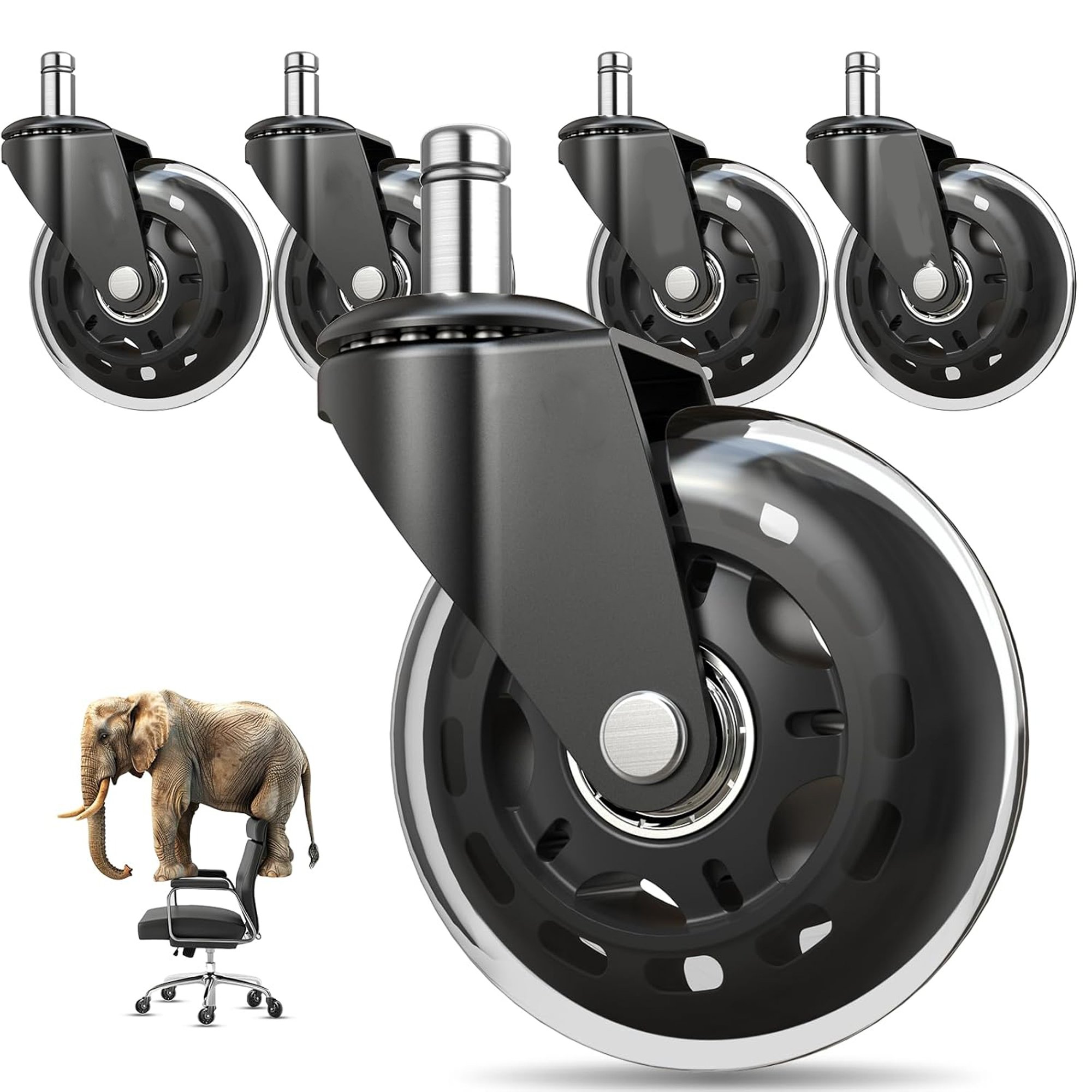
Inspired by inline skate wheels, these feature a wide polyurethane tread and a sturdy dual-bearing system. They offer the ultimate glide, rolling effortlessly over thresholds and rugs, while being incredibly gentle on hardwood.
Soft Polyurethane Casters
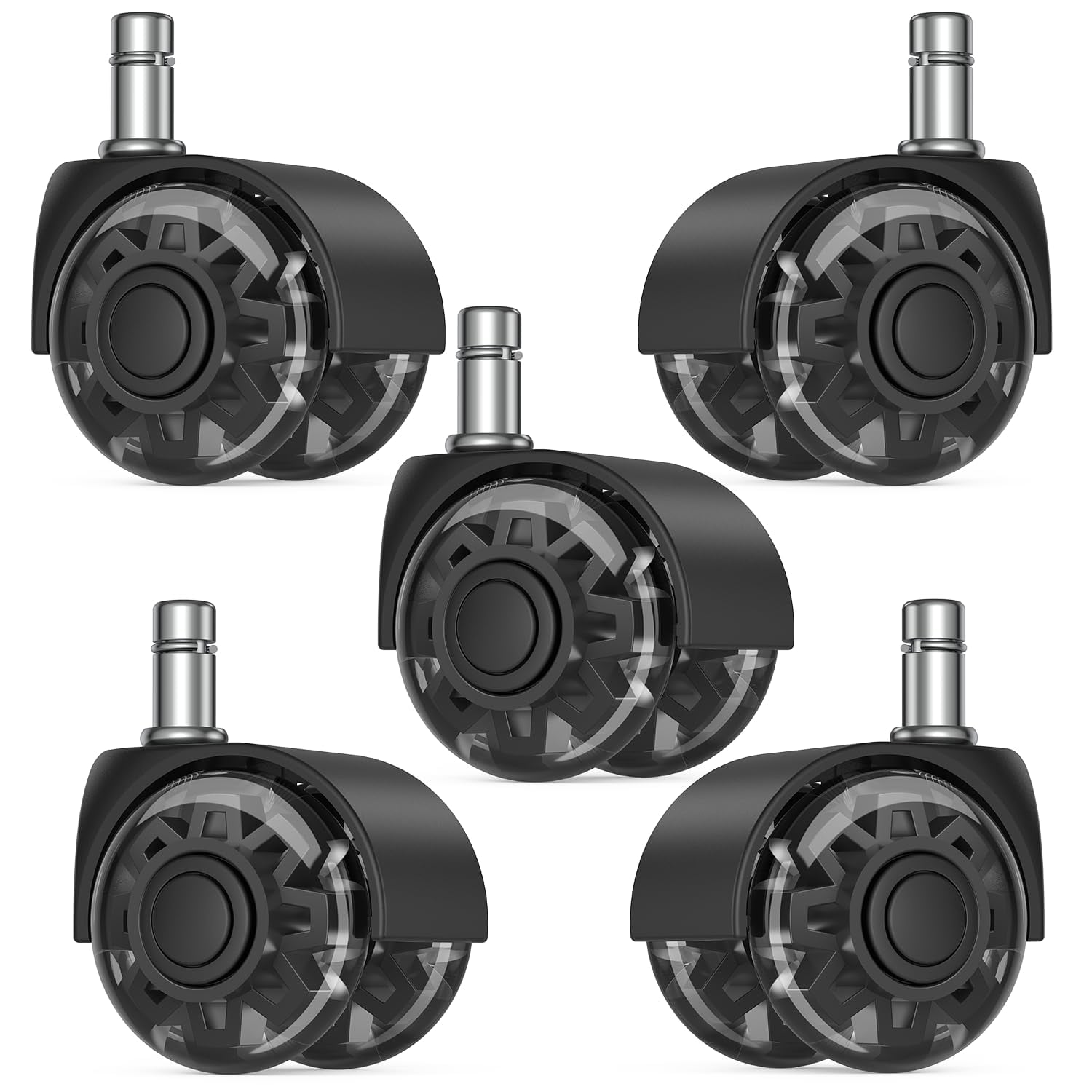
Designed with a thicker, softer outer layer that absorbs impact and glides silently. These are the go-to choice for executives who want a traditional caster look with modern, floor-safe technology.
Locking & Braking Casters
For those who need stability while working, locking casters with soft polyurethane wheels provide the best of both worlds: floor protection and stationary security when needed.
How to Choose the Right Replacement Wheels
Selecting the perfect set of hardwood-friendly wheels involves more than just picking a style. Follow this step-by-step guide to ensure compatibility and performance:
1. Check Your Chair's Stem Type
Most office chairs use a standard 7/16" diameter x 7/8" length stem (grip ring stem). However, some chairs (like those from IKEA or certain high-end brands) use a 10mm or 11mm threaded stem. Pull out one existing wheel and measure the stem to be sure.
2. Determine Wheel Material Preference
If you want effortless gliding and have mostly hardwood, rollerblade-style wheels are excellent. If you have a mix of hardwood and area rugs, soft polyurethane wheels with a slightly larger diameter (2.5" to 3") provide the best versatility.
3. Consider Weight Capacity
Look for wheels with a weight rating that matches or exceeds your combined chair and body weight. High-quality wheels typically support 300-600 lbs, ensuring durability and safety.
4. Evaluate Aesthetics & Color
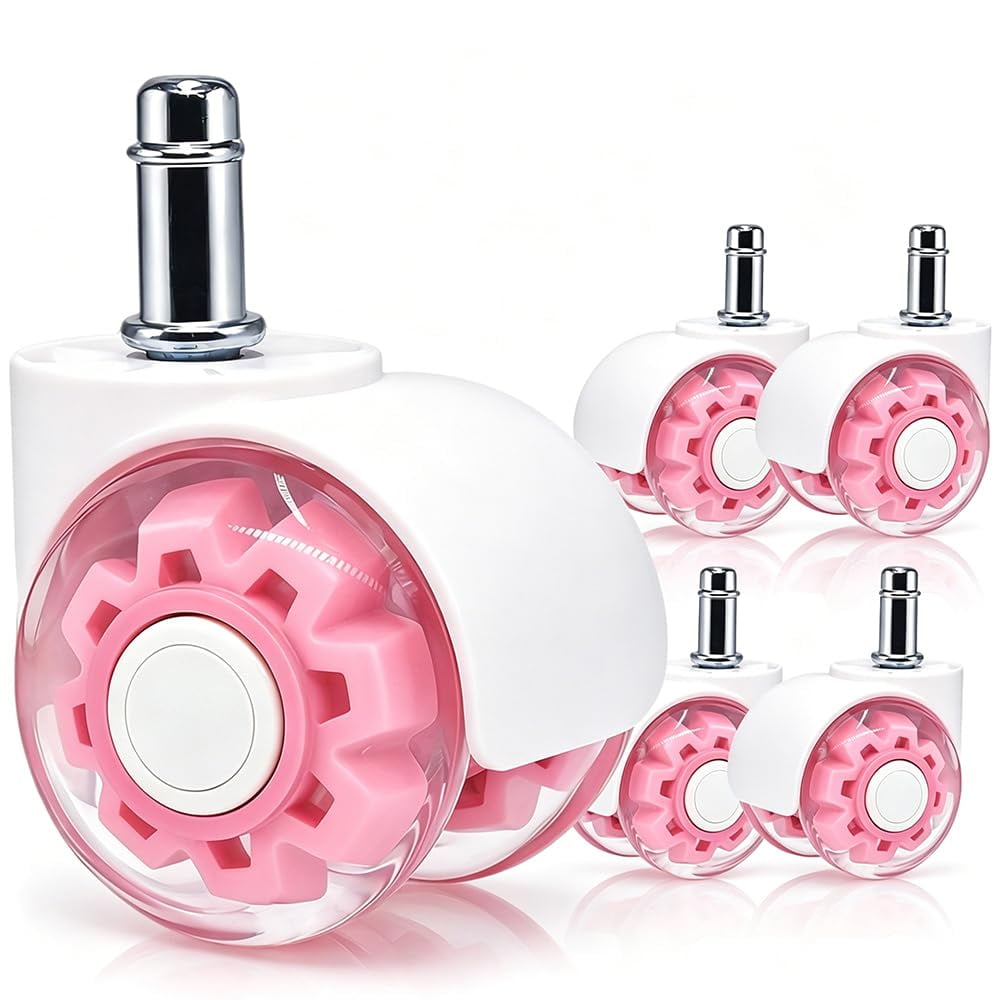
Wheels are available in clear, black, white, or metallic finishes. Choose a style that complements your chair and office decor for a cohesive, professional look.
Pro Tip: After installing new hardwood-safe wheels, clean them weekly with a damp cloth to remove any dust or debris. This simple habit will keep your floors flawless and extend the life of your casters.
Installation Guide: How to Replace Your Office Chair Wheels
Upgrading your wheels is a simple DIY project that takes less than 10 minutes. Follow these steps for a hassle-free replacement:
- Prepare Your Space: Place a soft towel on the floor and gently lay your office chair on its side.
- Remove Old Casters: Grasp the existing wheel firmly and pull it straight out from the base. If it's stuck, use a flathead screwdriver to gently pry it away from the socket. Avoid twisting, as this can damage the stem or base.
- Clean the Sockets: Wipe the inside of the caster sockets with a dry cloth to remove any dust, dirt, or old lubricant.
- Insert New Wheels: Align the new stem and push it firmly into the socket until you hear a distinct "click" or feel it seat fully. Repeat for all five casters.
- Test Your Upgrade: Right the chair and test the new wheels on your hardwood. You should immediately notice smoother, quieter, and more controlled movement.
With this simple upgrade, you transform your office chair from a potential floor hazard into a high-performance mobility tool that protects your investment.
Maintaining Both Your Chair Wheels and Hardwood Floors
To maximize the lifespan of both your new wheels and your beautiful floors, a simple maintenance routine is key. Think of it like maintaining a high-performance car: regular care ensures peak performance and longevity.
- Weekly Wheel Cleaning: Use a soft, damp cloth to wipe each wheel, removing any hair, dust, or debris that could act as an abrasive.
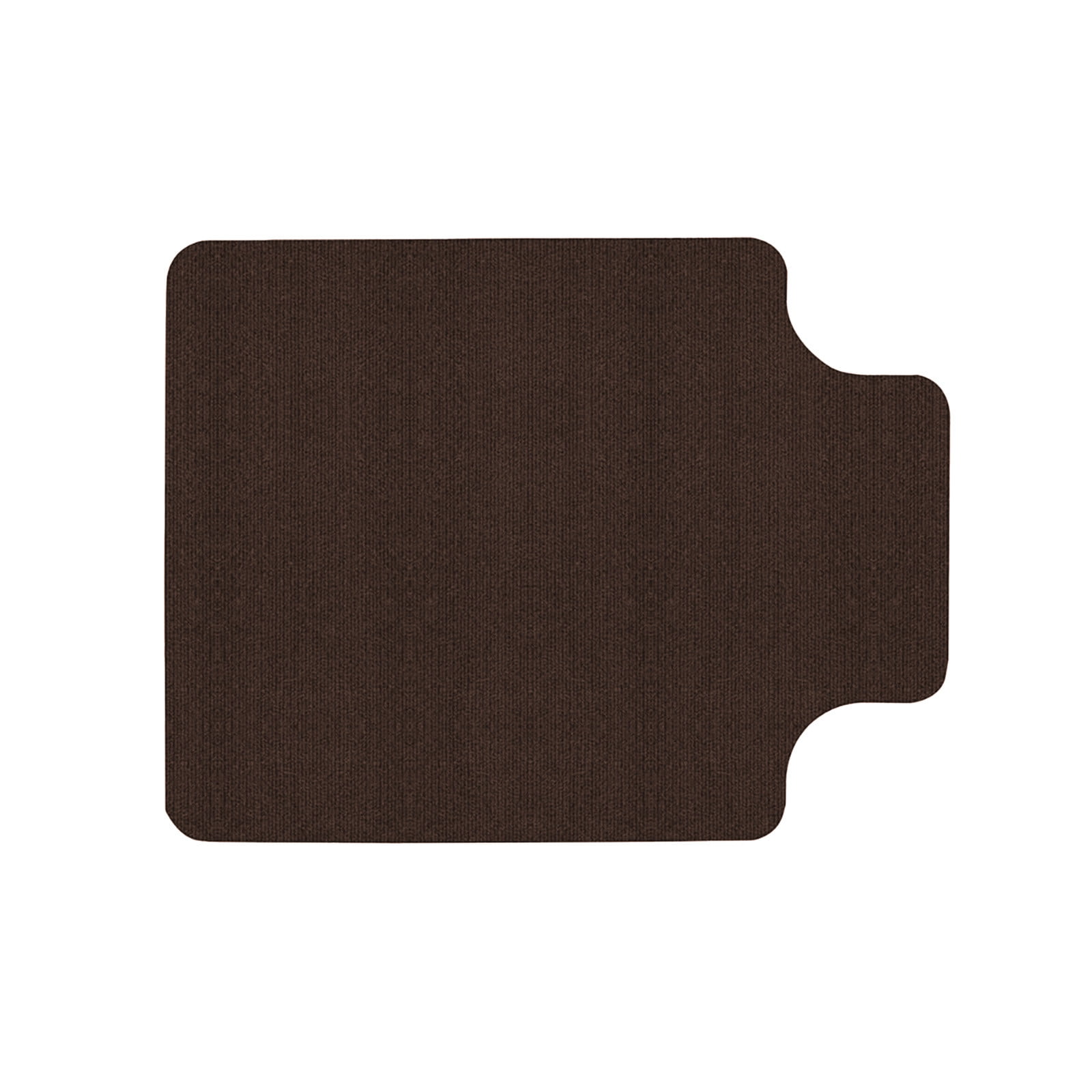
- Floor Mats: While high-quality hardwood wheels are safe, using a clear polycarbonate floor mat in high-traffic areas adds an extra layer of protection, especially if you have a particularly soft wood species like pine or cherry.
- Inspect for Debris: Occasionally check the wheel treads for small stones or hard objects that might become embedded.
- Lubricate Moving Parts: If you notice squeaking after a year of use, apply a small amount of silicone-based lubricant to the wheel bearings to maintain silent operation.
By following these simple steps, your hardwood-safe wheels will provide flawless performance for years, protecting your floors while delivering a premium seating experience.
Frequently Asked Questions About Office Chair Wheels For Hardwood
Conclusion: Upgrade Your Chair, Protect Your Flooring Investment
Your hardwood floors are a showcase of your home or office, and your office chair is a tool of productivity. Choosing the right office chair wheels for hardwood bridges the gap between functionality and preservation. Whether you opt for smooth-gliding rollerblade-style casters or classic soft polyurethane wheels, the upgrade delivers immediate benefits: silent movement, effortless mobility, and total peace of mind knowing your floors are safe from scratches and scuffs.
Don't let subpar casters compromise your flooring or your daily comfort. The products featured above represent the best in hardwood-safe technology, combining durable construction with elegant design. Make the smart investment today—your back, your floors, and your overall workspace experience will thank you.