
The Strategic Value of Well-Designed Small Meeting Spaces
In today's agile work environment, the small meeting room—often called the huddle space—has become the epicenter of team collaboration, brainstorming, and quick decision-making. Unlike traditional large boardrooms, these compact areas require furniture that is both functional and space-conscious. Selecting the right small office meeting table and chairs isn't just about filling a room; it's about creating a space that encourages creativity, supports posture, and reflects your company's culture.
Workplace Insight: According to a recent study by Steelcase, employees spend 75% of their work time in small group settings. A well-equipped meeting room with ergonomic, space-optimized furniture can increase meeting productivity by up to 34% and improve participant satisfaction scores significantly.
Key Elements of a Productive Small Meeting Room
When designing a huddle space or small conference area, every element matters. The synergy between your table and chairs dictates workflow and comfort. Here are the critical components to consider:
- Scalable Table Sizes: Choose from round, square, or rectangular tables that fit 4 to 8 people without cramping movement.
- Ergonomic Meeting Chairs: Support for short meetings to full-day strategy sessions with breathable fabric or mesh backs.
- Material Durability: Scratch-resistant surfaces and heavy-duty casters or glides for chairs ensure longevity in high-traffic use.
- Aesthetic Cohesion: Coordinated finishes and color schemes that enhance focus and align with brand identity.
- Storage & Flexibility: Stackable chairs or folding tables that allow the room to be repurposed for different events.
Choosing the Right Small Office Meeting Table
The meeting table is the anchor of your space. Its shape, size, and material set the tone. Use this guide to make an informed choice:
| Table Shape | Ideal For | Space Considerations | Seating Capacity |
|---|---|---|---|
| Rectangular | Traditional meetings, presentations, focused tasks | Best for narrow or elongated rooms; easy to pair with AV equipment | 4-8 people |
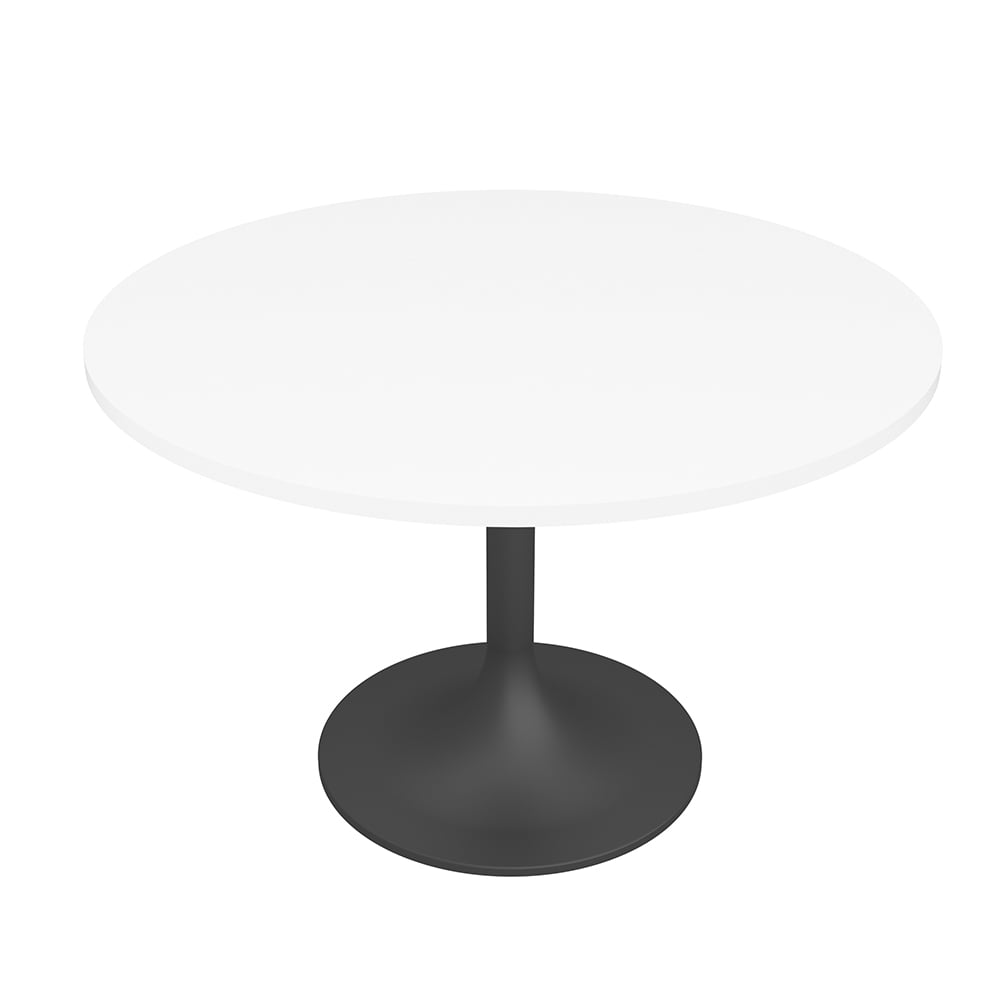
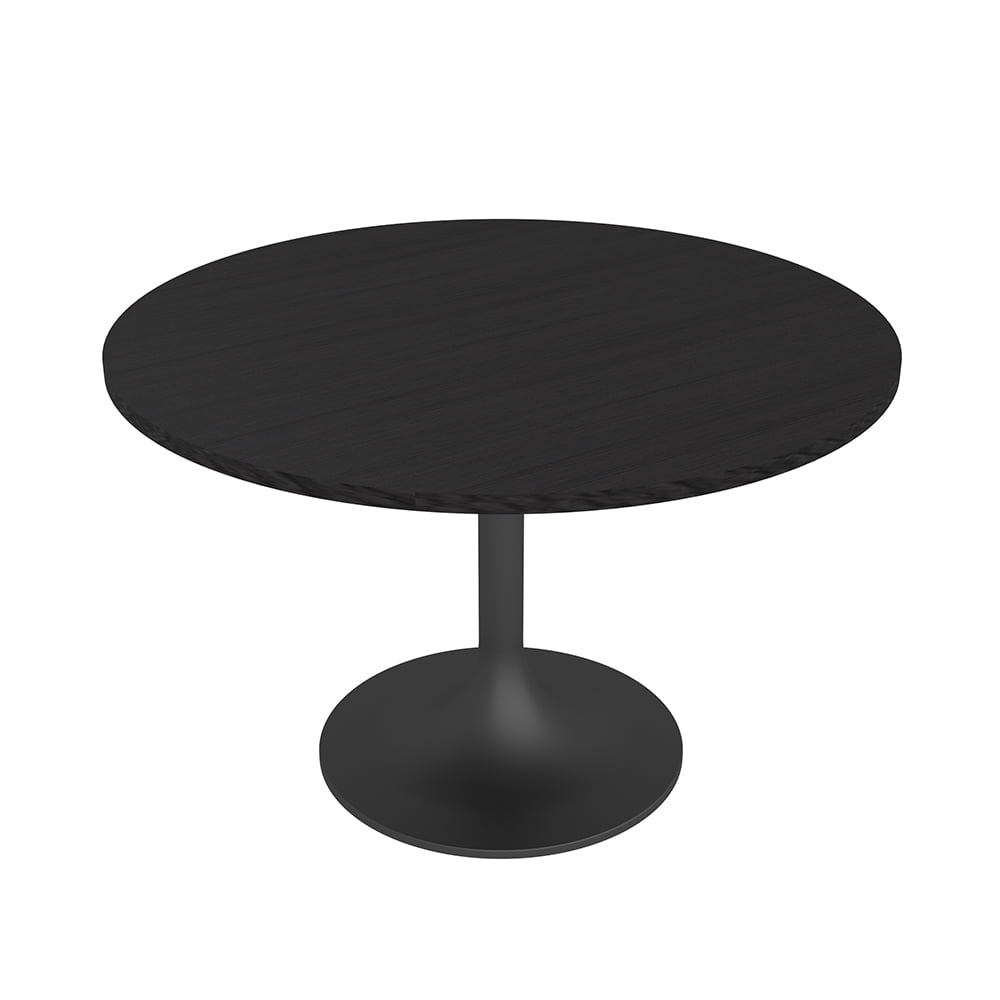
| Round / Oval | Brainstorming, open discussions, creative huddles | Promotes eye contact; ideal for square or compact spaces | 4-6 people |
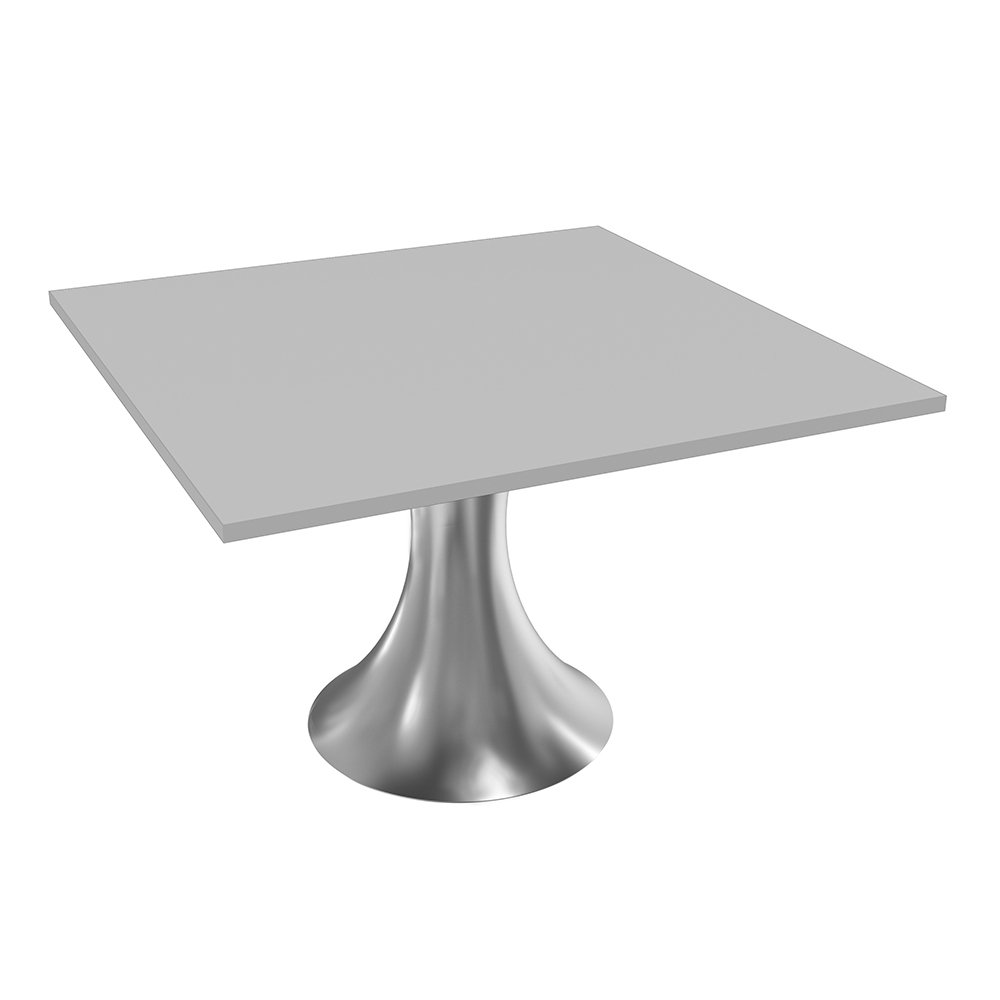
| Square | Collaborative teams, small group work | Symmetrical and space-efficient; works well in alcoves | 4 people |
| Boat / Wave | Modern offices, design-forward spaces | Organic shape encourages inclusion; often with integrated power | 6-8 people |
Chair Selection for Small Conference Rooms: Comfort Meets Compactness
Chairs are where people spend the majority of meeting time. For a small office meeting table and chairs setup, the chairs must be comfortable yet easy to maneuver in tight spaces. Below are recommended chair types:
Mesh Task Chairs
- Breathable: Perfect for longer meetings in warmer climates
- Slim Profile: Visually lightweight, makes room feel larger
- Ergonomic Support: Often includes lumbar adjustment and seat slide
Stackable / Nesting Chairs
- Flexibility: Easy to store when room is used for standing events
- Space-Saving: Ideal for multi-purpose meeting rooms
- Cost-Effective: Provides high seating capacity without permanence
Leather / PU Executive Stools
- Professional Aesthetic: Elevates client-facing meeting spaces
- Easy Clean: Spills from coffee or snacks wipe away quickly
- Durable: Holds up to daily use with minimal wear
Space Planning for Small Office Meeting Rooms
Even the best furniture can fail if not arranged properly. Follow this step-by-step guide to optimize your meeting room layout:
Step 1: Measure Your Room
- Clearance Zone: Allow at least 36 inches between the table edge and the wall to allow chair push-back and walking.
- Entry Path: Ensure doors swing open without hitting chairs; consider sliding doors if space is ultra-tight.
- Visual Flow: Avoid blocking windows or key whiteboard surfaces with bulky furniture.
Step 2: Map Out Technology & Power
- Plan for power outlets at the table center or floor ports for laptops and screens.
- For a clean look, consider tables with integrated power modules and cable management trays.
- Wireless presentation systems reduce cable clutter and keep the table surface tidy.
Step 3: Test Chair Mobility & Comfort
- Use chairs with rolling casters for easy repositioning, especially on carpeted floors.
- For static setups, choose glides that protect flooring and prevent unwanted movement.
- Encourage test-sitting: armrest height and seat depth should accommodate a range of body types.
Material Selection: Durability Meets Design
The materials of your small office meeting table and chairs set define not only the look but also the longevity of your investment. Here’s a quick comparison to guide you:
| Material (Table) | Durability | Maintenance | Style Impression |
|---|---|---|---|
| High-Pressure Laminate | Excellent (scratch & stain resistant) | Easy: wipe with damp cloth | Modern, professional, wide color range |
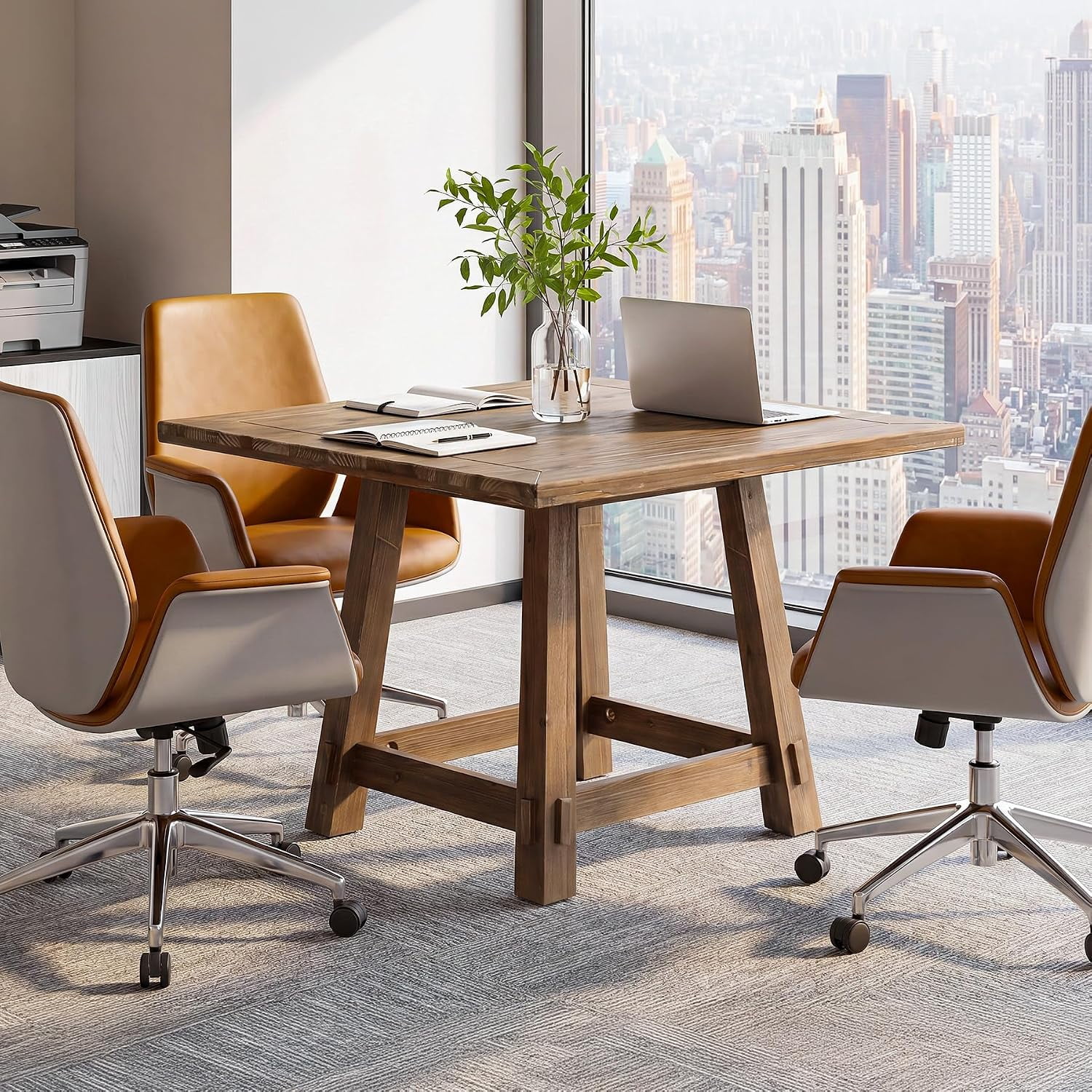
| Solid Wood | Very Good (can be refinished) | Moderate: avoid moisture, periodic polish | Classic, warm, high-end |
| Tempered Glass | Good (scratch-resistant, but shows fingerprints) | Easy: glass cleaner needed | Sleek, minimalist, open feel |
| Metal / Industrial | Excellent | Easy: dusting, occasional wipe | Urban, edgy, contemporary |
Health & Comfort in Collaborative Settings
Long meetings can take a toll on participants. Investing in supportive meeting chairs reduces fatigue and keeps energy levels high. Look for:
- Adjustable seat height to accommodate different user heights and table compatibility.
- Lumbar support curves to maintain natural spine alignment during extended sessions.
- Waterfall seat edge to reduce pressure behind the knees and promote circulation.
- Breathable fabric for comfort in warm conference rooms.
FAQs: Small Office Meeting Table and Chairs
Conclusion: Elevate Your Team’s Collaborative Experience
Selecting the right small office meeting table and chairs is a strategic investment that pays dividends in team productivity, meeting satisfaction, and professional image. Whether you're kitting out a startup huddle room or a satellite office, the perfect furniture set balances space efficiency with ergonomic comfort. Remember to measure your space accurately, prioritize durable materials, and choose chairs that support your team's well-being.
Final Recommendations by Workspace Type
Lightweight folding tables paired with stackable mesh chairs. Flexibility for reconfiguring space on demand.
High-pressure laminate rectangular table with ergonomic task chairs that swivel and roll. Professional and durable.
Glass top or wooden boat-shaped table with upholstered executive meeting chairs. Makes a strong first impression.