
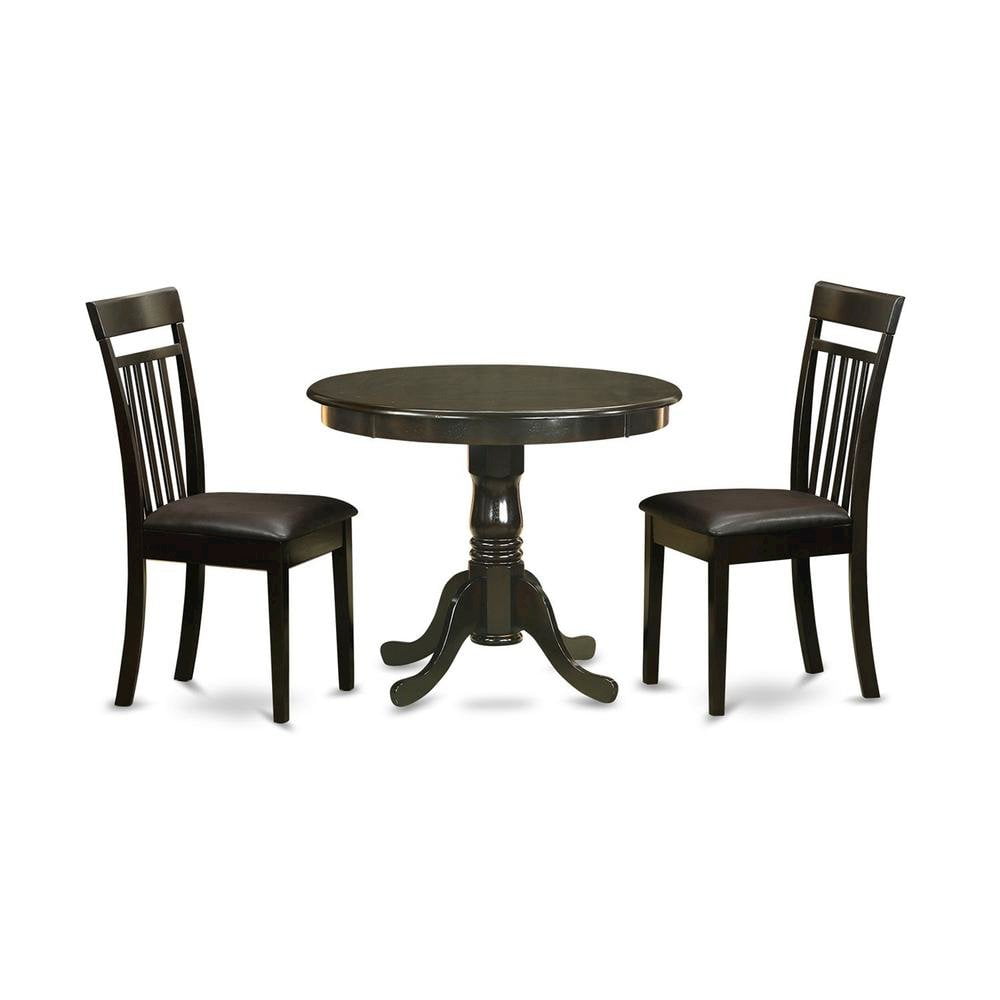
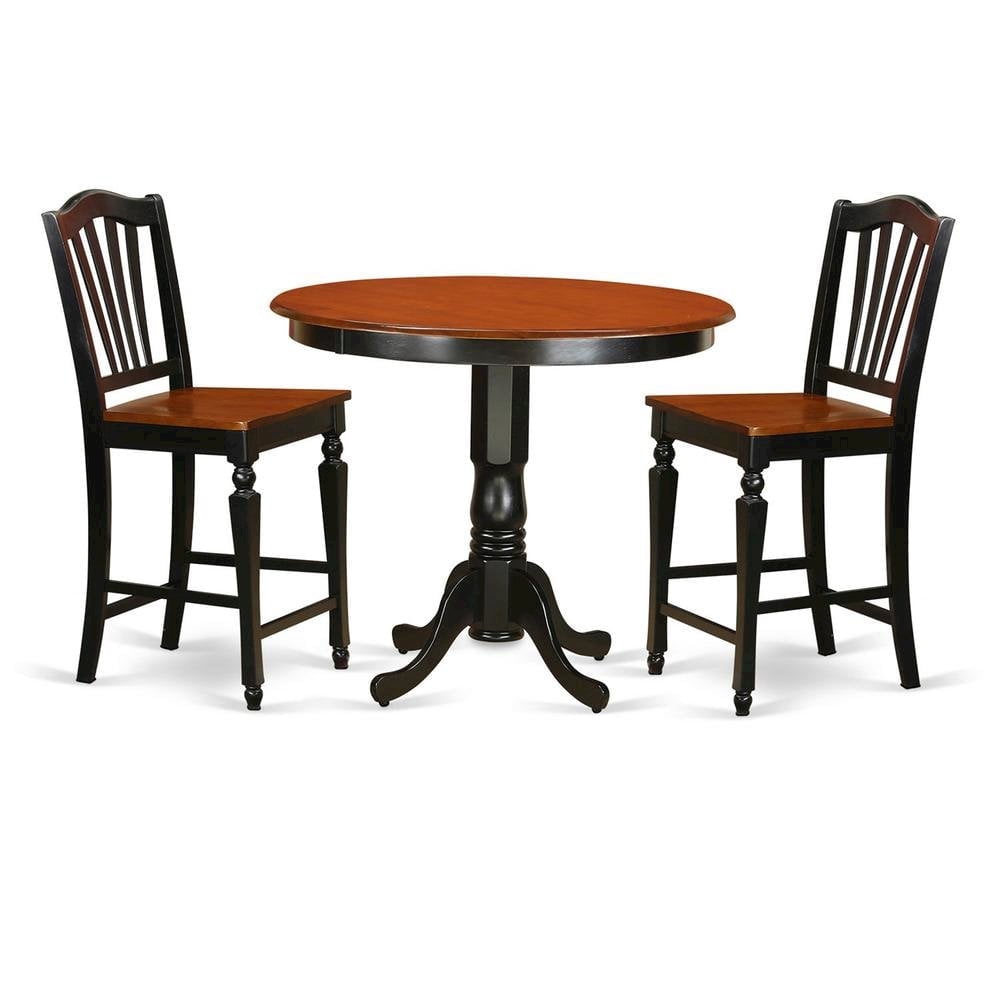
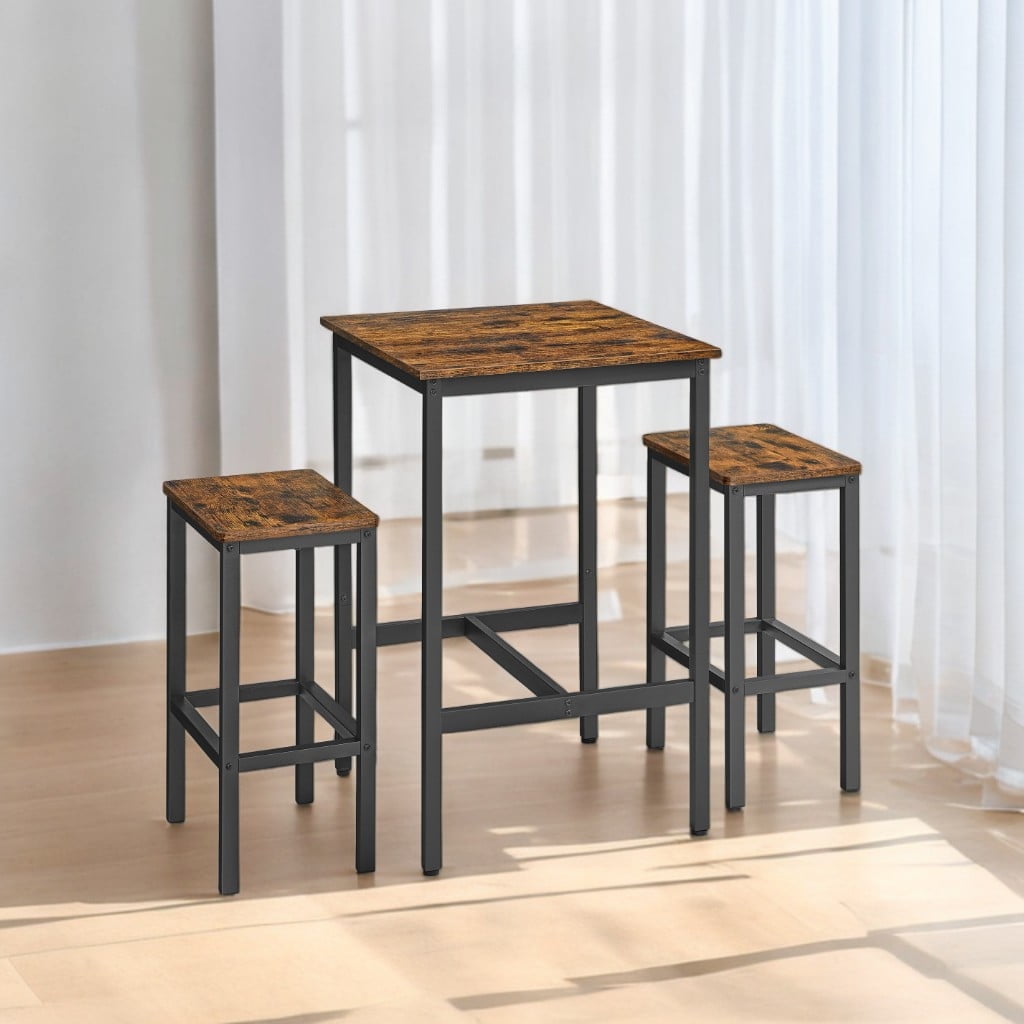
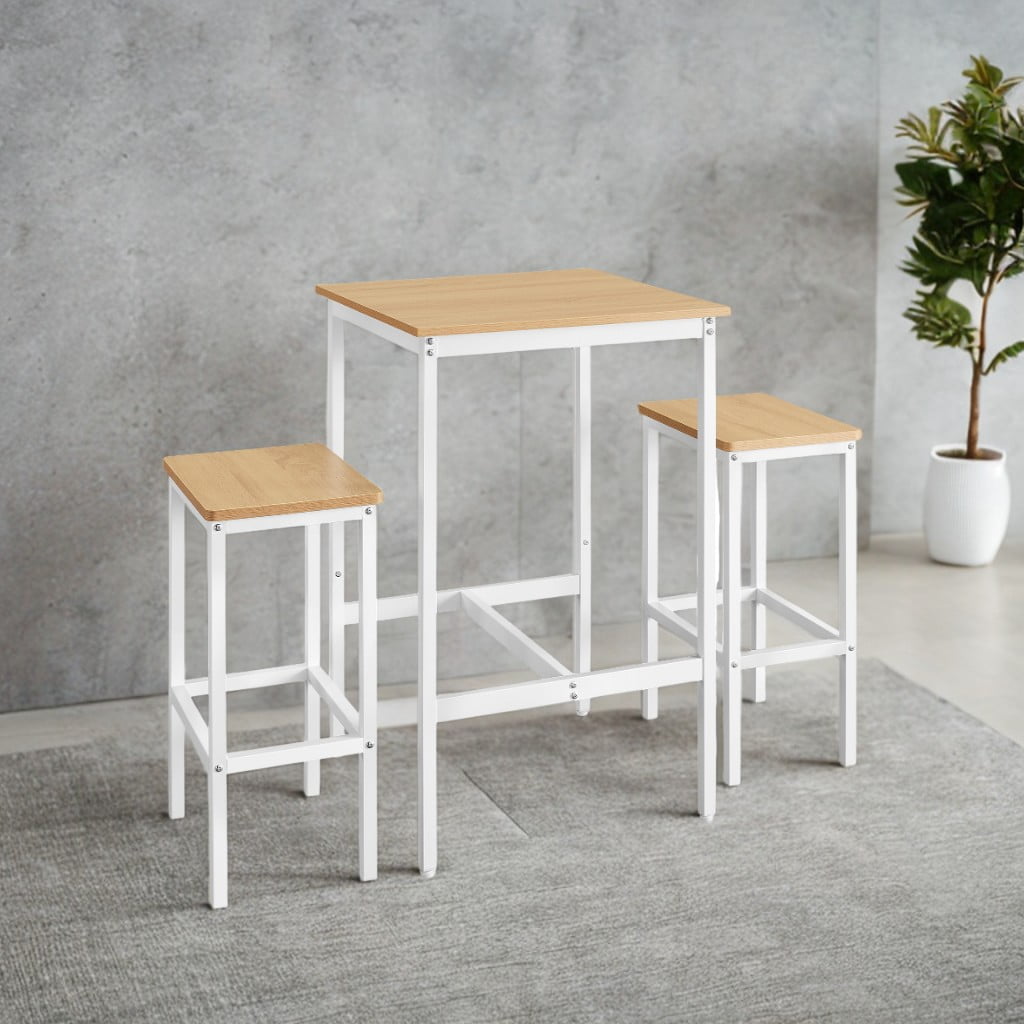
Why Choose a High Top Office Table and Chair Setup?
Transitioning to a high top office table and chairs setup is more than a design choice—it's a strategic move toward improved posture, dynamic work habits, and a modern professional image. Unlike traditional desk configurations, counter-height or bar-height workstations encourage a subtle shift in how you interact with your workspace. They naturally promote a more upright posture, reducing the tendency to slouch, and are perfect for environments that require quick transitions between sitting and standing.
Workplace Trend: According to a 2023 interior design survey, 47% of new office builds now incorporate high-top communal tables to foster collaboration. Professionals using ergonomic drafting chairs report 32% less back fatigue compared to standard desk setups, thanks to improved hip and knee angles.
Core Benefits of High-Top Office Furniture
High-top furniture is not just about aesthetics; it's engineered for versatility and well-being. Here’s how a quality set can transform your workday:
- Active Posture Support: Elevated surfaces often pair with footrest-equipped stools, keeping your feet flat and promoting a 90-degree hip angle, which reduces lower back strain.
- Space Optimization: High-top tables have a smaller footprint relative to their surface area, making them ideal for compact home offices or shared workspaces.
- Collaboration Hub: The standing/sitting height is perfect for impromptu meetings, making these sets a favorite for creative teams and open-plan offices.
- Seamless Standing Desk Alternative: For those who want the benefits of standing without purchasing an expensive electric desk, a fixed high-top table paired with a tall stool offers flexibility.
- Modern Aesthetic: Clean lines and elevated design elements instantly upgrade the look of any professional environment, from home offices to executive suites.
Key Features to Look for in High Top Office Tables & Chairs
Selecting the ideal set requires understanding both table construction and chair ergonomics. Here’s what to evaluate before purchasing:
| Feature | Why It Matters | What to Look For |
|---|---|---|
| Table Height & Stability | Ensures proper ergonomics and safety. A wobbly table negates comfort. | Counter-height: 34-36″. Bar-height: 40-42″. Look for steel frames, adjustable leveling glides, and weight capacity over 200 lbs. |
| Seat Height Adjustment Range | Allows users of different heights to maintain a neutral posture. | Drafting stools should adjust from 22″ to 30″. Pneumatic gas lifts with at least 6 inches of range are ideal. |
| Footrest Ring / Base | Critical for leg comfort; prevents dangling feet which cause pressure points. | A sturdy 360-degree footring that is height-adjustable or at least positioned at an optimal level for your inseam. |
| Lumbar Support & Padding | Prolonged sitting at any height requires lower back support. | Chairs with contoured backrest, adjustable lumbar, or high-density foam padding (minimum 3 inches thickness). |
| Tabletop Material & Durability | Affects longevity, maintenance, and style. | Commercial-grade laminate (scratch-resistant), solid wood (timeless), or tempered glass (modern). Edge banding should be seamless. |
Ergonomics & Health Benefits of Elevated Workstations
Investing in a high top office table and chairs directly impacts your physical health. Here are four key health advantages validated by ergonomic studies:
Reduced Spinal Compression
Standing or perching on a high stool unloads the spine compared to traditional sitting, decreasing pressure on lumbar discs by up to 30%.
Improved Circulation
Footrest rings encourage proper leg positioning, preventing blood pooling in the lower extremities and reducing risk of varicose veins.
Calorie Burn & Energy
Alternating between perching and standing can increase calorie expenditure by up to 20% compared to continuous sedentary sitting.
Shoulder & Neck Relief
Elevated surface height often brings monitors closer to eye level, reducing forward head posture and associated neck strain.