

Why Standard Office Chairs Fail the Big and Tall User
For individuals with a larger frame, a standard office chair isn't just an inconvenience; it's a direct threat to comfort, productivity, and long-term health. The math is simple: a typical office chair with a 250-275 lb weight capacity and a 19-inch wide seat is not built to support a bigger, taller physique. Sitting in an undersized chair leads to a cascade of problems, from the seat base compressing and causing discomfort to the backrest failing to provide adequate lumbar and shoulder support.
Industry Insight: Research into workplace ergonomics shows that individuals using chairs not rated for their body type are 60% more likely to experience chronic back, hip, and shoulder pain. This leads to an average of 5-7 lost workdays per year due to discomfort-related absenteeism. A properly sized chair is not a luxury; it is a fundamental tool for a healthy and productive work life.
The Anatomy of a True Heavy-Duty Chair
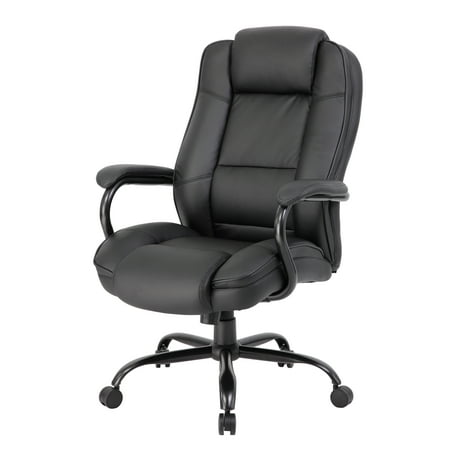
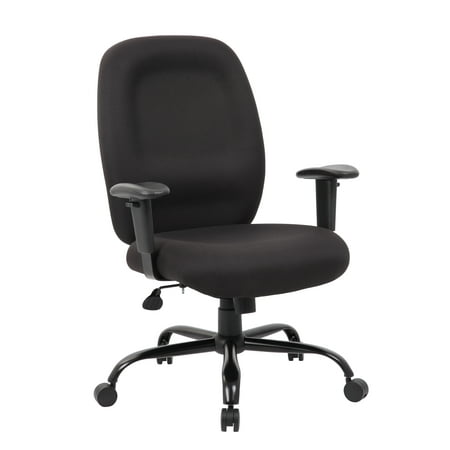
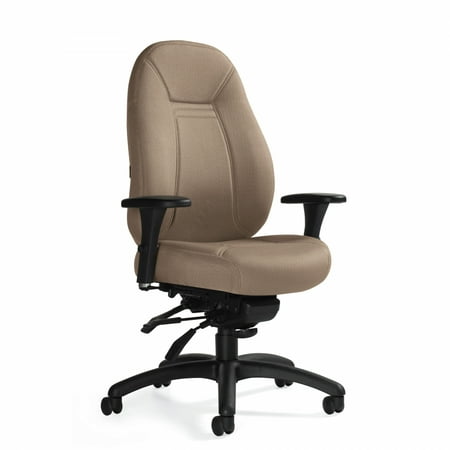
Big and tall heavy duty office chairs are a different class of furniture, engineered from the ground up with specific components that ensure safety, stability, and support for years to come. They are not simply standard chairs with a larger seat cushion.
- Reinforced Steel Frame: The skeleton of the chair is built with a heavier gauge of steel, eliminating the flex and creaking found in lighter models and providing a solid, stable foundation.
- Class-4 Gas Lift Cylinder: The gas lift is the most critical component. A standard class-3 cylinder is rated for ~250 lbs. Heavy-duty chairs use a class-4 or higher cylinder, engineered to handle 350-500+ lbs safely and smoothly for thousands of cycles.
- Oversized Steel Base: Instead of a 26-inch plastic base, these chairs feature a 27-inch or larger steel base. This wider stance provides superior stability, significantly reducing the risk of tipping, which is a common hazard with standard bases.
- High-Density, Deep Seat Foam: Standard foam will quickly compress, leaving you sitting on the hard seat pan. Heavy-duty chairs use high-density, often multi-layered foam that retains its shape and provides resilient, all-day comfort without "bottoming out."
- Wider, Long-Wearing Casters: The casters are upgraded to support the higher load and move smoothly across various flooring types without buckling under pressure.
Choosing the Right Big and Tall Heavy Duty Chair: A Detailed Guide
Selecting the perfect chair involves more than just checking the weight capacity. Consider these interconnected features to find your ideal match:
| Critical Feature | Why It Matters for Big & Tall Users | What to Look For |
|---|---|---|
| Weight Capacity & Seat Width | The non-negotiable starting point. Must safely support your weight while providing ample space for a comfortable posture. | Minimum 400 lb capacity. Seat width of 21 inches or more. Seat depth of 20 inches or more to support the thighs. |
| Adjustable Lumbar Support | Prevents the lower back from curving excessively, a common issue when sitting in undersized chairs. Critical for spinal alignment. | Independent height and depth adjustment. Some premium chairs offer inflatable air lumbar for a customized fit. |
| High Backrest Design | Provides crucial support for the full spine, including the thoracic region and shoulders, preventing slouching and rounded shoulders. | Backrest height of 30 inches or more. Should ideally reach the shoulder blades or include a built-in headrest. |
| 4D Adjustable Armrests | Allows you to position the armrests to fit your wider body, ensuring shoulders are relaxed and not scrunched inward, reducing upper back and neck tension. | Arms that adjust in height, width, pivot, and depth. Look for robust, well-padded armrests. |
| Robust Tilt Mechanism | Allows for dynamic sitting and changes in posture, which is essential for circulation and comfort during long work sessions. | Multi-lock tilt mechanism with adjustable tension. The mechanism should be housed in a reinforced steel casing. |
Health & Productivity Benefits of Proper Sizing
Investing in a correctly sized, heavy-duty office chair yields returns far beyond simple comfort. It is a direct investment in your physical wellbeing and professional effectiveness.
Eliminates Pressure Points
A wider seat prevents hips and thighs from being compressed, which reduces pain and improves circulation.
Supports Proper Posture
A high back with adjustable lumbar helps maintain the natural 'S' curve of the spine, reducing slouching and muscle fatigue.
Enhances Focus & Energy
When you're not constantly shifting to find a comfortable position, you can direct 100% of your energy toward the task at hand.
Durability & Investment Value
Built with superior components, a quality heavy-duty chair outlasts 2-3 standard chairs, making it a far more economical long-term choice.