
Why a Headrest Defines True Comfort in Modern Office Chairs
Imagine your spine as a chain of building blocks. When you're seated without proper neck support, your head—which weighs about 10 to 12 pounds—acts like a heavy weight pulling the top blocks forward. Over an 8-hour workday, this creates constant tension in your upper trapezius and levator scapulae muscles. A comfortable office chair with headrest acts as a supportive wall for that chain, keeping everything aligned and relaxed.
Ergonomic Reality: A 2023 study in the Journal of Physical Therapy Science found that office workers using chairs with adjustable headrests reported 58% less neck pain after 12 weeks compared to those using standard high-back chairs without proper head support. The headrest allows for micro-reclines that decompress the cervical discs throughout the day.
Key Ergonomic Features of Top-Tier Headrest Chairs
Not all chairs with headrests are created equal. The most comfortable models combine several advanced features that work in harmony:
🔹 Multi-Dimensional Headrest
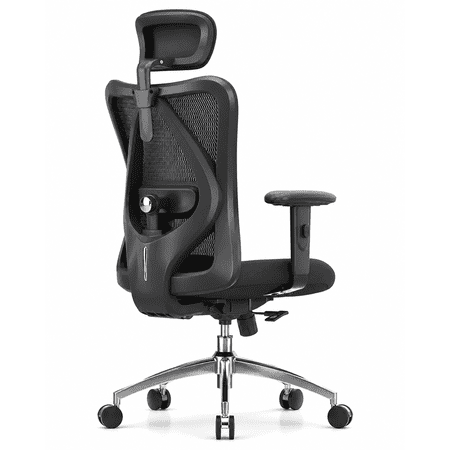
Look for 2D, 3D, or even 4D adjustability (up/down, angle tilt, forward/back, and sometimes lateral pivot). This ensures the headrest conforms to your unique neck curve, not a generic shape.
🔹 Synchronized Tilt Mechanism
The chair’s backrest and seat pan should move in a synchronized ratio (often 2:1). This allows your headrest to maintain contact with your head as you recline, providing continuous support during thinking or phone calls.
🔹 Breathable vs. Plush Materials
Mesh headrests prevent heat buildup during intense work sessions, while high-density foam with fabric or leather offers a luxurious, cushioned feel. Your climate and typical office temperature will guide this choice.
🔹 Lumbar Integration
The best chairs don't just support the neck; they work as a system. A dynamic lumbar support that adjusts independently ensures that when your lower back is supported, your upper back and neck naturally fall into proper alignment.
Health Benefits Beyond Simple Comfort
Investing in a comfortable office chair with headrest goes beyond eliminating an achy neck. It’s a proactive investment in your long-term well-being:
- Reduces Cervical Disc Pressure: Sitting without support increases intradiscal pressure by up to 30% in the neck region. A headrest counteracts this gravitational pull.
- Prevents Tension Headaches: Many tension headaches originate from tight suboccipital muscles. Proper head support allows these tiny muscles to relax.
- Improves Breathing and Circulation: When your head is aligned over your shoulders, your airway opens fully, improving oxygen flow and reducing fatigue.
- Enables True Relaxation Breaks: A chair that fully supports your head encourages you to take short, effective breaks by reclining, which resets your mental focus and reduces midday slumps.
Material Deep-Dive: Choosing the Right Surface for Your Headrest
The material of your headrest directly impacts comfort, especially if you tend to lean back frequently or have sensitive skin. Here's a practical comparison:
| Material | Comfort Factor | Durability | Maintenance | Best For |
|---|---|---|---|---|
| Premium Breathable Mesh | High airflow, stays cool, mild contouring | Very good (5-8 years, resists sagging) | Wipe with damp cloth | Hot climates, long hours, users prone to sweating |
| Top-Grain Leather | Luxurious feel, softens with age, temperature sensitive | Excellent (10-15 years with conditioning) | Regular conditioning needed, easy to wipe | Executive offices, traditional aesthetics, cooler environments |
| High-Density Fabric | Soft, warm, and quiet | Good (5-7 years, may show wear) | Spot cleaning or professional upholstery cleaning | Home offices, those seeking a cozy feel |
| Memory Foam + Fabric | Exceptional pressure relief, molds to shape | Good (foam retains shape for years) | Removable covers are ideal | Users with chronic neck pain, maximum plushness |
Step-by-Step Selection Guide: Find Your Perfect Match
Choosing the ideal comfortable office chair with headrest is a personal process. Use this systematic approach to ensure your final selection meets your unique needs.
Step 1: Analyze Your Work Style
- Task-Oriented (Leaning Forward): If you type constantly, you need a headrest that can be adjusted back or even removed temporarily. Look for chairs where the headrest is highly adjustable out of the way.
- Mixed Activity (Calls + Desk Work): Choose a chair with a synchronized tilt mechanism and a wide, cushioned headrest that supports you during both active and passive postures.
- Long Meetings & Reclining: Prioritize a headrest with deep angle adjustment (up to 30 degrees backward tilt) and a plush material for relaxation periods.
Step 2: Measure Your Body Dimensions
- Height Matters: For users under 5'4", ensure the headrest can be lowered enough to support the back of the head, not the top of the shoulders. Taller users (over 6') need chairs with high backrests and headrests that extend upwards significantly.
- Torso Length: Measure from your seat to the top of your shoulder. Compare this to the chair's back height. The headrest should align with your occipital bone when seated upright.
Step 3: Test Adjustability
- Minimum Requirements: The headrest must adjust in height (at least 3 inches of travel) and tilt angle (forward/back). Premium models offer fore-aft adjustment to reduce the gap between headrest and neck.
- Seat Depth Integration: Ensure that when you adjust seat depth for thigh support, the headrest can still be positioned correctly relative to your back.
💡 Pro Tip: Headrest Positioning for Optimal Support
Once you receive your chair, spend 10 minutes on setup. Sit in your natural working posture. Adjust the headrest so it cradles the curve of your neck, not pushes your head forward. When you recline slightly (around 110 degrees), the headrest should maintain gentle contact. This setup reduces static muscle load by up to 40% according to ergonomic consultants.