
Why “ergonomic minimalist office chair” is more than a trend
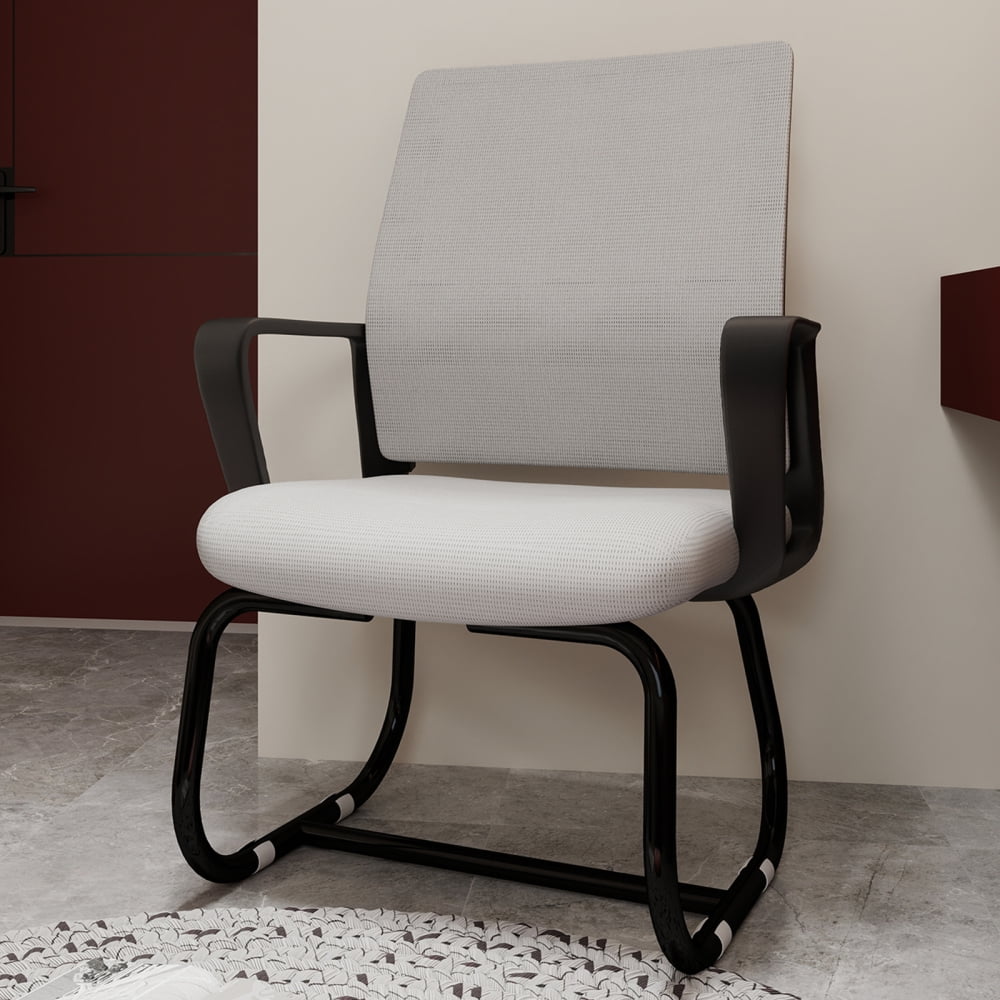
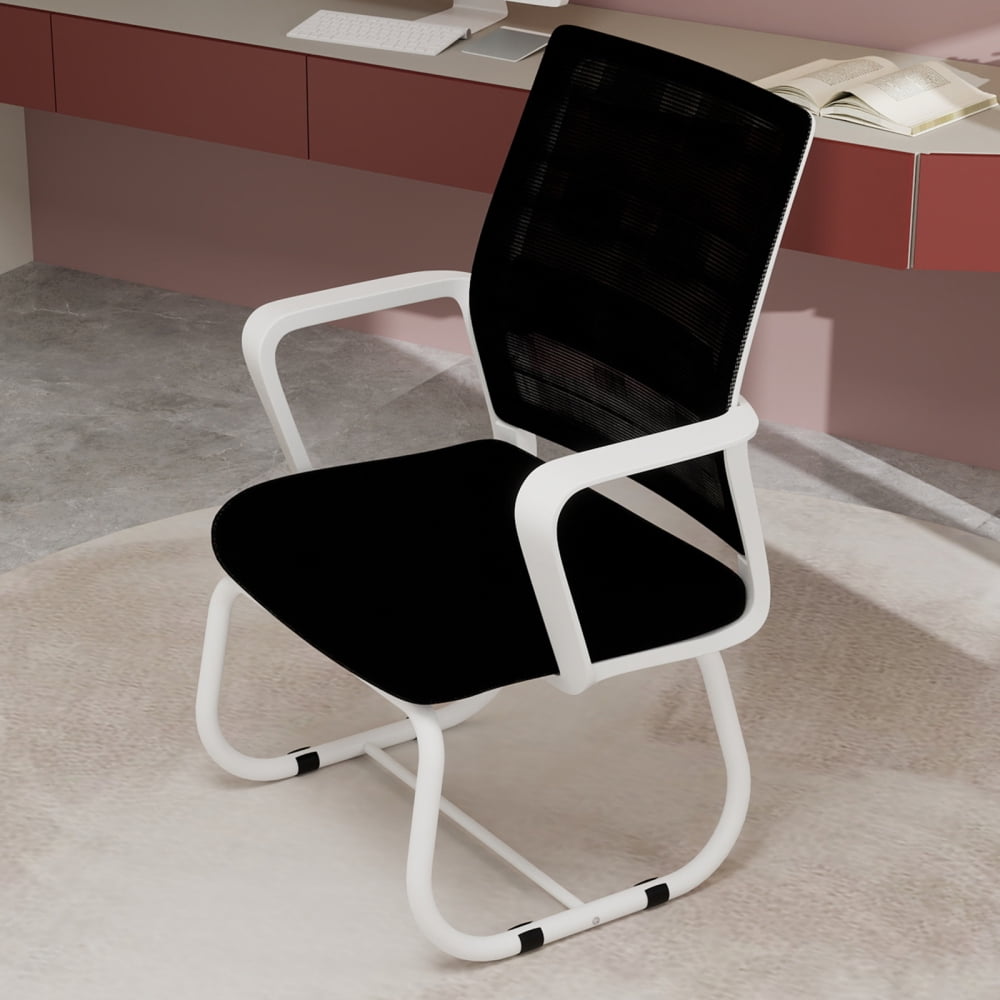
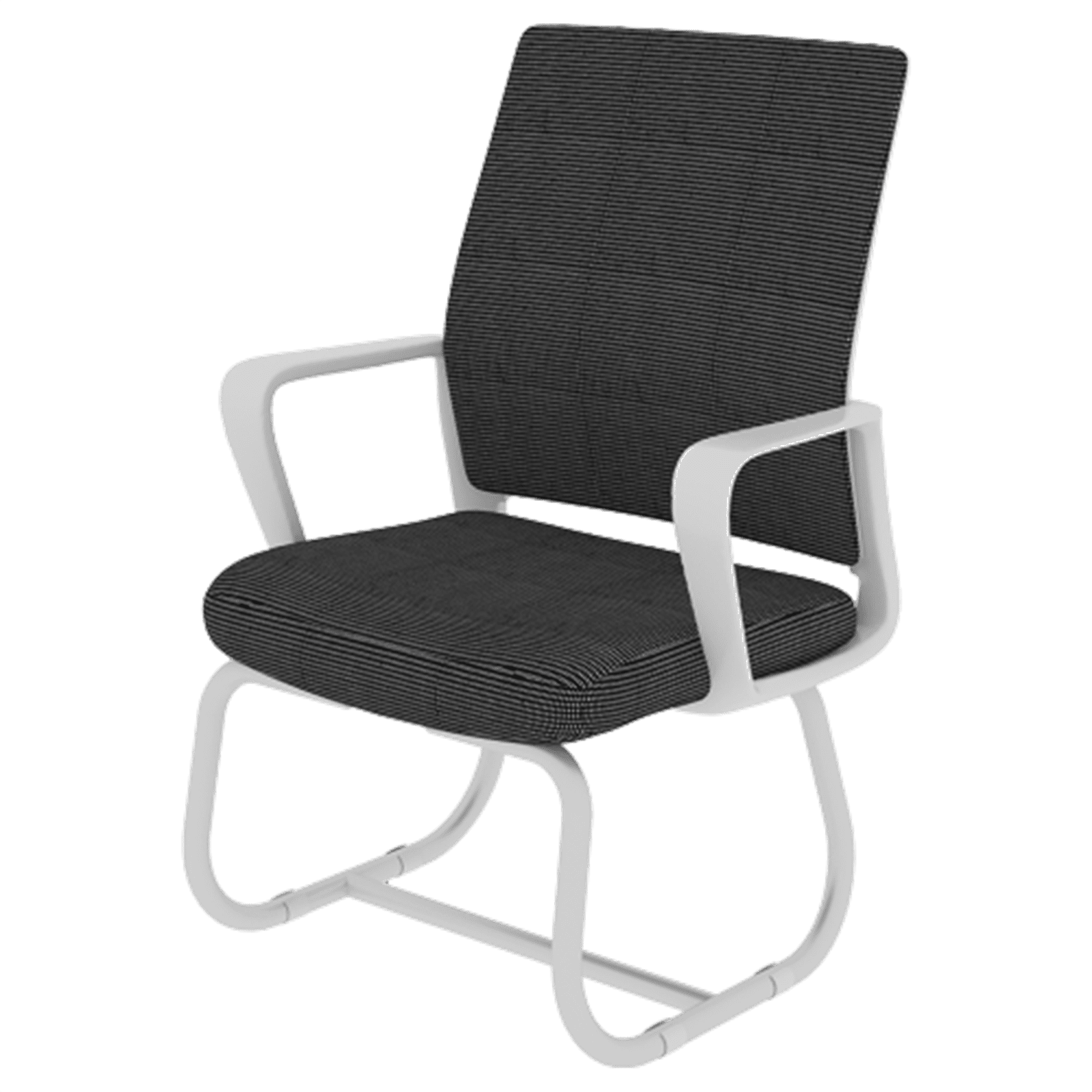
Imagine a chair that almost disappears — visually, but not functionally. That’s the promise of the ergonomic minimalist office chair. It’s the answer to our overloaded senses: clean lines, neutral tones, and only the adjustments you actually need. But don’t mistake simplicity for lack of support. According to a 2023 report by the Global Workplace Analytics, 74% of remote workers say their next chair purchase will prioritise both health features and aesthetics — they no longer want a bulky “medical‑looking” throne.
🔹 Design ethos: “Form follows function” is taken literally. Every curve, every lever is there because it serves your spine — not to look complicated. Think of it as the Danish modern approach to ergonomics.
3 core principles of minimalist ergonomic design
Unlike traditional executive chairs that rely on thick padding and visible bulk, minimalist chairs use material intelligence and smart kinematics. Here’s what sets them apart:
- 1. Visual weight reduction: Slim backrests, open frameworks, and absence of “truck‑seat” proportions. They take up less visual space, making small home offices feel larger.
- 2. Adaptive suspension: Instead of thick foam, many use tension‑adjustable mesh or elastomeric suspensions that respond to micro‑movements. This keeps you cool and encourages dynamic sitting.
- 3. Hidden adjustability: Levers are tucked under the seat or integrated into the mechanism. You get full ergonomic control (seat depth, lumbar, tilt tension) without a cockpit of knobs.
📊 Stat check:
A Cornell University study found that workers using visually cluttered chairs reported 18% higher distraction levels. Minimalist design isn’t just pretty — it’s a cognitive aid.
Who benefits most from this style of chair?
While anyone can appreciate a clean look, these chairs are especially suited for:
- Remote workers in studio apartments: where furniture doubles as decor, and bulky chairs overwhelm the space.
- Design‑sensitive professionals: architects, creatives, or anyone who hosts client video calls — the chair becomes part of your personal brand.
- People with chronic heat discomfort: mesh and breathable fabrics are staples of minimalist ergonomic chairs, reducing sweat during long sessions.
- Minimalists & declutter advocates: if you follow Marie Kondo or the “less is more” philosophy, a chair with few visual elements sparks joy.
Anatomy of a well‑designed minimalist ergonomic chair
| Feature | Why it matters (minimalist context) | What to look for |
|---|---|---|
| Backrest height & shape | Should follow your spine’s curve without extra bulk. Often medium‑high to maintain clean silhouette. | Adjustable lumbar via tension dial, not thick pillow. |
| Seat material | Thin yet resilient. No sagging after 2 years. | High‑density foam wrapped in recycled polyester or 3D knitted mesh. |
| Armrests | Often slim, sometimes removable. Should not jut out visually. | Height‑adjustable, possibly width‑adjustable, but with minimalist profile. |
| Base & casters | Usually polished aluminum or matte black plastic — sleek and light. | Dual‑wheel casters suitable for hardwood or carpet (often included). |
The science of sitting lightly: why your brain loves minimalist support
Environmental psychology suggests that visual complexity increases cognitive load. A 2021 study in the Journal of Interior Design found that participants in rooms with streamlined furniture performed 22% better on focus‑based tasks. Your chair is the largest object in your field of view while working. If it screams “I’m a massive throne,” your brain subconsciously processes that bulk. A minimalist chair, by contrast, recedes into the background, letting you concentrate on the screen.
🔄 Dynamic sitting
Minimalist chairs often have subtle “give” that encourages micro‑movements, reducing spinal stiffness.
🌡️ Thermal comfort
Breathable materials mean you’re less likely to fidget due to sweat — a hidden productivity killer.
🧘 Visual calm
Neutral colours and simple forms lower stress hormones — your peripheral vision rests.
5‑point checklist before you buy (minimalist edition)
- Adjustability range: just because it looks simple doesn’t mean it fits you. Check seat depth and lumbar height range.
- Material breathability: if it’s faux leather with thin foam, avoid. Prioritize mesh or high‑performance knit.
- Frame durability: look for aluminum or reinforced polymer — the chair should be light but stable.
- Tilt mechanism: synchronous or weight‑activated tilt is a must for all‑day comfort.
- Return policy / warranty: minimalist doesn’t mean fragile, but you want at least 3‑year warranty.
Common myths about minimalist ergonomic chairs
Myth #1: “They’re only for light‑duty use.”
✅ Reality: Many support up to 300 lbs and are tested for 8+ hours daily in contract settings.
Myth #2: “You can’t get good lumbar support without a big pad.”
✅ Reality: Curved mesh with tension adjustment conforms better than a fixed pad, because it adapts to your exact spine.
Myth #3: “All minimalist chairs are uncomfortable after an hour.”
✅ Reality: That’s true for cheap knock‑offs. Quality ones use advanced foam or elastomers that distribute pressure evenly.
Pairing your chair with a standing desk & WFH setup
One hidden advantage: minimalist chairs are usually lighter and easier to move. If you switch between sitting and standing, you can easily roll the chair aside. Some even feature a foot ring for perching at counter height. Because they lack towering headrests, they fit under higher desks when not in use. A pro tip: choose a chair with a seat height range that matches your standing desk’s lowest setting — usually around 18–22 inches.
Caring for your minimalist ergonomic chair
- Mesh: vacuum monthly with brush attachment to remove dust. Spot clean with mild soap and water.
- Fabric / knit: use a fabric protector spray annually to repel spills.
- Mechanism: every 6 months, apply a silicone lubricant to moving parts if you hear squeaks.
- Casters: remove hair and debris with a tool — this keeps them rolling smoothly on hard floors.
With care, a high‑quality minimalist chair can last 8–12 years — comparable to premium executive models.