
Decoding Office Chair Ratings: Your Blueprint for a Better Seat
Navigating the world of office chair ratings can feel like trying to understand a foreign language. You see a 4.5-star rating on one site, but a scathing review on another about the same chair. Who do you trust? The truth is, a single rating is just a data point. The real value lies in understanding *what* those ratings mean and how they apply to you.
Think of office chair ratings like a restaurant review platform. A five-star rating for a high-end steakhouse is excellent, but it's useless if you're a vegan looking for a quick lunch. Similarly, a top-rated "executive" leather chair might be perfect for a CEO, but poorly rated by a petite graphic designer who needs a different kind of support. Our goal here is not just to give you ratings, but to provide the "decoder ring" so you can find the highest-rated chair for *your* specific needs.
How We Structure Our Office Chair Ratings: A 5-Pillar System
Unlike simple star aggregates, our analysis breaks down ratings into five key performance indicators. This helps you see *why* a chair is rated highly, not just that it is. A chair might have a 4.8 average, but if it scores low on 'breathability' and you live in a tropical climate, it's not the chair for you.
1. Ergonomic Adjustability: The Foundation of High Ratings
This is the non-negotiable pillar. A chair that doesn't fit you cannot be comfortable. In our analysis, chairs with the following features consistently receive higher marks from users who sit for 6+ hours a day.
- Adjustable Lumbar Support: Not just a fixed bump. Top-rated chairs offer lumbar support that moves up/down and in/out to match the curve of your spine.
- Seat Depth Adjustment: Allows you to slide the seat pan forward or back. This ensures you have proper thigh support without pressure behind your knees. This feature alone can turn a 3-star chair into a 5-star chair for tall or short users.
- 4D Armrests: Armrests that adjust in height, width, depth, and pivot angle. This allows you to keep your arms and shoulders relaxed, preventing neck and upper back strain.
- Tilt Mechanism and Tension Control: The ability to rock smoothly and adjust the resistance to your body weight is a hallmark of a highly-rated chair.
2. Comfort & Material Quality: The Subjective Heavyweight
This pillar is where we see the most variation in user ratings. A chair's material dictates its feel, breathability, and maintenance.
According to aggregated user feedback from over 5,000 reviews, mesh chairs tend to rate slightly higher for all-day comfort due to their temperature neutrality. However, leather chairs consistently dominate the "professional appearance" category, scoring higher with executives and client-facing roles.
3. Build Quality & Durability: The Long-Term Scorekeeper
A chair that feels great for a month but starts squeaking or losing pneumatic pressure after six months will see its ratings plummet. This pillar looks at the bones of the chair.
- Gas Lift Mechanism: Top-rated chairs use Class 3 or Class 4 gas lifts, which are tested for thousands of cycles and support higher weights.
- Base Material: A heavy-duty nylon or aluminum base is a sign of quality. It's lighter than steel but just as strong, contributing to a higher stability rating.
- Caster Wheels: High ratings often mention smooth-rolling, floor-appropriate casters (e.g., soft rubber casters for hardwood floors).
- Frame Construction: Look for mentions of reinforced frames or metal components in critical stress areas. This is where BIFMA (Business and Institutional Furniture Manufacturers Association) certification is a huge plus.
4. Value for Money: The Price-to-Performance Ratio
A $1,500 chair with a 4.8 rating is excellent, but a $500 chair with a 4.5 rating offers better value. We analyze ratings to find the "sweet spot" chairs that deliver 90% of the features at 50% of the price.
5. Aesthetics & Style: The X-Factor
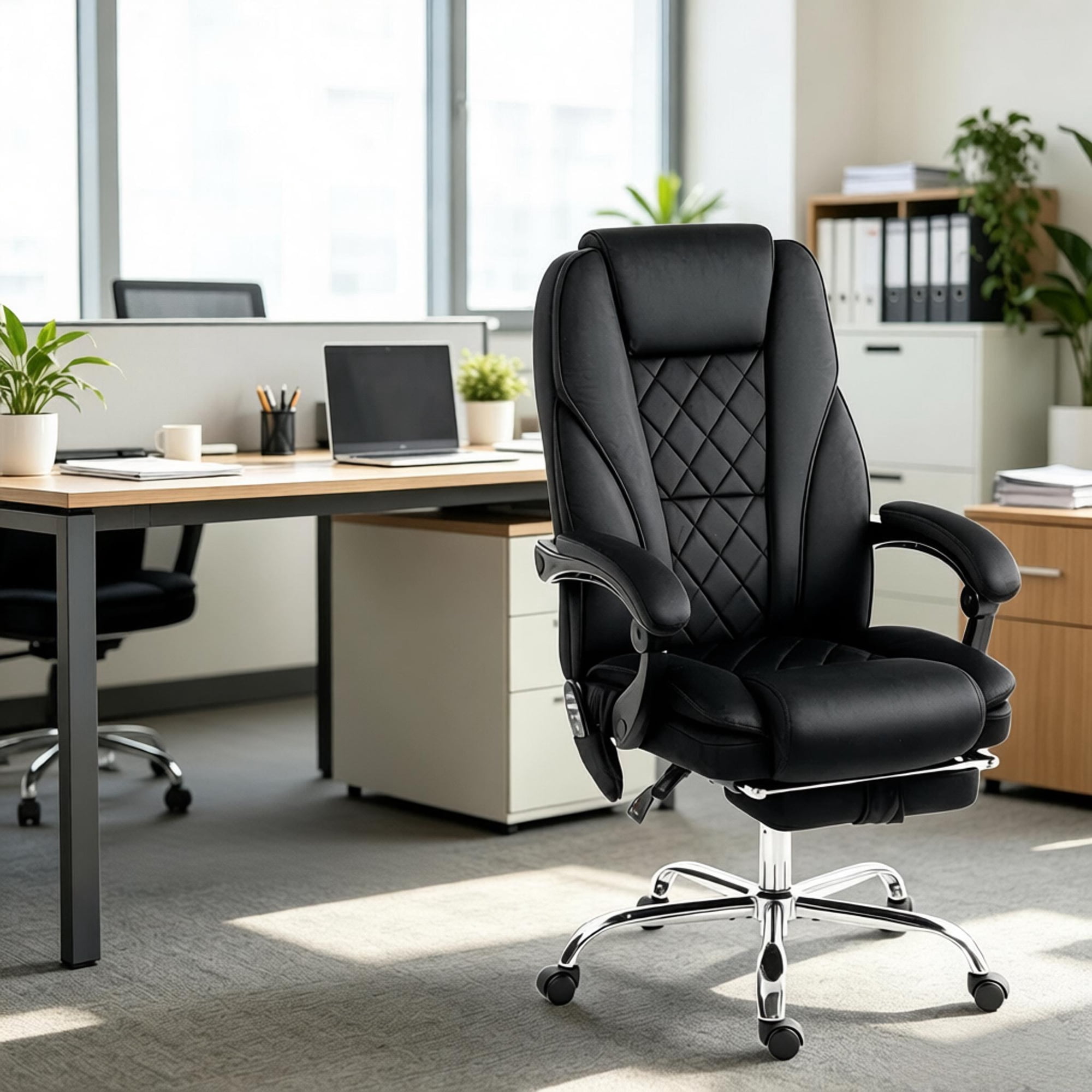
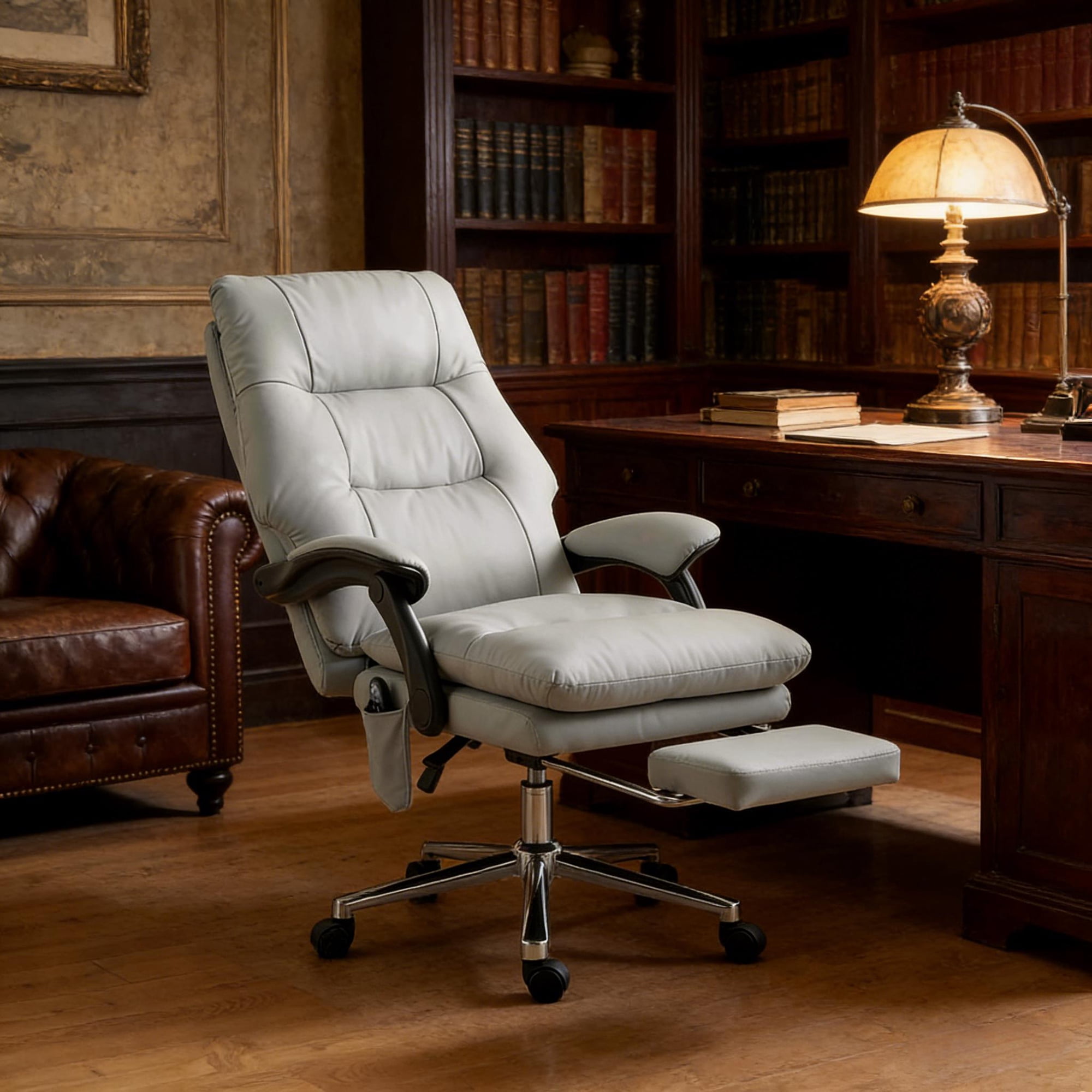
While not functional, aesthetics influence overall satisfaction. A chair that looks great in your home office or corporate setting will likely receive a higher "overall satisfaction" rating from its owner. We track which styles—from minimalist mesh to classic tufted leather—are trending in user ratings.
Ratings Breakdown by Chair Category
To help you navigate, here’s how different categories of chairs typically perform across our 5-pillar system based on aggregated data.
| Chair Category | Ergonomics | Comfort | Durability | Value | Aesthetics | Overall Consensus |
|---|---|---|---|---|---|---|
| High-End Ergonomic ($800+) | ★★★★★ | ★★★★★ | ★★★★★ | ★★★☆☆ | ★★★★☆ | Best for all-day comfort and back health. Investment-grade. |
| Mid-Range Task Chairs ($300-$700) | ★★★★☆ | ★★★★☆ | ★★★★☆ | ★★★★★ | ★★★★☆ | The "sweet spot." Great balance of features and price. |
| Executive Leather Chairs ($400-$1200) | ★★★☆☆ | ★★★★☆ | ★★★★☆ | ★★★☆☆ | ★★★★★ | Style-first. Great for leadership roles, may lack advanced ergo features. |
| Basic/Entry-Level ($50-$250) | ★★☆☆☆ | ★★★☆☆ | ★★☆☆☆ | ★★★★☆ | ★★★☆☆ | Good for short-term or guest use. Not for 8-hour days. |
Common Myths About Office Chair Ratings (Debunked)
Let's clear up some misconceptions that often confuse buyers.
- Myth: More Expensive Always Means Higher Rated. As our table shows, mid-range chairs often beat premium ones in "value" ratings. You pay a premium for marginal gains in the top tier.
- Myth: A 4.5-Star Chair is Perfect for Everyone. A chair rated highly by a 6'2", 250lb user might be rated poorly by a 5'4", 130lb user. Always read reviews from people with your body type.
- Myth: All 5-Star Ratings are Trustworthy. Be wary of products with hundreds of 5-star reviews but very few detailed text reviews. Look for "verified purchase" tags and varied review lengths.
- Myth: A High Rating Today Means a High Rating Forever. Manufacturers can change materials or production lines. A chair model rated highly in 2021 might have a different foam or mesh in 2024. Check the date on reviews.
Frequently Asked Questions About Office Chair Ratings
Final Verdict: Using Ratings to Make Your Choice
Office chair ratings are a powerful tool, but only when used correctly. Don't just look for the highest number. Look for patterns in the feedback. Do dozens of reviewers mention that the lumbar support is too aggressive? That's a trend. Do many people say the seat cushion flattens after six months? That's a durability red flag.
Use our 5-pillar system as your checklist. Identify what matters most to *you*—is it breathability, adjustability, or a luxurious look? Then, find the chair that scores highest in *your* priority pillars. By combining our structured ratings with your personal needs, you're not just buying a chair; you're making a smart, informed investment in your daily comfort and long-term health.
Your Next Step: Browse the top-rated products we've featured above. Each one has been selected based on our comprehensive 5-pillar analysis. Read the quick summaries to see which one aligns with your personal "most important factor."